
Leafhoppers are tiny wedge-shaped sap feeders. They stipple leaves, sometimes drip honeydew, and hop or walk sideways when you brush a shoot. This is the shared garden pattern on beans, potato, rose, and soft bedding — including potato leafhopper hopperburn and the aster-yellows fork. Named sharpshooters and regional virus pages can wait until the local evidence is clear.
Do this first: tap the leaf. If a tiny wedge hops or sidesteps, flip for nymphs and pale cast skins. Cover short bean and potato rows tonight if they are still uncovered.
Stipple, silk, chewed holes, or a sideways hop
| What you see | Likely | Do this first |
|---|---|---|
| Fine stipple, a hop or sidestep, pale skins underside | Leafhopper | Flip the leaf; cover short beans |
| Finer stipple plus silk in heat | Spider mite | See spider mites |
| Tiny chewing holes, a hard beetle that jumps | Flea beetle | See that pest — they chew, they do not suck |
| Soft pear-shaped clusters, slow, sticky tips | Aphid | See that pest |
| A cloud lifts from the underside | Whitefly | See that pest |
| Large chewing hopper in the path | Grasshopper — not this pest | Not this pest |
Stipple is shared with mites, thrips, and lace bugs. The body tells the job. Do not spray a yellow edge and never watch a hop.
What does leafhopper damage look like?
Fine pale stipple, curled tips, and — on beans and potato — yellow-brown margins that look singed. Confirm a tiny wedge that hops or sidesteps. Webbing is mites. Tiny chewing holes are a different hopper. Do not spray stipple and never flip the leaf.
Are leafhoppers the same as grasshoppers?
No. Grasshoppers are chewing, much larger, and a different page. Leafhoppers are wedge-shaped sap feeders, usually under a quarter inch, that hop a couple of feet or walk sideways.
Are these spider mites or leafhoppers?
Mites leave finer stipple plus silk in heat; they do not hop. Leafhoppers hop or sidestep, leave pale cast skins, and may drip honeydew. See spider mites if you see webbing.
Are leafhoppers the same as flea beetles?
Both jump. Flea beetles chew tiny holes in young leaves. Leafhoppers suck sap and stipple or burn the margin. Brush the leaf: a wedge that sidesteps is this pest.
Wedge body, sidestep, pale cast skins
Adults are long for their width, usually under a quarter inch, brown, gray, green, yellow, or mottled. Hind legs are built to jump. Disturbed, they hop a couple of feet or run sideways like a crab — a move few garden pests use. Nymphs look like small wingless adults and prefer the underside or a green shoot. Pale cast skins stay behind after each molt. Eggs sit in tender tissue as tiny pimple wounds. Potato leafhopper is lime-green, about an eighth of an inch, with six pale spots on the thorax. Do not treat stipple as drought and never flip a leaf.
Are leafhoppers bad for plants?
Often they are an annoyance on shrubs and flowers. On snap beans and potato they can stunt plants and cut yield before the leaf looks burnt. Some species move aster yellows or curly top — that is a different, worse job than stipple.
What is a tiny green leafhopper?
On vegetables it is often the potato leafhopper: about an eighth of an inch, lime-green, wedge-shaped, with six pale spots behind the eyes. Nymphs are paler and wingless. Color alone is not a species encyclopedia — watch the hop.
Hopperburn shows after the yield is already hurt
| Stage | What it means |
|---|---|
| Pale veins, then the leaf curls | Early feeding — scout now |
| Triangular yellow-brown tip, brittle margin | Hopperburn — late for yield |
| Beans discolored, small roots | Young rows suffer most |
| Potato leaves brown and drop | Hot, dry weeks speed the loss |
Saliva plus the feeding wound plugs veins. The burnt look is the plant reacting, often on older leaves last. Nymphs do more of this damage than adults. Water helps the crop cope; it does not unburn a margin. Wait on fertilizer until you have seen the insect. Do not wait for the singed V before you look under a bean leaf.
Is hopperburn a nutrient deficiency?
It mimics a yellow V at the tip, so people reach for fertilizer. Hopperburn starts after pale veins and curling; margins go brown and brittle as if singed. Potassium hunger usually shows on the oldest leaves first without a hopping insect underneath.
Why are my bean leaves yellow at the edges?
If a lime-green wedge hops when you tap the row, treat it as potato leafhopper, not a feed chart. Beans curl and discolor; roots stay small. The burnt look is late. Flip mid-leaves for nymphs now.
Will watering fix hopperburn?
Water helps a stressed crop cope; it does not unplug veins already damaged. Keep beans and potatoes evenly moist in heat, and reduce the insects. Do not irrigate and never look under a leaf.
Do potato leafhoppers kill beans?
Seedlings and young rows can stall and yield poorly. Mature plants often look ugly and still crop. Scout early. Ugly stipple is not always a dead row.
Spray will not rewind aster yellows
Some leafhoppers move pathogens. Aster yellows twists and yellows coneflower, carrot, lettuce, and asters — odd shoots, hairy carrot roots, stunted twisted lettuce. Curly top (beet leafhopper) crinkles tomatoes and beans. A spray cannot pull a phytoplasma or virus back out of the sap; the insect can inject it before it dies. Pull the whole infected plant. Do not open a new disease URL here. Light stipple on a shrub with no twist is usually feeding, not yellows. Do not fog open blooms as a rewind.
Do leafhoppers spread aster yellows?
Aster leafhoppers can. Coneflower, carrot, lettuce, and asters may yellow, twist, or throw odd shoots. Pull the whole plant — cutting a flower does not cure it. Feeding stipple without those symptoms is not automatically yellows.
Will insecticide stop aster yellows?
No. The insect can inject the phytoplasma before a spray kills it. Do not fog a bed as a rewind. Remove infected plants and keep weedy hosts down. Skip the brand aisle.
Cover at emergence — check nothing is trapped
On beans and potatoes, spun fabric at seeding or transplant keeps migrants off the first leaves. Seal the edges. Peek underneath — hoppers already in the row will breed under a tent. Pull the cover when the crop needs bees, usually at flower. Crop rotation does little against insects that blow in on spring winds. Do not drape torn cloth a week after the row is already hopping.
Will row covers stop leafhoppers?
Yes on short beans and potatoes if you cover at emergence or transplant, seal the edges, and check that nothing is already under the cloth. Pull the fabric when the crop needs bees.
Hit nymphs on the underside before they fly
Nymphs crawl and cannot fly. A firm water rinse, or a labelled soap or oil in cool hours, has to wet the underside. Repeat in two to three days while you still find skins. Adults jump away from a noon fog. Overfed, soft growth can carry more of them — do not answer stipple with extra fertilizer. Wait on a tough shrub with light speckling and predators present. Fail if one canopy pass at midday is the whole plan.
After the hay is cut, they explode overnight
Many potato leafhoppers do not overwinter in cold gardens. They blow north in spring, often mid to late May, and they leave alfalfa when it is cut. A quiet bean row can fill in a week. Eggs hatch in about 7–10 days; nymphs molt five times over roughly two weeks. Two or more generations are normal. Scout undersides the week after a neighbor cuts hay. Tolerate a few hoppers on an established ornamental. Act on short beans and potatoes. Do not assume last year’s empty row means this year’s is safe.
Why did they explode after the hay was cut?
Potato leafhoppers leave alfalfa when it is cut and drop onto nearby vegetables. Many also blow north on spring winds and do not overwinter in cold gardens. Scout the week after a neighbor cuts hay.
Steps that actually reduce leafhoppers
- Confirm the hop or sidestep and pale skins before you treat. Stipple alone is not a diagnosis.
- Cover short beans and potatoes at emergence; check under the cloth; pull at flower.
- Rinse or soap nymphs on undersides in cool hours; repeat in two to three days.
- Keep the crop watered in heat so hopperburn does not pile onto drought.
- Pull whole aster-yellows plants; do not spray to rewind a pathogen.
- Products last: a local label if young beans still collapse — skip the brand aisle. Fail if yellow cards or a noon fog are the plan and the fabric stays in the shed.
How do I get rid of leafhoppers on plants?
Confirm the hop. Cover young beans and potatoes. Rinse or soap nymphs on undersides in cool hours, then repeat in two to three days. Tolerate light stipple on a tough shrub. Fail if a canopy fog is the whole plan.
Related reading
- Spider mites — finer stipple plus silk in heat; they do not hop.
- Flea beetles — jumping beetles that chew tiny holes, not sap feeders.
- Garden fleahopper — tiny black jumper, sap stipple, not a wedge.
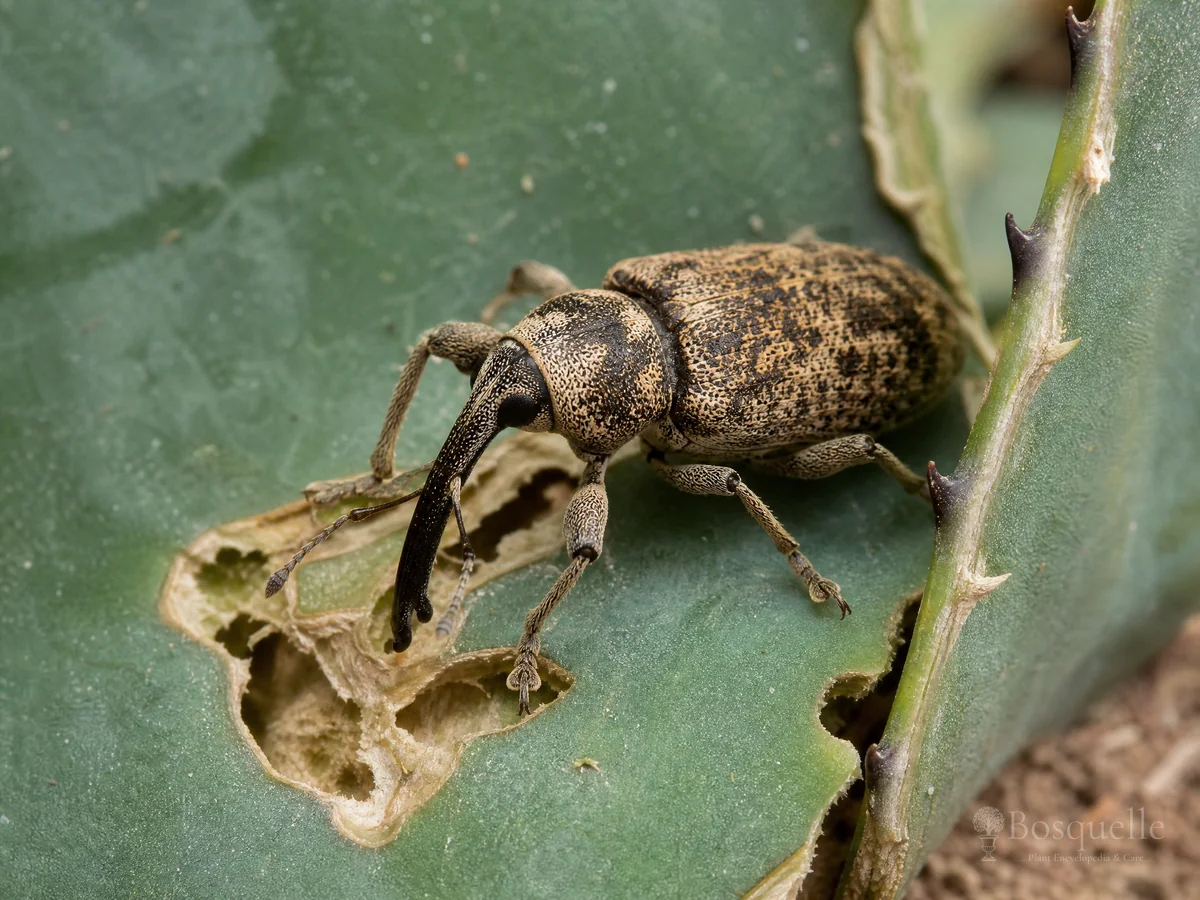
- Grasshoppers — big thighs, ragged chew, not a tiny sideways hop.
- Pierce’s disease — grape xylem plug; sharpshooters, not this leafhopper.
FAQ
Will yellow cards get rid of them?
Cards help you notice arrivals. They do not save a bean row from hopperburn. Scout undersides and cover or rinse. Fail if the card is the control plan.
Do rose leafhoppers need their own page?
Not on this site yet. Rose stipple with a hopping wedge is this pest. Named sharpshooters and regional virus jobs stay one-line honesty until they earn their own URL.
Host plants
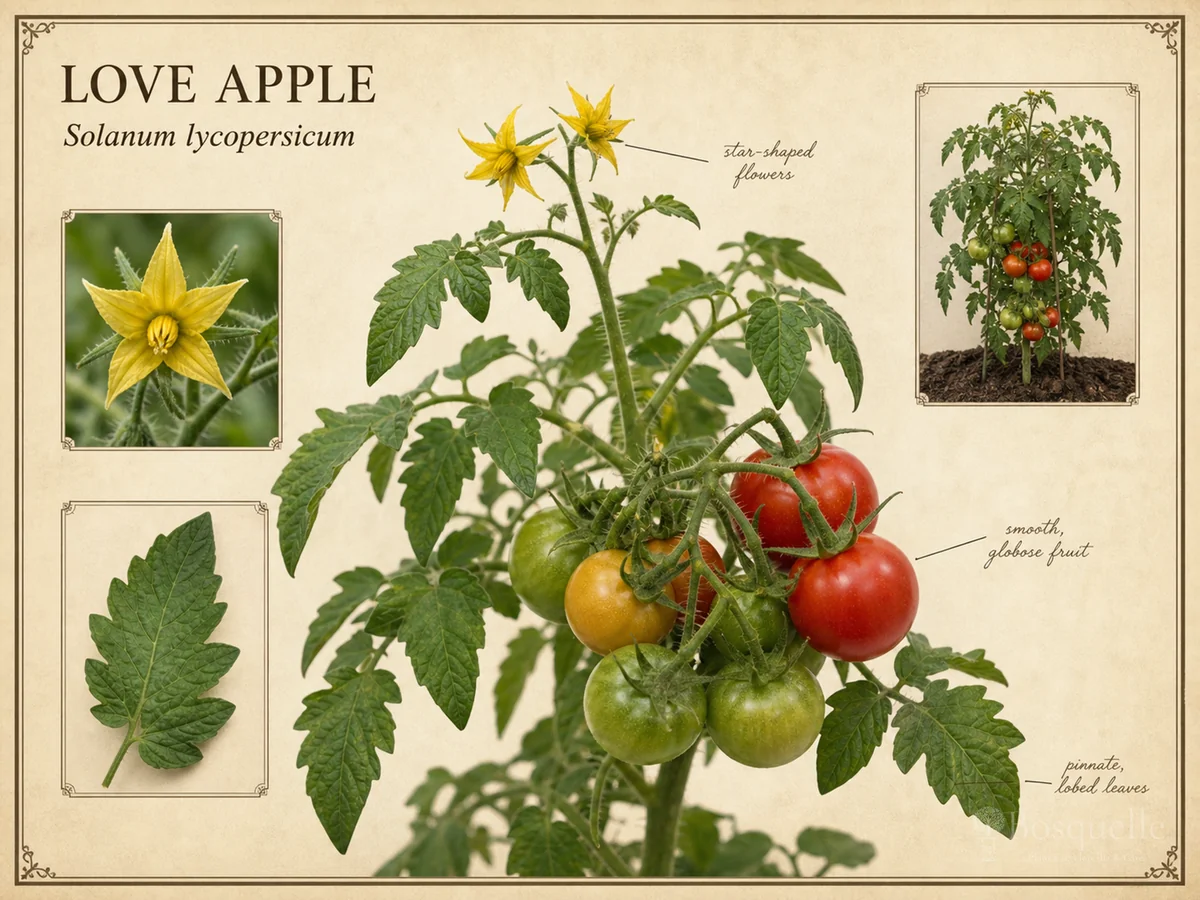
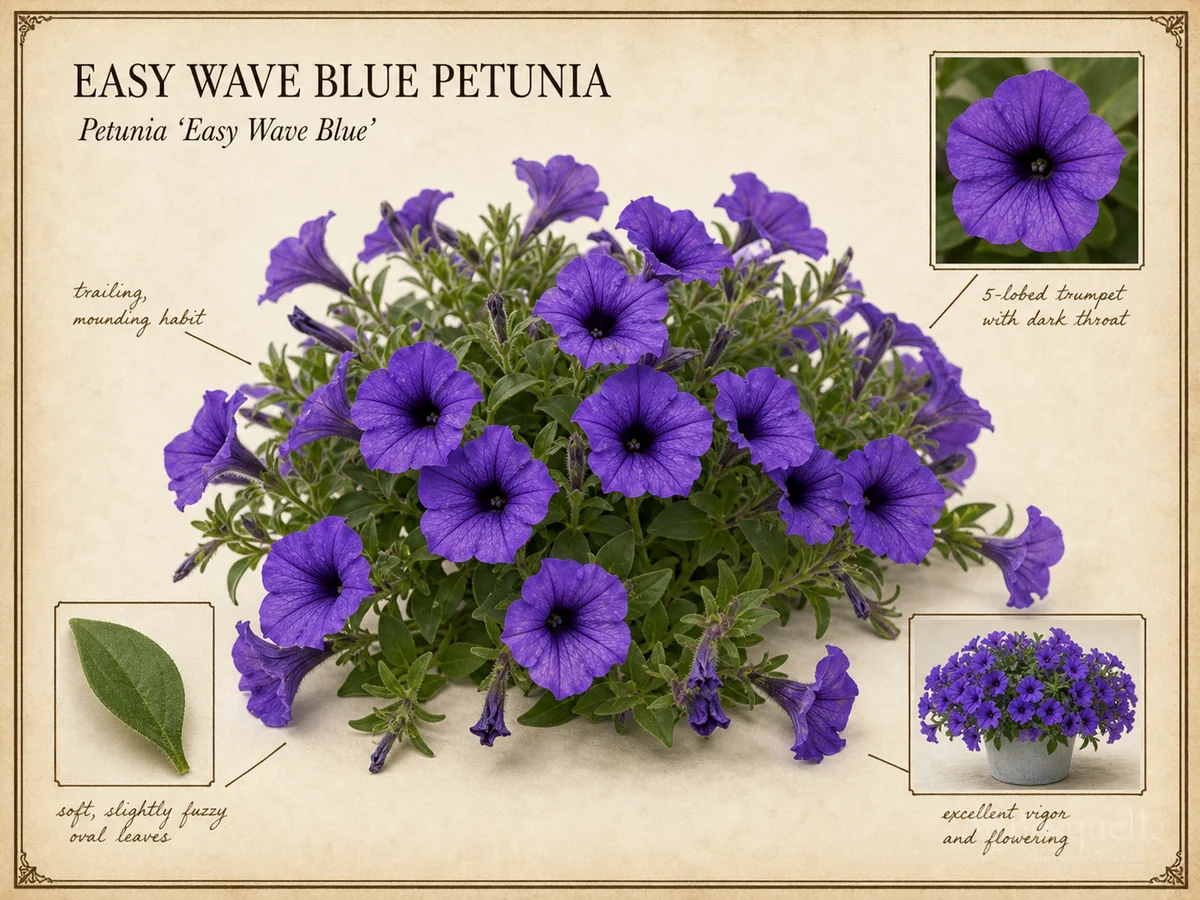
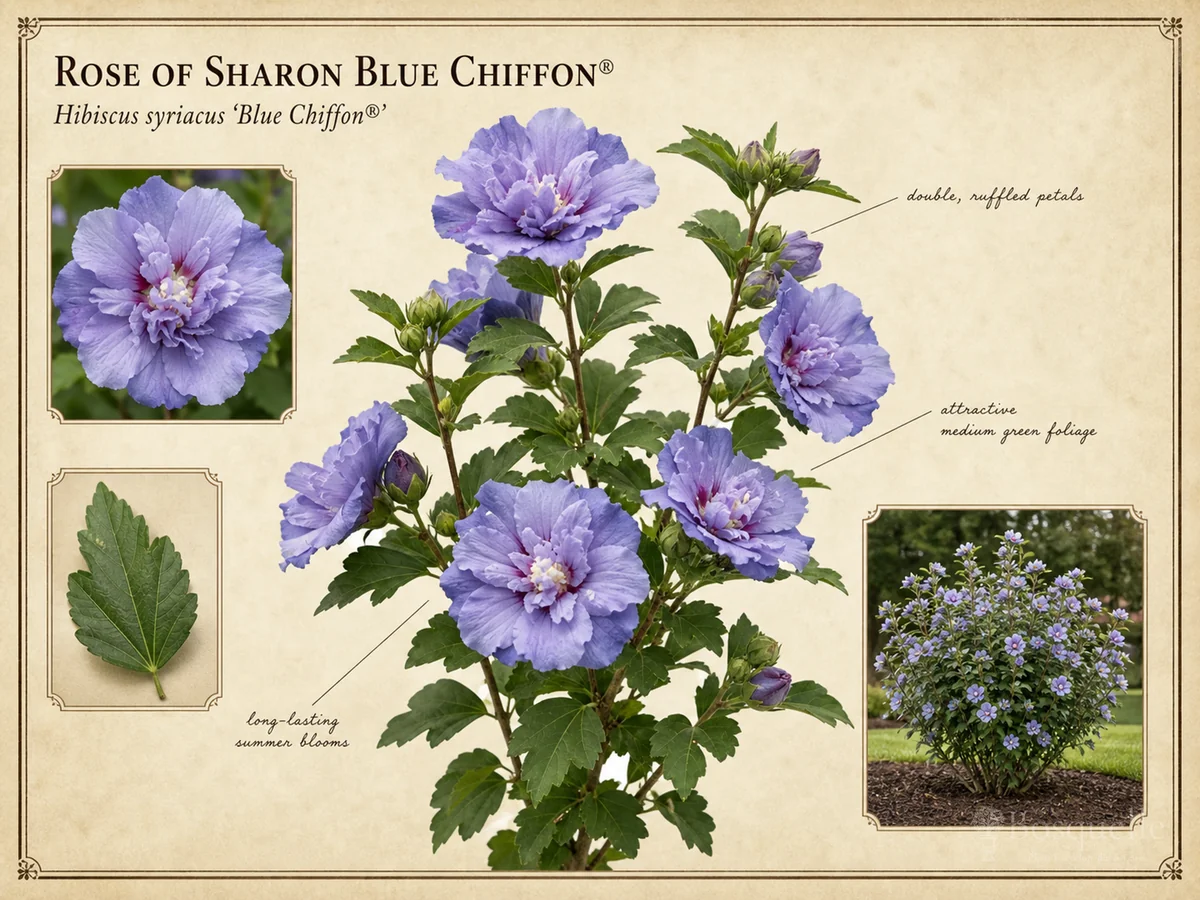
A few garden examples where soft new growth invites early colonies.



Related pests



Related diseases




Updated: Reviewed by Bosquelle Editors