
Powdery mildew is a group of fungi that dust leaves, stems, and buds with a white to grey film. Different plants get different powdery mildew fungi — cucumber mildew does not jump to your roses — but the culture fixes overlap. Recognise the film, decide how hard to fight it, and change the site conditions that keep bringing it back.
Powdery mildew, downy mildew, or just dust?
- Powdery mildew: white or grey floury patches you can rub — often on the upper leaf first; thrives in dry daytime air with humid nights.
- Downy mildew: often cooler wet leaves with more underside fuzz or angular yellow patches — see downy mildew.
- Dust / residue: wipes clean without the leaf yellowing or twisting that mildew brings.
Young leaves may twist or yellow; tips can brown when coverage is heavy.
Mild film or fight-now mildew?
A light late-season dusting on tough shrubs is often cosmetic. Fight harder when buds distort, coverage shades most of the leaf, or the same plant mildews every summer in shade. Culture (sun, air, base watering) beats a late spray that leaves the site unchanged for next year.
What mildew costs the plant
- Cosmetic whitening that shades leaf tissue when coverage is heavy.
- Distorted buds and poorer flowers on susceptible plants.
- Repeated late-season pressure that stresses already weak plants.
A “resistant” cultivar still mildews in shade, crowding, and evening overhead watering.
Weather and site that invite mildew
| Condition | Why it matters |
|---|---|
| Shade and still air | Humidity hangs around the leaves |
| Evening overhead water | Foliage stays wet into the night |
| Crowded planting | Slow drying; hard to inspect |
| Soft, overfed growth | Tender tissue gets hit first |
Culture that keeps mildew down
- Give morning sun and space: leaves that dry faster mildew less.
- Water at the base: skip evening sprinklers on susceptible plants.
- Thin congested stems: open the centre where the plant’s habit allows.
- Remove badly infected leaves: when practical; follow local advice on composting diseased material.
- Choose tougher cultivars when you replant a mildew-prone spot.
- Treat products as a last step: if culture fails, follow local extension labels — skip the brand aisle; a local label is the rule.
Related reading
- Downy mildew — often cooler wet leaves with underside fuzz; different organism from powdery mildew.
- Rose black spot — another leaf disease where dry foliage and airflow matter.
FAQ
Is the white powder always powdery mildew?
Usually on ornamentals it is. Dust, spray residue, or downy mildew can look similar — downy mildew often prefers cooler wet leaves and shows more underside fuzz.
Do I need wet leaves for mildew to start?
Often no. Many powdery mildews like dry leaf surfaces with humid air. Still avoid evening overhead watering.
Will a resistant plant never get mildew?
Resistant means fewer problems, not immunity. Shade and crowding can still tip a good cultivar into mildew.
Should I cut the plant to the ground?
Not as a first move. Improve light and air, remove the worst leaves, and water at the base. Hard cutback is for specific plants and seasons — check that plant’s care guide.
Will next year’s plant get it again?
Often yes if shade, crowding, and evening watering stay the same. Change the site or cultivar when you replant a mildew-prone spot.
What actually changes powdery mildew
| Question | Short answer |
|---|---|
| Does spray erase white patches? | No — it protects new tissue; old spots stay |
| Same fungus on rose and squash? | No — host-specific fungi, shared culture |
| Flip the leaf | Powder on top = powdery; angular yellow + underside fuzz = downy |
| Recipe many gardeners try | 1 tbsp potassium bicarbonate + ½ tsp soap per gallon |
Diagnosis table: powder, downy, or dust
| What you see | Likely | First action |
|---|---|---|
| White flour on upper leaf; rubs off; dry days, humid nights | Powdery mildew | Thin, water at the base, tolerate if mild |
| Yellow angular patches; grey/purple fuzz underneath; wet leaves | Downy mildew | Stop overhead water; see downy mildew — different organism |
| Film wipes clean; leaf not twisting | Dust or residue | Rinse; no fungicide |
Tolerate a film — or fight new growth
University flower-garden guidance is blunt: tolerate low levels that do not cut growth or flowering. Fungicides will not cure or remove existing spots. Once most leaves are already white, you are decorating, not saving the plant. Fight when buds distort, fruit sits under a canopy of mildew, or the same cultivar collapses every August in a still corner. Replanting a tougher cultivar in that hole beats a summer of sprays.
A “resistant” label is not a force field in shade and evening overhead water. Read it as “less likely,” then still give morning sun and space.
Recipes with numbers — and when they fail
Potassium bicarbonate is the home mix with the least folklore: about one tablespoon plus half a teaspoon of real liquid soap in a gallon of water, coated on upper and lower surfaces. Repeat on a weekly rhythm while new leaves are at risk, not as a daily burn. Milk sprays (often tried at about 40 percent milk) are inconsistent; treat them as optional, not a protocol. Baking soda is closer to prevention than cure. Vinegar every three days is a good way to scorch foliage — skip it as a default.
Fail if the day is hotter than the label allows, if you mixed detergent, or if you are actually looking at downy mildew. Copper and sulfur products follow local labels; skip the brand aisle. Never stack oil and sulfur on a hot week.
Edible crops and the harvest question
You can usually eat fruit from a mildly mildewed squash or cucumber after washing. The film is ugly; it is not a poison. Throw out mushy fruit. If you spray anything, the label’s harvest interval is the rule — not a blog ratio. Hot compost (genuinely hot) is how infected leaves leave the garden without seeding next year’s vines. Cold compost is a spore hotel.
After this season
Clear the worst debris. Note which plant mildewed in which bed. Next year that is a spacing and cultivar decision, not a shopping list for a new bottle. Morning sun and space beat one more mix in September. See downy mildew if the leaf-flip failed.
Can I eat mildewed squash?
Wash sound fruit. Discard mushy fruit. If you sprayed, follow the label harvest interval — not a homemade recipe clock.
Will baking soda cure white leaves?
It is closer to slowing spread on new tissue than erasing patches. Culture first. Potassium bicarbonate has a clearer home-garden record than soda.
Same spray for downy mildew?
No. Flip the leaf. Underside fuzz with angular yellow is a different organism. Wrong spray wastes a week.
Host-specific fungi, shared bad habits
The white film on a rose is not the same species as the film on a zucchini, and neither is the one on phlox or lilac. You will not “catch” squash mildew from a lilac, and spraying every plant in the yard because one leaf is white is how you burn the innocent. What is shared is the site: still air, shade in the afternoon, leaves that stay humid at night, and a cultivar that has already shown it cannot take that corner. Move the plant, open the planting, or change the cultivar. A bottle does not relocate a north wall.
Monoculture in a pot cluster is how houseplant mildew jumps leaf to leaf. Space the pots. Drop humidity theatre (pebble trays jammed together) if the film is already there. Indoor mildew is a rinse-and-isolate job first; outdoor culture advice does not copy onto a windowsill that never sees morning sun.
What a weekly spray is actually doing
Protectant mixes sit on tissue that is not yet infected. They do not bleach the white you already see. If you start when the plant is a ghost, you are paying for ritual. Start when the first spots appear on a plant you refuse to lose, coat upper and lower surfaces, and stop when new leaves stay clean for two weeks. Fail if leaves speckle or wilt the next day — rinse, and do not “push through.” Fail if you mixed dish detergent with bicarbonate and called it soap. Fail if the thermometer is above what the product (or a sensible home mix) can stand. Sulfur and oil on consecutive hot days is a classic scorch pairing; pick one lane.
Milk at roughly two parts water to one part milk is a folk trial, not a protocol. Some gardeners see slower spread on new cucurbit leaves; many see nothing but smell. Treat it as optional curiosity on a sacrificial zucchini, never as the plan for a prize rose.
Phlox, lilac, and the “it always does this” bed
Some perennials mildew every August in the same still pocket. That is a design problem. Swap to a cultivar with a real resistance record for that host, or move the clump to morning sun. Cutting phlox to the ground in autumn removes some inoculum; it does not fix a six-foot hedge that blocks every breeze. Lilac mildew is often cosmetic on a large shrub — fight it when the shrub is young or the film is so heavy buds abort. Do not clone a squash-spray essay onto a twenty-year lilac and call it a protocol.
Water, nitrogen, and the evening sprinkler
Powdery mildew often likes dry leaf surfaces with humid air, which is why “just water the leaves” is not a cure and can still help other diseases. Water at the base in the morning so the canopy is dry by night. Drip or a wand beats an oscillating head on a phlox border. Soft, nitrogen-pushed growth mildews first; ease off the soluble feed when the film appears. A plant that is both hungry and shaded still mildews — fix light before you invent a deficiency story.
Next year is a map, not a shopping list
Walk the bed in September with a notebook, not a sprayer. Which cultivar ghosted, which stayed green, which corner never dries? That list is the replant plan. Debris that is truly hot-composted is spent; a cold pile of mildewed squash leaves is how next June starts early. See downy mildew whenever the leaf-flip showed angular yellow and underside fuzz — different organism, different weather, different waste of a bicarbonate week.
Will milk spray save my zucchini?
Sometimes it slows new infections; often it does nothing useful. Culture and a tougher cultivar matter more than a dairy ratio.
Can houseplant mildew spread across a shelf?
Yes, in still humid air. Isolate, rinse, space pots, and drop the humidity cluster. Do not fog the whole room with a garden mix.
Do I compost mildewed leaves?
Only if the pile actually cooks. Otherwise bag them. Cold compost returns the problem to the same bed.
Pets, kids, and what not to fog the patio with
Keep bicarbonate and soap mixes off play turf until dry. Do not let a child “help” by misting a whole cucumber in noon sun. Oils and sulfur need the same caution around pets that walk through wet foliage. Skip the brand aisle on fungicides; if you use a labelled product, the harvest interval on edible crops is the rule, not a blog clock. Rinse fruit. Discard mush. A mildly mildewed zucchini you never sprayed is food after a wash — ugly is not poison.
If a mix specks leaves, stop. Burned tissue will not un-burn because you waited three days. Switch back to thinning, morning water at the base, and a cultivar that can live in that corner. The job tonight is the leaf-flip and a decision to tolerate or protect new growth — not a cabinet of bottles.
When to stop and what “clean” means
Stop spraying when two weeks of new leaves stay free of fresh film, even if old spots remain white. Those old patches are history; they are not a reason to keep burning tissue. If the plant is a late-season shrub and fruit is already in, tolerate. Next year’s notebook beats one more mix in September.
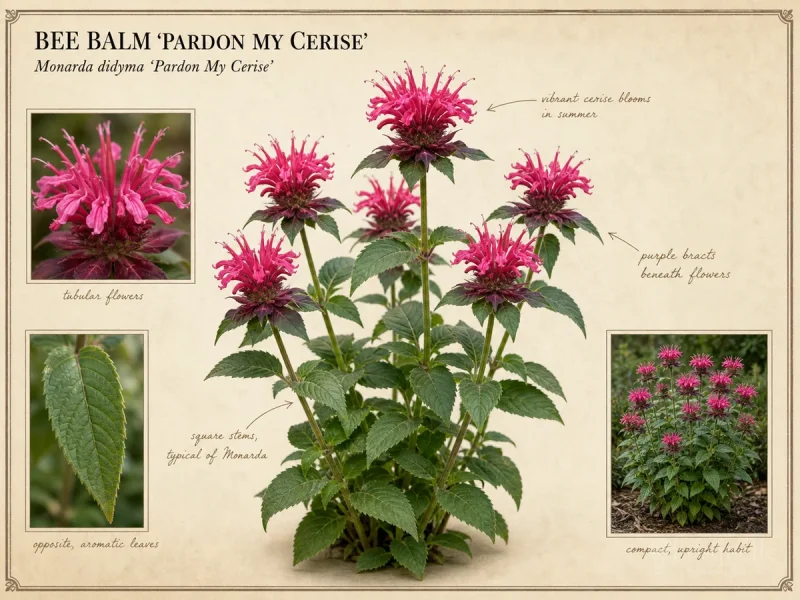
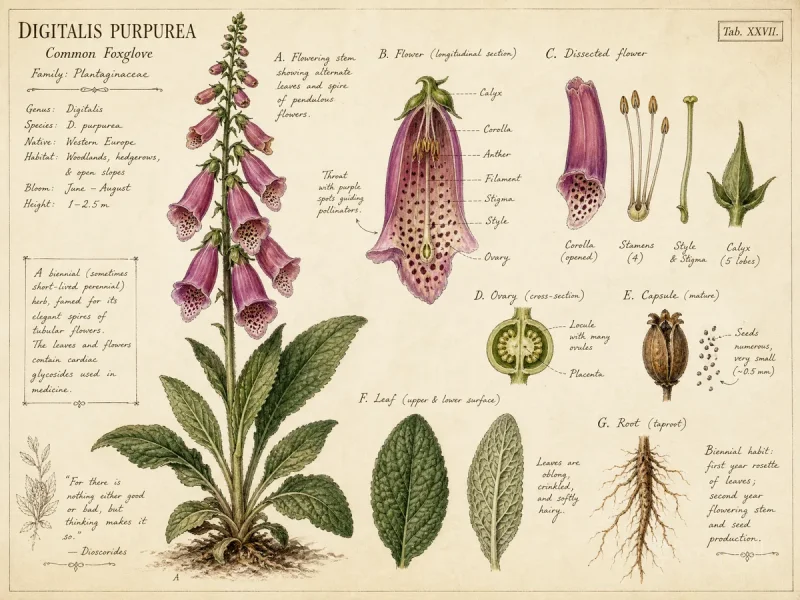
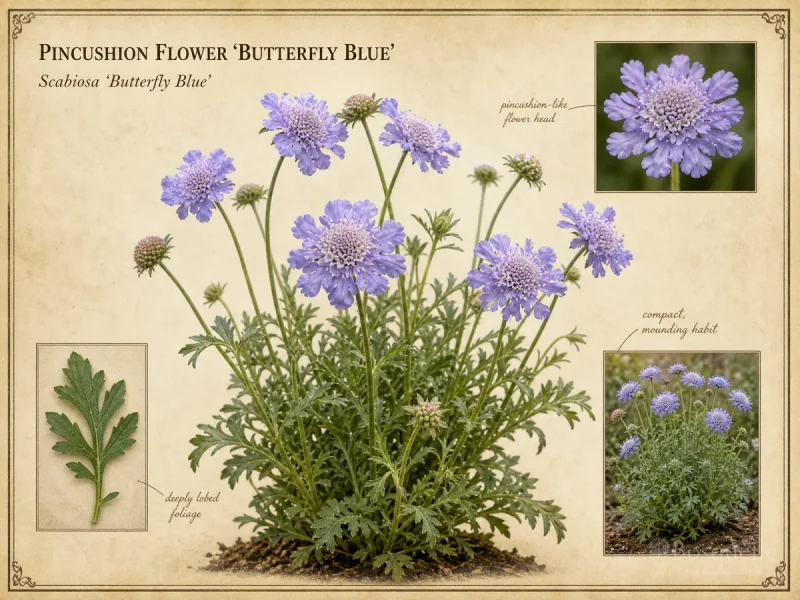
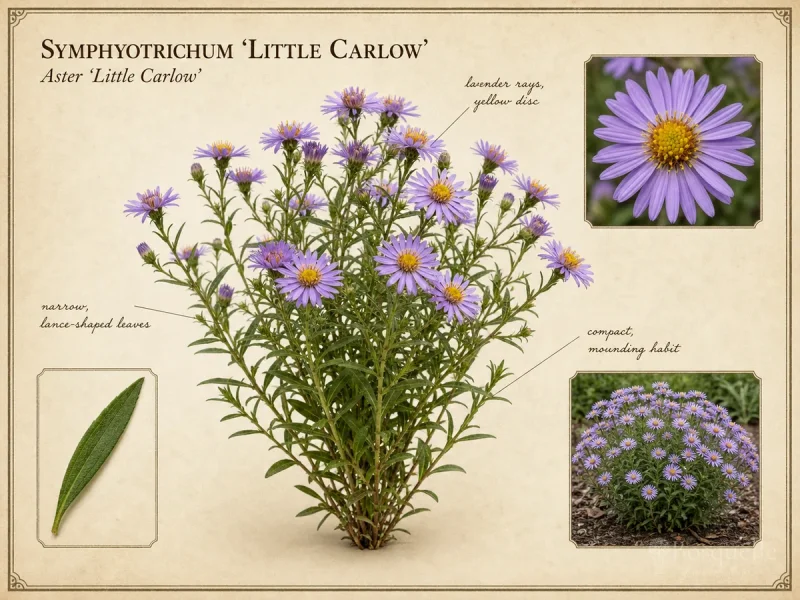
Host plants
A few garden examples linked on this site — open a plant for care context.





Related diseases



Related pests





Updated: Reviewed by Bosquelle Editors