
Spider mites are tiny arachnids, not insects. They pierce leaf cells, leave pale stipple, and in bad outbreaks spin fine silk on undersides and tips. Heat, dust, and dry air speed them up. If you need to know what you are looking at tonight, whether to wait on a tough outdoor shrub, and which steps actually cut numbers without a chemistry aisle. They are not the same job as aphids (sticky honeydew) or thrips (silver scars in buds).
Do this first: tap a suspect leaf onto white paper. If specks move, rinse undersides, isolate a houseplant, and skip a beetle spray that would wipe the mites’ predators.
Stipple, silk, and when they wreck a plant
| Question | Short answer |
|---|---|
| Will they kill the plant? | Rarely outdoors; houseplants and seedlings crash in dry heat |
| First move | White-paper tap-test, then a firm underside rinse |
| Tell from aphids | Dry stipple and silk — no honeydew |
| Tell from thrips | Pinpoint stipple + webbing, not silver streaks with black frass |
| Spray interval if needed | Soap or oil every 5–7 days with full underside cover |
Stipple, silk, or something else
| Sign | Likely cause | Do this first |
|---|---|---|
| Fine pale pinpricks; dusty undersides; silk at joins | Spider mites | Tap-test; rinse undersides |
| Pear-shaped clusters; sticky film; white skins | Aphids | See aphids — different tools |
| Silvery streaks; black varnish dots; scarred buds | Thrips | See thrips — check flowers |
| White cloud when you shake the leaf | Whiteflies | Honeydew possible; not mite silk |
| Moving specks only on the potting mix | Not spider mites | Do not drench the soil for this pest |
Fine stipple and silk before the wipe-out
- Pale pinprick stipple on the upper leaf; a dusty look underneath.
- Fine webbing on tips and leaf joins when colonies are dense — thinner than a garden spider’s web.
- Leaves that bronze, crisp, or drop in hot dry spells.
- Moving dots the size of a period on a white-paper tap-test.
Adults have eight legs. Newly hatched young can look six-legged and pale. Two-spotted mites often show a dark blotch on each side; winter forms can look reddish — that “red spider mite” is this pest, not a florist lily. Confirm movers before you spray leftover stipple from a colony that already left.
Not aphids, not thrips: the tap-test
Aphids cluster, walk their legs when poked, and drip honeydew that can grow sooty mold. Sticky honeydew and pear-shaped clusters are aphids; fine stipple with silk and no drip is mites. Thrips rasp silver streaks, hide in buds, and speckle black frass — they never spin this silk. Whiteflies lift in a cloud. Tap the leaf over paper if you cannot see bodies yet. If you treat the wrong pest, you waste the week the mites use to double.
When to hose — and when to bin
Light stipple on a tough outdoor shrub in a short heat wave can rebound once you rinse, water the roots, and leave predators in place. Most woody plants tolerate low numbers. Act the same day on houseplants, seedlings, prize foliage, and any plant already showing webbing. Waiting without checking undersides is how colonies explode in a week of dry heat.
Discard a houseplant that cannot push new growth after rinse and soap — one collapsing pot is cheaper than a shelf of stipple. Do not dump an established garden shrub for cosmetic bronze after a hot fortnight.
Houseplants: shower, isolate, or discard
Indoor mites have heating vents, dry air, and no weather. Move the pot away from the cluster the day you see stipple or silk. Rinse in a sink or shower, supporting the soil. Wipe webbing first so water and soap can reach the leaf — nests shed spray. Repeat every five to seven days; eggs are not finished in one pass. A little extra humidity helps after the rinse. Misting without washing undersides is theatre. Do not share the shower with ferns that hate hard spray. If webbing already coats most of the canopy and no new leaf can open, bag the plant and bin it.
When sprays make mites worse
Broad-spectrum insecticides aimed at beetles or caterpillars often kill the predatory mites, pirate bugs, and thrips that already limit this pest — then mite numbers surge. Prefer a firm water rinse on undersides, ease drought stress, and keep dust down. If you use soap or oil, cover undersides in cool hours and expect repeats. Skip the brand aisle.
Why hot dry weeks explode colonies
| Factor | What it means |
|---|---|
| Hot, dry air | A generation can finish in under a week; leaves lose turgor |
| Dusty undersides | Harder for predators; easier for mites to hide |
| Drought-stressed plants | Weaker recovery after feeding |
| Broad-spectrum sprays | Often kill mite predators first |
Outdoors, dusty paths and unwatered pots are mite weather. Indoors, a shelf over a heating vent in winter is the same job. Keep dust off leaves with a damp cloth between rinses.
They are not living in the potting mix
Spider mites feed on green tissue. Eggs sit on leaf undersides, not in the root ball. Repotting, soil drenches, and diatomaceous earth on the compost will not finish an outbreak and can hurt roots or predators. Wash the foliage. If you see specks only on wet mix, you are looking at a different animal. Outdoor females may shelter in bark and litter over winter — pick up heavy debris; do not treat the bed as a mite farm.
Steps that actually reduce spider mites
- Confirm with a tap-test: hold white paper under a leaf and tap — moving specks mean act now. Webbing without movers may be leftover damage.
- Rinse undersides: a firm morning water jet dislodges mites when leaves are not already disease-stressed. Repeat every two to three days for two weeks on a light outdoor outbreak.
- Isolate and wipe houseplants: shower, then bag heavily webbed leaves in the trash, not the open compost.
- Ease drought stress: steady water at the base; avoid baking pots dry in hot wind. Keep dust down on paths and leaves.
- Keep predators: skip routine broad-spectrum sprays. Predatory mites already in the bed do more than a cup of bought ladybirds after a pyrethroid weekend.
- Soap second: labelled insecticidal soap or a weak castile mix, undersides coated, in morning or evening. Repeat every five to seven days while live mites remain. Fail if leaves speckle — rinse and stop.
- Oil last: horticultural oil or neem follows the label, never in hot sun, never on a wilted plant, never as a soil drench. Coverage matters more than brand. Skip the brand aisle.
FAQ
Do spider mites kill plants?
Established outdoor shrubs rarely die from a short outbreak, but they can bronze, drop leaves, and look wrecked after a hot dry spell. Houseplants, seedlings, and greenhouse crops crash faster because there is no rain and few predators. Act while stipple is still light and the tap-test still shows movers.
Are these spider mites or aphids?
Aphids are pear-shaped clusters that leave sticky honeydew and white cast skins. Spider mites are specks that cause fine pale stipple and silk; they do not drip honeydew or farm ants. If the leaf is dry and webbed, this is mites — an aphid soap pass will not reset a mite outbreak in a hot window.
How do I tell spider mites from thrips?
Thrips leave silvery streaks plus tiny black varnish-like frass, and they hide in buds and flowers. Spider mites leave pinpoint stipple and, when numbers rise, fine webbing on undersides and leaf joins. Tap both onto white paper: mites are slow specks; thrips are slender and flick.
How do I get rid of spider mites on a houseplant?
Isolate the pot the same day. Rinse foliage in a sink or shower, supporting the root ball, and wipe webbing so later sprays can reach the leaf. Repeat every five to seven days while movers remain. Raise humidity a little. Do not move it back onto a crowded shelf the same afternoon.
Should I throw the plant away?
Bin a houseplant that cannot push new growth after two rinses and one labelled soap or oil pass, or whose webbing already coats most of the canopy. One collapsing pot is cheaper than a shelf of stipple. Outdoor shrubs almost never need the dumpster.
Do spider mites live in soil?
No — they feed and lay eggs on foliage, mostly undersides. They are not fungus gnats. Repotting will not finish an outbreak. Outdoor females may shelter in litter over winter; that is sanitation, not a potting-mix drench.
Does neem oil kill spider mites?
Horticultural oils, including neem, kill mites they wet. They do not replace a rinse, they miss eggs you did not coat, and they can burn leaves in hot sun or on a drought-stressed plant. Oil is a later step. Skip the brand aisle.
Will dish soap kill spider mites?
Use labelled insecticidal soap or a weak plain castile mix. Dish detergents, degreasers, and moisturisers burn leaves. Coat undersides in cool hours. Repeat every five to seven days. Fail if foliage specks or wilts — rinse and stop.
Can a spray for beetles make mites worse?
Yes. Broad-spectrum insecticides aimed at beetles or caterpillars often kill predatory mites and pirate bugs first. Pest mites then surge. Hose undersides and water the plant before reaching for another product.
Does misting alone fix an outbreak?
Dry air favours mites, so a little extra humidity helps a houseplant. Misting without rinsing undersides or breaking webbing rarely finishes the job. Use a firm rinse, then humidity as aftercare — not as the only tool.
How do I get rid of spider mites naturally?
Start with a tap-test and a firm underside rinse every two to three days. Keep the plant watered and dusty leaves clean. Labelled soap or oil comes after, every five to seven days, in cool hours. Skip beetle sprays that kill mite predators.
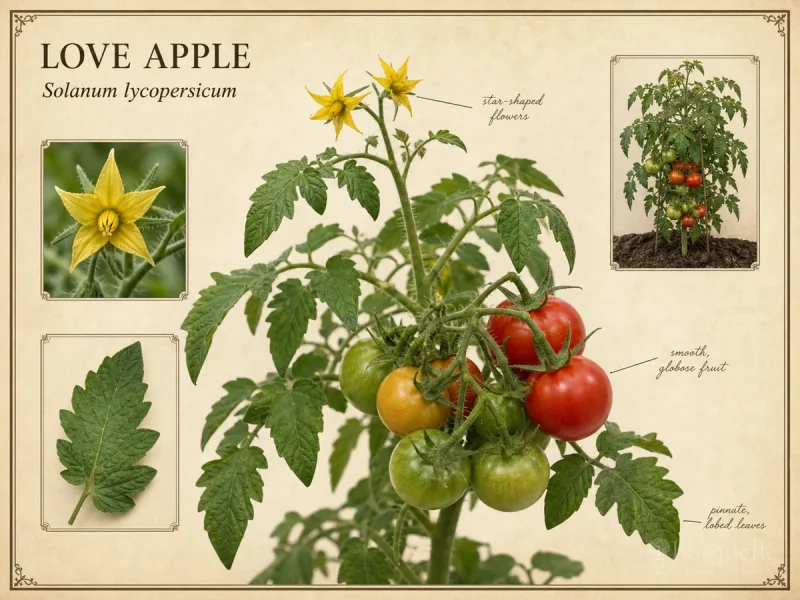
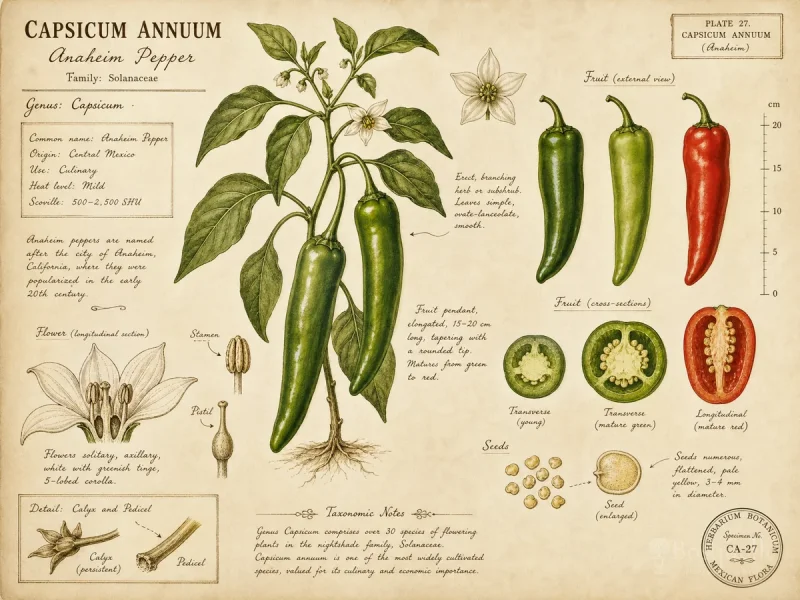
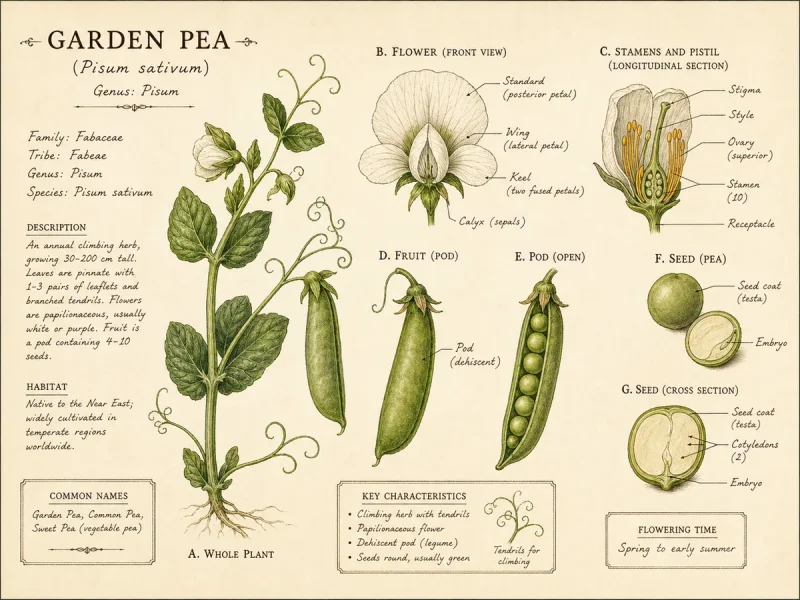
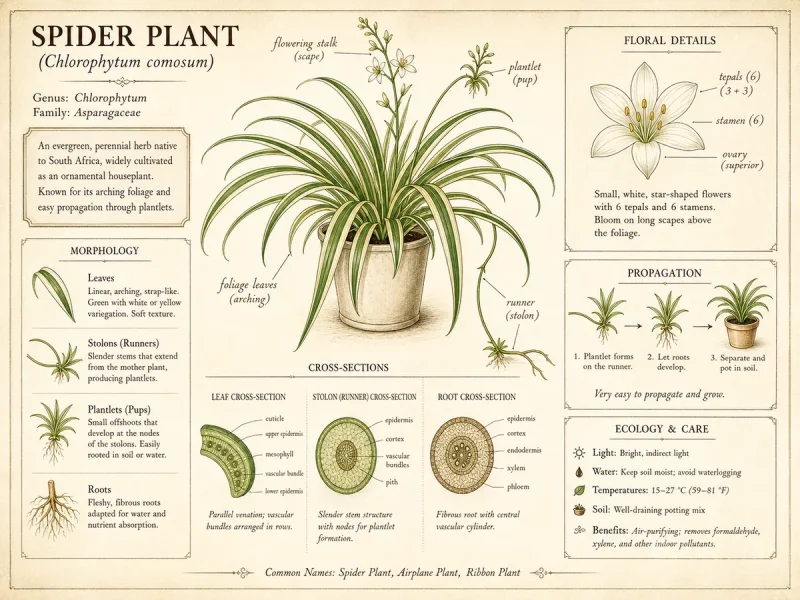
Host plants
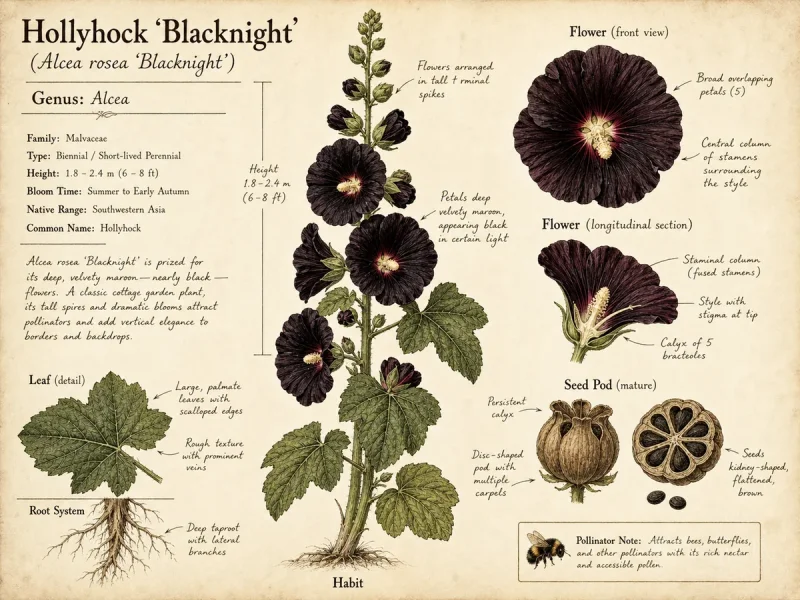
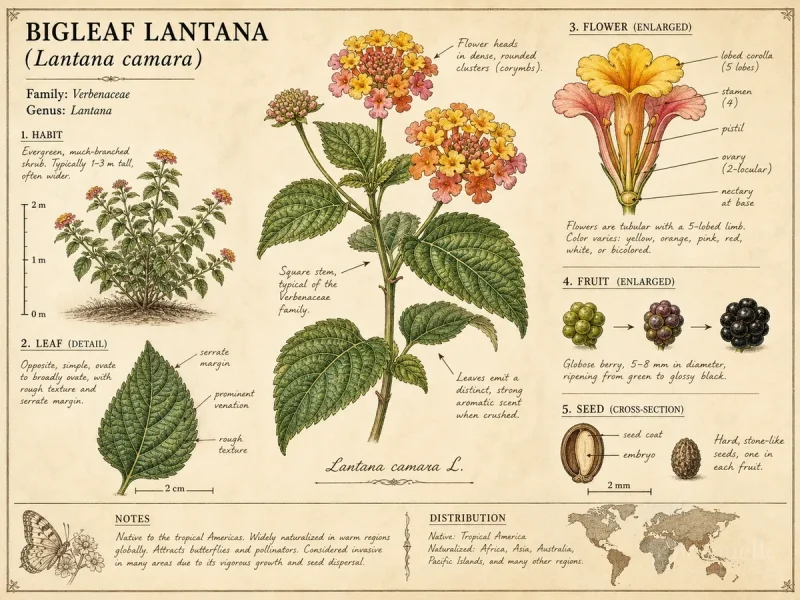
A few garden examples where soft new growth invites early colonies.



Related pests





Related diseases



Updated: Reviewed by Bosquelle Editors