
Plants for bees are forage plants — not a beekeeping manual. This guide is the design method for a temperate bee-friendly bed: bloom succession, open flower forms, mass planting, then catalog plants actually flagged as attracting bees. One trendy plant is not a season of forage.
What “plants for bees” means here
On Bosquelle, inclusion starts with the catalog Bees attracts flag — we do not invent forage scores. This page owns the planting method. Genus care stays on guides such as How to Grow Coneflowers, How to Grow Sage, and How to Grow Lavender.
Butterflies are a related job with different life-cycle needs — see Plants for Butterflies. Hummingbirds stay a separate later guide, not a merged mega-list here.
Design method for bee-friendly beds
- Succession: aim for overlapping bloom from spring bulbs/alliums through summer spikes and into late stonecrop — empty months starve foragers.
- Open flowers: single and open daisy or spike forms are easier landing pads than tight sterile doubles.
- Mass, don’t sprinkle: clumps of the same bloom are easier to work than one lonely stem of each color.
- Sun + honest water: most strong bee plants want open sun; pair dry-sun herbs with Drought-Tolerant Plants thinking when beds are lean.
- Pesticide caution: skip systemic insecticides on bloom you want visited; spot-treat pests without blanket sprays on open flowers.
Shortlists by role / season
Every plant below is catalog-flagged for bees.
Early nectar
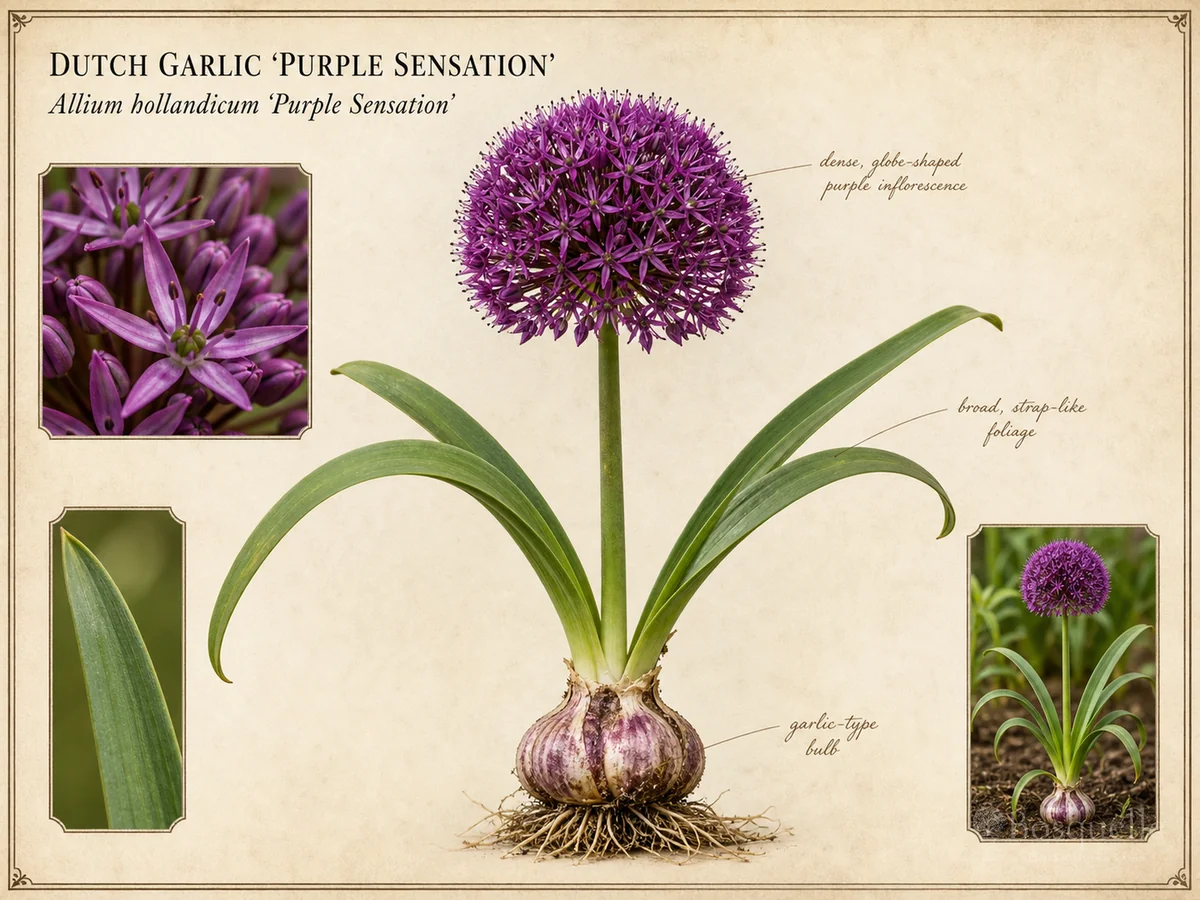
- Purple Sensation — ornamental onion globes as spring nectar stations.
Summer workhorses
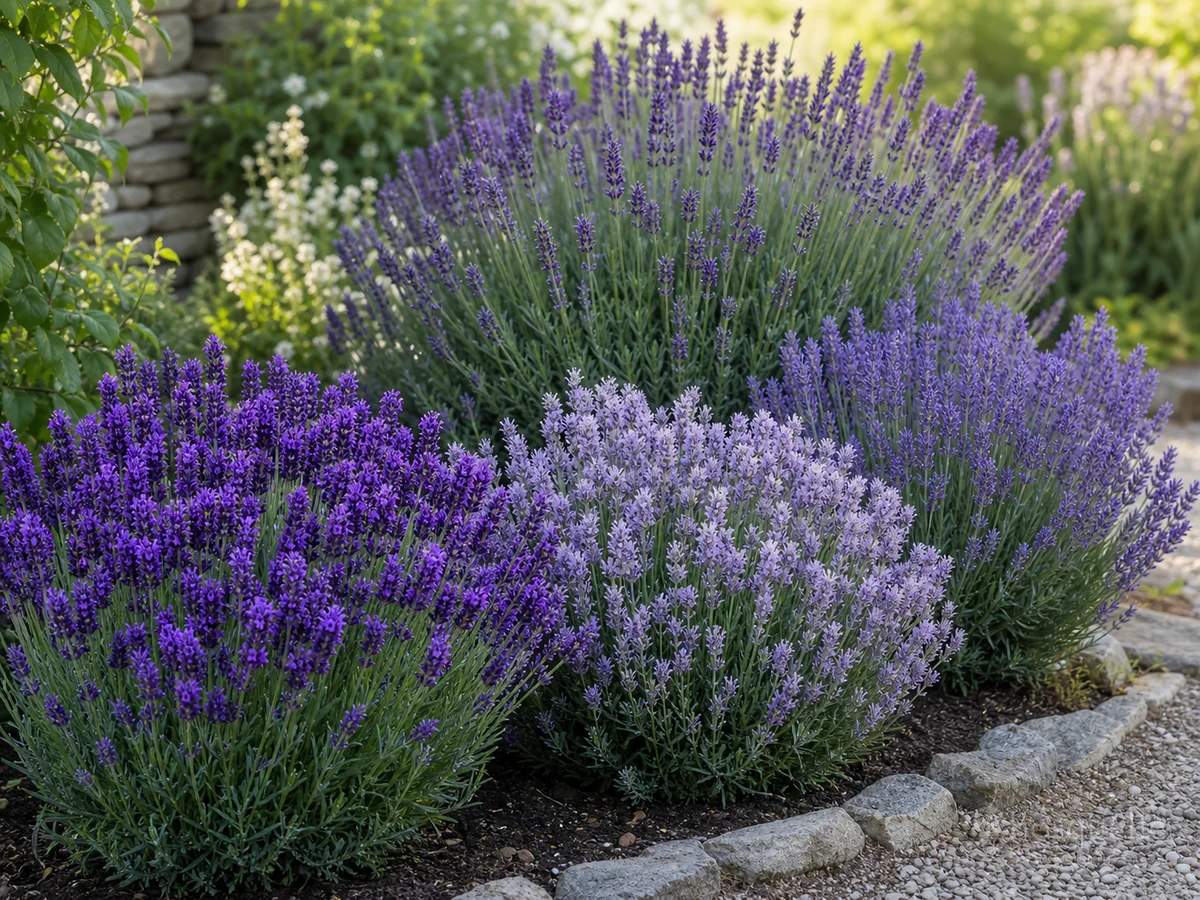
- Hidcote — lavender in dry, open sun.
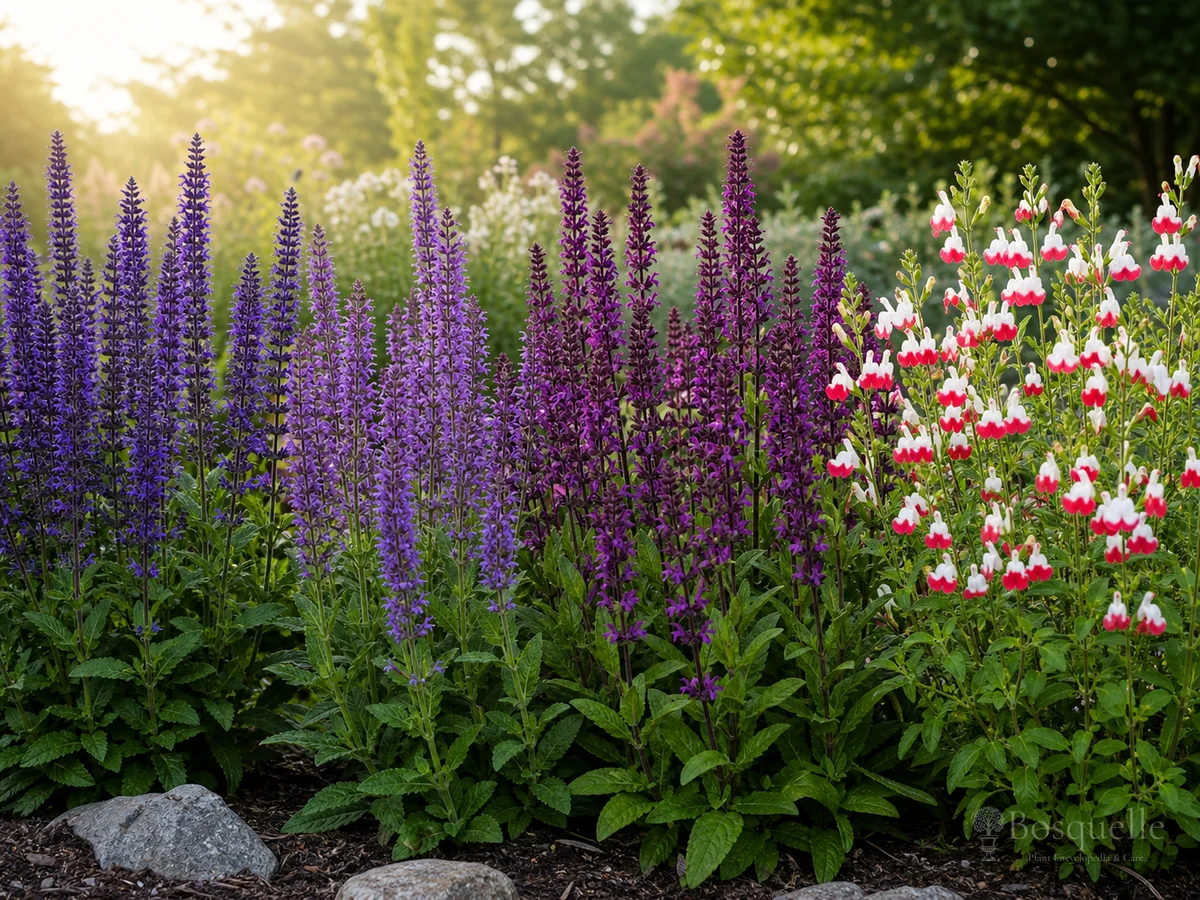
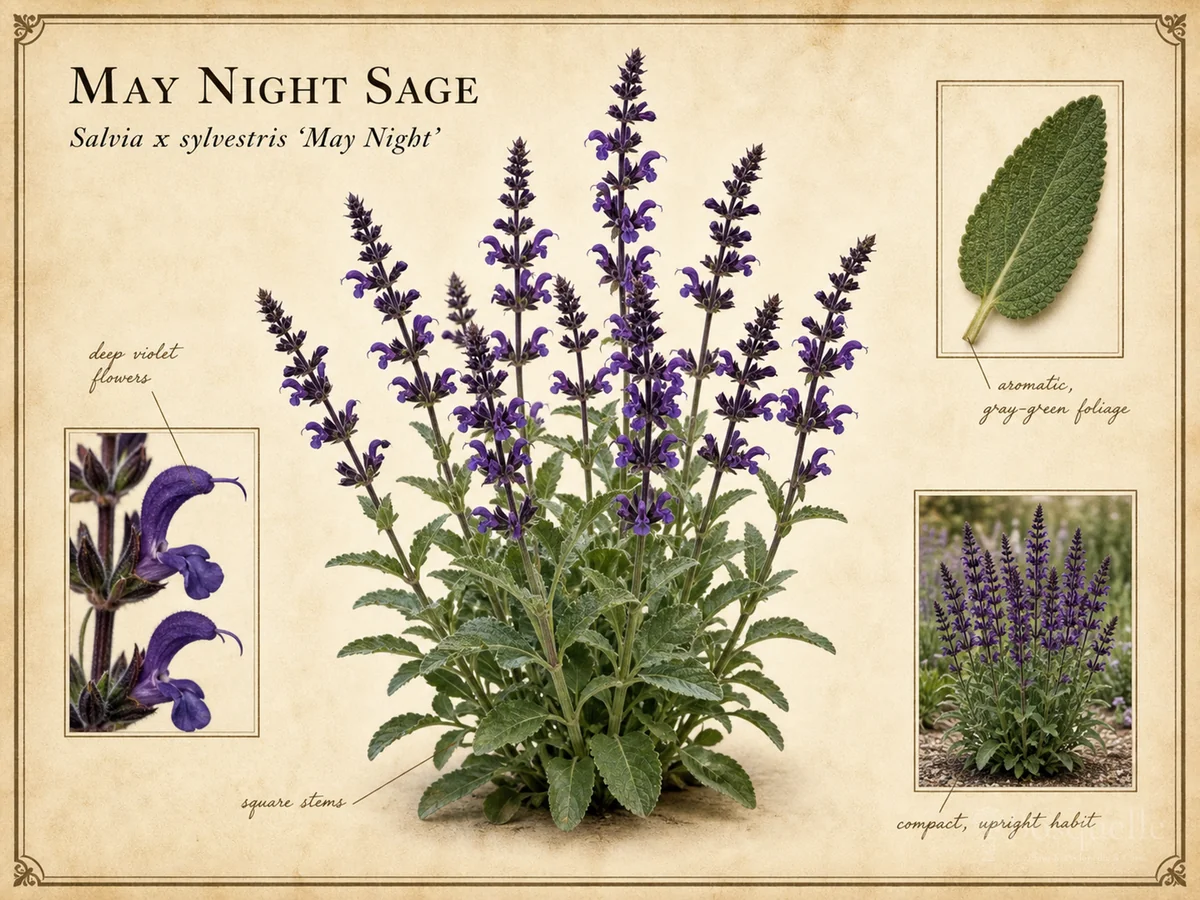
- May Night and Caradonna — salvia spikes bees work hard.
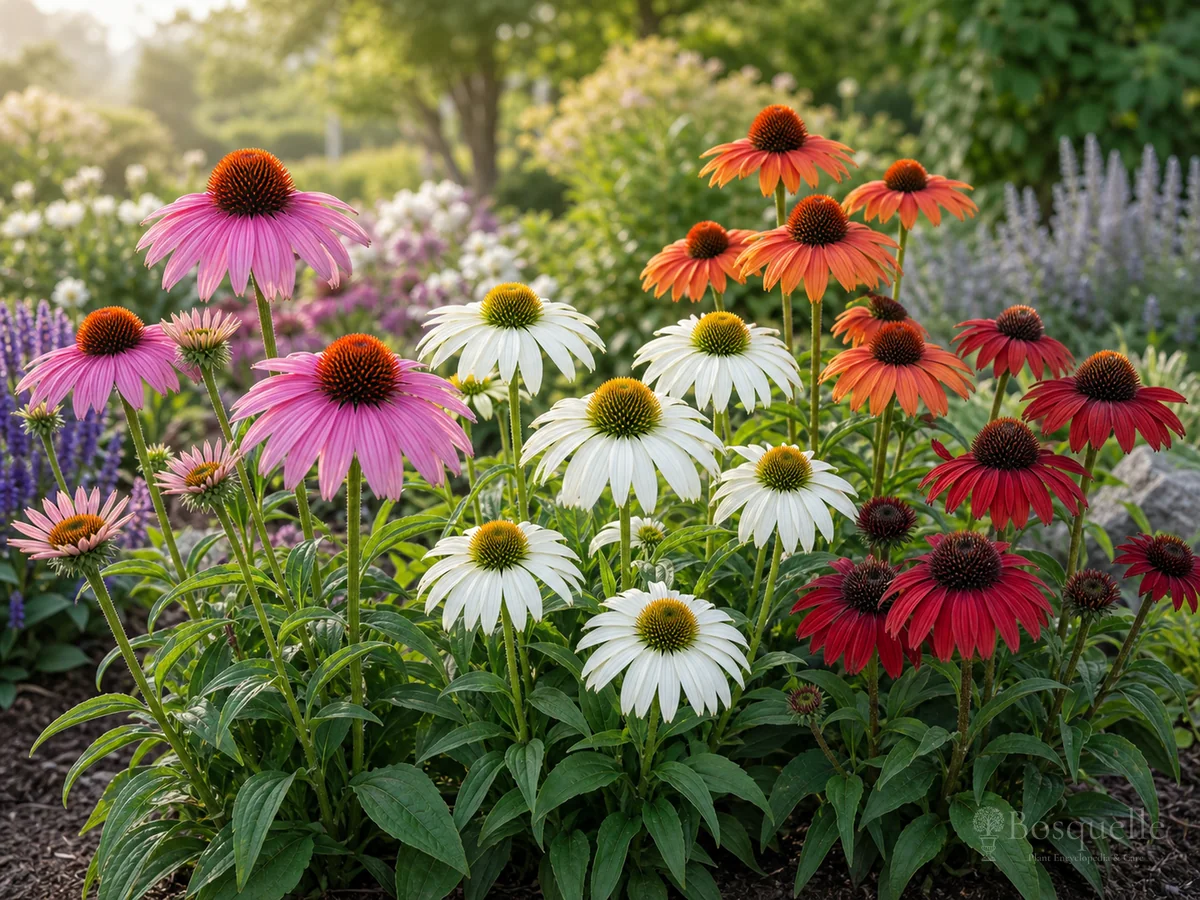
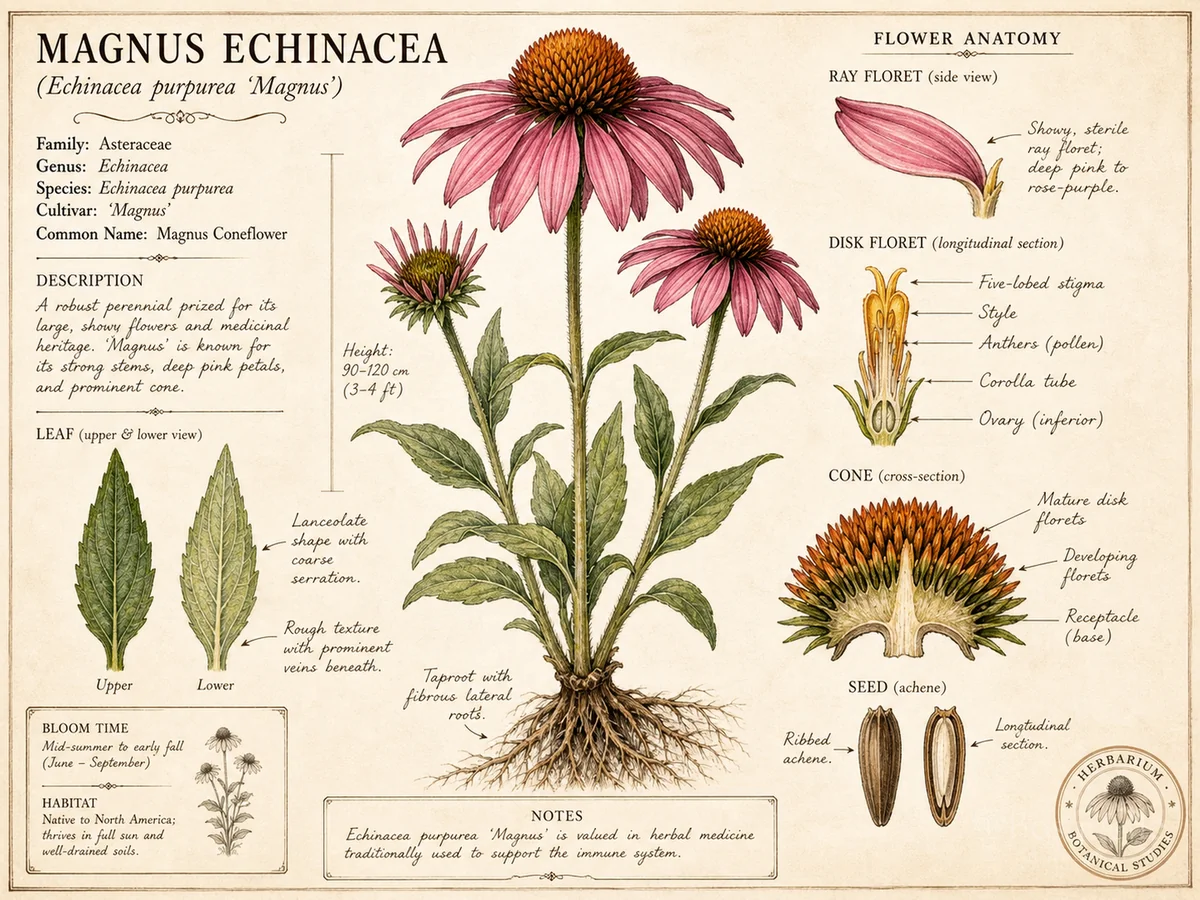
- Magnus and White Swan — open coneflower daisies.
- Moonshine — yarrow flat heads as landing pads.
- Blue Fortune — agastache for long summer nectar.
- Coral Reef — bee balm (Monarda) nectar magnet in moist-leaning sun.
- Walker's Low — catmint mass bloom.
- Moonbeam — threadleaf coreopsis summer dots.
Late forage
- Neon — upright late sedum when summer color fades (How to Grow Sedum).
Honest misses
- Sterile double flowers that look full but offer little accessible pollen/nectar.
- Deep shade with almost no bloom — bees need flowers, not only foliage.
- “Pollinator” marketing stickers without a catalog Bees flag.
- Treating bees, butterflies, and hummingbirds as one interchangeable list.
Browse every bee-tagged plant on plants that attract bees (hub). Keep this page for method and curated roles.
Plan succession, mass open blooms, pick Bees-flagged plants by role, and use the attracts hub when you need the full browse list.
FAQ
Will these plants guarantee more bees?
They improve forage odds. Colony health also depends on landscape context, nesting, weather, and chemical exposure — outside this planting guide.
Are native plants required?
Natives are excellent where they fit your site. This catalog shortlist is garden plants flagged for bees — choose what matches your sun, soil, and hardiness.
What about butterflies?
Related but separate. Read Plants for Butterflies for nectar vs host design; this URL stays focused on bees.
Is this the attracts hub?
No. The hub browses tagged plants. This guide teaches succession and role shortlists with reasons.
Related guides

Recommended plants




Other site-limit shortlists are gathered in Garden Condition Guides.
Updated: Reviewed by Bosquelle Editors