
Aphids are soft-bodied sap feeders — greenfly, blackfly, woolly tufts — that gather on new shoots and flower buds. They distort soft growth and leave sticky honeydew, but on established outdoor plants they are seldom fatal. If you need to know what you are looking at tonight, whether to wait for ladybirds, and which steps actually cut numbers without a chemistry aisle, this is the pest. If you grow roses, also see natural aphid control on roses. Honeydew can lead to sooty mold.
Do this first: confirm pear-shaped clusters (not mite stipple), rinse or rub a small colony, and leave predators on the plant unless a seedling is collapsing.
Clusters, honeydew, and when they actually kill
| Question | Short answer |
|---|---|
| Will they kill the plant? | Rarely outdoors; seedlings and houseplants are the risk |
| First move | Rub or a firm morning rinse — soap later |
| Tell from mites | Honeydew and cast skins vs stipple and silk |
| Sticky black film | Honeydew, then sooty mold — treat the insects |
| Spray interval if needed | Soap every 5–7 days with full underside cover |
Pear-shaped clusters, or mites / whitefly / scale
| Sign | Likely cause | Do this first |
|---|---|---|
| Pear-shaped clusters on tips; white skins | Aphids | Rub or rinse; check ants |
| Fine stipple, dry leaf, silk between petioles | Spider mites | See spider mites — different tools |
| White cloud when you shake the leaf | Whiteflies | Yellow cards monitor; soap on undersides |
| Immobile bumps that do not wipe off | Scale | Crawler timing; alcohol on a few stems |
| Sticky leaf + black soot below the colony | Honeydew then sooty mold | Cut aphids; rinse film; see sooty mold |
Spotting aphids before they explode
- Pear-shaped bodies — green, black, yellow, grey, or pink; some grow wings when crowded.
- Two short tubes (cornicles) on the rear of many species — a useful ID clue.
- Tight clusters on soft tips, buds, and undersides of young leaves.
- Sticky honeydew on leaves below; ants may tend the colony for the sugar.
- White cast skins after moults — easy to mistake for live insects.
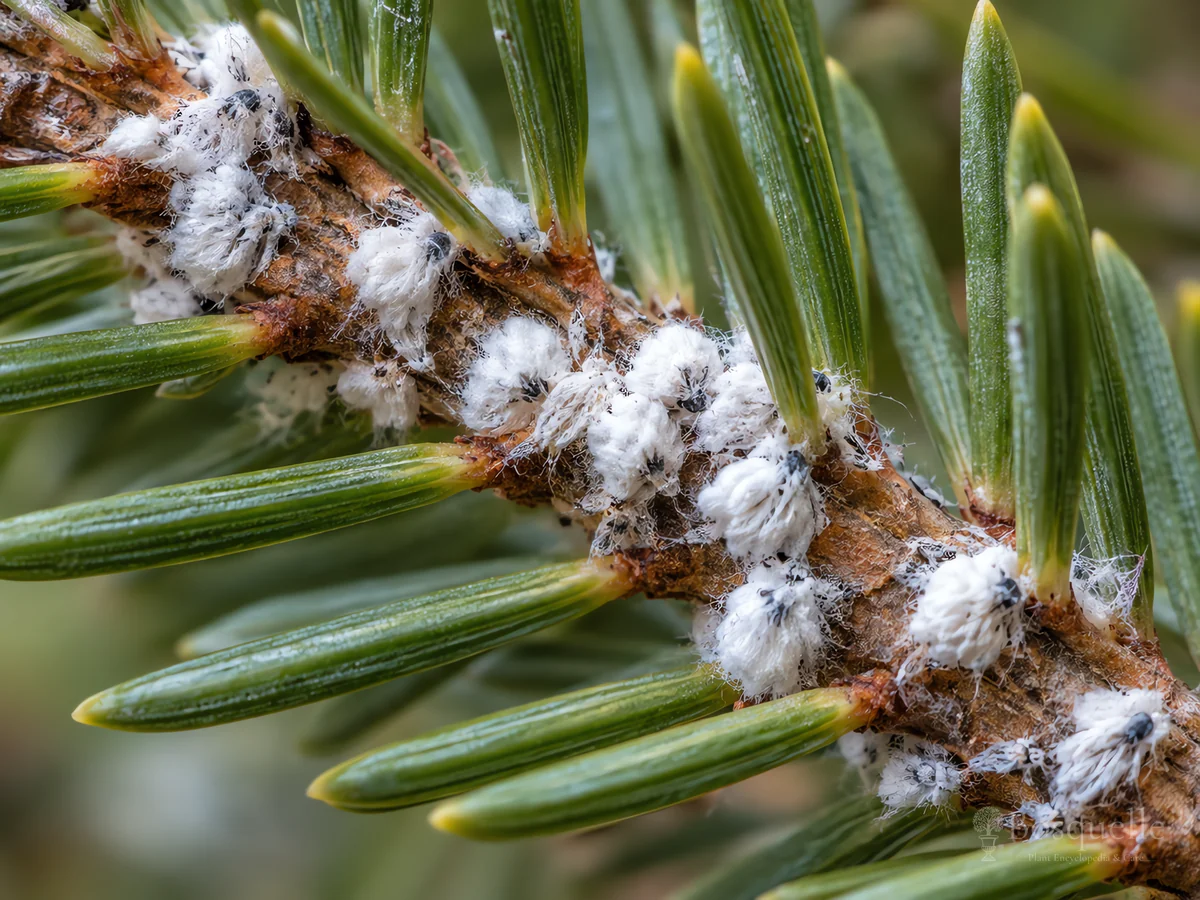
Woolly aphids wrap themselves in wax. That does not change the ladder: physical removal still comes before oil. Winged adults mean the colony is crowded and looking for the next plant — isolate houseplants the same day.
Lookalikes: mites, whitefly, and scale
Spider mites leave a dry, stippled leaf and fine webbing. They are not insects, they hate a rinse for a different reason, and soap-and-water aimed at aphids will not reset a mite outbreak in a hot window. Whiteflies lift in a cloud. Soft scale sits flatter and barely moves when poked. Aphids usually walk their legs when disturbed. If the diagnosis is wrong, the whole week of spraying is wasted.
When to act — and when to wait
On established outdoor plants, aphids rarely kill. Soft tips look ugly for a week or two, then ladybirds, hoverflies, lacewings, and parasitic wasps often catch up — if you have not already killed them with a broad spray. Wait when new leaves keep coming and you see mummies (tan, swollen aphids) or larvae hunting the colony.
Act the same day on seedlings, indoor pots, and plants so coated that tips cannot unfold. Discard a houseplant that cannot push new growth after rinse and soap — one collapsing pot is cheaper than a shelf of honeydew. Rose growers: use the scoped rose guide for companions and watering that overlap black spot.
What damage looks like
- Cupped, twisted, or yellowing young leaves.
- Buds that abort or open deformed.
- Shiny sticky film, then black sooty mold on the leaf below the feeding site.
- Ants commuting up stems — a clue, not the root cause.
Some aphids move plant viruses. That is why a few on a tomato or pepper seedling deserve a faster hand than the same number on a mature shrub. Virus cannot be rinsed off; prevention is the only honest aftercare.
Houseplants: isolate, rinse, or bin
Indoor aphids have no weather and few predators. Move the pot away from the cluster. Rinse in a sink, supporting soil with your hand. Repeat in three days — missed nymphs are the rule. A cotton bud with a little isopropyl can clear a stubborn joint; rinse afterwards so residue does not sit in the crown. Do not “share” the shower with ferns that hate hard spray. If honeydew has already sooted the furniture, wipe the stand as well as the leaf.
Why colonies surge in spring
Many aphids overwinter as eggs on woody plants, then multiply quickly in warm weather without needing to mate. Soft, overfed growth and drought-stressed plants invite outbreaks. Crowded beds hide the first colonies on the undersides.
| Factor | What it means |
|---|---|
| Soft flush growth | Favourite feeding tissue |
| Ants present | Often protect aphids for honeydew |
| Flowers for beneficials | Helps predators catch up without sprays |
| High nitrogen feed | More aphid salad, faster return |
Honeydew, ants, and the black film
Honeydew is not a disease. It is waste. It drips onto the leaf below the feeding site, so the sticky leaf is often innocent — look up. Ants harvest it and will fight off the very predators you are waiting for. A stem barrier can slow farming on a rose or citrus in a pot; in a mixed border it is theatre. Once a black film appears, you are looking at sooty mold growing on sugar, not a leaf infection. Wash what you can after the insects drop. Wash-versus-wait lives on sooty mold; here the job is stopping the drip.
If ants and aphids return every spring on the same shoot, that shoot is your calendar: check it at bud-break before the rest of the garden looks “fine.”
Predators are a job, not a decoration
Hoverfly larvae, lacewing larvae, ladybirds, and tiny parasitic wasps do the quiet work. You will miss them if you only look for adult ladybirds. Tan, puffed aphids are mummies — leave them. Buying a cup of ladybirds after a pyrethroid weekend is how gardens stay on a spray treadmill. Plant small open flowers, skip the clean-up of every last aphid, and accept a few on a tough shrub as food. Predators will not save a seedling in a window with no insects but aphids; that is a rinse job.
Steps that actually reduce aphids
- Check early: inspect soft tips from bud-break twice a week while the flush is tender.
- Rub or rinse: squash between finger and thumb, or use a firm morning water jet when leaves are not already disease-stressed. Aphids are poor at climbing back. Repeat in two to three days.
- Prune only the worst tips into the trash, not the open compost, when a bud is a solid mass.
- Feed moderately: constant soft, nitrogen-pushed growth is aphid food.
- Keep predators: open flowers such as yarrow, catmint, and salvia support hoverflies. Buying a bag of ladybirds is theatre if you then spray.
- Soap second: labelled insecticidal soap or a weak castile mix, undersides coated, in morning or evening. Repeat every five to seven days while live colonies remain. Fail if leaves speckle — rinse and stop.
- Oil last: neem or horticultural oil follows the label, never in hot sun, never on open blooms bees are using. Coverage matters more than brand. Skip the brand aisle; a local label is the rule.
Rose growers: see natural aphid control on roses for rose-specific watering and companion tips. Black film under honeydew: sooty mold.
What soap and oil will not do
Contact sprays kill the aphids they wet. They do not protect new leaves that open tomorrow, they do not reach a woolly colony in a bark crevice, and they do not undo a virus already in the sap. If you miss the undersides, you have watered the problem. If you spray at noon on a hot day, you may burn more leaf than aphid. If you spray every morning “to be sure,” you will chase predators off and still see rebound by Friday. Interval (five to seven days) is the honest rhythm because that is how nymphs hide in the folds you did not coat.
Essential-oil kitchen mixes and banana peels belong in the folklore pile. If a method cannot wet the insect or change the plant’s softness, it is not a step on this ladder.
After the colony drops
Rinse remaining honeydew so sooty mold has less to eat. Keep checking the next flush — eggs and missed nymphs restart the story. If you sprayed, give beneficials a reason to return: stop the soap once you are down to scattered aphids, and let a few stay as predator food. Next spring, start tip-checks at bud-break rather than waiting for sticky benches.
Related reading
- Sooty mold — black film that grows on honeydew.
- Mosaic viruses — mottled leaves an aphid can move in a minute; soap will not rewind them.
- Spider mites — stipple and silk, not honeydew.
- Natural aphid control on roses — rose-focused steps when soft tips and black spot risk overlap.
FAQ
Do aphids kill plants?
Rarely on established outdoor shrubs. They distort soft tips and leave honeydew. Seedlings, newly planted stock, and indoor plants with nowhere for predators to land are the ones that collapse. If new growth still comes after a week of rinse-and-rub, wait.
Are these spider mites or aphids?
Aphids are pear-shaped, often clustered, and leave sticky honeydew and white cast skins. Spider mites are specks that cause fine stipple and silk; they do not farm ants or drip honeydew. If you see webbing, see spider mites instead of spraying for aphids.
Should I spray at the first greenfly?
Usually not. Rub or rinse first and give hoverflies and ladybirds a chance. Broad sprays on open blooms often remove the insects that would finish the colony. Soap is a later step, not a first reflex.
What is the sticky film under the colonies?
Honeydew — sugary waste. It can grow black sooty mold, which sits on the surface rather than infecting the leaf. Reduce the aphids, then rinse the film. See sooty mold if the black coat remains.
Are ants causing the aphids?
Ants often protect aphids for honeydew. Reducing aphids helps more than blaming ants alone. Sticky barriers on stems can slow farming on a few woody plants; they will not replace checking tips.
Will dish soap in water work?
Use a true insecticidal soap or a plain castile soap at a weak mix. Detergents, degreasers, and moisturisers burn leaves. Coat undersides. Repeat every five to seven days while colonies persist, not as a daily drench. Stop if foliage specks or wilts.
How do I treat aphids on a houseplant?
Isolate the pot. Rinse foliage in a sink or shower, supporting the root ball. Swab leftover clusters with a little isopropyl on a cotton bud, then rinse. Bag and bin a plant that cannot make new growth. Do not move it back onto a crowded shelf the same day.
Are sprays safe around pets, kids, and bees?
Prefer rub and rinse. If you use a labelled soap or oil, keep people and pets off wet foliage until dry, and never spray flowers bees are working. Skip the brand aisle; a local label is the rule.
Will they come back next spring?
Many species overwinter as eggs on woody plants and explode on the first soft flush. Early tip-checks at bud-break matter more than a late summer spray. Moderate nitrogen so you are not growing aphid salad.
I grow roses — is this the same as the rose guide?
Start here for general identity and control. Rose watering, companions, and black-spot overlap live on the scoped guide for natural aphid control on roses. Use both; do not copy rose steps onto tomatoes.
Soft growth is aphid salad — nitrogen without the sermon
Aphids track tender tissue. A weekly soluble feed that keeps roses and tomatoes in a permanent flush is how a small colony becomes a dripping hedge by Thursday. Cut the nitrogen once you see clustered tips; keep water steady so the plant is not both soft and drought-stressed. Pruning that throws a second flush in high summer invites a second flight of winged adults. That is not a reason to stop deadheading roses — it is a reason to check those new tips twice a week instead of once a month.
Woolly colonies in bark crevices will laugh at a hose. Dab, then oil on a cool evening per the label, never as a noon mist. If you cannot wet the insect, you have not treated it. Kitchen garlic tea and banana peels belong in the folklore pile: they do not change softness or wet the colony.
When the colony is a virus risk
On a woody shrub, virus talk is usually overstated. On peppers, tomatoes, and young cucurbits, a few aphids can move viruses that no rinse will undo. That is the honest reason to act faster on seedlings than on a mature viburnum. Isolate a houseplant the day you see winged adults — they are already looking for the next pot. A collapsing indoor plant that cannot push new growth after two rinses and one soap pass is cheaper in the bin than as a honeydew fountain on a crowded shelf.
Host plants
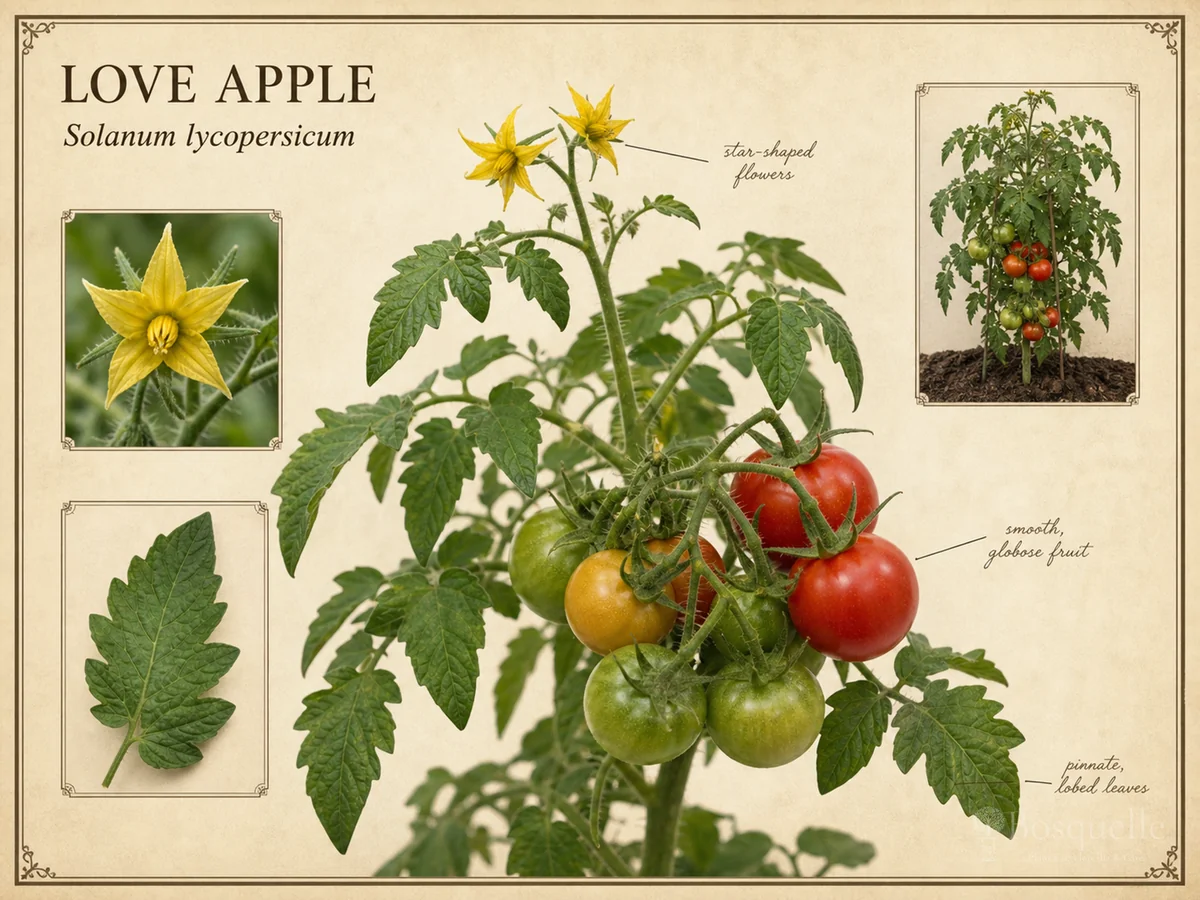
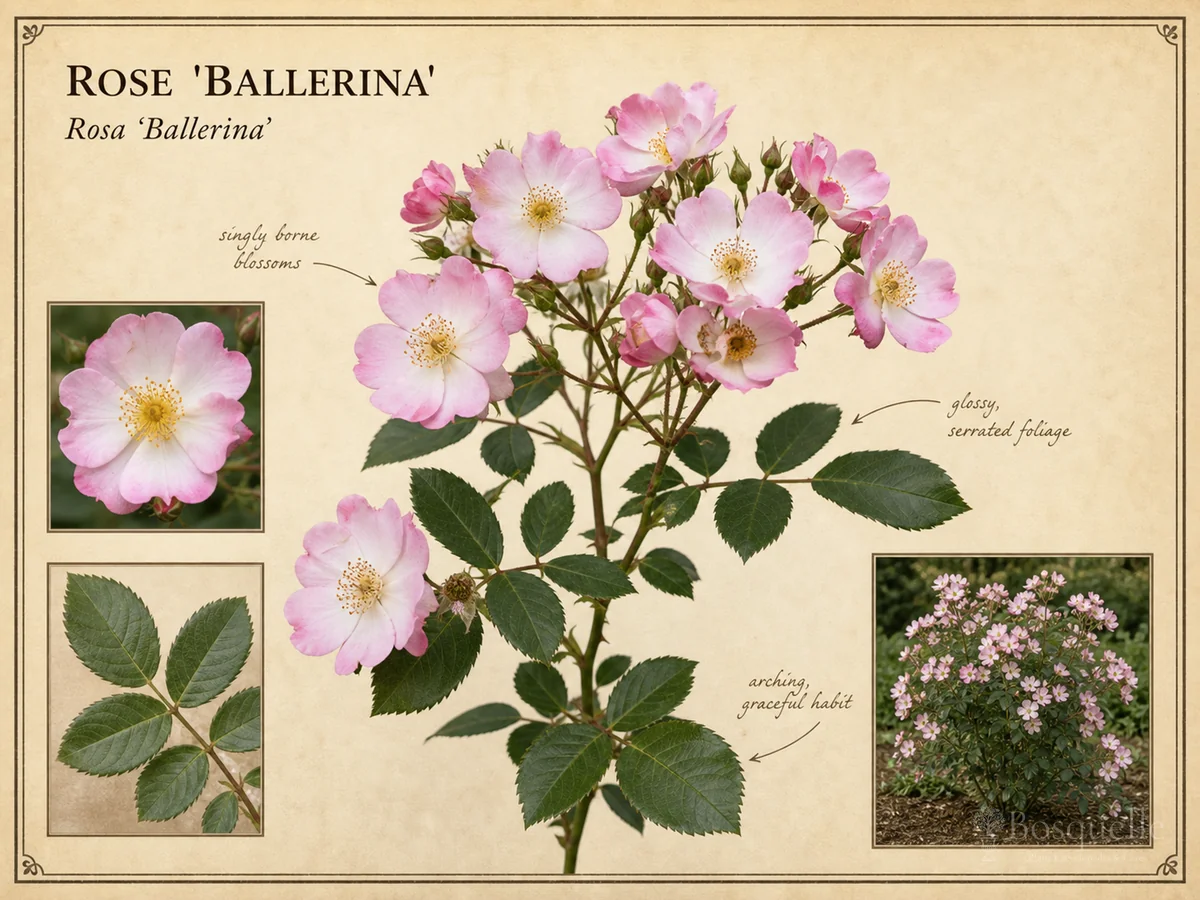
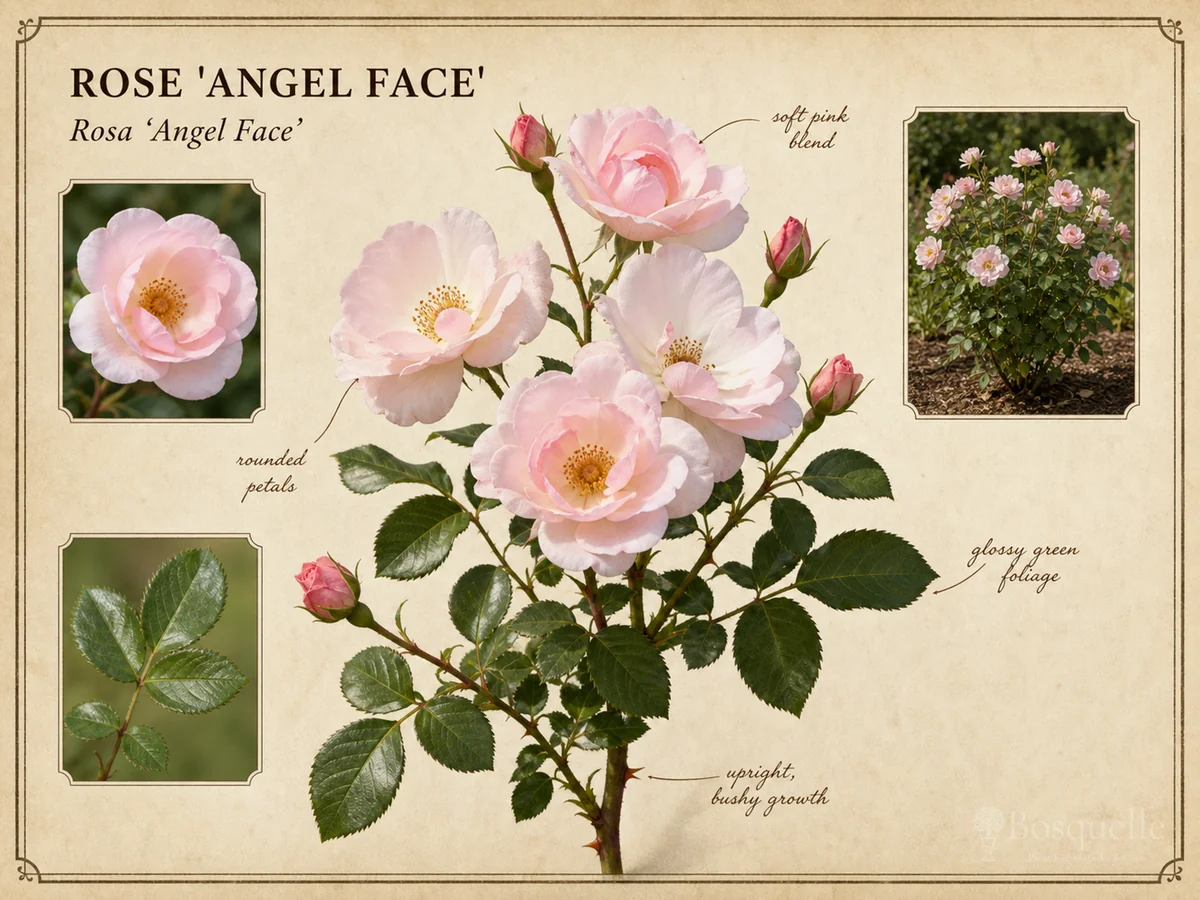
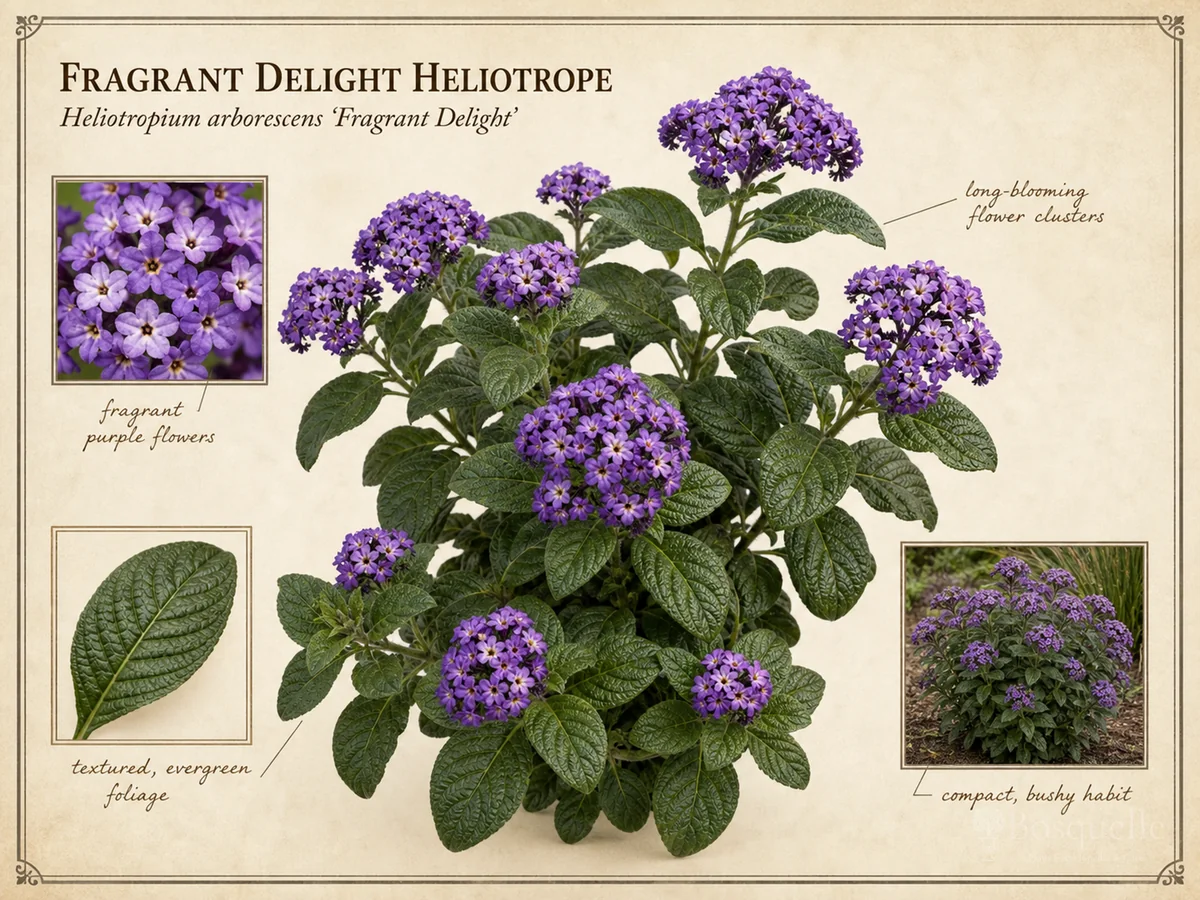
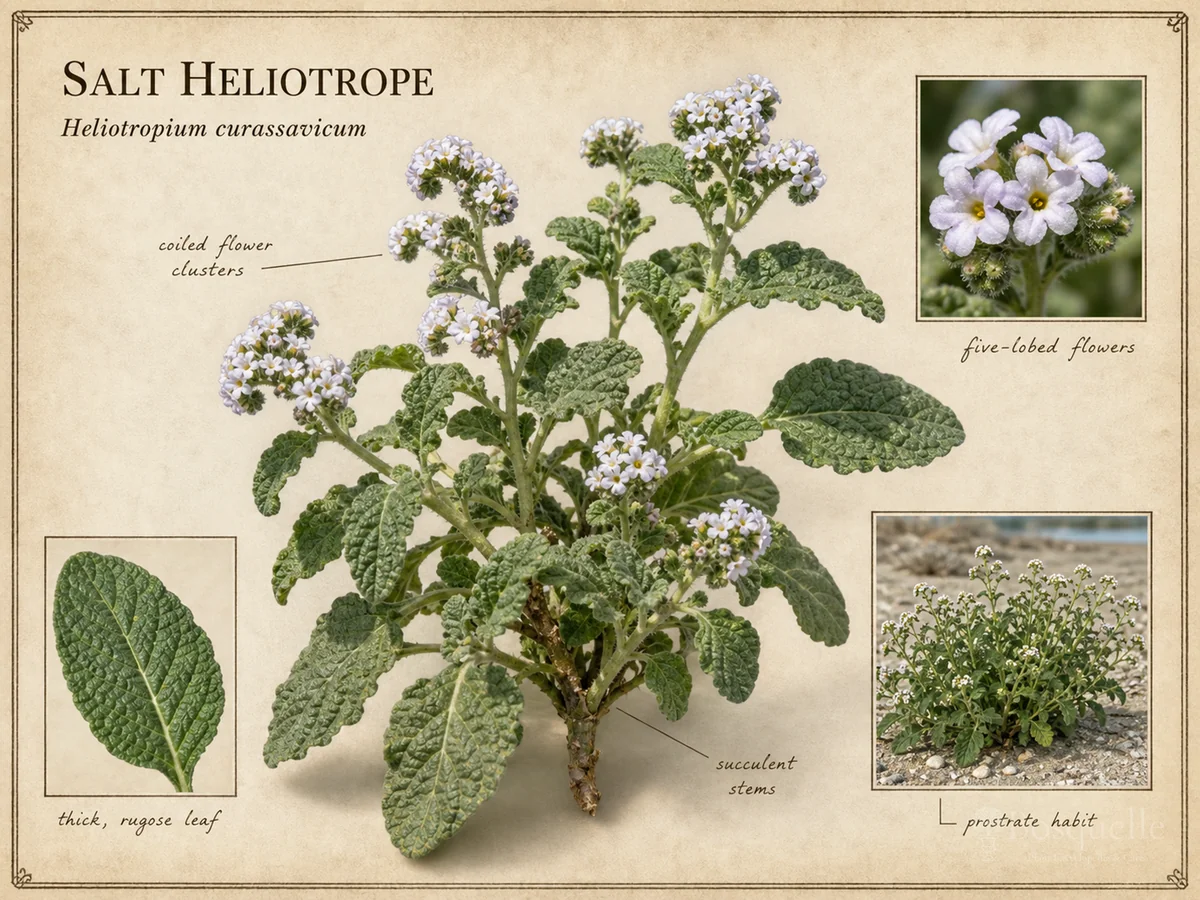
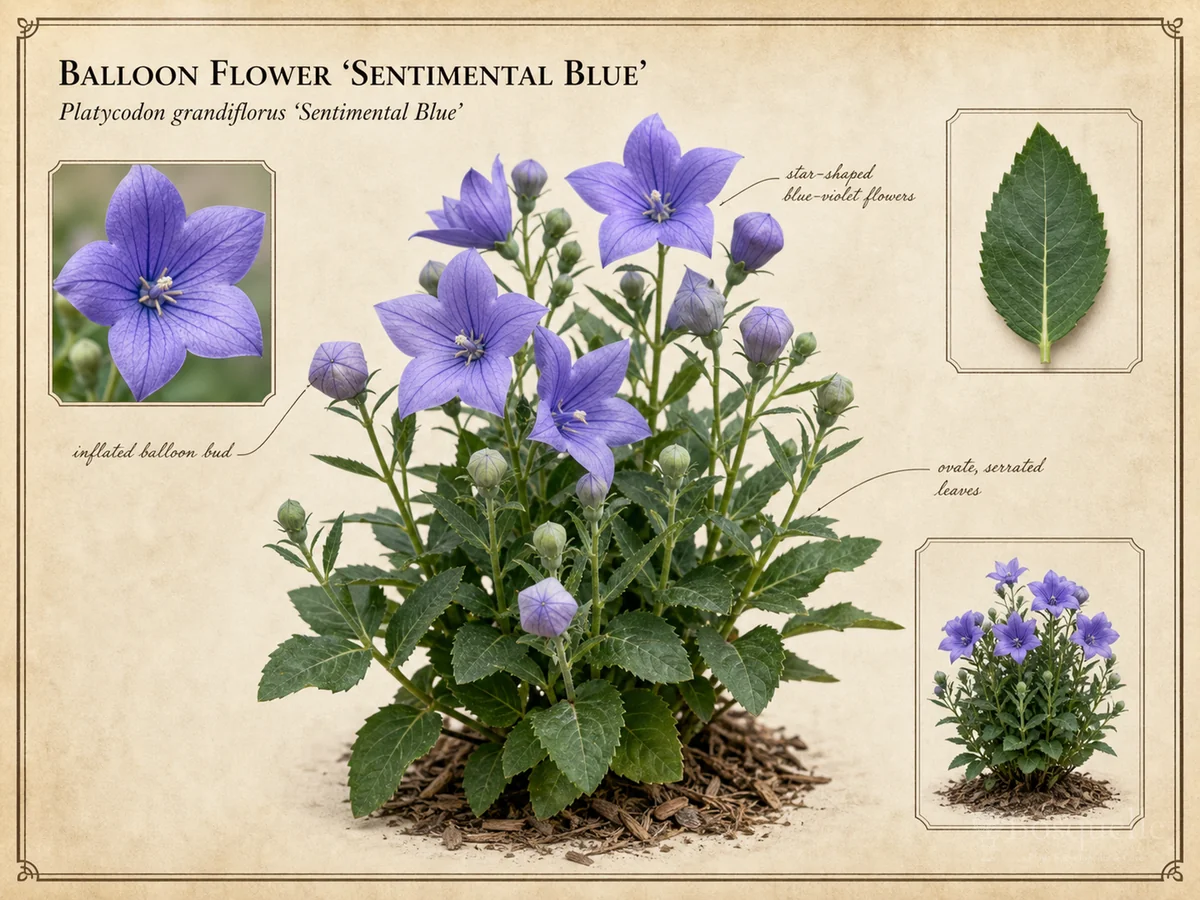
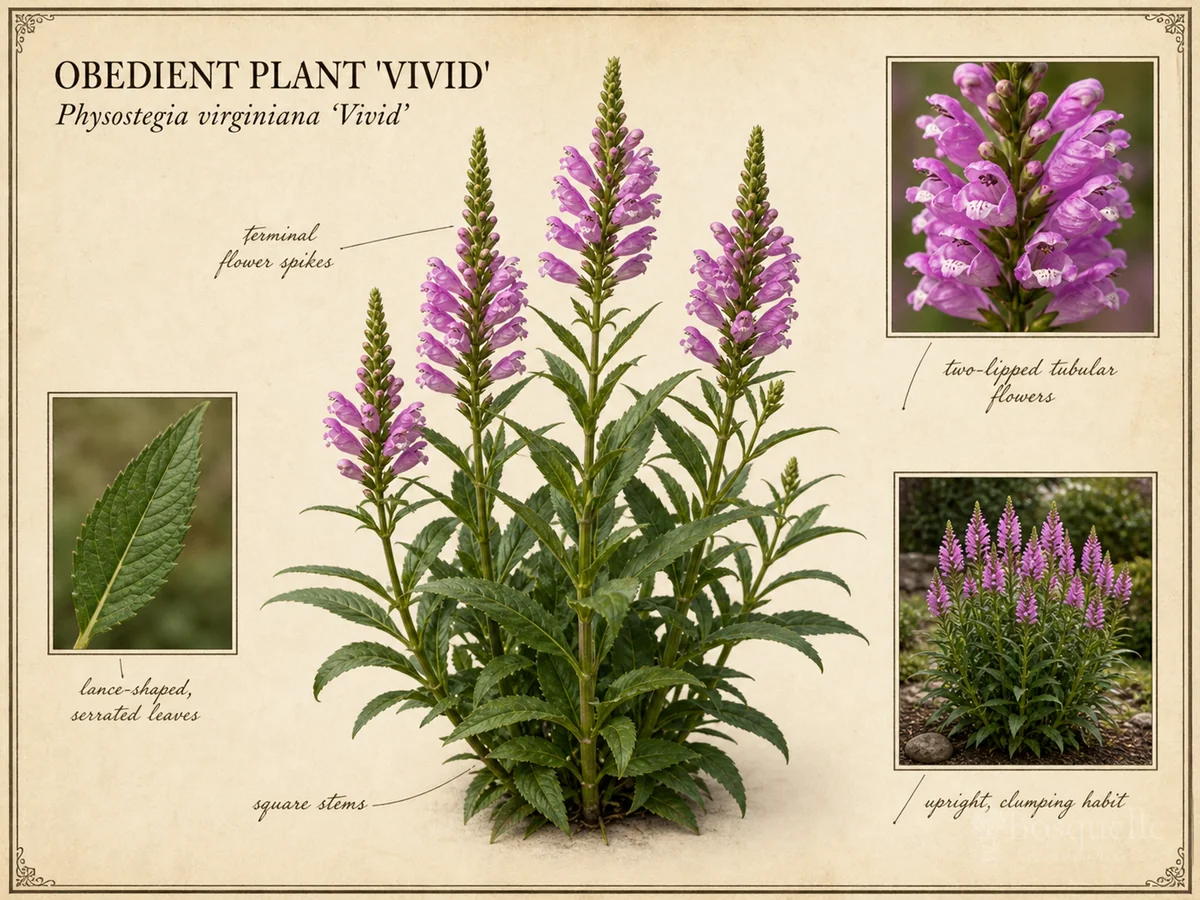
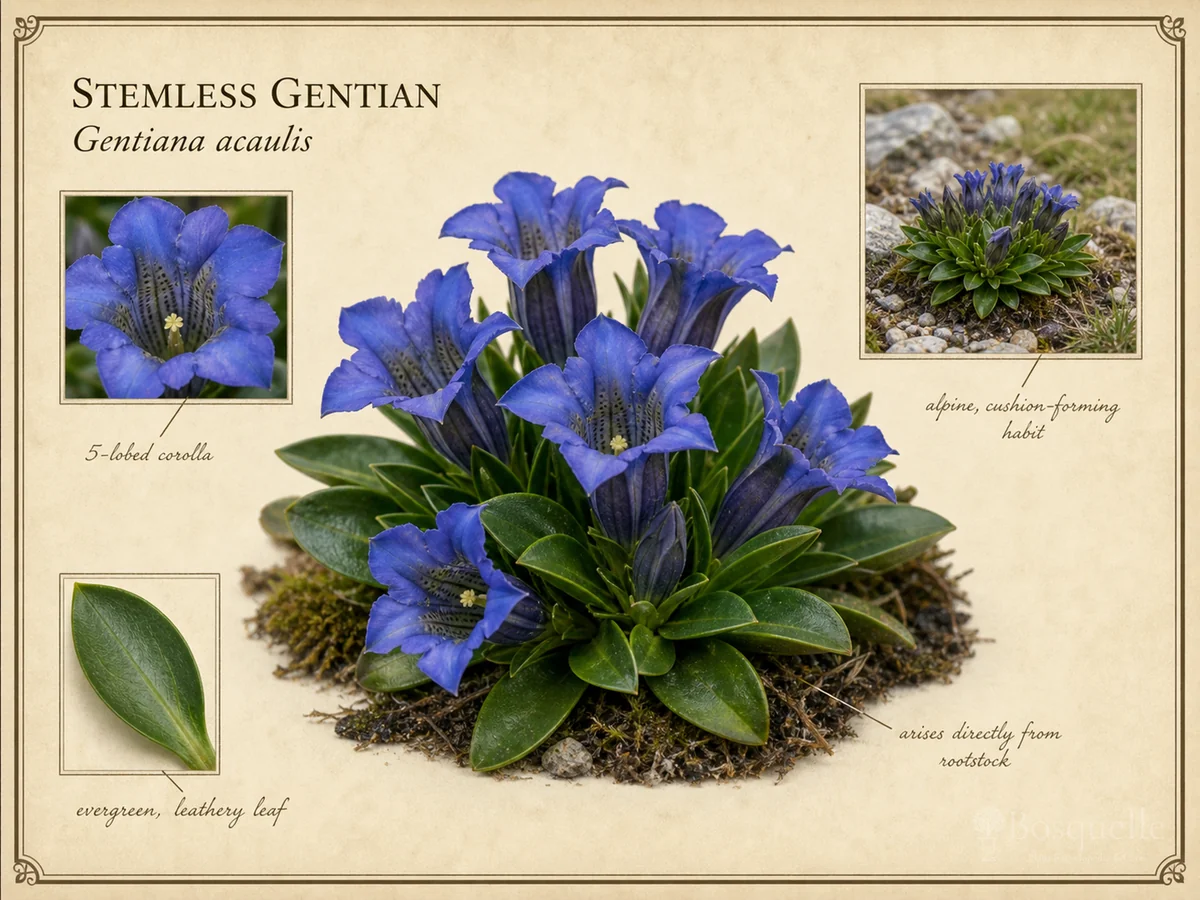
A few garden examples where soft new growth invites early colonies.






Related pests



Related diseases




Updated: Reviewed by Bosquelle Editors