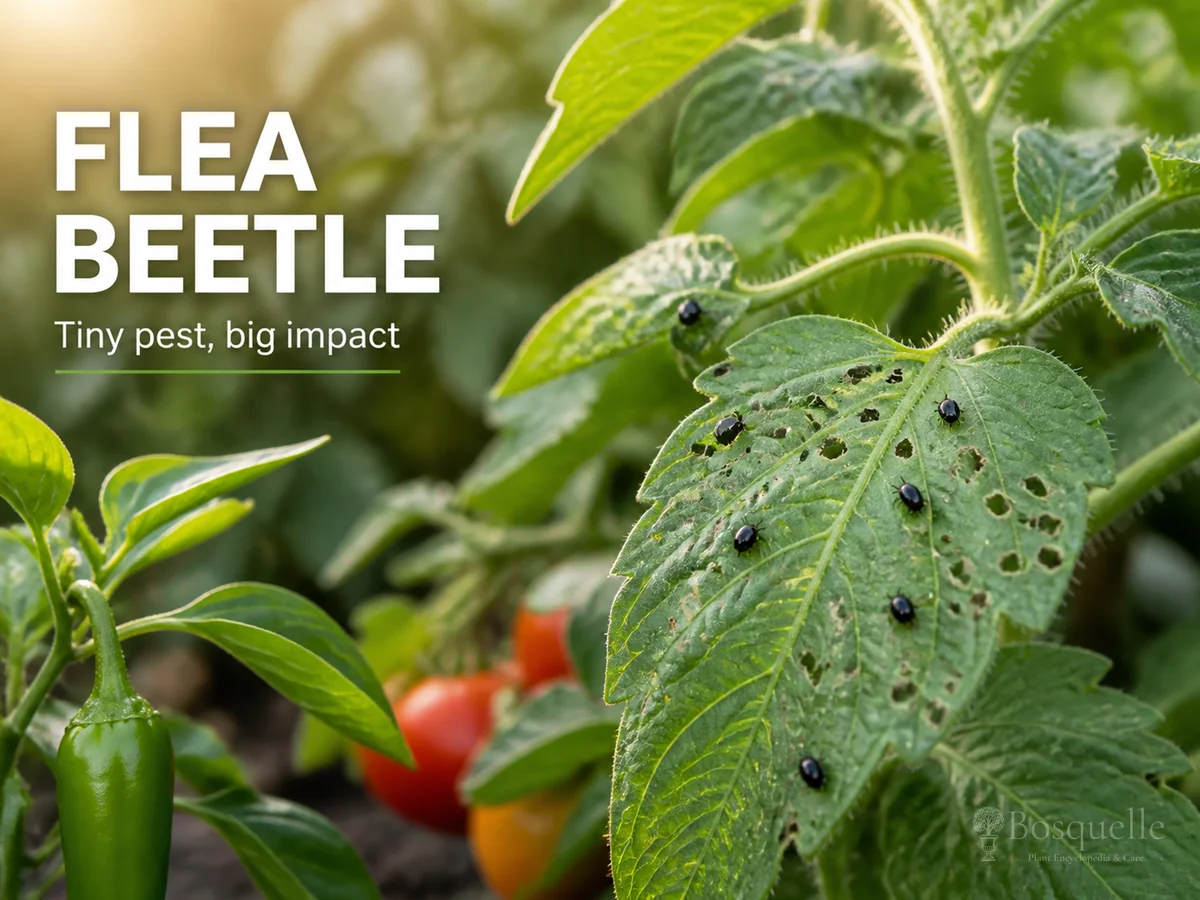
Flea beetles are tiny, shiny leaf beetles that jump like fleas when you brush a leaf. They chew round shot-holes in soft foliage until seedlings look peppered. Eggplant, brassicas, and nightshades take the first hit in warm, dry spells. They are not pet fleas. If you need to tell a hop from a bigger chewer, cover a transplant before they find it, and know when a tough tomato can wait.
Do this first: brush the leaf — if tiny beetles hop, cover seedlings and eggplant now, sealed at the soil line. Once four true leaves are on and growth is hard, wait on tomato, not on lace eggplant.
Jumping beetles, bigger chewers, or a flea on the dog
| What you see | Likely | Do this first |
|---|---|---|
| Tiny dark jumper, round shot-holes, seedlings peppered | Flea beetle | Cover or scout twice a week |
| Stipple, no holes, a tiny jumper on soft veg | Garden fleahopper | Different pest — sap, not chew |
| Large metallic beetle skeletonising roses or grapes | Japanese beetle | See Japanese beetles; traps are a different job |
| Fat green caterpillar stripping tomato overnight | Tomato hornworm | Follow droppings, not shot-holes |
| Jumper on a pet, itchy bites, no leaf holes | Flea — not this insect | Not this pest — this is a plant pest |
The name is the hop, not the blood meal. If the damage is round shot-holes and the insect springs off the leaf, stay here. Japanese beetles chew bigger. Hornworms strip a canopy. Fleahoppers stipple.
Peppered leaves and a hop off the leaf
Adults are about one-sixteenth to one-eighth inch, oval, often dark and shiny, sometimes striped. Enlarged hind legs throw them off the leaf when you touch it. Look at the damage first — they vanish. Round shot-holes pepper the thinnest leaves; new growth can look lacy. They are busiest on calm, warm, sunny days once air is about fifty degrees. A burst of jumping specks among the foliage is the tell, not a slow colony on the stem.
Four true leaves is the fork — eggplant excepted
On tomato and potato, once about four true leaves are on and the plant is growing hard, light shot-hole is usually cosmetic. Full-size plants rarely need a whole-garden treatment. Seedlings and new transplants can stall or die in a hot, dry week. Scout uncovered starts twice a week. Do not spray a tough tomato for a handful of holes. Eggplant does not get this pass — it stays lace.
Eggplant turns to lace while tomato outgrows
Eggplant establishes slowly. The same tiny beetles that a tomato outgrows can chew an eggplant transplant to a fine mesh with little chance of recovery, and fruit size drops later. Cover eggplant from the hour it goes in, fabric on hoops so it does not rest on the leaves, until flowers need pollinators. A plant already riddled will still fruit, just less. Tomato seedlings may share the cover if last year’s nightshades sat in the same soil; they do not keep it all season by default.
On at transplant — sealed, or they hop in from the soil
Floating row cover works when it beats the beetles: on at seeding or transplant, edges sealed at the soil line, no tears. Put it on a week after the first holes and you have trapped them on the crop. If last year’s brassicas or nightshades grew in that bed, adults can crawl up under the fabric; rotate when you can. Vent heat. Pull covers at flower. Fail if torn fabric draped late is your whole plan.
Two flushes from leaf litter
| Stage | What it means |
|---|---|
| Adults in debris | Overwinter; move at about 50°F onto weeds then crops |
| Eggs at the stem | Laid in soil; hatch in about 7–14 days |
| Larvae, 2–3 weeks | Mostly roots; rarely the injury you see, except scarred tubers |
| Summer adults | A second flush mid-summer after pupae in the soil |
There are many species — crucifer, potato, eggplant — and they all hop and shot-hole. The hop and the holes are the same job on each. Clear debris after harvest so next spring starts quieter. Do not skip the cover this year and wait for a fall tidy to finish this week’s seedlings.
Yellow cards count jumps — they don’t save a cotyledon
A yellow or white card shows that adults are moving. It does not replace fabric on eggplant or a twice-weekly look at uncovered starts. Cards also catch insects you wanted. Use them as a count, then cover or wait by the four-true-leaf fork. Fail if a busy card is the whole control plan.
Steps that actually reduce flea beetles
- Cover at transplant: seedlings and eggplant, sealed at the soil line, hoops on eggplant, before beetles find the bed.
- Set out sturdy starts rather than thread-thin seedlings when pressure is high.
- Keep soil evenly moist and scout twice a week if the bed is uncovered.
- Wait once four true leaves are on a hard-growing tomato; keep eggplant covered until flower.
- Rotate and tidy debris so the next flush is not waiting under last year’s hosts.
- Products last: if covers fail on a stalling seedling, follow a local label — skip the brand aisle. Fail if the first holes send you to a whole-garden spray.
Related reading
- Tomato hornworm — large caterpillars on the same nightshade crops, a different problem.
- Japanese beetle — larger skeletonisers on roses and grapes, not tiny jumpers.
- Garden fleahopper — hops, but sucks sap and leaves stipple, not chew holes.
- Alternaria leaf spot — target rings on kale; beetles can move those spores.
FAQ
How do I get rid of flea beetles naturally?
Cover seedlings and eggplant at transplant, sealed at the soil line, on hoops so fabric is not a blanket. Transplant sturdy starts. Keep soil evenly moist. Scout twice a week if the bed is uncovered. A spray is last. Do not drape torn fabric a week after the leaves are already lace.
Are flea beetles the same as fleas?
No. The name is only the jump. These are leaf beetles that chew plants. Pet fleas feed on blood. An exterminator search is the wrong page. If the insect is on a dog, this is not the pest.
Do flea beetles bite people or pets?
No. They chew leaves, not skin. Jumpers on a windowsill usually hitchhiked from the garden and starve indoors. They are not a house infestation.
Will established tomatoes survive flea beetles?
Usually yes once about four true leaves are on and growth is hard. Light shot-hole is cosmetic. Eggplant is the exception — it stays lace. Do not spray a tough tomato for a few holes.
Why is eggplant worse than tomato?
Eggplant establishes slowly and can be chewed to a fine lace with little recovery. Tomato and potato often outpace the same beetles. Cover eggplant from transplant until flower.
Do row covers work for flea beetles?
Yes if they go on at seeding or transplant — before beetles find the bed — and stay sealed at the soil line with no tears. On eggplant, hold fabric on hoops. Pull the cover when flowers need pollinators.
When do I take the cover off?
When plants start to flower, or when they have toughened past the seedling stage on a crop that does not need the cover. Vent on hot days. Do not leave a sealed tunnel on open blooms.
Why are beetles already under my row cover?
They may have overwintered in that soil after last year’s host crop and crawled up inside. Seal edges, patch tears, and rotate covers onto beds that followed a non-host when you can.
Do covers trap heat?
They can. Vent on hot days. Hoops keep fabric off eggplant leaves so the canopy does not cook or get chewed through the mesh.
Should I cover tomatoes too?
Cover tomato seedlings if pressure is high or the bed is the same nightshade row as last year. Once four true leaves are on, tomato often outgrows holes. Eggplant keeps the cover until flower.
Do yellow sticky cards get rid of flea beetles?
They count jumps. They do not save a cotyledon. Hang a card to see if adults are moving; still cover eggplant and young starts. Fail if a busy card replaces the fabric.
Why do they jump?
Enlarged hind legs let them spring away when you brush the leaf — that is the name, not a pet-flea life. Look at shot-holes first; the beetles vanish.
Do the larvae ruin roots?
Most species feed on roots for two to three weeks and rarely decide the crop. Sweet-potato skins can scar. The leaf shot-hole on seedlings is the job you see.
Can they live in the house?
They do not breed in rooms. A jumper on a sill is accidental and starves. This is not a houseplant isolate job. Open the garden bed, not the sofa.
Are they the same as garden fleahoppers?
No. Flea beetles chew round shot-holes. Fleahoppers suck sap and leave stipple. If the leaf is peppered with holes and something hops, stay here.
Do I need an exterminator for flea beetles?
No. That search is pet fleas. These beetles live on plants. Cover, scout, and wait on tough tomatoes. Skip the brand aisle; this is not an indoor flea plan.
Should I spray at the first holes?
Not on a tough tomato. Cover seedlings and eggplant first. Scout twice a week if uncovered. Products are last, on a label for this pest. Fail if the first holes send you to a whole-garden spray.
Host plants
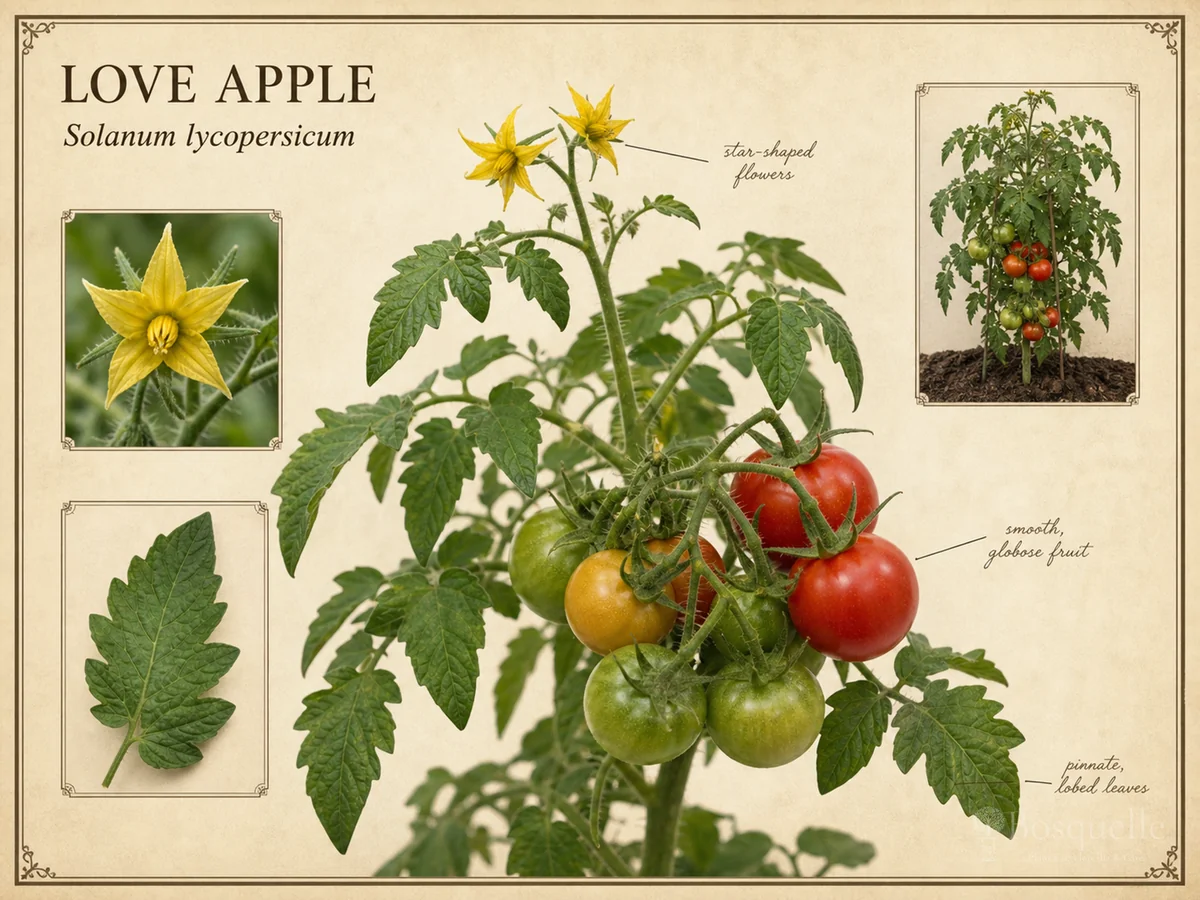
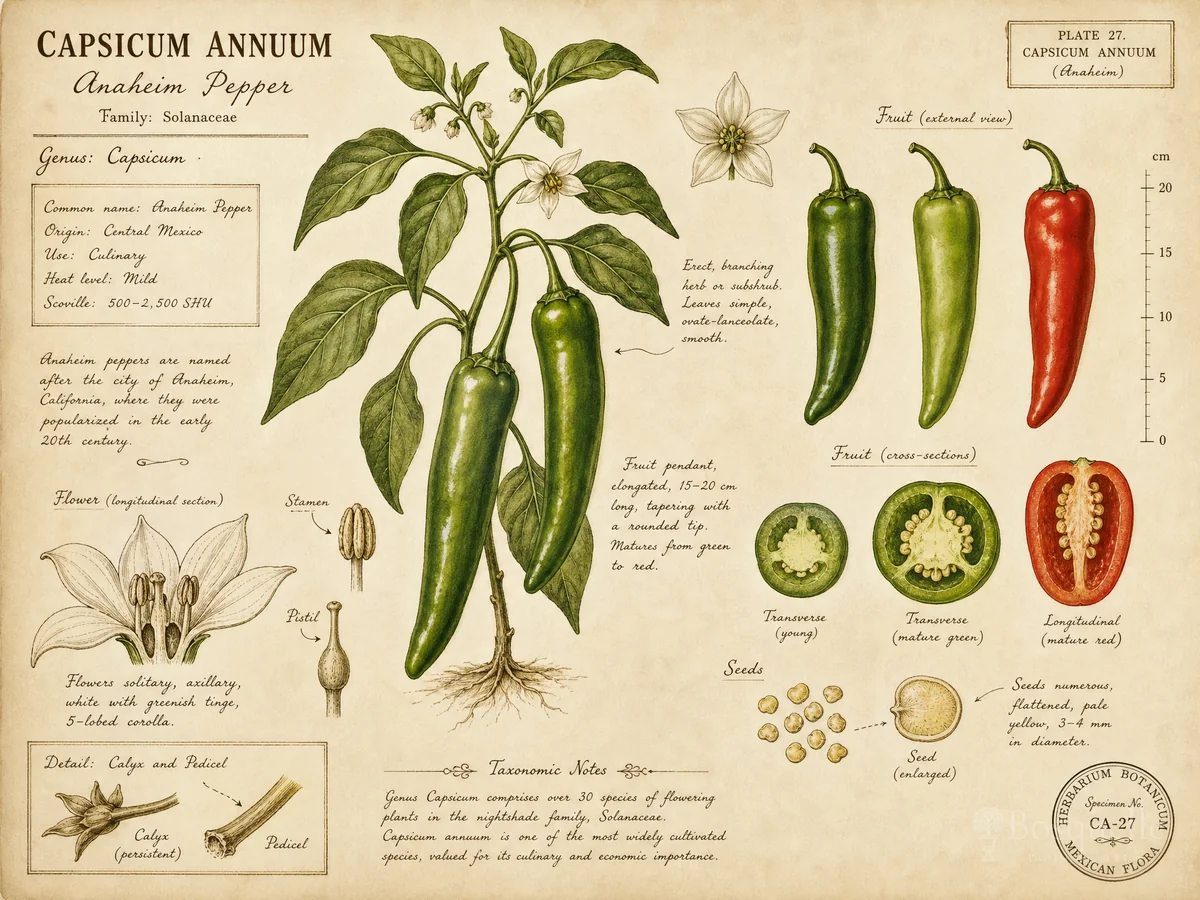
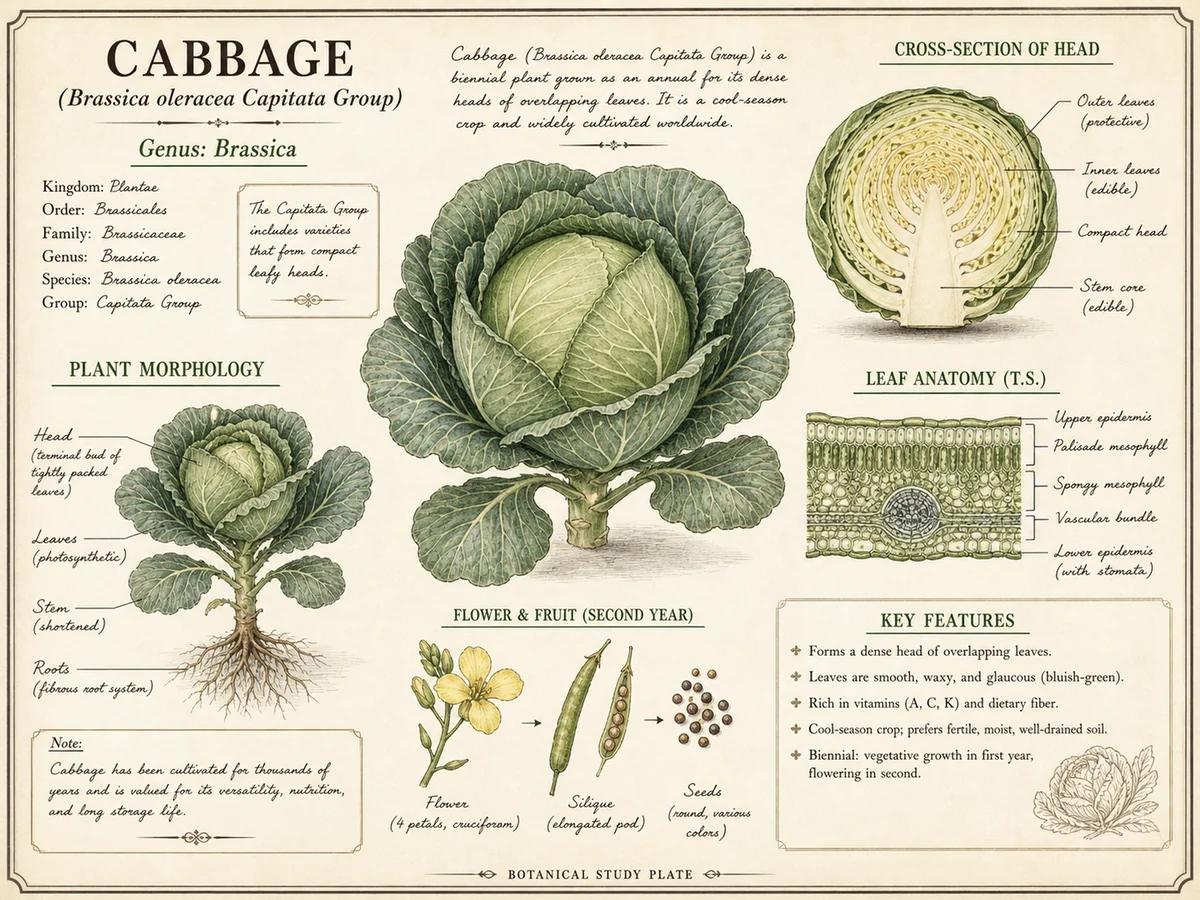
A few garden examples where soft new growth invites early colonies.


Related pests



Related diseases




Updated: Reviewed by Bosquelle Editors