
Slugs are soft-bodied molluscs that feed mainly at night and in wet weather. They chew irregular holes in soft foliage and can erase seedlings in a few nights. Snails cause similar damage with a shell; the overnight habits and controls overlap. Start here for slug identity and practical reduction — skip the brand aisle on baits and pellets.
Overnight holes and silver trails
- Irregular holes in soft leaves; seedlings clipped to stubs.
- Silvery slime trails on leaves, mulch, and pots.
- Bodies under pots, boards, and thick mulch by day.
- Most feeding after dusk or in rain — empty beds at noon can still be hit at night.
Caterpillars leave different frass and often feed by day. Earwigs nibble edges but rarely leave long silver trails.
What slugs take first
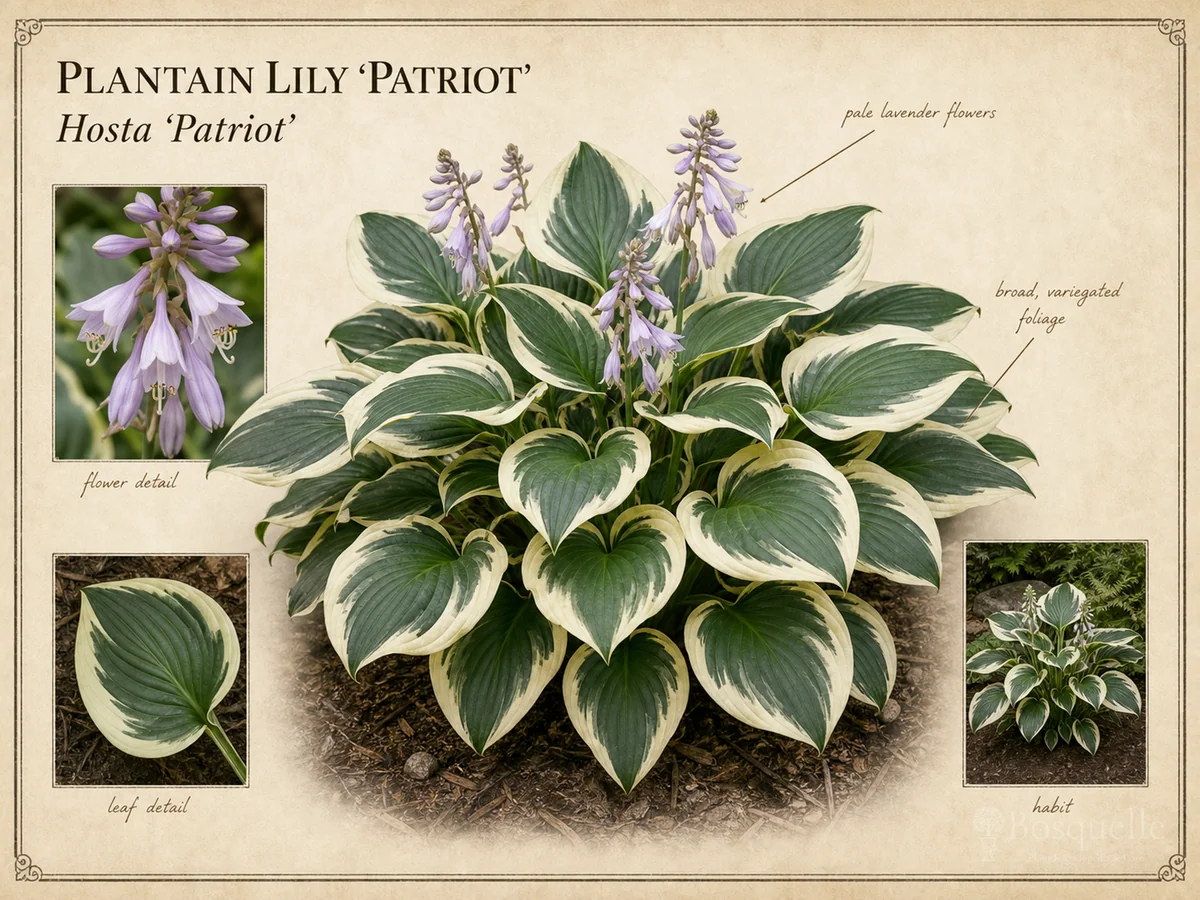
- Seedlings and soft new leaves — hostas, lettuce, and young vegetables are favourites.
- Low fruit and flower petals resting on damp soil.
- Repeated grazing that stalls young plants before they establish.
Beer and copper — what they won’t fix
Beer traps can drown some slugs within a few feet, but they are not a whole-bed cure and can pull more into the area if you rely on them alone. Copper bands may help on pots when continuous and slug-free inside; evidence for tape alone in open beds is mixed. Coffee grounds are a weak barrier at best. Night patrol, morning water, and tidy hideouts still do the heavy lifting.
Damp hideouts keep them fed
| Factor | What it means |
|---|---|
| Thick wet mulch | Daytime shelter next to soft crops |
| Boards and pots on soil | Easy traps — and easy hotels if ignored |
| Evening watering | Leaves stay wet into slug hours |
| Weedy edges | Refuge between raids on the bed |
Steps that actually reduce slugs
- Patrol at dusk after rain: hand-pick into soapy water while they feed.
- Tidy hideouts: lift boards, thin wet mulch away from stems, clear weedy edges.
- Water in the morning so surfaces dry before night feeding.
- Protect seedlings: collars, copper bands, or temporary covers until plants toughen.
- Beer traps or iron-phosphate baits if pressure stays high — follow labels; skip the brand aisle; a local label is the rule.
- Accept some grazing on tough established plants while you focus on seedlings and prize foliage.
FAQ
Are slugs and snails the same problem?
Damage and habits overlap. Snails carry a shell; slugs do not. Night patrol, hideout tidy, and seedling protection help both.
Do coffee grounds stop slugs?
Results are mixed. Treat them as a minor barrier at best, not a replacement for patrol and tidy culture.
Will ducks or beetles fix the bed alone?
Wildlife helps in some gardens, but seedlings still need direct protection during peak wet weeks.
Why are hostas always hit?
Soft, low foliage over damp soil is ideal slug food. Choose tougher leaves where you can, and start dusk patrol early in spring.
Are slug baits safe around pets?
Follow the label. Prefer iron-phosphate products where local guidance allows, keep baits away from pet paths, and never leave metaldehyde where dogs can find it. Skip the brand aisle; a local label is the rule.
What actually changes slug damage
| Question | Short answer |
|---|---|
| Beer traps as a whole-bed cure | No — they work over a few feet |
| Rim height | Above soil so ground beetles do not drown |
| Refresh beer | Every 2–3 days or after rain |
| Pet danger | Metaldehyde baits — never where dogs roam |
Diagnosis table: overnight holes
| Sign | Likely | First action |
|---|---|---|
| Irregular holes, silver trails, empty bed at noon | Slugs | Dusk patrol with a torch |
| Same wounds plus a shell | Snails | Same culture; see snails |
| Day feeding, pellets of frass, no slime | Caterpillars | Different pest — do not bait for slugs |
| Seedlings cut at soil line, curled soil larvae | Cutworms | See cutworms — not a slug bait job |
Beer is a tool, not a personality
Slugs like yeast. A shallow trap with cheap beer, rim about a half-inch to an inch above soil, placed every few feet in the worst patch, will drown some. Many others drink and leave. Traps next to the hosta you are protecting can pull more slugs toward that plant — set them on the approach, not in the crown. Refresh every two or three days; rain dilutes the smell. A lid with slug-sized holes keeps pets out of the bar.
Coffee grounds, eggshells, and grit fail when they pack down wet. Copper may help a pot if the band is continuous and the pot is slug-free inside. Salt on the animal burns plant tissue too — skip it.
Protect seedlings; tolerate a tough hosta
The job is not a sterile garden. Collars, evening patrol after rain, morning water so surfaces dry, and thin wet mulch pulled back from stems will save lettuce. An established hosta with thick leaves can take grazing while you focus on the spring flush. Iron-phosphate baits, where labels allow, are the pet-honest option versus metaldehyde. Follow the label; skip the brand aisle; a local label is the rule.
After a wet week
Lift boards and pots that were hotels. Empty traps. Check seedlings every dusk until the weather turns. Next spring, start patrol when the first hosta noses up — that is when the population is still small enough to matter.
Do beer traps actually work?
Over a few feet, with a rim above soil and fresh beer every two or three days. They are not a whole-bed cure and can lure slugs toward a plant if you set the cup in the crown.
Is slug bait safe for dogs?
Metaldehyde is not. Prefer iron-phosphate products where labels allow, away from pet paths. Skip the brand aisle; a local label is the rule.
Do coffee grounds stop slugs?
They pack down wet and fail. Patrol and tidy hotels instead.
Why noon looks fine and dawn looks ruined
Slugs are night and wet-weather feeders. A tidy bed at lunch is not evidence. The silver trail on the brick, the rasped lettuce, and the bodies under the pot saucer are. Patrol with a torch an hour after dusk, especially after rain, and you will see the density you are actually fighting. One heroic weekend pick after a heat wave misses the population that waited in the mulch. Make dusk a five-minute habit for two weeks after a wet spell, not a mood.
Ground beetles, toads, and some snakes eat slugs. Beer rims flush with the soil drown the beetles you wanted. Raise the rim. Skip the instinct to poison every damp corner of a wildlife garden, then complain that slugs won. Tidy hotels — boards, stacked pots, thick wet cardboard — without sterilising the whole border.
Mulch, irrigation, and the hotel problem
Thick, constantly wet mulch against stems is a slug boarding house. Pull it back two or three inches from lettuce and hosta crowns. Water in the morning so the surface dries. Drip under foliage beats a 9 p.m. overhead cycle that leaves a slime highway. Straw on strawberries is a trade: cleaner fruit, more hideouts — lift and check, or use collars on the plants you cannot lose.
Copper tape on pots works only as a continuous clean band on a pot that is not already infested inside. Slugs on the rim laugh at a green crust of oxide. Crushed eggshells and coffee pack into a wet felt and become another hotel. Diatomaceous earth fails the first time it rains. These are not “natural ladders”; they are reasons people quit and buy metaldehyde.
Seedlings versus a mature hosta
A tray of basil or a newly planted lettuce row can vanish in two nights. Collars, cloches, and dusk picks belong there. A mature hosta with thick leaves can look ragged and still come back; decide whether this clump is ornamental pride or background. Iron-phosphate baits, where labels allow, go around the seedlings, not broadcast across a path a dog uses. Scatter thinly per the label — piles are how pets notice them. Metaldehyde is a veterinary emergency; it does not belong in a family garden story.
Nematode drenches aimed at slugs are soil tools with cool, moist timing. They are not a beer replacement and they are not instant. If you use them, follow local timing; skip the brand aisle, and do not promise a wipe-out in a week of rain.
Beer, again, with the numbers that matter
Cheap lager in a cup, rim a half-inch to an inch above soil, cups every few feet only in the worst patch, refresh every two or three days and after rain. Expect a few drowned slugs and some that drink and leave. Place traps on the approach to the lettuce, not in the crown. A lid with slug-sized holes keeps raccoons and dogs out of the bar. If you will not refresh the beer, skip the cups — stale traps are décor.
Next rain, next spring
After a wet week, lift the hotels, empty traps, and walk seedlings at dusk until the surface dries. Eggs in the soil mean spring starts early: begin patrol when hostas nose up, not when holes appear in May. See snails when you have shells; the damp-bed job is shared, the ID is not. Caterpillars with frass and day feeding are a different pest — baiting them as slugs is a wasted week.
Do toads and beetles really help?
Yes, if you do not drown them in flush beer cups or spray the border into silence. Raise trap rims and keep a messy edge somewhere that is not your lettuce.
Will copper rings save a whole bed?
They can help a pot. They will not fence a border. Patrol and dry the hotels.
When do I start in spring?
When the first hosta or lettuce is up after rain. Waiting for “real damage” is how the population gets ahead of your torch.
Edibles, harvest, and bait residue
Lettuce with holes is still lettuce. Wash it. Fruit sitting on wet soil gets rasped — a collar or a dry mulch gap helps more than a pellet on the berry. If you used iron-phosphate bait, follow the label around harvest; do not invent a kitchen wait. Metaldehyde has no place next to food or dogs. Beer in a cup is not a food-safety problem for the lettuce if the cup sits on the approach, not in the crown where it tips.
Seedlings under cloches need air on warm days so you do not cook them while saving them from slugs. Open, check, close at dusk until the plants are tough enough to lose a leaf. That is the real ladder: time plus dryness plus patrol. Folklore grit is how people delay the torch until the row is stubs.
Beer rims, bait piles, and dusk watering
Fail if the beer rim is flush with soil and you are drowning ground beetles. Fail if traps sit in the hosta crown. Fail if bait is piled where a dog vacuums. Fail if you water at 9 p.m. and then wonder why dawn looks worse. Fail if you salt the path and burn the lettuce edge. The numbers that matter are rim height, two-to-three-day beer refresh, dusk walks after rain, and a two-to-three-inch mulch gap at the stem.
Hostas you keep versus hostas you hide
If a clump is eaten to lace every June, move it toward morning sun and drier soil, or replace it with a thicker-leaved cultivar. Hiding a slug magnet behind a beer cup is how the rest of the border stays a hotel. Patrol the magnet; do not perfume it with yeast in the crown. Two to three dusk walks after rain will tell you whether the population is a nuisance or a wipe-out. Nuisance: tolerate tough leaves. Wipe-out: collars, mulch gap, iron phosphate away from dogs if you bait at all — still no metaldehyde, still no salt. A five-minute torch beat a Saturday of folklore grit. Caterpillar frass by day is the lookalike — do not bait that as a slug.
Host plants
A few garden examples where soft new growth invites early colonies.

Related pests



Related diseases




Updated: Reviewed by Bosquelle Editors