
Deer-resistant plants reduce odds of browse damage — they are not deer-proof. This guide covers selection lenses, bed design under pressure, and first-season protection, then shortlists catalog plants flagged deer-resistant. Hungry deer still sample almost anything; treat lists as odds, not guarantees.
Deer-resistant is not deer-proof
When forage is scarce — late winter, drought, high local pressure — deer will try plants they “never touch” on a mild year. Bosquelle flags deer-resistant as a boolean from source tolerance data; we do not invent Low / Moderate / High scales. Absence of a flag is not a proof of tastiness; presence is not a fence.
Why many resistant plants get skipped
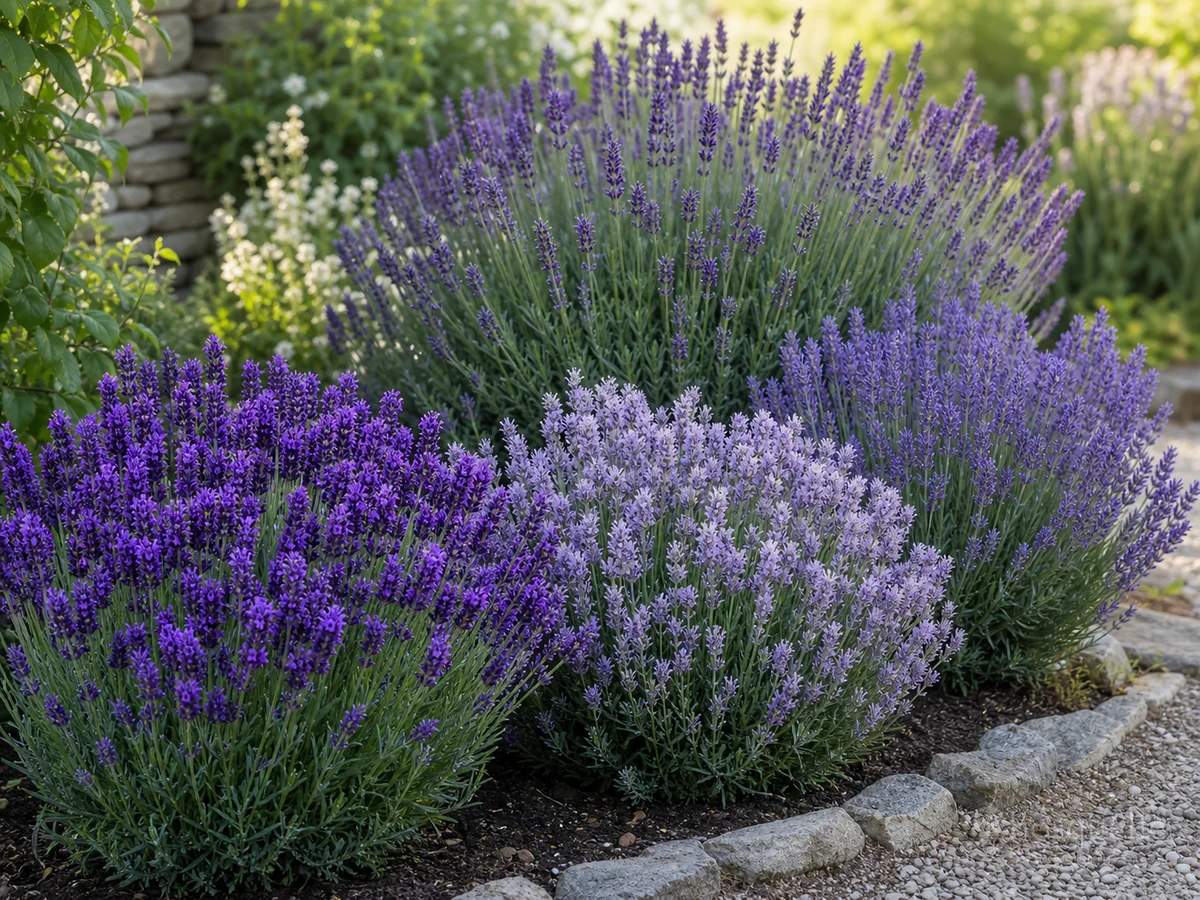
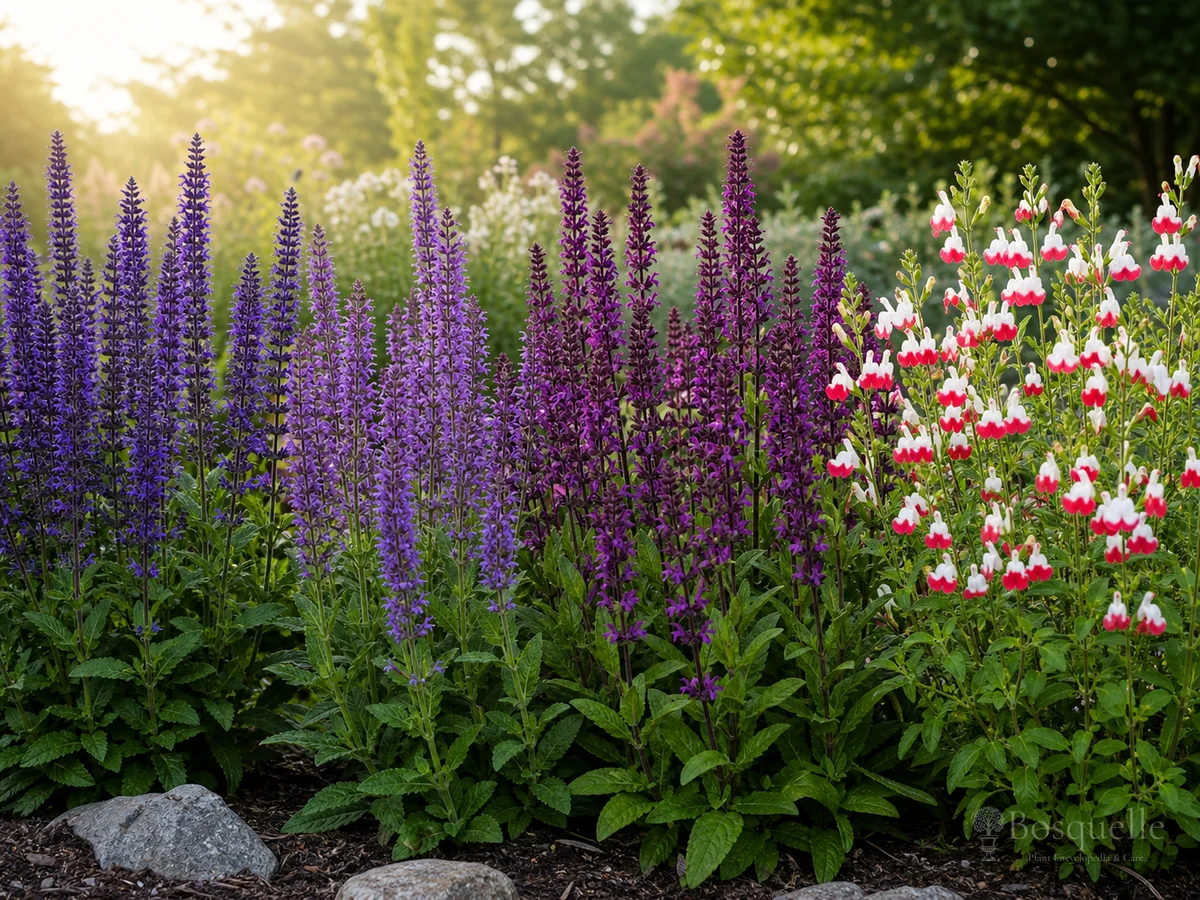
- Strong scent: lavenders, salvias, culinary sage, catmint.
- Fuzzy or prickly texture: lamb’s ear and similar foliage.
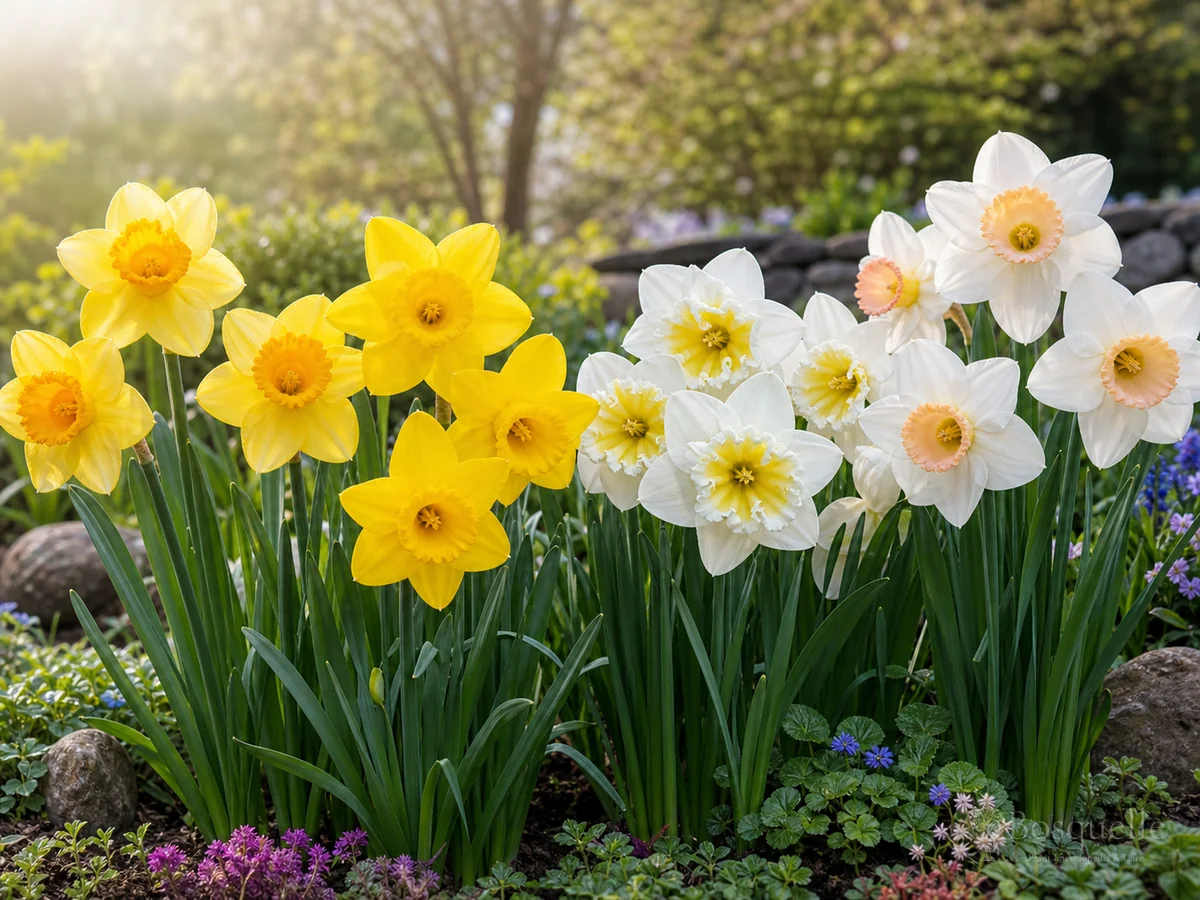
- Toxic or bitter foliage/bulbs: daffodils, foxgloves, many hellebore — still plant with household safety in mind.
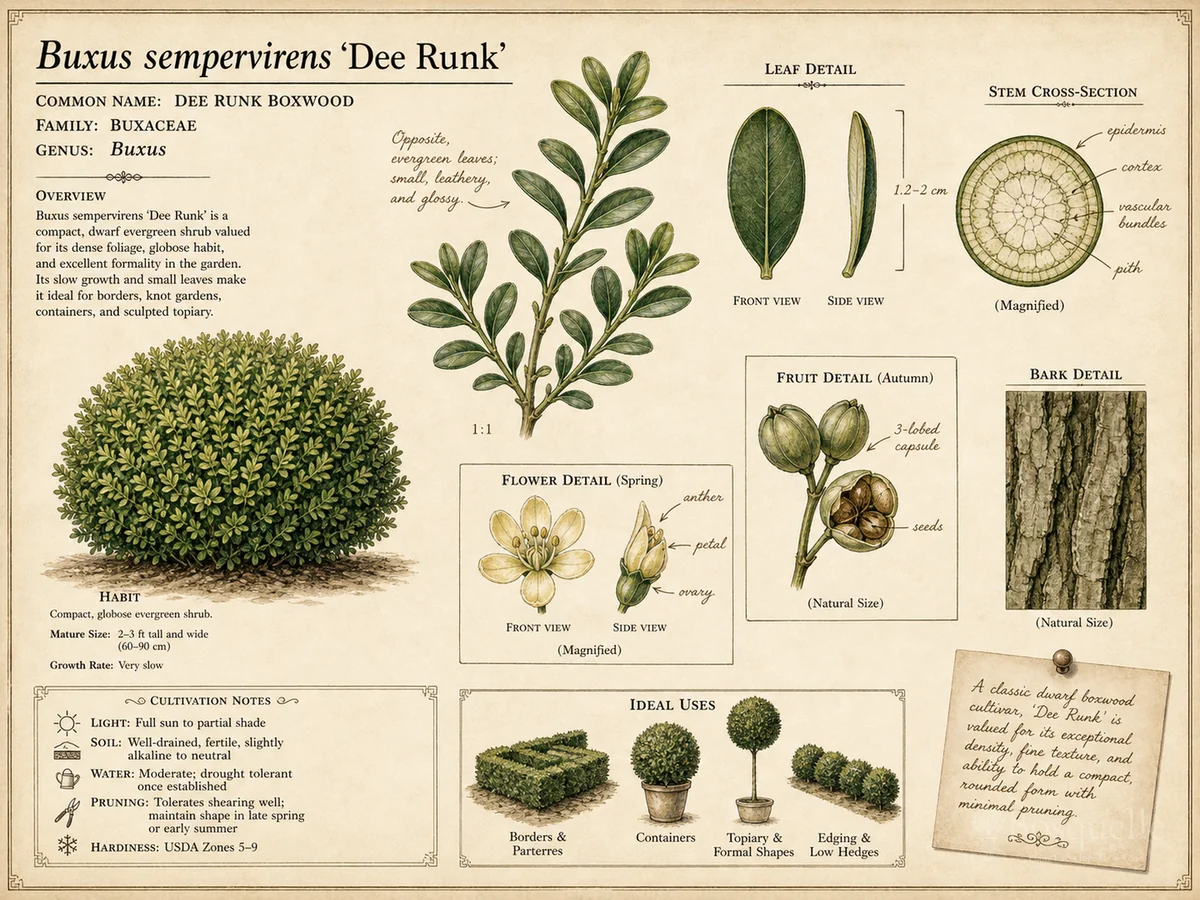
- Leathery evergreen structure: boxwood often ignored until pressure rises.
Design method under browse pressure
- Mass the resistant plants so a few nipped tips disappear in the planting.
- Put favorites inside a ring of aromatic or unpalatable edges when you insist on a riskier plant.
- Protect year one: cages, temporary fencing, or short-term repellent while plants are tender — even “resistant” lists fail on soft new growth.
- Accept pressure seasons: redesign after a bad winter rather than blaming a single cultivar brochure.
Shortlists by role
Every plant below is catalog-flagged deer-resistant. Confirm local pressure on the plant profile.
Scent and herb edges
- Hidcote — lavender oils deer usually dislike (How to Grow Lavender).
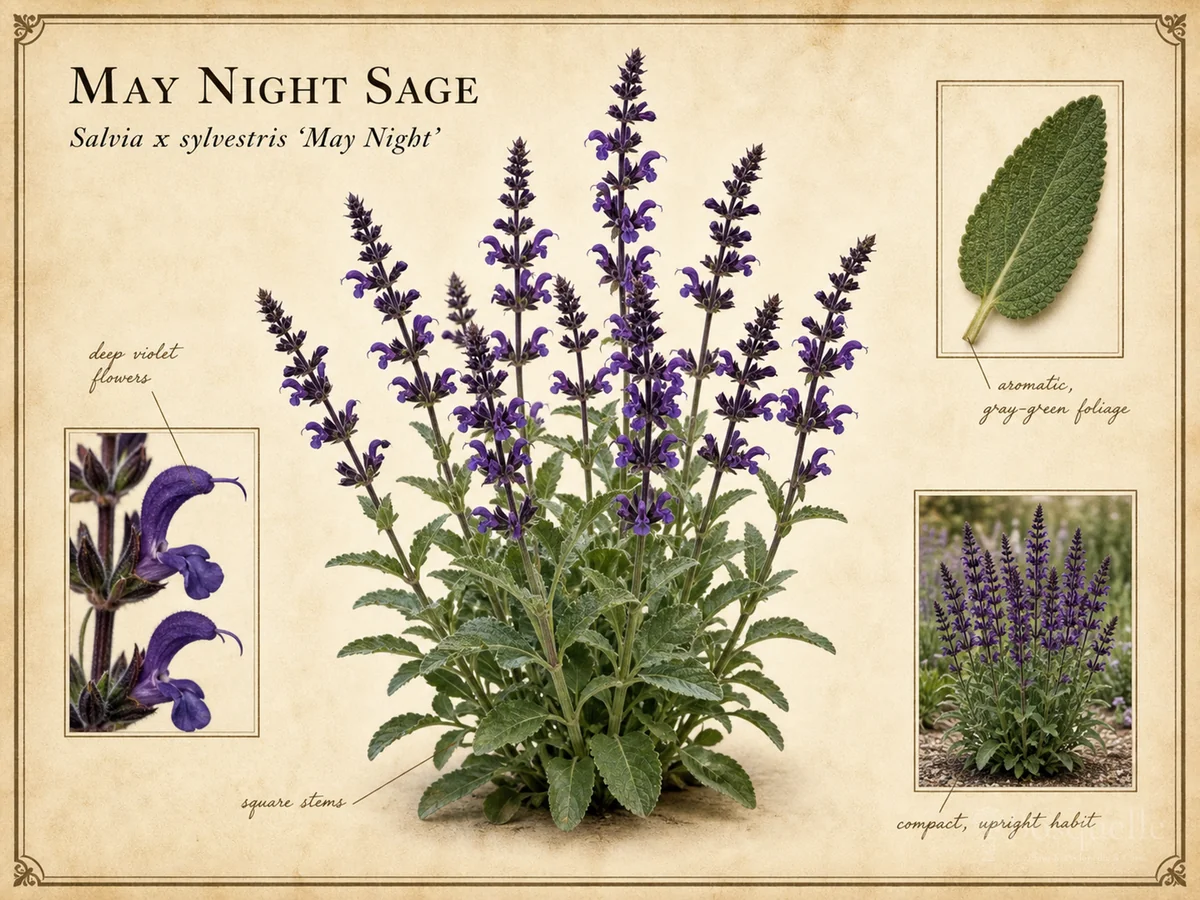
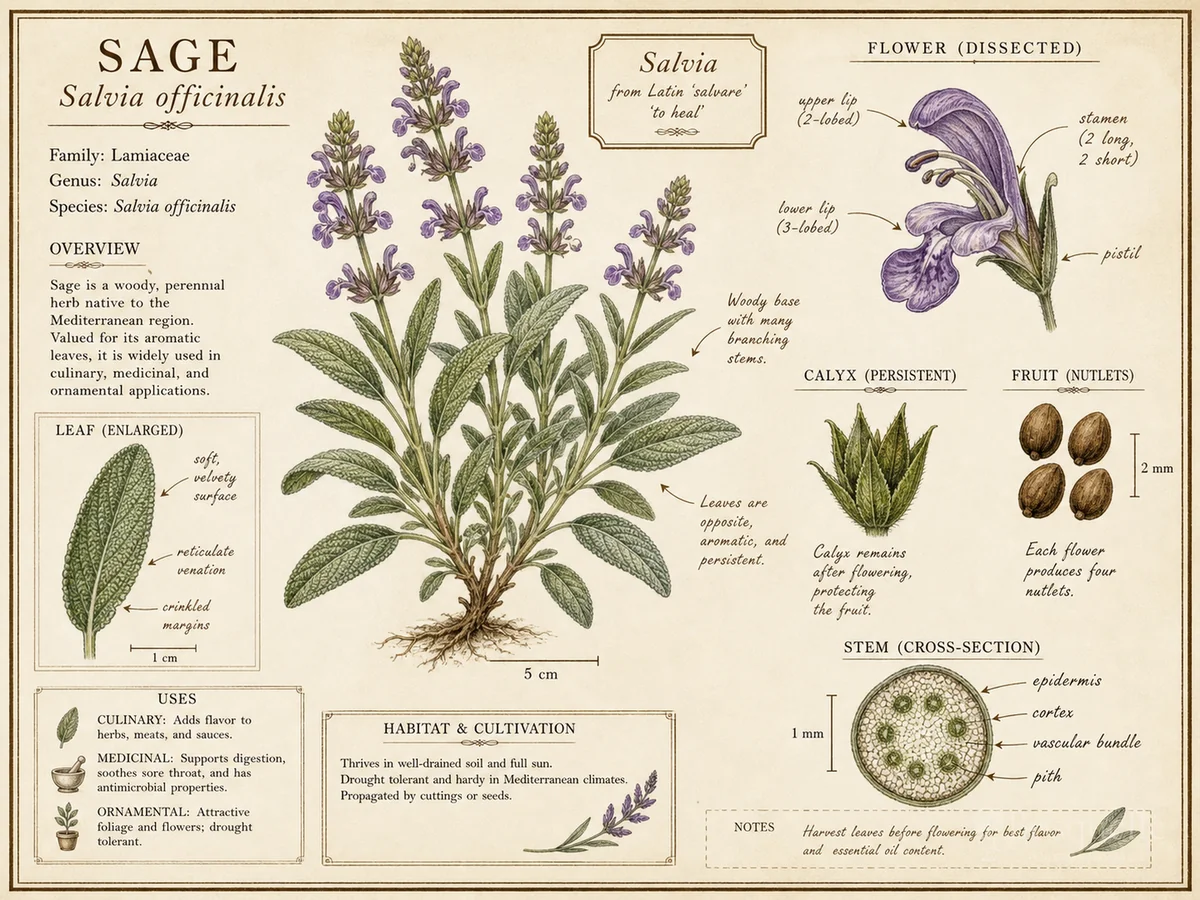
- May Night and Culinary Sage — aromatic salvias for sunny edges (How to Grow Sage).
- Walker's Low — catmint mass as a soft, fragrant skirt.
Bulbs and toxic honesty
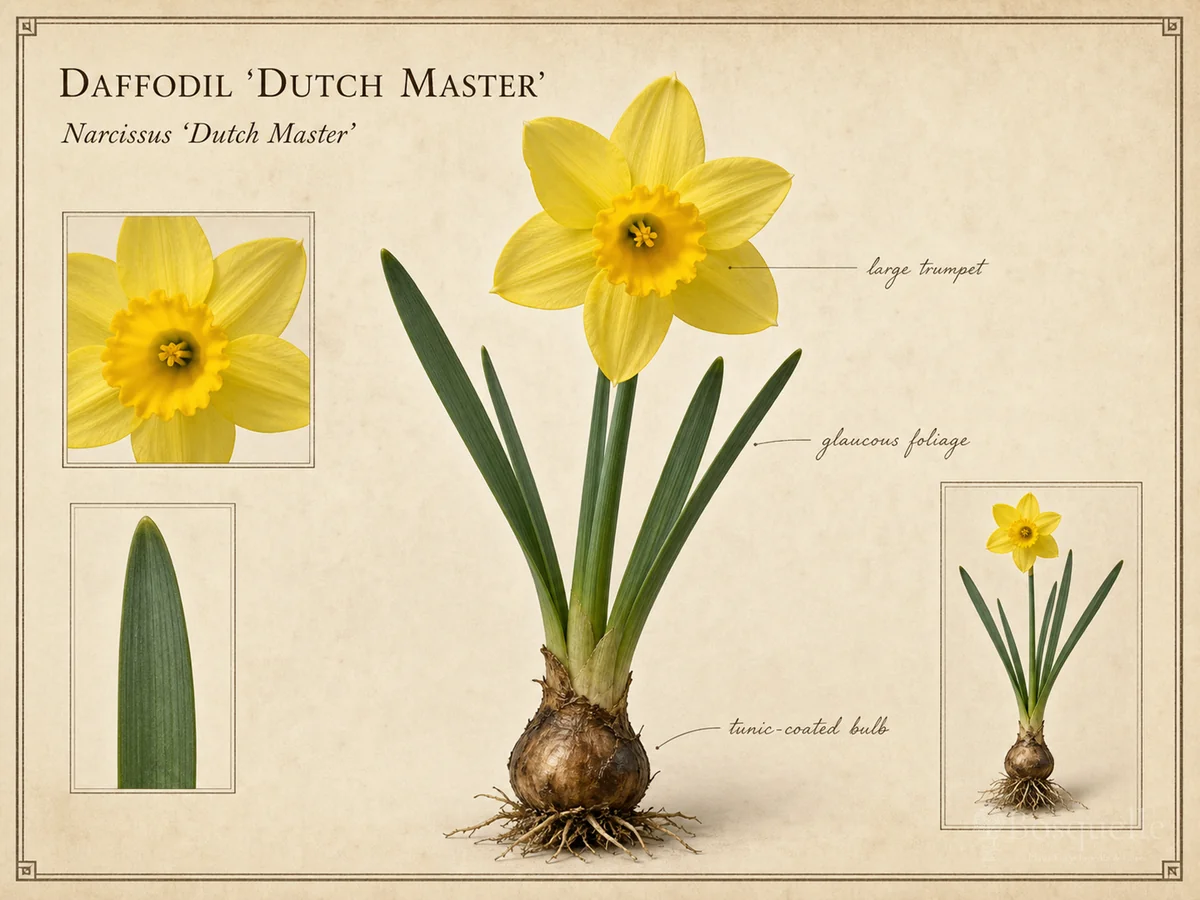
- Dutch Master and Ice Follies — daffodils deer usually skip (How to Grow Daffodils).
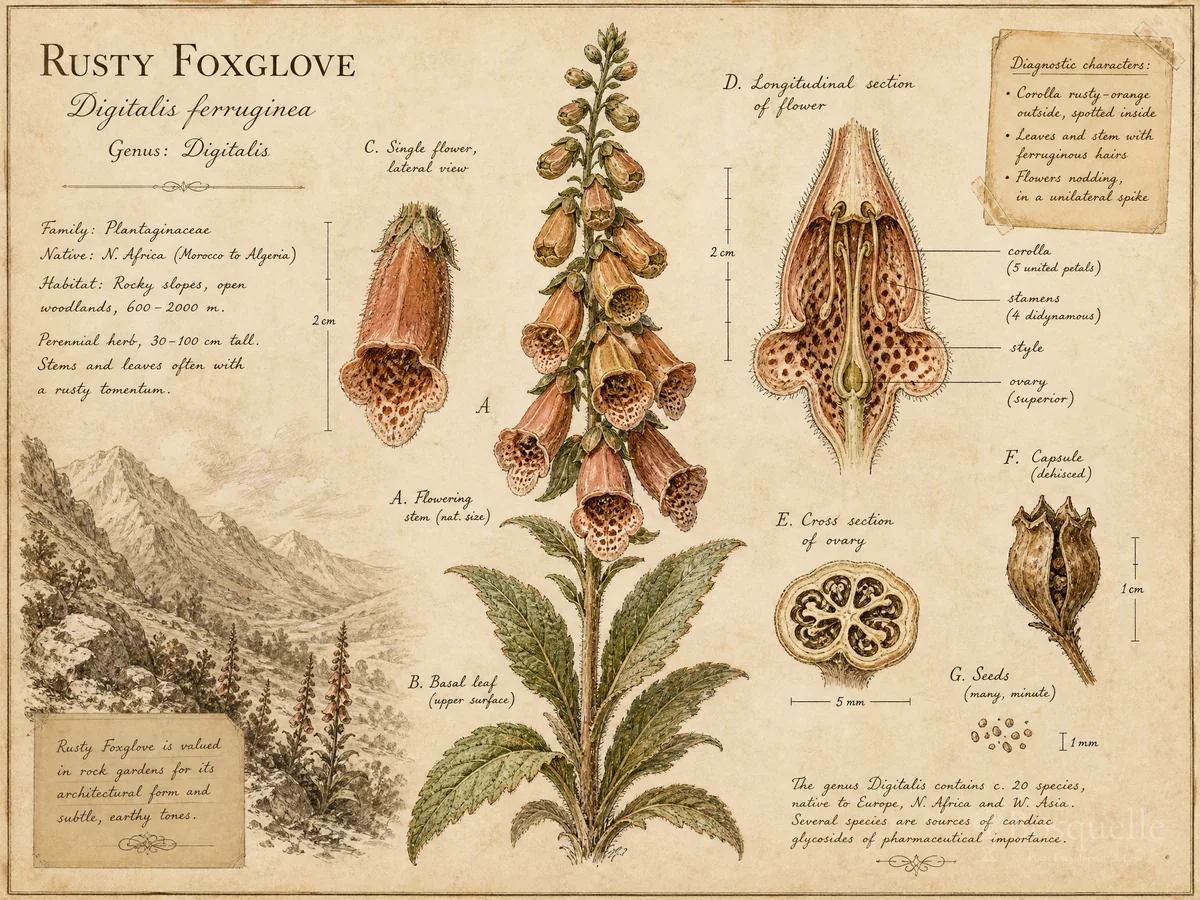
- Rusty Foxglove — rusty foxglove; toxic — site away from pet/kid play paths.
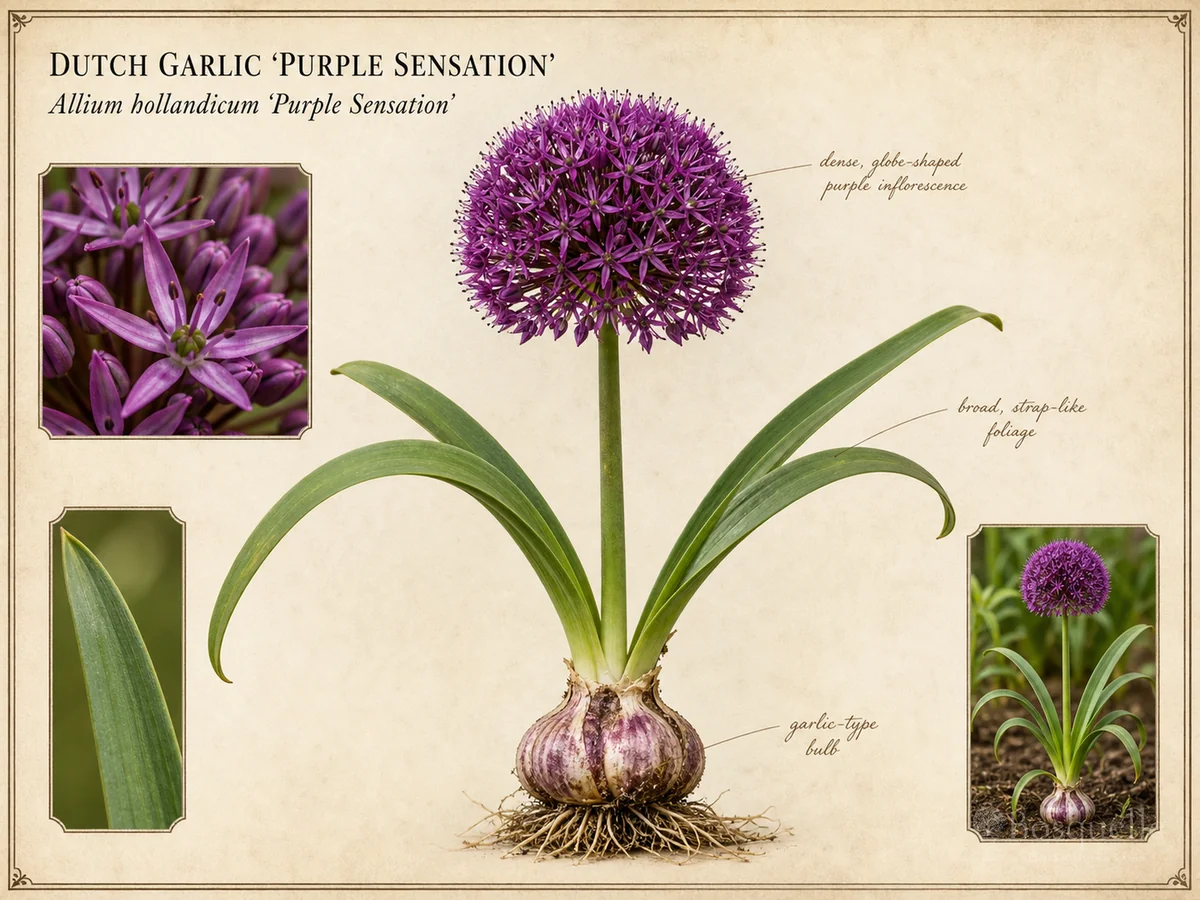
- Purple Sensation — ornamental onion scent in spring borders.
Structure and texture
- Dee Runk — narrow boxwood bones for winter structure.
- Helen von Stein — fuzzy lamb’s ear groundcover texture.
- Royal Heritage — winter evergreen hellebore; usually left alone.
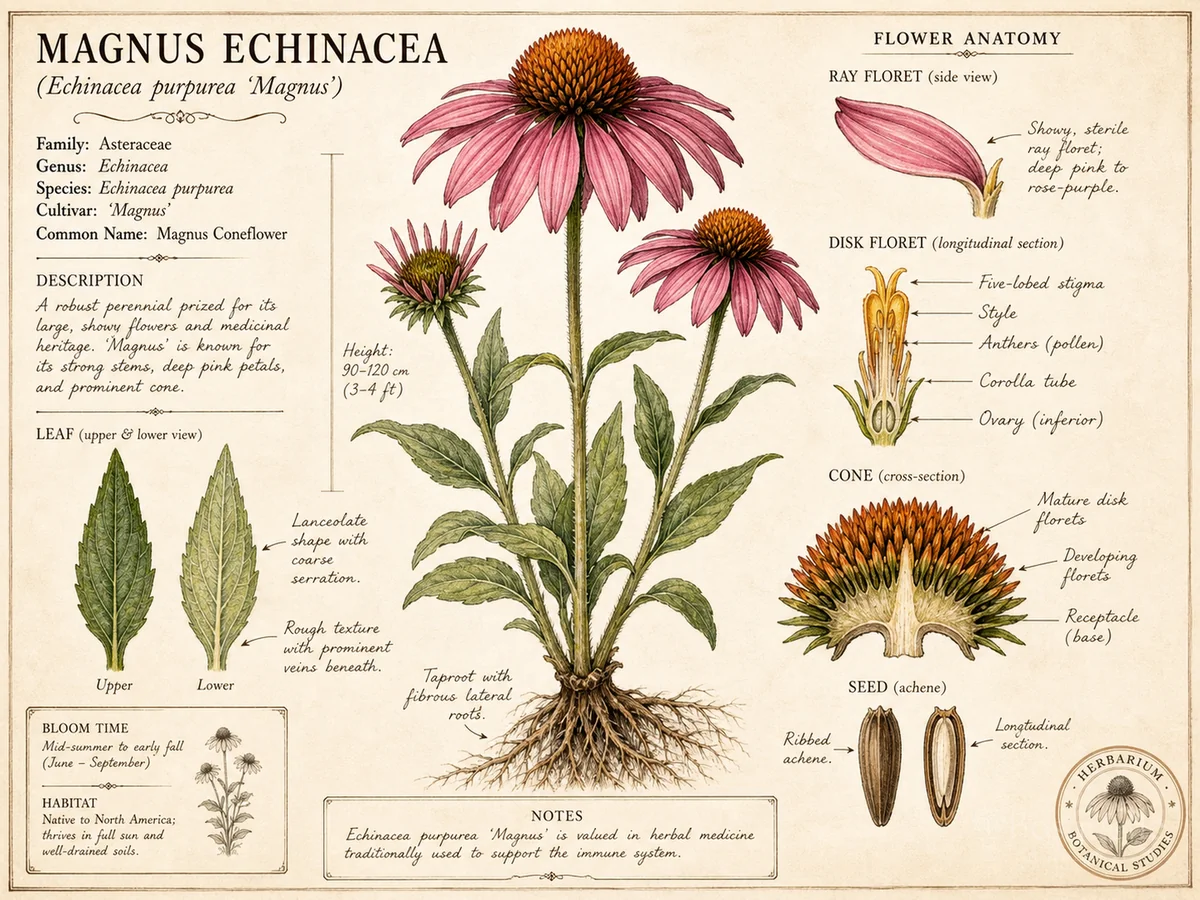
- Magnus — tough coneflower; still pressure-dependent (How to Grow Coneflowers).
Browse every deer-tagged plant on deer-resistant plants (hub). For dry-soil design as a separate job, open Drought-Tolerant Plants.
Treat deer lists as odds, protect soft new growth, mass resistant plants, and use the tolerance hub when you need the full browse.
FAQ
Are any plants deer-proof?
No. Resistance lowers odds. Extreme hunger or high local pressure can erase a “safe” list overnight.
Why did deer eat my resistant plant?
New growth, drought forage gaps, or heavy pressure. Protect transplants the first season and redesign edges if damage repeats.
Do you rate deer resistance Low / High?
No. Bosquelle publishes a boolean flag from source tolerance data. We do not invent a graded scale.
Is this the deer hub?
No. The hub browses tagged plants. This guide teaches method and curated shortlists with reasons.
Related guides

Recommended plants





Other site-limit shortlists are gathered in Garden Condition Guides.
Updated: Reviewed by Bosquelle Editors