
Garden fleahoppers are shiny black plant bugs about a sixteenth of an inch long. They hop when you brush a leaf, so they get mistaken for flea beetles. They suck sap. Leaves look pale-speckled, not peppered with holes. If something tiny and black hops two or three inches and the leaf is stippled, not chewed, this is the pest.
Do this first: flip a pale leaf. Look for black fecal specks on the underside and a hopper with antennae as long as its body. Rinse soft growth in cool hours. Pull clover and morning glory at the bed edge. Round chew holes are the flea-beetle page.
Two-inch hop, or chew holes / mite silk / a green wedge
| What you see | Likely | Do this first |
|---|---|---|
| Shiny black jumper, long antennae, pale specks, no holes | Garden fleahopper | Flip for black specks; rinse |
| Round chew holes, a hard beetle that springs to the next plant | Flea beetle | See that pest |
| Fine stipple plus silk in heat | Spider mite | See that pest |
| Silver scars, slender insects in buds, no hop | Thrips | See that pest |
| Larger wedge, pale skins, yellow leaf tips | Leafhopper | See that pest |
| Soft green cluster that stays put | Aphid | See that pest |
Search says flea and hopper for the same hop. Antennae and damage tell the job. Do not spray a chewed seedling as if it were this hopper.
Are they the same as flea beetles?
No. Flea beetles chew round holes and spring to the next plant. Garden fleahoppers suck sap and hop two or three inches. Antennae as long as the body belong here. Fail if spray a chewed seedling as if it were this hopper.
Are they leafhoppers?
They are related true bugs, not the same job. Leafhoppers are larger wedges. This pest is a shiny black speck that hops a short hop. Yellow leaf tips belong on the leafhopper page. Do not treat every jumper as one pest.
Are they spider mites?
Both leave pale speckle. Mites are specks with silk in heat and they do not hop. Flip for black fecal specks and a jumper. Do not miticide a leaf that just hopped.
Are they thrips?
Tomato stipple is often blamed on thrips. Thrips are slender and hide in buds. This pest hops when you brush the leaf. A thrips product can miss it. Do not never watch a hop.
Are the green ones aphids?
Young nymphs are pale green and sit on the underside. Brush the leaf — aphids stay put or walk. These hop. Later nymphs darken and show a black spot on the thorax.
Shiny black, antennae as long as the body
Adults are about a sixteenth of an inch. Antennae reach or pass the body; flea beetles keep short antennae. Short-winged females look oval and get called beetles. Males are slender with full wings. Legs are built to jump, but the hop is usually two or three inches on the same plant. Nymphs start pale green, darken, and show a black thorax spot before they turn adult. They feed on the underside. Do not only watch the upper leaf at noon.
What do garden fleahoppers look like?
Adults are shiny black, about a sixteenth of an inch, with antennae as long as the body. Short-winged females look oval, like a tiny beetle. Males are slender with full wings. They hop.
Why do they only hop a few inches?
Hind legs are built to jump, but they usually land two or three inches away on the same plant. A flea beetle often springs to the next plant. Use the short hop as the tell.
Seedlings and tomato fruit first — wait on a tough bean
| What you see | What it means |
|---|---|
| Light speckle on a sturdy bean or tomato | Wait — plants tolerate a lot |
| Seedlings bleaching or stalling | Act — cover and rinse |
| Stipple on developing tomato fruit | Act — quality is already marked |
| Leaves pale, dry, and dropping in a flush | Act — yield is next |
This is an early-season garden nuisance more than a crop-killer. Wait on cosmetic speckle. Act on seedlings and on fruit. Fail if a tough row gets the same spray as a dying seedling.
Will they kill my tomatoes?
Established plants usually tolerate a lot of speckle. Seedlings can stall, and feeding on fruit scars quality. Wait on a tough vine with light stipple. Act when leaves bleach and drop or fruit is marked.
Will they kill the whole bean row?
Heavy feeding can pale a leaf until it drops. A sturdy row often crops after speckle. Wait on cosmetic marks. Act on seedlings and on a flush after clover is cut.
Pale specks above, black specks below
Sucking kills tiny cells. The upper leaf looks dusty or bleached. Turn it: black fecal specks sit on the underside. That pair is the tell versus mite silk and versus thrips that hide in a bud. Heavy feeding can yellow a whole leaf until it drops. Do not treat upper speckle as drought and never flip.
Why do my leaves look stippled?
They suck cells dry. The upper leaf looks dusty or bleached in tiny spots. Confirm hoppers and black specks underneath before you blame drought or mites.
What are the black specks under the leaf?
Black fecal specks from nymphs and adults. Pale spots above plus those specks below is this pest, not mite silk.
Clover and morning glory feed the next flush
They build on clover, morning glory, and quickweed at the bed edge, then walk onto beans and tomatoes. When a clover or alfalfa strip is cut, the next week can dump hoppers on the vegetables. Scout then. Pull the weedy strip. Fail if you rinse the crop and leave a flowering clover border.
Do weeds feed garden fleahoppers?
Clover, morning glory, and quickweed can hold them beside the bed. Pull the strip. Do not rinse the tomato and leave a flowering clover edge.
Why after I cut clover or alfalfa?
They build in legumes. When that forage comes down they walk onto nearby vegetables. Scout beans and tomatoes the week after a neighbor cuts hay. This is not the leafhopper hay page.
Eggs sit flush in the stem — one rinse is not a finish
A female inserts about a hundred eggs into stems and leaves so the tip sits level with the surface. You will not find a crushable cluster. Eggs hatch in roughly twelve to twenty days. If you use soap, wet the underside in cool hours and repeat in five to seven days for the hatch. Do not make one noon pass the whole plan.
Do I need a second spray?
If you treat at all, yes — eggs sit inside stems and leaves. A second pass five to seven days later catches the hatch. One rinse or one soap is not a finish.
Where do they lay eggs?
Females insert about a hundred eggs into stems and leaves so the tip sits flush with the surface. You will not see a cluster to crush like a beetle egg mass.
Cover young rows — peek for hoppers already in
Light fabric at seeding or transplant keeps migrants off the first leaves. Seal the edges. Peek — hoppers already in the row will breed under a tent. Pull when tomatoes or cucurbits need bees. Bush beans that pollinate themselves can keep a sealed cover. Fail if you drape torn cloth a week after the row is already hopping.
Will row covers stop garden fleahoppers?
They keep migrants off young rows if you seal the edges. Peek underneath — hoppers already in will breed under cloth. Pull when the crop needs bees.
Can I leave covers on until harvest?
On self-pollinating bush beans, a sealed tent can stay. Tomatoes and cucurbits need bees. Pull at flower or hand-pollinate. Do not leave the cloth on through bloom with no fruit.
A labelled soap is last — Bt will not touch them
They are true bugs. Bt is for caterpillars. Thrips and mite products often miss them. Parasitic wasps already cut many gardens to boom-and-bust. A labelled soap or oil in cool hours can knock nymphs you wet; eggs in tissue survive. Skip the brand aisle. Do not use Bt or a noon fog on open bloom is the plan and the clover strip stays.
Will Bt kill garden fleahoppers?
No. Bt is for caterpillars. These are true bugs. A garden-center Bt guess wastes days while stipple spreads. Rinse, pull weeds, cover seedlings.
Do sprays work on garden fleahoppers?
Soap or a labelled aphid product can knock nymphs if you wet the underside in cool hours. Eggs in tissue survive. Wasps do more than a noon fog. Skip the brand aisle.
Steps that actually reduce garden fleahoppers
- Confirm the two- or three-inch hop and antennae as long as the body. Chew holes and a wedge are different pests.
- Flip for black fecal specks on the underside. Pale speckle alone is not a diagnosis.
- Rinse nymphs in cool hours; repeat in two to three days while you still find specks.
- Pull clover and morning glory at the bed edge. Scout the week after a forage strip is cut.
- Cover young rows sealed at the soil; peek underneath; pull at flower when bees are needed.
- Wait on a tough bean. Act on seedlings and marked fruit. Products last, underside, five to seven days later if you treat. Do not use Bt or a thrips spray as the whole plan.
How do I get rid of garden fleahoppers?
Flip a pale leaf. Confirm the short hop and black fecal specks. Rinse in cool hours. Pull clover at the edge. Cover young rows. Wait on a tough bean. Do not use Bt or a thrips spray as the whole plan.
Related reading
- Flea beetles — jumping beetles that chew holes, not sap speckle.
- Leafhoppers — larger wedges; yellow-tip and disease jobs live there.
- Tarnished plant bug — larger plant bugs that distort buds, not a sixteenth-inch jumper.
FAQ
Will yellow sticky traps help?
Yellow cards can show adults moving. They are not a control plan, and they catch wasps you want. Use the rinse. Skip trap kits.
Do they spread plant diseases?
They are not known to move plant pathogens. Odd yellow twist is a leafhopper job. Do not fog this pest as a rewind for aster yellows.
Do garden fleahoppers live in the house?
This is the garden jumper. A black speck on a sill is accidental. Do not spray the kitchen for a garden pest.
Host plants
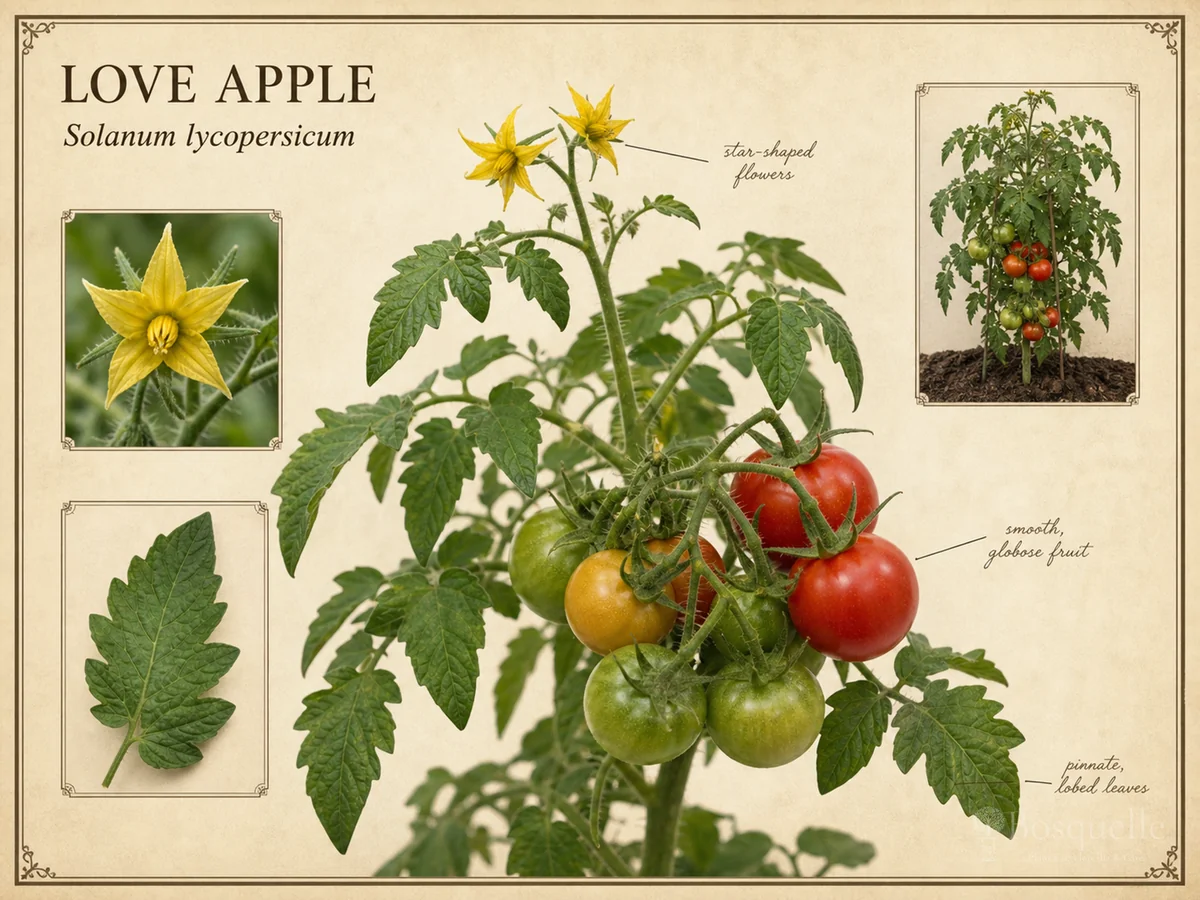
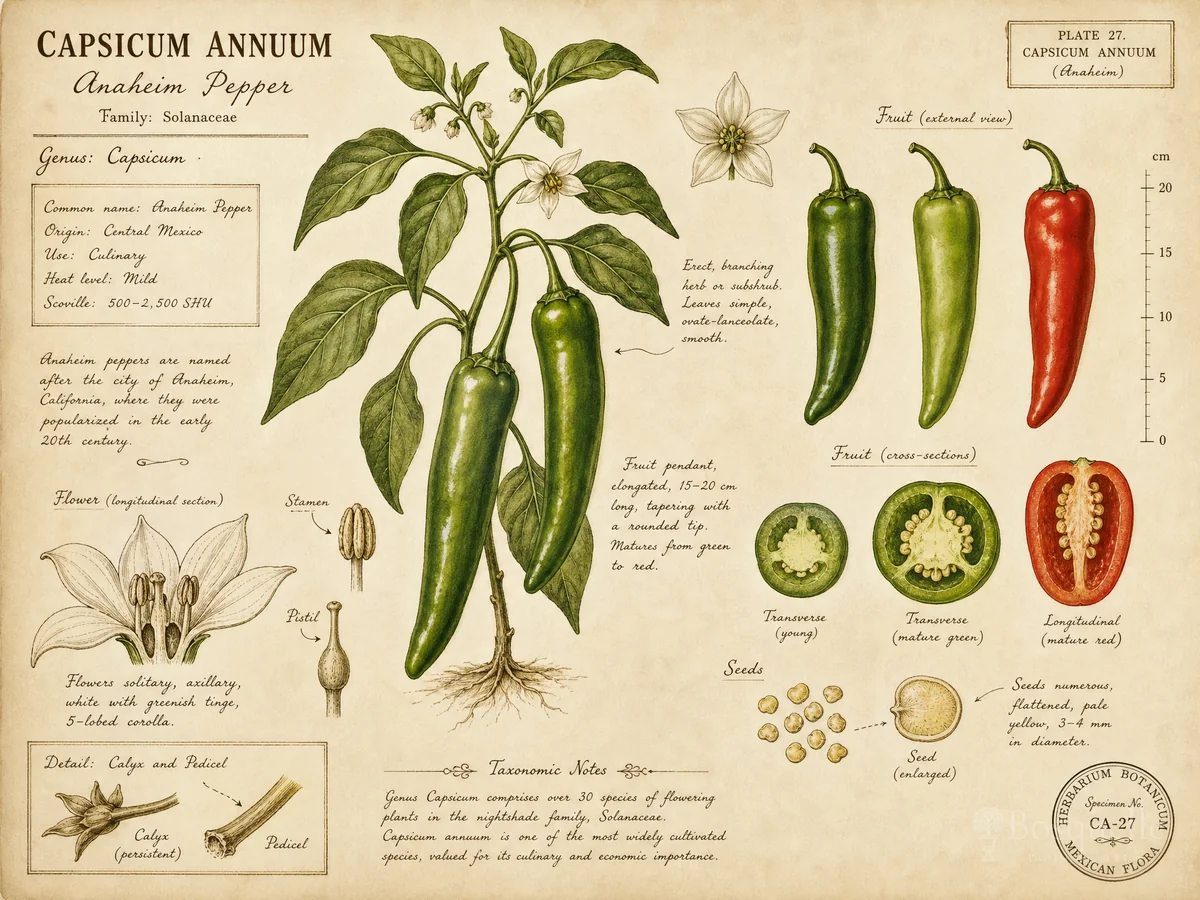
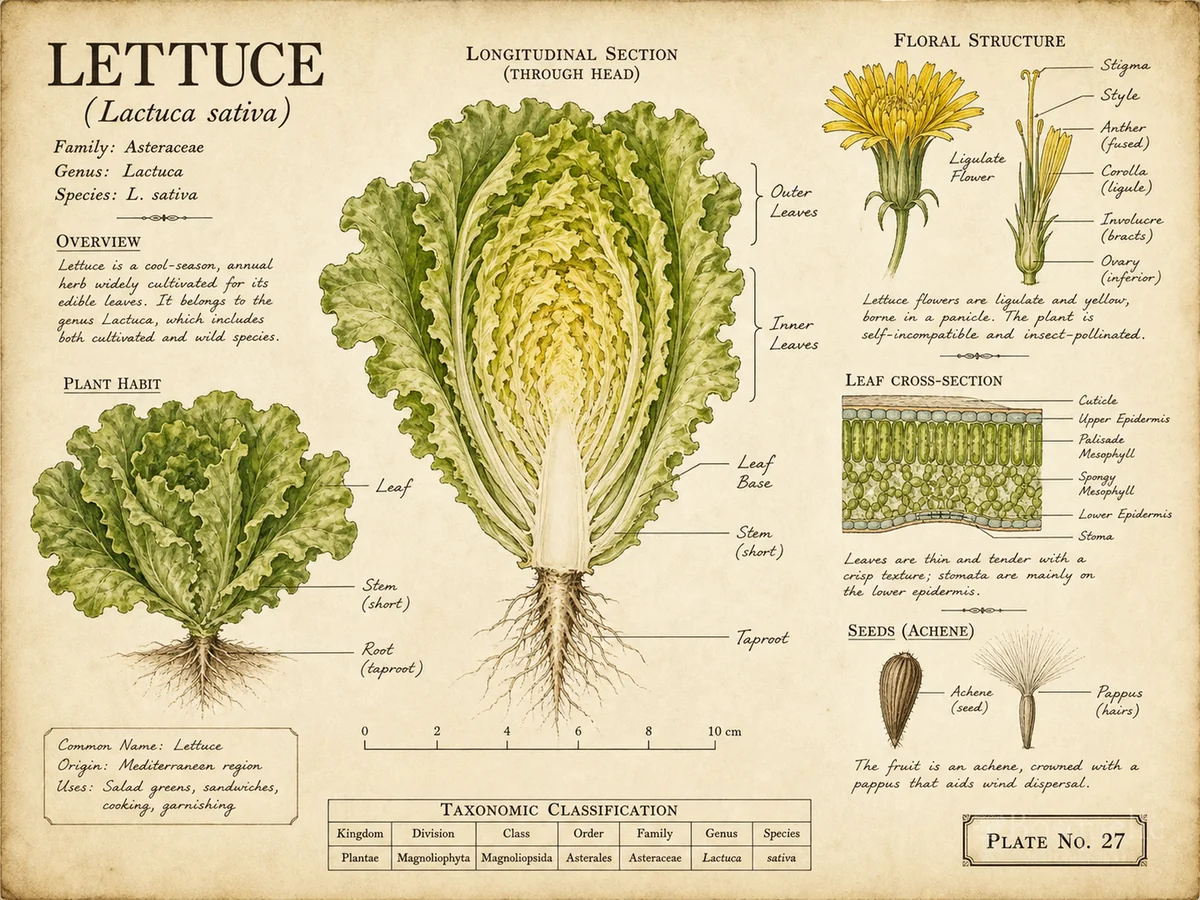
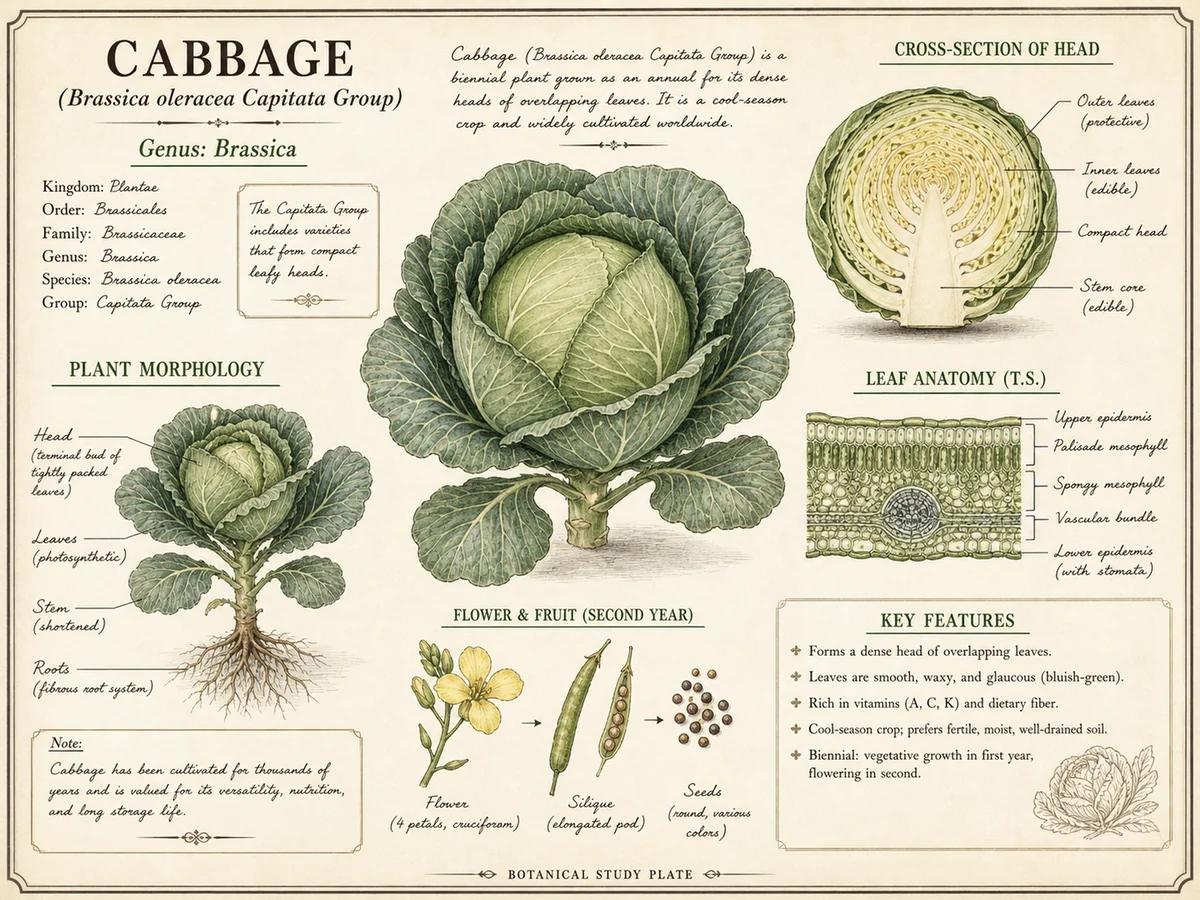
A few garden examples where soft new growth invites early colonies.




Related pests



Related diseases




Updated: Reviewed by Bosquelle Editors