Bosquelle
A steady hand in the garden
Good plant advice is honest about what it does not know. That is the standard Bosquelle tries to keep.
Made for how gardening actually feels
You might be standing at the nursery holding a plant tag, trying to decide if the light in your garden is close enough to "full sun." You might have watered carefully all spring and still come back to yellow leaves. You might be choosing between three types of the same plant and not know which matters: colour, height, or whether the deer here leave it alone.
Those are ordinary, real situations. Most advice skips them — it assumes you already know the answer or that one answer fits every garden.
Bosquelle is written for those moments. The guides stay calm, give a specific answer near the top, and name the conditions where that answer changes. You should be able to open a page while wearing garden gloves and leave with something useful.


Why this site exists
Most plant advice online is written to answer a search result, not to help a real gardener think through a real situation. It is often written for a climate that is not yours, a soil type that was assumed rather than checked, and a gardener with more time or more experience than most people actually have.
The library exists because there is space for something quieter and more honest. Not a social feed. Not a magazine with sponsors to consider. A reference library, built slowly, where every page tries to earn its place by being genuinely useful to someone who came here with a real question.
Work on this plant library started in 2024. Bosquelle is the name chosen when that library went public.
It brings together two older words — bos (woods) and quelle (a spring or source). Together they mean a quiet source in the woods: a place where you look something up, gather what you need, and take it back to the garden.
The tone here aims to stay calm and useful — like a careful note from someone who has looked the problem up properly and will tell you when the answer depends on your soil, light, or climate.
What you can explore here
The library is built around three things gardeners actually need to know:
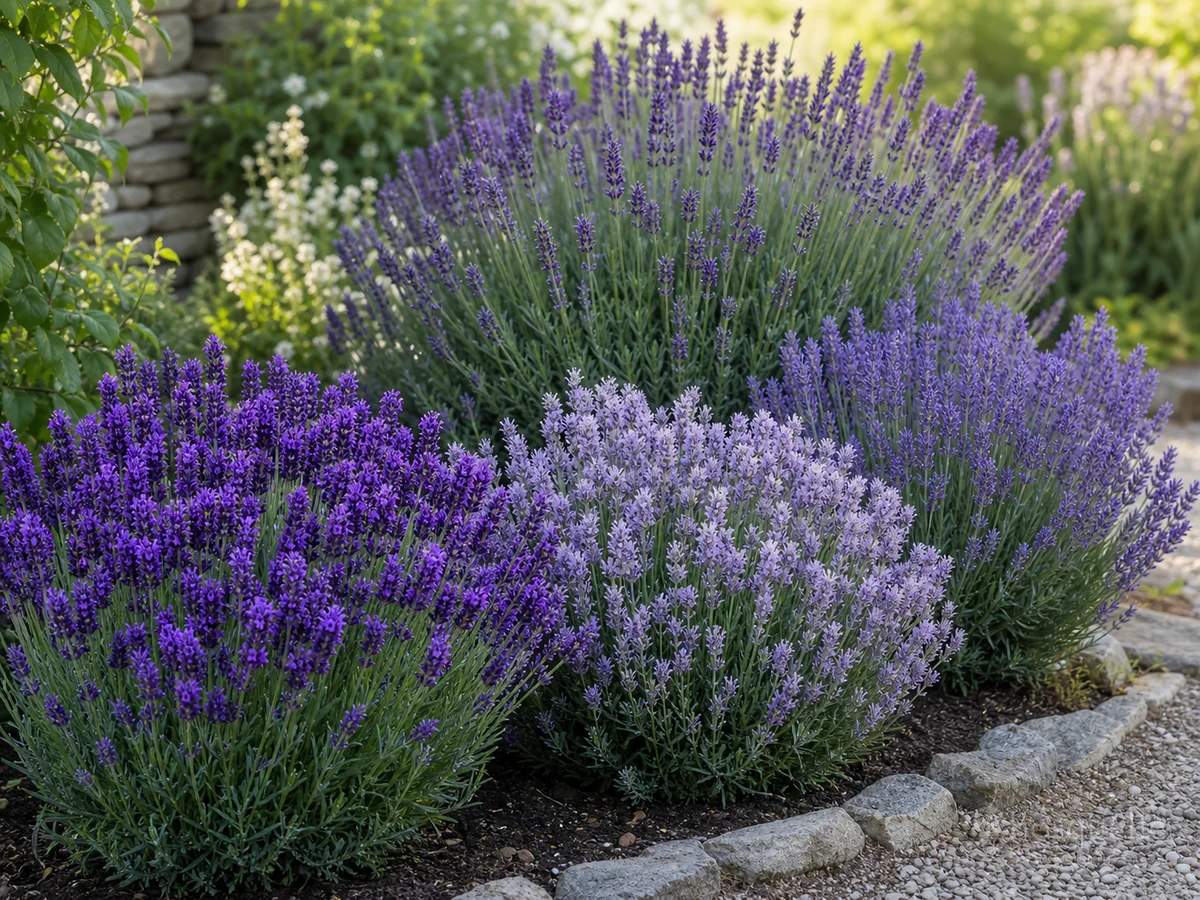
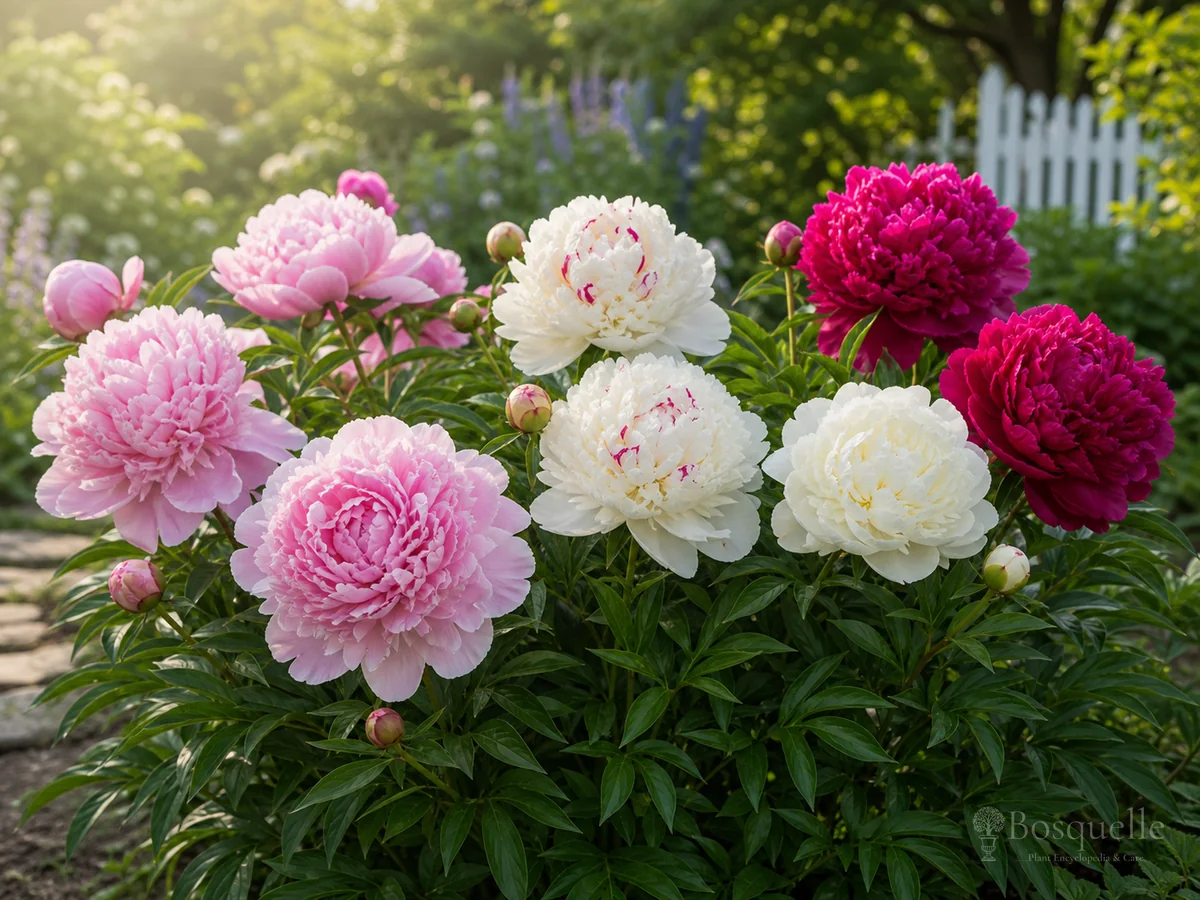
- How to grow it — step-by-step guides for specific plants: when to plant, how to water, what the first year looks like, and the most common reasons a plant stalls. Roses, hostas, lavender, peonies, hydrangeas — deep single-plant guides with honest limits, not one-size overviews.
- Which type to choose — type comparisons that help you buy the right plant the first time. "Types of roses" covers climbers, shrubs, hybrid teas, and groundcovers — with the conditions each one actually handles. Same for hostas (miniature to giant), hydrangeas (the watering difference between mophead and lacecap matters), and more.
- When something looks wrong — pest and disease pages built around what you see, not the Latin name. Sticky residue on leaves, white powder, stippled foliage, holes that appear overnight — each page names the visible signs first, then walks through the calm first response.
The core of the library is outdoor gardens: borders, perennials, shrubs, and patio pots. You will also find guides for trailing plants, edible flowers, sedums, and other container-friendly plants as those pages are ready.
From Edward Nguyen

Edward Nguyen
Founder
I built Bosquelle for a simple reason: when I looked up plant advice, I often found pages that sounded sure but left out the conditions that change the answer — soil, light, hardiness, or a common mistake that shows up in the first year.
I am not claiming a title as a certified horticulturist. I am responsible for the editorial standard of this library: answers near the top of the page, sources named where they matter, and a preference for saying “this depends” over inventing a tidy detail.
My hope is modest. When you open a page here, you leave with something clearer to try in the garden — and a sense of what still depends on your place.
How every guide is written
Each guide at Bosquelle follows the same discipline:
- The most useful answer appears near the top — not after a long introduction.
- Conditions are named where they matter. A tip that works in well-draining soil but not in clay is only useful if you know your soil.
- The common mistake comes early. If most people get something wrong with this plant, the guide says so before the main instructions.
- Limits are honest. Hardiness ratings are real zone data, not optimistic estimates. "Deer-resistant" means the plant is less often browsed — not that deer will not touch it if they are hungry enough.
- No invented claims just to sound complete. If a question is outside the guide's scope, it says so and points elsewhere.
Your garden experience belongs here too
A plant library grows most honestly when it includes what real gardeners have learned in the soil. If you have grown a plant through a failure and then a success — in a specific climate, in a specific condition — that experience can help someone else facing the same spot.
You can share what you know: a named plant, a problem solved, a season that did not go as expected. Write it in a Google Doc or similar shareable page, keep view access open via link, and email that link to [email protected]. Nothing is published until it has been reviewed; useful notes are edited for clarity and credited by name.
Common questions about Bosquelle
- Who is behind Bosquelle?
- Edward Nguyen founded Bosquelle and is responsible for the editorial standard. Pages are researched against named sources, reviewed before they go live, and updated when a correction is needed. When a gardener’s experience is published with permission, they are credited by name.
- When did this library start?
- Work on the plant library started in 2024. Bosquelle is the name chosen when that library went public.
- Is this advice for my climate?
- Most guides use temperate-garden conditions as the default frame, and they use shared references such as USDA hardiness zones so you can compare your place to the page. That is a way to organise advice — not a claim that every tip was field-tested in every US state. Where a tip changes by zone, soil, or region, the guide should say so. If you garden in an extreme climate, treat anything without those notes as provisional.
- How often are guides updated?
- When a guide needs a correction or when we find a more honest way to explain something. Guides are not updated on a publishing schedule just to look fresh. The last-reviewed date on each page reflects the most recent meaningful revision.
- Can I trust the product advice?
- Bosquelle does not accept payment for product placements or sponsored content. Where a product or category is mentioned, it is because it is relevant to the method being described, not because of a commercial arrangement. Some pages use affiliate links, which are identified — clicking one costs you nothing and may help support the library.
- What is not here yet?
- Houseplants, tropical plants, and vegetable growing are limited for now. The library is strongest on ornamental garden plants — perennials, shrubs, climbers, bulbs, and annuals for outdoor borders. The indoor and edible sections are being built carefully rather than quickly.
A good place to begin
If you already know the plant, search it by name or find it in the guide series. If you are still choosing, start with a types-of guide or a shortlist for your conditions. If something looks wrong in the garden, begin with the pest or disease page that matches what you can see — not the Latin name.