
Tap the bump. If that thorn hops, it is a treehopper, because the enlarged hood behind the head is the insect, not a spine on the stem. Prune the scabby young twigs on a fruit tree this winter, hose a cluster off a small plant, and mow the clover under a young apple through June, because the nymphs grow in those weeds after they hatch, not in the bark slits. A mature oak or apple can wait. A bottle is last.
People call the green triangle a buffalo treehopper once they see the hump from the side. That is still a treehopper, family Membracidae, a sap-feeding relative of leafhoppers with a hood that leafhoppers do not have. Oak treehoppers sit in rows on a twig. Three-cornered alfalfa hopper is the green wedge that rings a bean or pea stem until wind snaps it. Feeding leaves sticky honeydew, and sooty mold can grow on the film, but the usual injury is the egg slits, not a chewed leaf.
Prune the scarred twigs. Hose the cluster. Cut the weeds
On a young apple, pear, or cherry, the damage that matters is the row of slits a female cuts in the upper side of a pencil-thin twig so she can hide eggs under the bark. Those slits heal into scabby ridges, and a heavily scarred shoot can die or grow crooked, so walk the tree in late fall or winter and prune the worst of last summer's twigs instead of fogging a canopy of adults that will jump before the spray lands. Bag the prunings. Leaving the cut wood in the grass still holds the eggs until spring.
Eggs hatch in May or June, and the nymphs drop into grasses, clover, alfalfa, and broadleaf weeds around the trunk, so mowing and weeding that skirt through June starves the generation that would climb back as adults to cut new slits in August. A hard stream from the hose knocks a cluster off sunflower, a small shrub, or a young shoot, because the insects have to walk back in the open where birds and assassin bugs can find them. Labeled insecticidal soap or horticultural oil is last, and only if nymphs or adults are still sitting there after you have opened the weeds and hosed what you can reach, because the spray has to wet the insect. Kitchen dish liquid is not a plant product and can burn the leaf. If last summer was heavy on a deciduous tree and you cannot stand more scarring, a dormant oil on leafless twigs can kill eggs still in the bark, so cover the terminals thoroughly before bud break.
- Tap the bump. If it hops, and a hood covers the back, this is the insect. A stuck bump that scrapes off is scale, not this insect.
- Prune severely scarred young twigs in fall or winter on apple, pear, cherry, and similar fruitwood, then dispose of the wood so the eggs do not hatch in the grass.
- Mow and weed the clover, alfalfa, and tall weeds under a young fruit tree through June, because that is where the nymphs feed after they hatch.
- Hose clusters off a small plant you can reach. Soap or horticultural oil is last, and only on insects you can actually wet. Dormant oil is a winter leftover after a heavy year, not a first pass on a healthy mature oak.
How do I get rid of treehoppers?
Prune scabby young twigs in winter, hose a cluster off a small plant, and mow clover and weeds under a young fruit tree through June, because the nymphs feed there after they hatch. Labeled soap or horticultural oil is last, and only on insects you can wet. A mature oak can wait.
A few hoppers on a mature oak do not kill the tree
Feeding on woody plants is usually slight, because the insect is sipping sap, not chewing the leaf, so a row of oak treehoppers on a live oak or white oak looks worse than the injury. Mature apple, elm, ash, and shade trees tolerate a lot of egg slits before growth slows. Honeydew can speckle a patio and feed sooty mold, and carpenter ants may farm the drip, but that mess is not a death sentence, so wash what bothers you and leave a healthy canopy alone.
Young fruit trees are the exception worth the pruners. Heavy scarring on last year's wood can stunt a newly planted apple or pear, especially where clover or alfalfa sits under the drip line, so that is when you prune the worst twigs and keep the skirt mowed. Sunflower clumps almost never need a bottle, because a few slits in a herbaceous stem do not take the plant down. In Florida and along the Gulf, an upright thorn bug on a small ornamental is a different load: crowded colonies can die back a young tree, so hose those and watch new growth instead of treating them like a harmless oak cluster. A pyrethroid fog on a mature oak is the wrong finish for a cosmetic row of hoppers.
Do treehoppers kill plants?
Rarely on a mature woody plant. Feeding is usually slight. Heavy egg slits can stunt a young apple or pear. A girdled pea or bean stem can snap in the wind. A crowded thorn-bug colony in the Deep South can die back a small ornamental. A few hoppers on sunflower or oak are looks, not a death sentence.
A ring around a pea stem is why it snapped in the wind
Three-cornered alfalfa hopper is still a treehopper, and it is a different look from apple slits, because the nymph walks around a green stem a few inches above the soil and feeds in a ring until the tissue dies. Nutrients pile up above that girdle, so the top keeps thickening while the base stays thin, and a rain or a gust then snaps purple-hull peas, green beans, or young soybeans at the weak band. Tomato and pepper leaves can droop past a girdled petiole the same way. The adult is a small green wedge, about a quarter inch, and it jumps or slides behind the stem when your fingers close, so you can be looking at it and still miss it.
By the time a row of peas is lying on its side, a spray will not rewind the break, so that plant is already done for the season. On young plants you can still catch, crush the spiny nymphs and the green adults you can pinch, and pull weedy borders where the next generation sits. A labeled pyrethroid on a home bean row is last and rarely worth the bees. Field sweep counts for soybean and peanut stay in the acre. They do not tell you what to do with a snapped pea in a backyard row.
- Find the ring a few inches above the soil, or a petiole that droops past a narrow scar. That is this insect, not a cutworm at the crown.
- Pinch nymphs and adults on plants that are still standing. A spray after the stem has snapped does not stand the plant back up.
- Clean the weedy edge so the next hatch has less cover. Skip a fog of the whole patch unless you are still finding many nymphs on seedlings.
Why did my pea stems snap after the wind?
Three-cornered alfalfa hopper nymphs ring the stem a few inches above the soil, so the top gets heavy and the base stays weak. By the time the row is down, a spray will not stand the plants back up. Pinch what is still feeding on seedlings, and clean the weedy edge.
The hood hops. A thorn does not
Adults are half an inch or shorter. The first segment behind the head, the pronotum, swells into a hood over the front of the back, and on some species it runs out as a thorn, a horn, or a buffalo hump. That hood is why a treehopper sitting still looks like part of the twig. Touch it. A real thorn stays. This insect jumps, often with a little snap. Nymphs are spiny along the abdomen and often sit in a group on a stem. They molt about five times, then the last skin sheds as a winged adult. There is no pupa.
Buffalo treehopper, Stictocephala bisonia, is the green or brown triangle with small points at the front, about three-eighths of an inch, and that is the one that cuts paired slits in young fruitwood from July until frost. Oak treehopper, Platycotis vittata, clusters in rows on oak twigs in spring. Young adults can be pale with red and black marks; older ones turn dull bronze or green, and some wear a horn over the head. A female may stand between her nymphs and the trunk and bump a wasp rather than fly. Three-cornered alfalfa hopper, Spissistilus festinus, stays green and smaller, with a tail-like tip on the nymph. Eggs of the buffalo kind overwinter in the twig slits. Oak females can overwinter in litter and lay in spring. Nickname the buffalo hump once, then call the insect a treehopper.
| Where you see it | What it is | Try this |
|---|---|---|
| A thorn or bump that hops; hood over the back | Treehopper | Prune scarred young twigs; hose the cluster; mow weeds under a young fruit tree |
| Paired scabby slits on last year's apple or pear twig | Buffalo treehopper eggs | Prune the worst wood in winter; keep clover down through June |
| A row of hoppers on an oak twig, adult that will not fly | Oak treehopper | Wait on a healthy shade tree; hose only if the cluster bothers you |
| A thin dead ring on a pea or bean stem; top snaps in wind | Three-cornered alfalfa hopper | Pinch what you can reach; a spray will not rewind a broken stem |
| Slim wedge, no hood, stipple or yellow leaf edge | Leafhopper | See leafhopper — not this prune-and-mow |
| Stuck bump that scrapes, no jump | Scale insects | See scale insects — a stuck bump is not this hop |
What does a treehopper look like?
A small jumper, half an inch or less, with a hood or hump behind the head that can look like a thorn, a horn, or a buffalo silhouette. Nymphs are spiny and often sit in a group. Touch the bump. If it hops, it is the insect.
A slim wedge with no hood is a leafhopper
Leafhoppers are close kin, and they hop and sip sap the same way, but they do not wear a hood over the back. They are slimmer, they often sidestep on the underside of a leaf, and the injury is stipple or hopperburn, not a row of bark slits. See leafhopper if the leaf is speckled or the bean edge is scorched and you never find a humpbacked insect. Do not run their row-cover calendar on an oak twig. A much larger chewing jumper in the grass is a grasshopper, not this sap feeder.
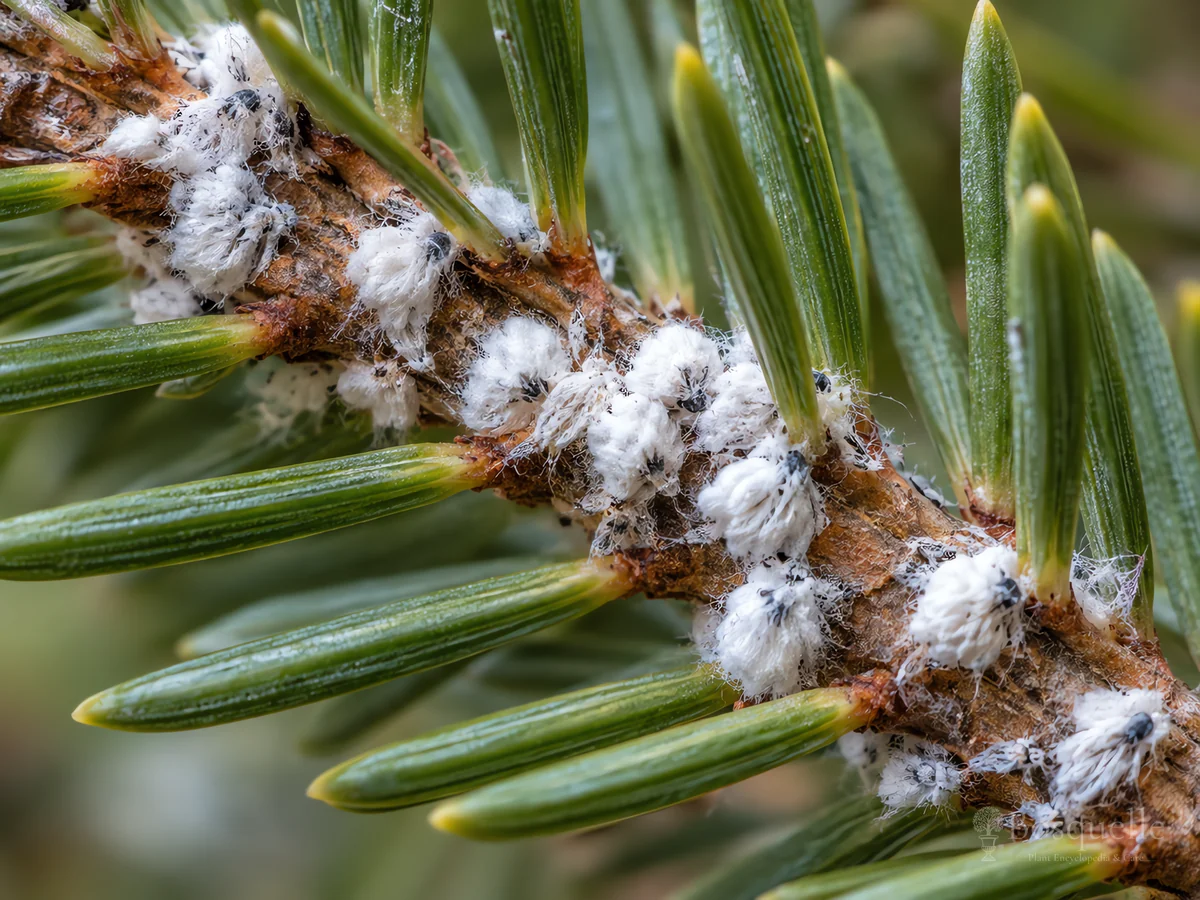
A bump that does not hop is not this insect. Hard or waxy scale sits still; scrape it, then see scale insects. Wet foam with a pale nymph inside is spittlebug, and those bubbles are a shelter, not a treehopper hood. White waxy filaments on hosta, azalea, or coneflower are planthoppers, a close relative; hose those if they bother you, but do not treat them as buffalo slits on apple. Sticky shine without a hopping hood is often aphids, and the black film that follows is sooty mold growing on honeydew, not a disease the treehopper injects into the wood.
Are treehoppers the same as leafhoppers?
They are close relatives, but a leafhopper has no hood over the back. Leafhoppers stipple leaves and can scorch bean edges. Treehoppers sit on stems and twigs and cut slits to lay eggs. See leafhopper if you have stipple and a slim wedge with no hump.
Related reading
- Leafhopper — slim wedge, no hood; stipple and hopperburn from the leaf, not bark slits.
- Aphids — sticky honeydew without a hopping hood.
- Sooty mold — black film on honeydew; wash the drip, then find the insect.
- Scale insects — a stuck bump that does not hop.
FAQ
Do treehoppers bite people or pets?
They feed on plant sap, not blood, and they do not sting. Carpenter ants that farm the honeydew can bite if you touch the cluster. A spiny southern thorn bug could prick a bare foot if you stepped on it, but that is a spine, not a bite.
Will dish soap kill treehoppers?
Kitchen dish liquid can burn the leaf and has no plant label. Adults also jump before a wet mix lands. Hose first, and prune the egg slits. A labeled insecticidal soap is last, and only while the spray is wet on the insect.
Can treehoppers spread plant disease?
Some species can move phytoplasmas or grapevine red blotch in research, and three-cornered alfalfa hopper is named on grapes for that virus. A few hoppers on an oak twig or a sunflower are not a grape-virus problem. Spray will not rewind a virus already in the sap. See leafhopper if the question is hopperburn or aster yellows on a coneflower.
Will they come back next year?
Buffalo treehopper eggs overwinter in the twig slits, then hatch in spring. Pruning the scarred wood and keeping weeds down through June cuts the next round. A fall spray on empty twigs does not reach eggs under bark unless you use a dormant oil and cover the terminals.
Do ants mean I have treehoppers?
Ants farm honeydew, so they can show up with treehoppers, aphids, or soft scale. Tap the bump. If it hops and wears a hood, this is the insect. If the bump is stuck, see scale or aphids. The ants are after the drip, not eating the tree.
Related pests



Related diseases




Updated: Reviewed by Bosquelle Editors