
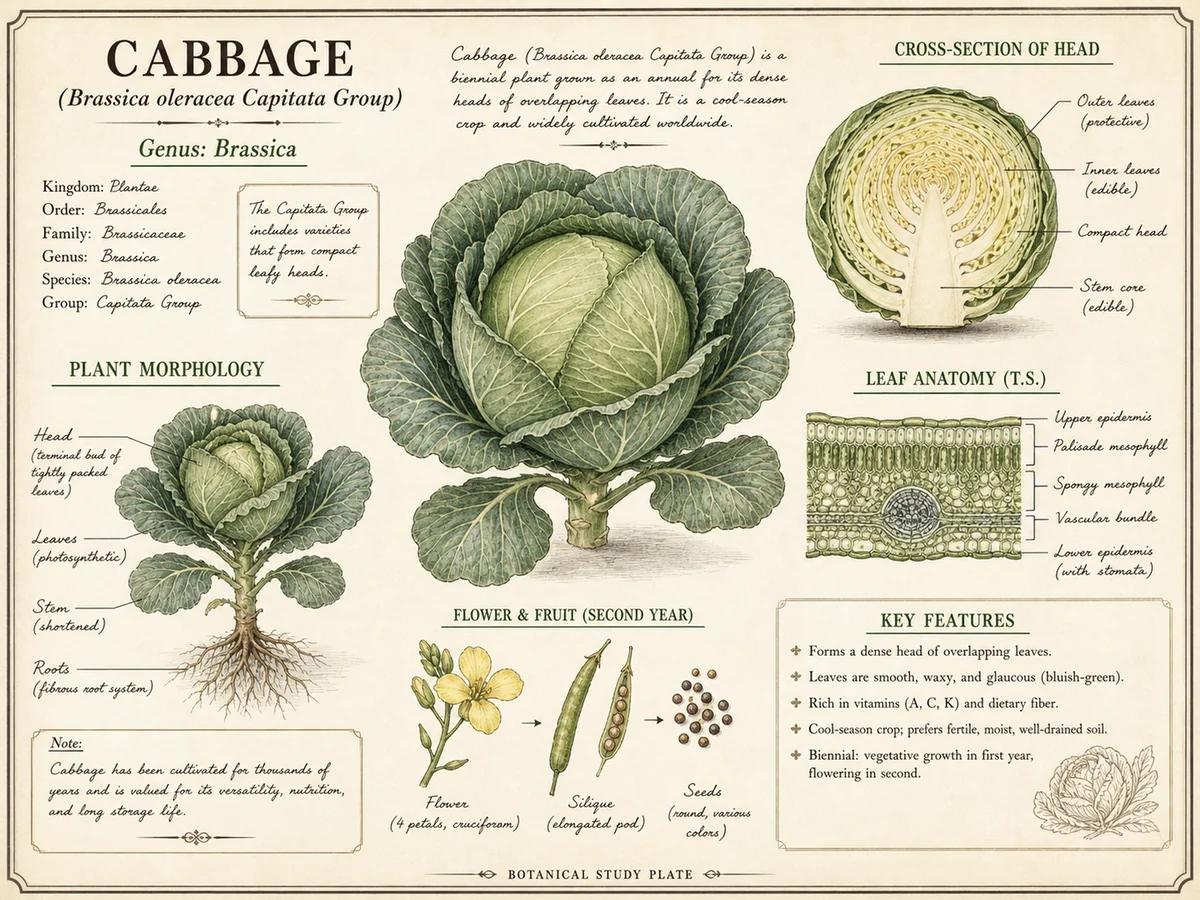
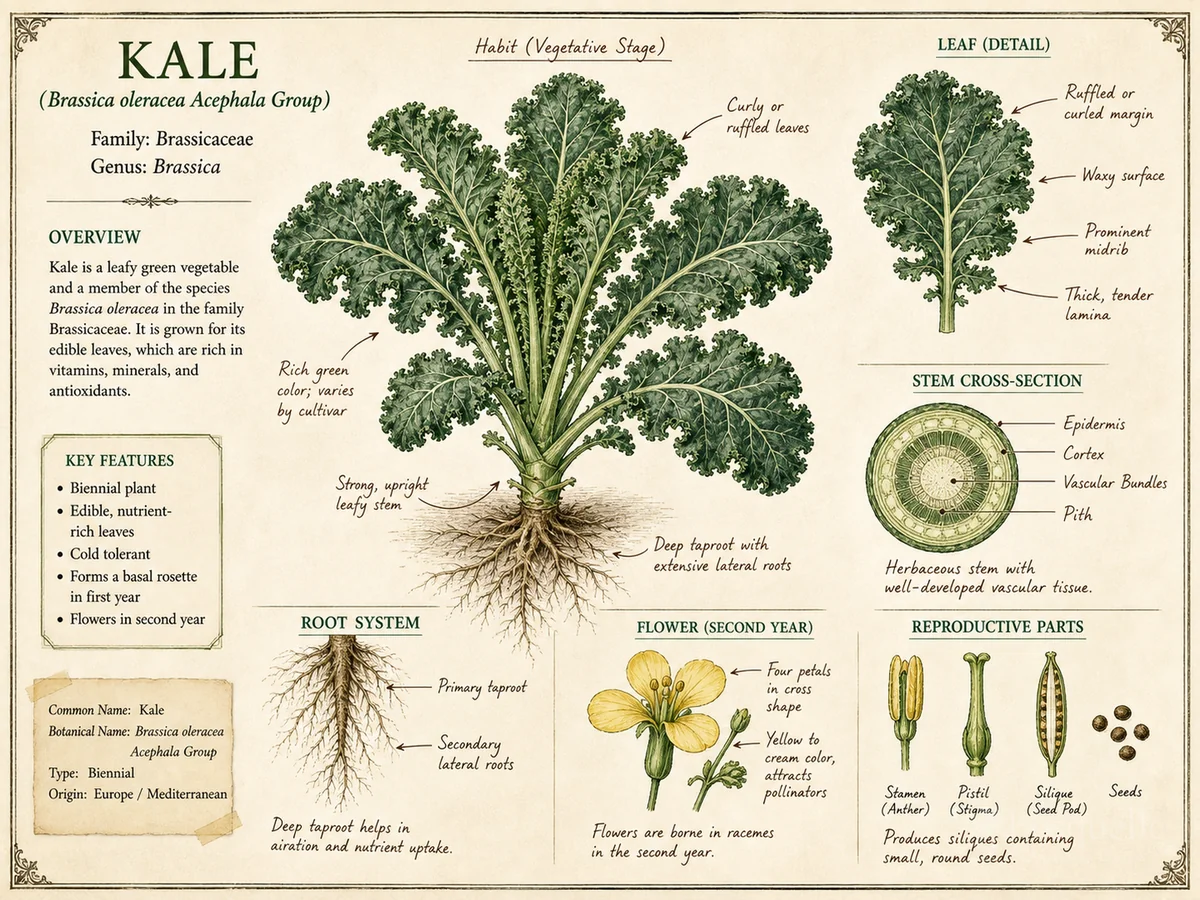
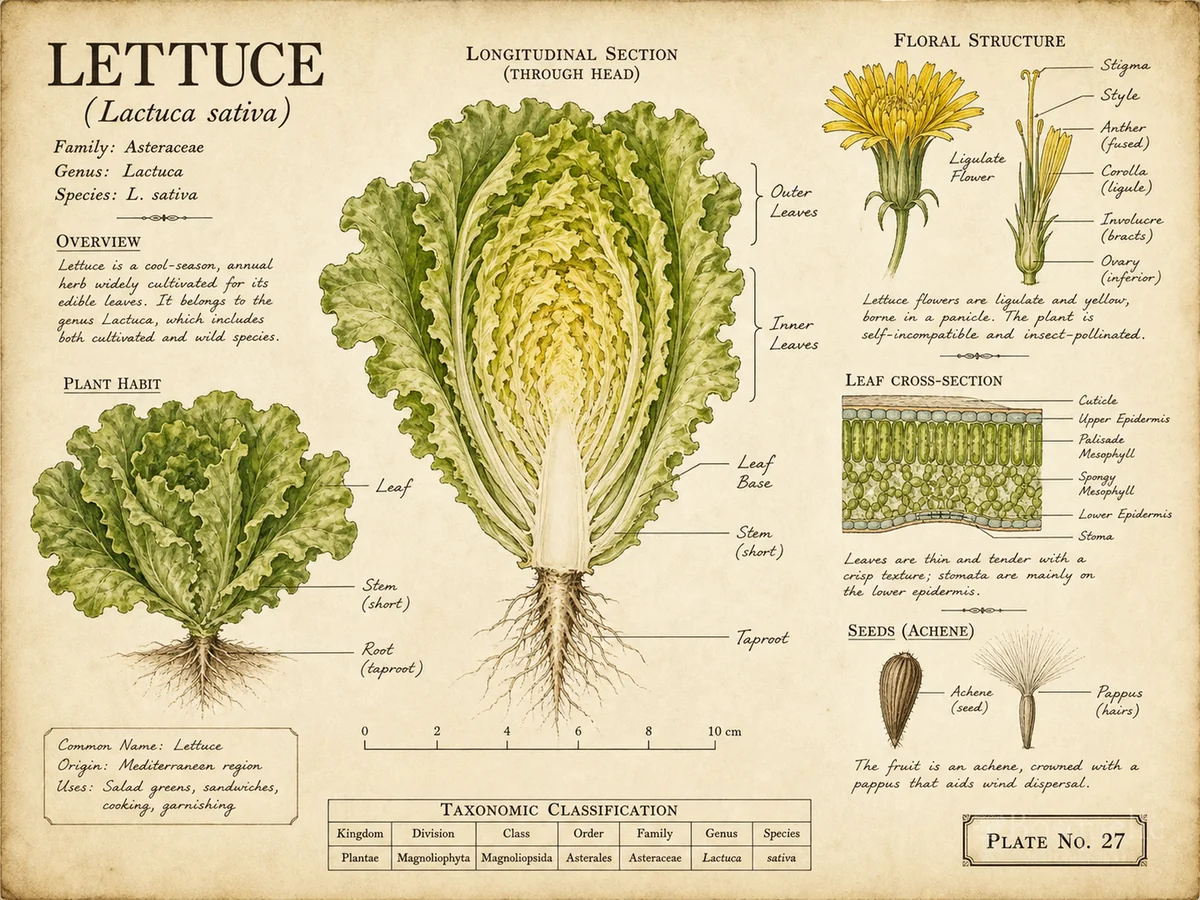
Cabbage loopers are pale green caterpillars that walk with a looping gait and chew ragged holes in cabbage, broccoli, kale, and other greens. Adults are mottled night moths with a small silver figure-8 on the wing — not the white butterflies people call cabbage whites. This is that cole-crop looping pattern. Diamondback moths and imported cabbageworms share the leaf; they keep their own tells.
Do this first: flip the leaves tonight. Crush creamy eggs laid singly near the margin; drop looping caterpillars in soap. Cover short transplants if they are still open.
Looping gait, velvety worm, or wriggle-and-drop
| What you see | Likely | Do this first |
|---|---|---|
| Pale green inchworm, looping gait, no legs in the middle | Cabbage looper | Flip for eggs; pick into soap |
| Velvety green, sluggish when poked, faint yellow stripe | Imported cabbageworm — cabbage whites by day | Same leaf, different adult; still pick |
| Tiny tapered larva, wriggles hard or drops on silk | Diamondback moth | See that pest |
| Large green caterpillar on tomato, often a black horn | Tomato hornworm | See that pest — nightshades, not cole |
| Stem cut at the soil line overnight | Cutworm | See that pest |
| Tiny jumping beetle, peppered seedling holes | Flea beetle | See that pest — they chew, they do not loop |
Search says cabbage worms for all of them. The gait and the adult tell the job. Do not wait for a white butterfly and never watch a loop.
Are cabbage loopers the same as cabbage worms?
Search calls both cabbage worms. The common garden worm is velvety and sluggish and becomes a white butterfly by day. A cabbage looper walks with a looping gait and becomes a mottled night moth. Do not wait for cabbage whites and never flip for a looping green.
How do I tell them from imported cabbageworms?
Prod the caterpillar. A looper arches the middle because it has no legs there. An imported cabbageworm stays put, looks velvety, and has a faint yellow stripe. Both chew cole leaves. The gait tells the species.
Are they the same as diamondback moths?
Diamondback larvae are much smaller, tapered, and wriggle or drop on silk when touched. Loopers grow to about an inch and a half and loop.
Are they the same as hornworms?
No. Hornworms are large caterpillars on tomatoes and other nightshades, often with a black horn. Loopers favour cabbage, broccoli, kale, and leafy greens. Hornworms stay on tomato and nightshades.
Pale green, two prolegs, silver figure-8 moth
Larvae hatch off-white, then pale green with thin white lines along the sides. Full grown they reach about an inch and a half. Three pairs of true legs sit at the head; two pairs of prolegs sit at the rear; the middle is bare — that is the looping gait. Eggs are creamy, pin-head, laid on lower leaves. Pupae rest in a thin white silk on the underside, in the crown, or in litter. Adults are mottled gray-brown with a small silver figure-8 or Y on each forewing. By day the moth looks like a scrap of dry leaf. Do not treat every green caterpillar as this moth.
Why is it called a looper?
The caterpillar has three pairs of true legs at the head and two pairs of prolegs at the rear — none in the middle — so it arches into a loop as it walks, like an inchworm.
What does the moth look like?
A mottled gray-brown night flier, about an inch and a half across, with a small silver figure-8 or Y on each forewing. By day it looks like a scrap of dry leaf on the underside. It is not the white cabbage butterfly.
Windowpane first — wait on thirty percent
| What you see | What it means |
|---|---|
| See-through scrape on the underside, veins intact | Young larvae — pick or coat now |
| Ragged holes between veins on outer leaves | Later instars; check for a looping gait |
| About a third of the leaf gone, head still forming | Tolerate on older plants; keep picking |
| Pellets in the wrapper leaves or a bored head | Act — discard soiled outer leaves |
| Seedling stalled, growing point chewed | Act tonight; young plants do not wait |
Cole crops often keep heading after light chewing. Wait on a canopy fog for cosmetic holes. Discard a wrecked outer leaf; bin a head already fouled with moist brown pellets. Do not spray because one kale leaf looks ugly.
Will they kill the whole cabbage?
Seedlings and young transplants can stall. Older plants often keep heading after about a third of the leaf is gone. Wait on a spray aisle for cosmetic holes. Act when larvae are still small or when pellets sit in a forming head.
Why are there holes in my cabbage leaves?
Young loopers scrape a window in the underside. Later instars chew ragged holes between the veins and may bore into a head. Confirm a looping gait before you treat.
Is cabbage worm poop dangerous?
It is moist brown pellets, not a poison. It stains wrapper leaves and sits in broccoli heads. Rinse well and discard soiled outer leaves. Do not cook a head you never checked for pellets.
Eggs laid singly — crush them before they hatch
Females lay creamy eggs one by one, often near the leaf margin. A few may sit six or seven together without touching. Hatch is often three to six days in heat. Larvae feed about four to five weeks through several instars; the last ones chew heads. Wipe or crush eggs while you scout. Fail if the soap jar is only for fat green caterpillars.
How do I find cabbage looper eggs?
Flip lower leaves. Eggs are creamy, pin-head, often laid singly near the margin — sometimes six or seven close together but not touching. Crush them. Do not just hunt fat green caterpillars at noon.
Cover cole crops until harvest — they do not need bees
Spun cloth at seeding or transplant keeps the night moth off the first leaves. Seal the edges. Peek underneath — loopers already in the row will breed under a tent. Cabbage, kale, broccoli, and cauliflower harvested as heads or leaves do not need bees the way squash does, so you can leave the cover until you cut. Vent on hot days. Inspect transplants before they go under fabric. Do not drape torn cloth after the leaves are already ragged.
Will row covers stop cabbage loopers?
They stop the night moth from laying if you cover at seeding or transplant and nothing is already underneath. Peek. Fail if you drape torn cloth after the leaves are already ragged.
Can I leave covers on until harvest?
On cabbage, kale, broccoli, and cauliflower grown for heads or leaves, yes — those crops do not need bees to make a head. Seal the edges. Vent if the tent cooks. Pull if you need to hand-pick a hole in the cloth.
Bt only while they are small — they have to eat it
Labelled Bacillus thuringiensis works when a small looper eats the coated leaf. Feeding often stops in a day; they may still look alive for two to three days. Coat the underside in the evening or on a cloudy day — sunlight weakens it. Reapply after rain. Repeat in two to three days while you still find windows. A fat inch-and-a-half looper shrugs a noon fog; pick those into soap. Skip the brand aisle. Fail if one spray on a large caterpillar is the whole plan.
Does Bt work on cabbage loopers?
On small larvae that eat the coated leaf, yes. Feeding often stops in a day; they may look alive for two to three days. Coat undersides in cool hours. Skip the brand aisle.
Does Bt work on large loopers?
Poorly. A fat inch-and-a-half looper often shrugs a noon fog. Pick those into soap. Save labelled Bt for the next small wave. Fail if one spray on a big caterpillar is the plan.
When do I spray Bt?
When you still find small looping larvae, not after the head is bored. Evening or a cloudy day — sunlight weakens it. Reapply after rain. Repeat in two to three days while you still see windows.
Night moth from the south — not the white butterfly
In cold gardens these moths usually do not overwinter. They ride weather north in summer, often from early July. A few pupae may hide in debris. The white cabbage butterfly is a different insect and shows up earlier. Two or more overlapping generations are normal once they arrive. Scout undersides after a stretch of south wind, not after you see a pretty white wing. Pull plants after harvest. Fail if May emptiness is your proof August is safe.
Do cabbage loopers overwinter in my garden?
In cold gardens they usually do not. Moths ride weather north in summer. A few pupae may hide in debris. Pull plants after harvest anyway. Do not wait for a white butterfly in May as proof they have arrived.
Steps that actually reduce cabbage loopers
- Confirm the looping gait and creamy single eggs before you treat. A velvety sluggish worm is a different adult.
- Crush eggs; pick looping larvae into soap every few days. Check wrapper leaves for moist brown pellets.
- Cover cole transplants at planting through harvest if pressure is high; peek underneath.
- Use labelled Bt only while larvae are small; coat undersides in cool hours; repeat in two to three days.
- Wait on about a third of the leaf on older plants; tolerate cosmetic holes; discard a fouled outer leaf.
- Pull debris after harvest. Products last — a local label if young plants still collapse. Skip the brand aisle. Fail if a noon fog on a fat looper is the plan and the cloth stays in the shed.
How do I get rid of cabbage loopers?
Flip leaves. Crush single eggs. Drop looping caterpillars in soap. Cover transplants. Use labelled Bt only while they are small. Pull debris after harvest. Fail if a noon fog on a fat looper is the whole plan.
Related reading
- Diamondback moth — tiny larvae that wriggle or drop on silk on the same cole crops.
- Imported cabbageworm — velvety sluggish worms under a white butterfly, not an inchworm arch.
- Flea beetles — tiny jumping beetles that pepper cole seedlings, not looping caterpillars.
- Harlequin bug — orange-and-black shields that blotch cole leaves, not a looping chew.
FAQ
Will thyme keep them off the cabbage?
Companion planting will not stop them. Flip leaves. Cover the row. Herbs are not a fence.
Will pheromone traps get rid of them?
Traps can hint that moths have arrived. They do not save a heading cabbage. Scout undersides. Fail if the lure is the control plan.
Host plants
A few garden examples where soft new growth invites early colonies.



Related pests



Related diseases




Updated: Reviewed by Bosquelle Editors