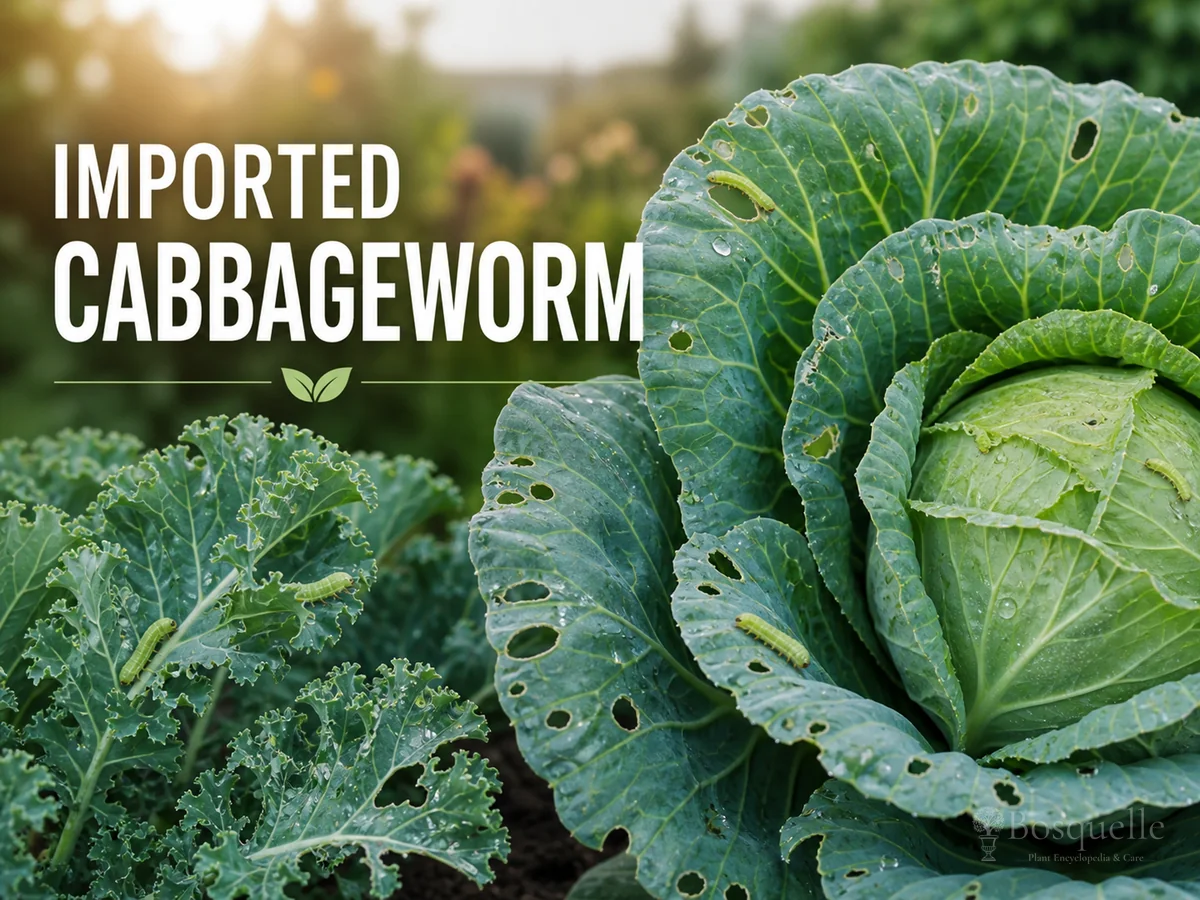
Imported cabbageworms are the velvety green larvae of the cabbage white butterfly. They chew cabbage, kale, and cauliflower between the veins, then crawl into a forming head and leave wet green pellets. The adult is a white butterfly with black spots, flying by day. A looping inchworm arch is cabbage looper leftover. A tiny larva that wriggles hard and drops on silk is diamondback leftover. Wilt from below with no leaf chew is cabbage maggot leftover. A bottle will not rewind a bored head.
Do this first: if whites are over the bed, hunt undersides tonight. Pick velvety green worms into soap. Crush yellow eggs. Cover the next sowing before the first white. Fail if you admire the butterfly and never turn a leaf.
Velvety worm, or an inchworm arch, or a wriggle on silk
Search says cabbage worms for all of them. The gait tells the job. Wait on a single ragged wrapper on an older kale that is still pushing. Tolerate light holes while you hunt. Discard a seedling whose growing point is gone. Bin a head already fouled with moist pellets. Fail if you fog the row because one leaf looks ugly and never poke a worm.
| What you see | Likely | Do this first |
|---|---|---|
| Velvety green, sluggish when poked, faint yellow stripe | Imported cabbageworm | Pick into soap; hunt after whites |
| Pale green that arches the middle, no legs there | Cabbage looper leftover | See that pest — night moth, not a white butterfly |
| Tiny tapered green, wriggles hard, drops on silk | Diamondback leftover | See that pest — much smaller |
| Plant wilts in the sun, no leaf chew | Cabbage maggot leftover | See that pest — pull the root |
| Peppered seedling holes, beetles jump | Flea beetle leftover | See that pest — they do not leave pellets |
Is this a cabbage looper?
Loopers arch the middle like an inchworm because they lack middle legs. This worm is velvety, sluggish, and belongs to a white butterfly by day. See cabbage looper if it loops.
White butterfly by day, yellow eggs on the leaf
The larva is velvety green, about an inch when full, with a faint yellow line down the back and often yellow spots on the sides. It moves sluggishly when poked. Eggs are yellow and oblong, stood on end on both leaf faces. The adult is the cabbage white — white wings, black forewing spots, flying in daylight. Females usually show two spots, males one. Do not treat every green caterpillar as this worm. Check undersides every five to seven days after you see the first whites. Two to three overlapping generations are normal once they start. Fail if a pretty wing is your proof the bed is safe.
How do I identify imported cabbageworms?
Velvety green, about an inch, faint yellow stripe, sluggish when poked. Yellow oblong eggs on the leaf. The parent is a cabbage white with black spots, flying in daylight.
Do white butterflies lay cabbage worms?
Yes. The pretty white is the parent. Hunt undersides a week after you see them. Crush yellow eggs. Covers keep the next flight off clean plants.
Holes first, then a bored head
| What you see | What it means |
|---|---|
| Small window on the underside, veins intact | Young larvae — pick or coat now |
| Ragged holes between veins, moist green pellets | Later instars; hunt the velvet |
| About a third of the leaf gone, head still forming | Tolerate on older plants; keep picking |
| Pellets in the wrapper or a bored cabbage heart | Act — discard soiled outer leaves |
| Seedling growing point chewed | Act tonight; young plants do not wait |
Cole crops often keep heading after light chewing. Wait on a canopy fog for cosmetic holes. Discard a wrecked outer leaf. Bin a curd already fouled. Fail if one spray on a fat worm is the whole plan.
Can the plant take some holes?
Older cabbage and kale often keep heading after light chew. Wait on cosmetic holes. Act if the growing point or the forming head is bored.
Hunt the velvet after you see whites
A week after the first cabbage whites, turn leaves. Young worms look like a grain of rice, a green ridge on the underside. They blend. Frass often shows first. Squash small ones on the leaf. Drop larger ones in soap. Hunt cabbage, kale, and a forming cauliflower head — do not dump every mustard weed. Fail if you wait until the heart is already a latrine. Check every five to seven days through the season.
When should I hunt?
A week after the first whites, then every five to seven days. Young worms look like a grain of rice on the underside. Fail if you wait for a bored heart.
Cover before the first butterfly
Lightweight cloth at seeding or transplant keeps the white off the first leaves. Seal the edges. Peek underneath — worms already in the row will finish under a tent. Cabbage, kale, and cauliflower harvested as heads or leaves do not need bees, so you can leave the cover until you cut. Vent on hot days. Inspect six-packs before they go under fabric. Fail if you drape torn cloth after the leaves are already ragged.
Do row covers stop cabbage whites?
Yes, if you set them at seeding or transplant and seal the edges. Peek underneath. Do not tent plants that already have velvet on the leaf.
Bt only while they are small
Labelled Bacillus thuringiensis works when a small worm eats the coated leaf. Feeding often stops in a day; they may still look alive for two to three days. Coat the underside in the evening or on a cloudy day — sunlight weakens it. Reapply after rain. A fat inch-long velvet shrugs a noon fog; pick those into soap. Skip the brand aisle. Fail if one spray on a large caterpillar is the plan and the cloth stays in the shed.
Will Bt kill cabbage worms?
Labelled Bt works when a small worm eats the coated leaf. Feeding stops in a day. Pick fat worms into soap. Coat undersides in cool hours and repeat after rain.
Frass on the wrapper leftover
Dark green wet pellets on the leaf or in the wrapper are often the first tell. Follow them to the worm. On cauliflower the pellets hide in the curd. Wipe what you can. Discard a fouled outer leaf. Bin a head already stained through. Wait on a few pellets on an outer kale leaf if you are still hunting daily. Fail if you wash the poop and never find the velvet.
What is the poop on my cabbage?
Moist green pellets are frass. Follow them to the worm, often in the wrapper or the curd. Discard a fouled outer leaf. Bin a stained head.
Cabbage, kale, and a forming head
Cabbage and kale take the leaf chew. Cauliflower shows the bored curd leftover. Do not dump Brussels, collard, and mustard as a second list. Wild mustard weeds feed them — pull those. Two to three weeks of feeding, then a chrysalis on the plant, a fence, or a wall. Pull debris after harvest so winter pupae have fewer hiding places. Fail if you leave a fouled stump for the next flight.
Handpick the velvet — a bottle will not rewind a bored head
- Confirm the velvety green and the sluggish poke before you treat. A looping gait is a different adult.
- Crush yellow eggs; pick worms into soap every five to seven days. Follow moist pellets into the wrapper.
- Cover cole transplants at planting through harvest if whites are thick; peek underneath.
- Use labelled Bt only while larvae are small; coat undersides in cool hours; repeat in two to three days.
- Wait on about a third of the leaf on older plants; tolerate cosmetic holes; discard a fouled outer leaf.
- Pull debris after harvest. Products last — a local label if young plants still collapse. Skip the brand aisle. Fail if a noon fog on a fat worm is the plan and the cloth stays in the shed.
Related reading
- Cabbage looper — looping gait on the same cole crops; a night moth, not a white butterfly.
- Diamondback moth — tiny larvae that wriggle or drop on silk.
- Cabbage maggot — wilt from tunneled roots, not a leaf chew.
- Flea beetles — shot-holes on seedlings, not velvety worms.
FAQ
Does it wriggle and drop on silk?
That is diamondback leftover — much smaller, tapered, violent wriggle. This worm is sluggish velvet. See diamondback moth for the silk drop.
Is wilt from below this worm?
No. Leaf chew is this job. Wilt in the sun with wet soil and no holes is cabbage maggot leftover. Pull that root.
Should I spray to kill them today?
Pick first. Bt is for small worms that still eat. A bottle will not rewind a bored head. Skip kill-copy and the brand aisle.
Host plants
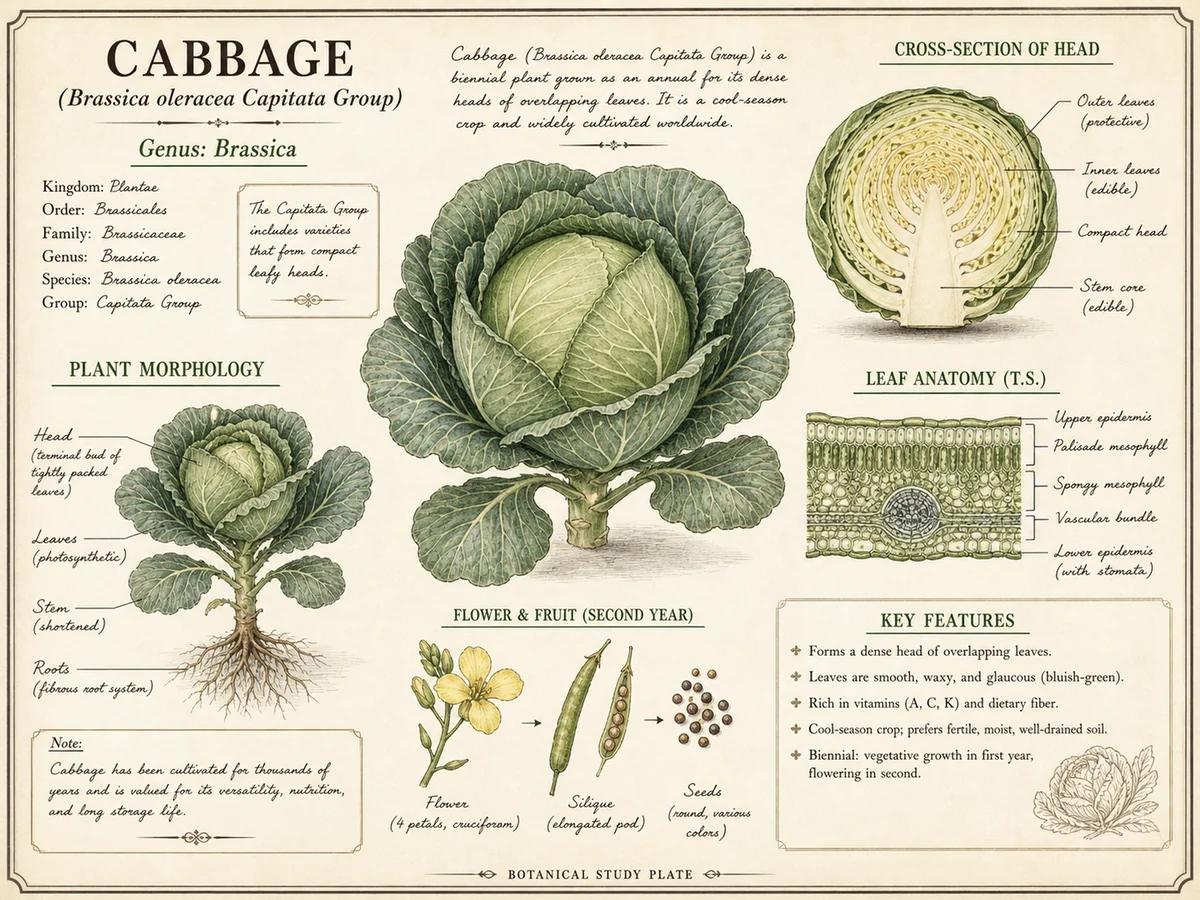
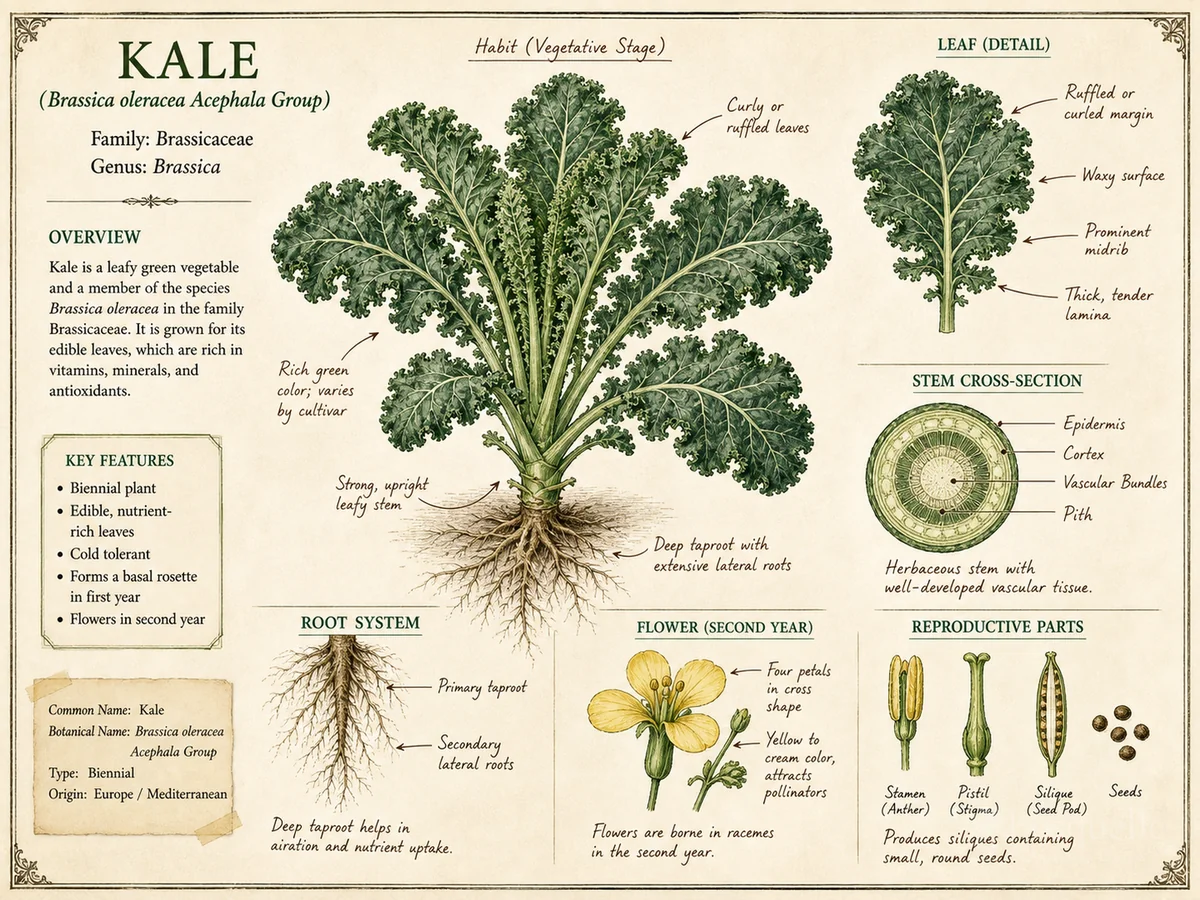
A few garden examples where soft new growth invites early colonies.

Related pests



Related diseases




Updated: Reviewed by Bosquelle Editors