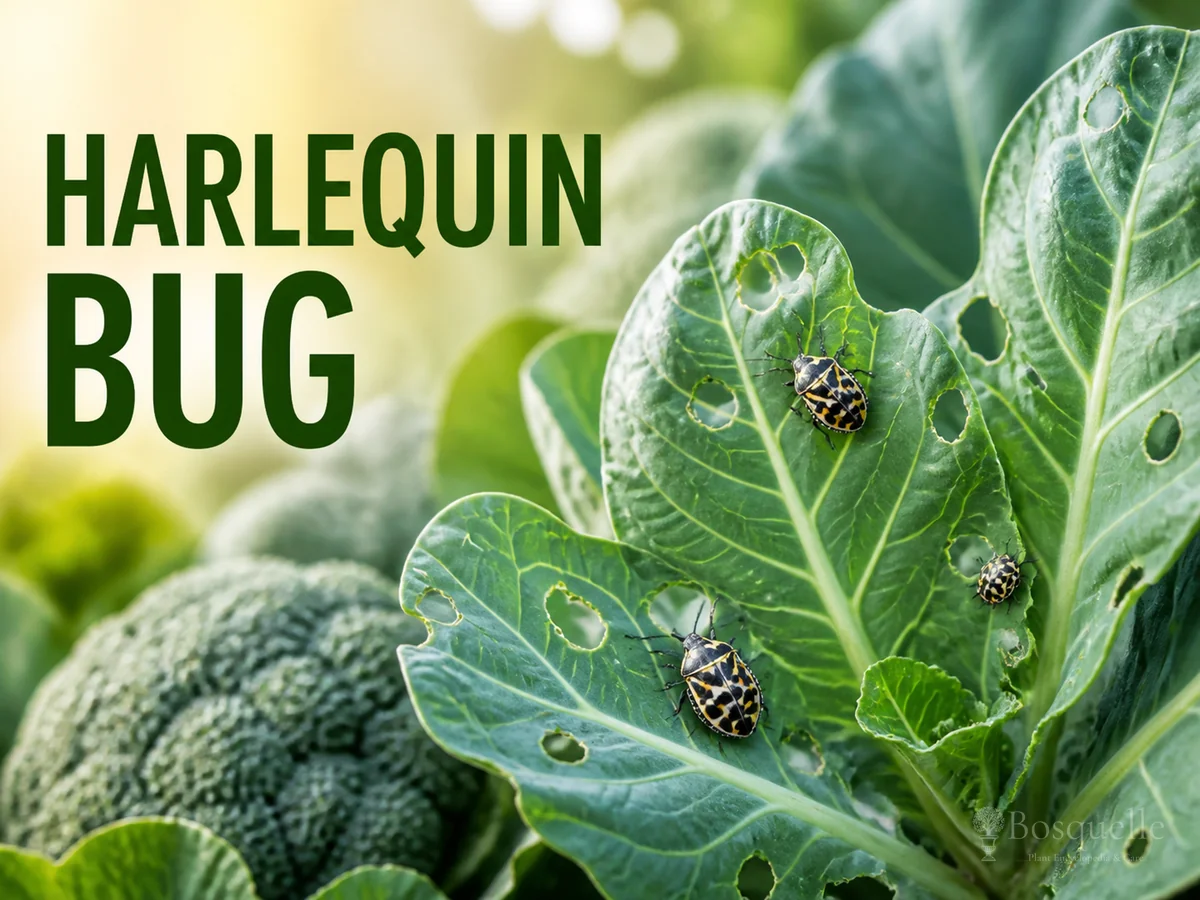
Harlequin bugs are orange-and-black shield bugs that suck sap from cabbage, kale, broccoli, and mustard. Leaves blotch white or yellow; they do not chew holes. If the shield is bright and the crop is kale or cabbage — not a gray bug on squash — this is the pest.
Do this first: flip kale and cabbage. Crush white barrels with black hoops. Drop the adults into soap — they fall; wear gloves. Cover young cole if the bed is still open. A metallic clutch on pumpkin is the squash-bug page.
Orange-and-black shield, or a gray squash bug / a house stink bug / a looper hole
| What you see | Likely | Do this first |
|---|---|---|
| Black shield with red, orange, or yellow marks on kale or cabbage | Harlequin bug | Flip for barrels; soap pail |
| Gray elongated bug, metallic eggs, on squash | Squash bug | See that pest |
| Dull brown shield indoors in fall | House stink bug — not this pest | Not this pest |
| Smaller black bug with white marks | Bagrada — different pest | Not this pest |
| Ragged chew holes, arching caterpillar | Cabbage looper | See that pest |
| Round beetle hunting aphids | Ladybug — leave it | Not this pest |
Search says stink bug for every shield. Crop and eggs tell the job. Do not spare orange marks because they look painted.
Are they the same as stink bugs?
They are stink bugs, but this is the orange-and-black kale-and-cabbage pest. A dull brown shield in the house is a different insect. Do not treat every shield as one pest.
Are they squash bugs?
No. Squash bugs are gray, live on cucurbits, and lay metallic eggs on pumpkin and squash. This pest is orange-and-black on kale and cabbage. Squash bugs wilt pumpkin.
Are they bagrada bugs?
Bagrada bugs are smaller and wear white marks. This adult is about three-eighths of an inch, black with red, orange, or yellow marks. Do not spray them as if they were every similar-looking bug.
Are they cabbage loopers?
Loopers chew holes and arch as they walk. This pest sucks sap and leaves white blotches with no chew. Loopers leave ragged chew holes.
Are they ladybugs?
No. Ladybugs are round beetles that hunt aphids. This is a shield-shaped true bug. An Asian lady beetle in the house is a different insect.
Calico shield, three-eighths of an inch, it stinks
Adults are about a quarter to three-eighths of an inch. The pattern is black with red, orange, or yellow marks — calico bug, fire bug, terrapin back. Nymphs start round and wingless and brighten through five molts. They hide under leaves when you come. Handle them and the scent glands fire. Do not just scout the upper kale at noon.
What do harlequin bugs look like?
Adults are about a quarter to three-eighths of an inch, shield-shaped, black with red, orange, or yellow marks. Nymphs are rounder, wingless, and get brighter as they molt. They stink when handled.
Why do they smell?
They are stink bugs. Scent glands fire when you grab them. Wear gloves and use the soap pail. The smell is a defense, not a bite.
White barrels with black hoops — two rows of six
Eggs stand on end like tiny kegs. Two black hoops look like the hoops on a tiny keg; a black crescent sits on the lid. About twelve make two rows of six on the underside. Hatch can be four or five days in heat, about twenty when it is cool. Tear the leaf and crush. Do not compost it. Do not wait for adults and leave the clutch.
What do the eggs look like?
Tiny white barrels with black hoops, like the hoops on a tiny keg, and a black crescent on top. About twelve stand in two rows of six under a leaf. Crush them. Do not compost the leaf.
How often should I check for eggs?
Flip cole undersides twice a week in warm weather. Heat can hatch barrels in four or five days. Do not wait for adults and leave the clutch.
Seedlings and kale first — wait on a tough cabbage
| What you see | What it means |
|---|---|
| A handful of shields, light white blotch | Wait — pick this week |
| Seedlings wilting or browning | Act — cover and pail |
| Soft kale tattering | Act — yield is next |
| One blotched wrapper on a heading cabbage | Wait — discard the leaf |
A handful is not a crisis. Heavy nymphs on young plants can kill the row. Wait on cosmetic marks. Act when the plant stalls. Fail if a tough cabbage gets the same spray as a dying transplant.
Will they kill my cabbage?
Seedlings and soft kale can wilt and die. A handful on a tough cabbage is often cosmetic blotch. Wait on that. Act when leaves brown and the plant stalls.
They drop when you reach — soap, not a board
Hold a cup of soapy water under the leaf, then tap. Adults and nymphs drop. Gloves help with the smell. Twice a week in warm weather. They drop into soap — do not wait for a board at dawn. Do not grab from above and watch them vanish at the crown.
Why do they drop off the leaf?
Disturbed adults and nymphs drop. Hold the soap pail under the leaf, then tap. A grab that misses is how they hide at the crown. They drop into soap, not onto a board.
Mustard and cleome pull the first wave — then destroy them
Fast mustard or radish, or a patch of cleome, concentrates the first adults. They gather on the best food. Pick that strip or cut cleome hard and bag it. Do not let the trap flower and the cabbage inherits the swarm. A trap you harvest is not a trap.
Will a mustard trap crop help?
Early mustard or radish can pull the first wave. Then pick or bag that strip. Do not let the trap flower and dump bugs onto the cabbage.
Why plant cleome?
They love spider flower. Use it as a trap you cut back and bag, not as an ornament you ignore. Infested cleome left standing feeds the cole row.
Wild mustard at the edge feeds next spring
Adults overwinter in cole debris, leaf litter, and weeds — wild mustard, shepherd’s purse, pigweed, lambsquarter. Pull the edge in early spring before they fly into kale. Clear the bed after the last cut. Do not pail the crop and leave last year’s stalks.
Should I pull wild mustard?
Yes — wild mustard, shepherd’s purse, and pigweed hold them at the edge. Pull in early spring before they fly into kale. Do not rinse the crop and leave the weed strip.
Cover cole crops — they do not need bees
Seal fabric at transplant, before adults arrive. Peek for bugs already in. Cabbage, kale, and broccoli do not need insect pollination, so the cloth can stay until harvest. Do not pull the cloth at flower the way you would on squash.
Will row covers stop harlequin bugs?
If you seal them at transplant, before adults arrive. Peek underneath. Cole crops do not need bees, so the cloth can stay. Do not drape torn fabric after the row is already orange.
Can I leave covers on until harvest?
Yes on cabbage, kale, and broccoli — they do not need insect pollination. Pull only to scout eggs. Do not uncover at flower the way you would on squash.
A labelled soap is last — adults shrug a noon fog
Nymphs are easier than hard adults. Soap has to wet the body in cool hours. Bt will not touch them. Skip the brand aisle. Fail if a noon fog on shields is the plan and the barrels go un-crushed.
Do sprays work on adults?
Poorly. Hard shields shrug a noon fog. Nymphs are easier. Soap has to wet the body. A noon spray rarely pays. Skip the brand aisle.
Will Bt kill harlequin bugs?
No. Bt is for caterpillars. These are true bugs. Crush barrels and use the pail.
Steps that actually reduce harlequin bugs
- Confirm orange-and-black on kale or cabbage. Gray on squash is a different pest.
- Crush white barrels with black hoops twice a week; do not compost the leaf.
- Drop adults and nymphs into soap — they fall; wear gloves.
- Cover young cole sealed; leave it on; peek.
- Run a mustard or cleome trap you then destroy. Pull wild mustard at the edge.
- Wait on a handful on a tough cabbage. Clear debris after harvest. Products last, nymphs, cool hours. Fail if a noon fog is the plan and the trap is left to flower.
How do I get rid of harlequin bugs?
Flip for white barrels with black hoops. Drop the shields into soap — they fall. Cover young cole. Destroy a mustard or cleome trap. Pull debris after harvest. Do not let a noon fog is the whole plan.
Related reading
- Squash bug — gray shield on pumpkin and squash, not kale and cabbage.
- Cabbage looper — chewing caterpillars on the same kale and cabbage.
- Diamondback moth — tiny larvae that wriggle on cole leaves, not sap blotch.
FAQ
Do they bite people?
They are plant feeders. The job is the smell on your gloves, not a medical bite. Use the pail.
Is this about harlequin pothos?
No. That search is an indoor plant, not this insect. This pest lives on kale and cabbage.
Do they live in the house?
This is the garden kale-and-cabbage pest. A brown shield on siding in fall is a different stink bug. Do not spray the kitchen for a garden pest.
Host plants
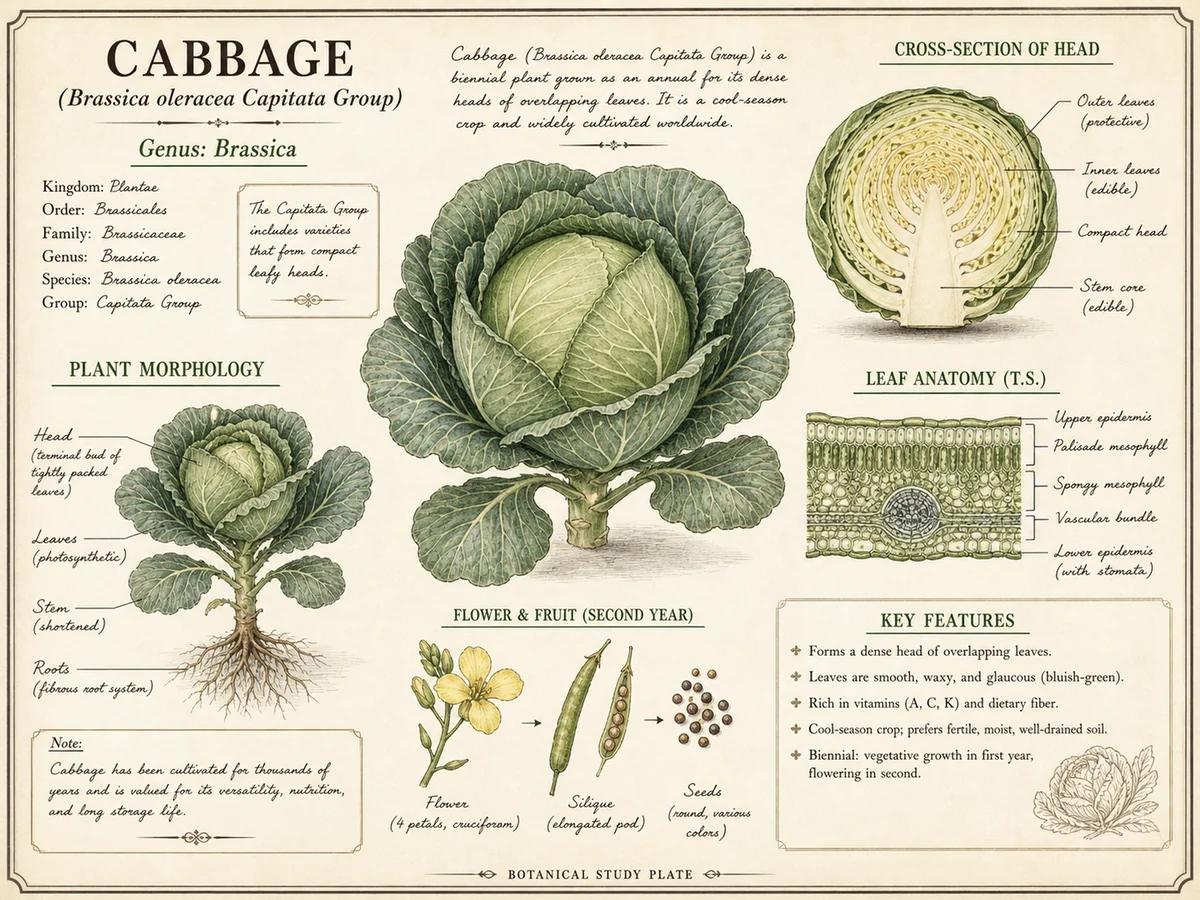
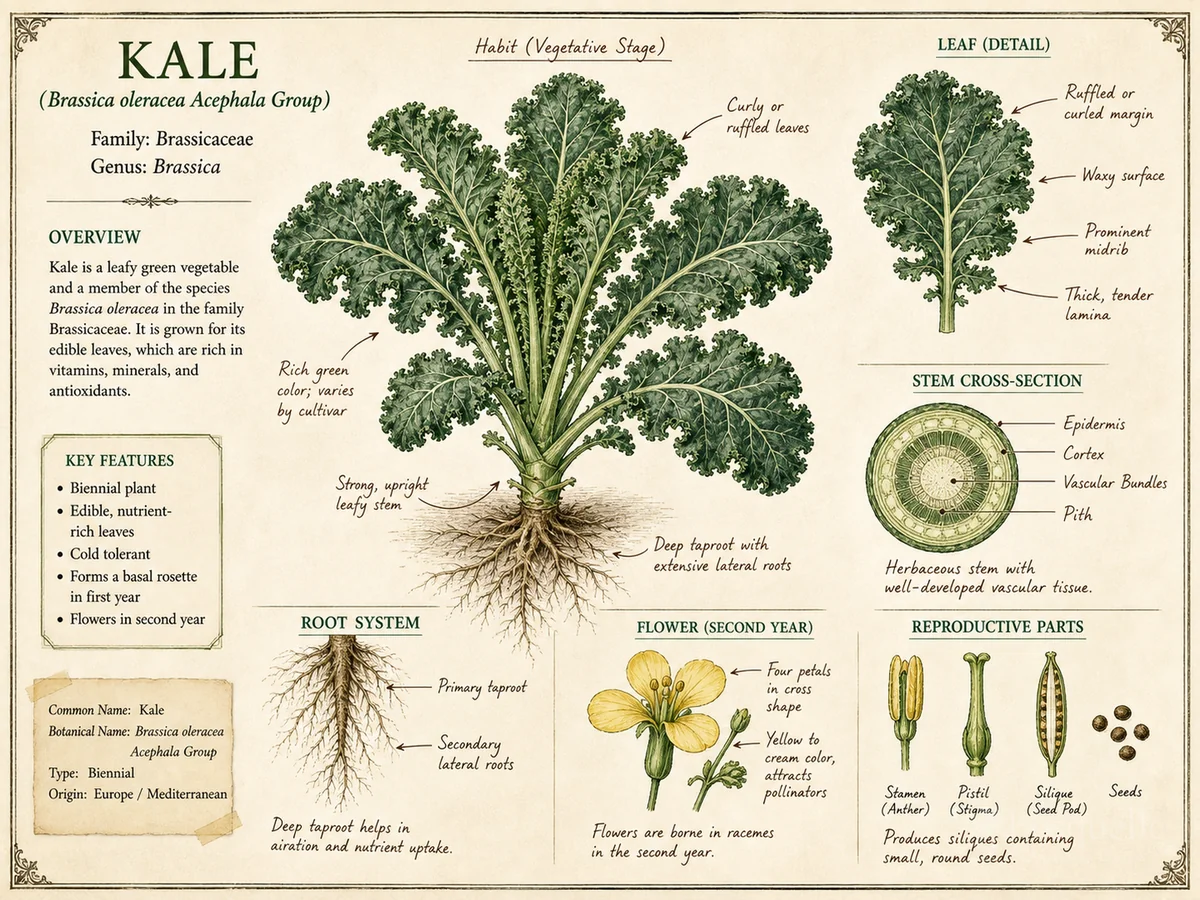
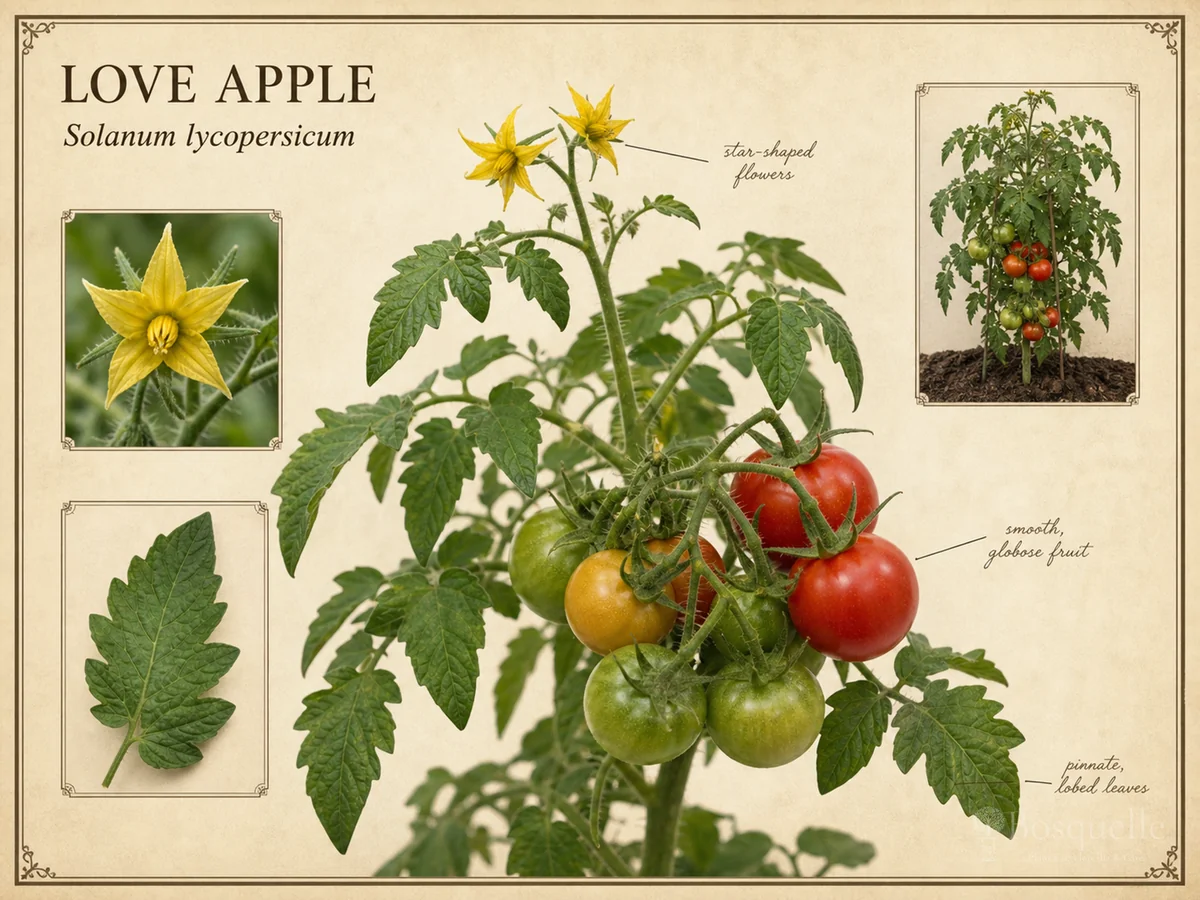
A few garden examples where soft new growth invites early colonies.


Related pests



Related diseases




Updated: Reviewed by Bosquelle Editors