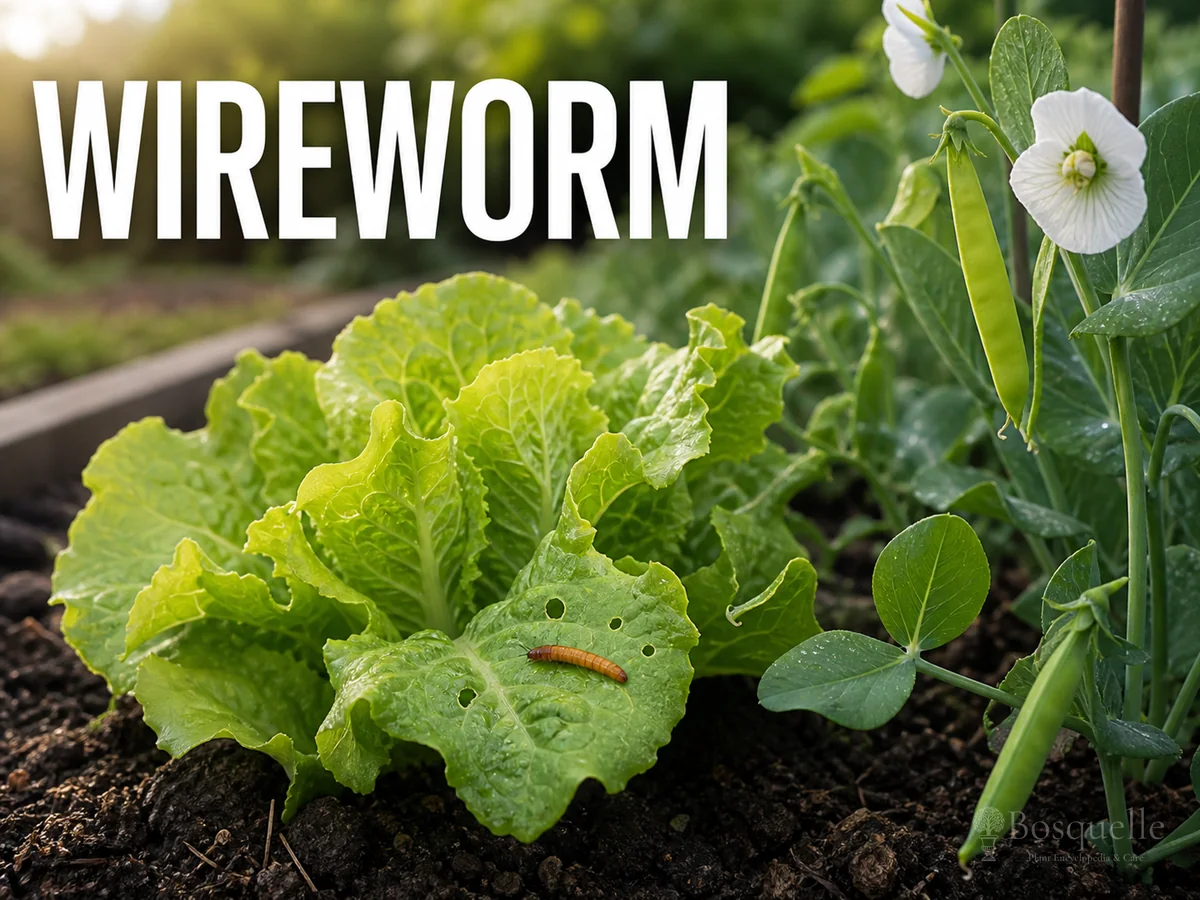
Wireworms are slender, hard, yellow-to-brown larvae of click beetles. They live in the soil and chew germinating seeds, roots, and underground stems — and they tunnel potato tubers. Damage shows as weak seedlings or holed tubers with nothing on the leaves. If you find a hard yellow wire with three pairs of legs behind the head, this is the pest.
Do this first: spear potato chunks on sticks and bury them two to four inches, stick showing. Crush what you find in a week. Do not sow potatoes into last year’s lawn. Wait for warm soil. A stem snipped overnight is cutworms. Cream grubs in a pot are vine weevils.
Drill-bit holes, or a stem snip / cream grub / a millipede coil
| What you see | Likely | Do this first |
|---|---|---|
| Hard yellow larva; three pairs of legs behind the head; drill-bit tuber holes | Wireworm | Potato bait; crush |
| Seedling snipped overnight at the soil line; soft caterpillar in the top inch | Cutworm | See cutworms |
| Cream grub in container mix; notched leaves on the shrub | Vine weevil | See vine weevils |
| Many legs; coils when touched | Millipede | Not this pest |
| Wide tuber pits and slime | Slug | See slugs |
Are they cutworms?
No. Cutworms are soft caterpillars that snip stems overnight at the soil line. This pest is a hard beetle larva that stays underground and tunnels seeds, roots, and tubers.
Are they millipedes?
No. Millipedes have many pairs of legs and coil when you touch them. This larva has three pairs of legs just behind the head, and a hard shiny skin.
Are they vine weevils?
No. Vine weevil larvae are cream grubs in container mix, and the adults notch leaves. This pest is a hard yellow wire in garden soil, often after grass.
Are they white grubs?
No. White grubs are fat, cream, and soft. This larva is slender and hard — about as wide as a cocktail straw — and does not look like a chafer grub.
Hard yellow wire — three pairs behind the head
Larvae are jointed, shiny, yellow to orange-brown, about as wide as a cocktail straw and a quarter inch to an inch and a half long. Three pairs of short legs sit just behind the head. They feel hard, not squishy. You meet them while digging, not on the leaf.
Adults are click beetles — plain, hard, brown or black. Flip one and it snaps upright with a click. The click beetle does not chew your potatoes. The larva does.
What do wireworms look like?
Slender, jointed, yellow to orange-brown, a quarter inch to an inch and a half. Hard and shiny. Three pairs of short legs behind the head.
Are click beetles the same pest?
The adult is a click beetle — it flips with a click if you turn it over. The damage is the larva in the soil. Killing one adult does not empty a bed.
Click beetles flip — the larvae stay years
Eggs go into grassy or weedy soil in spring and summer. The larva is the long job: often two to six years, moving up when the soil is cool and moist and down when it dries. Several ages can share one bed. Pupae stay in the soil. A few larvae are not a wipeout; a bed that was lawn last year is a warning.
How long do they live in the soil?
Often two to six years as larvae, depending on the species and the weather. Several ages can share one bed. That is why one week of trapping is not a finish.
A few holed tubers wait — gaps in the row act
A handful of drill-bit holes in an otherwise good potato harvest is kitchen work — cut them out and cook. Fight when corn or bean rows gap, when seedlings wilt in patches with no leaf chew, or when many tubers tunnel. Wait on a few. Act on a flush you can confirm in the soil.
Why are my potato tubers full of holes?
Narrow drill-bit tunnels often mean this pest. Check the soil while you dig. Hard yellow larvae are the clue. Wide pits with slime are slugs.
Will a few holes ruin the crop?
A few holed tubers on a big harvest are often kitchen trimming, not a crisis. Act when rows gap, seedlings wilt in patches, or many tubers show clean tunnels.
Wide pits and slime are slugs
Slug feeding on a potato is broader and shallower, and you may see slime. This pest leaves a clean hole, like a drill bit, and a narrow tunnel into the flesh. Leaves stay unmarked. Cut the tuber before you blame the insect — both jobs can share a wet bed.
Is it slug damage?
Slug pits are broader and shallower, and you may see slime. This pest leaves a hole like a drill bit and a narrow tunnel. Cut the tuber open before you spray.
Spear a potato — check in a week
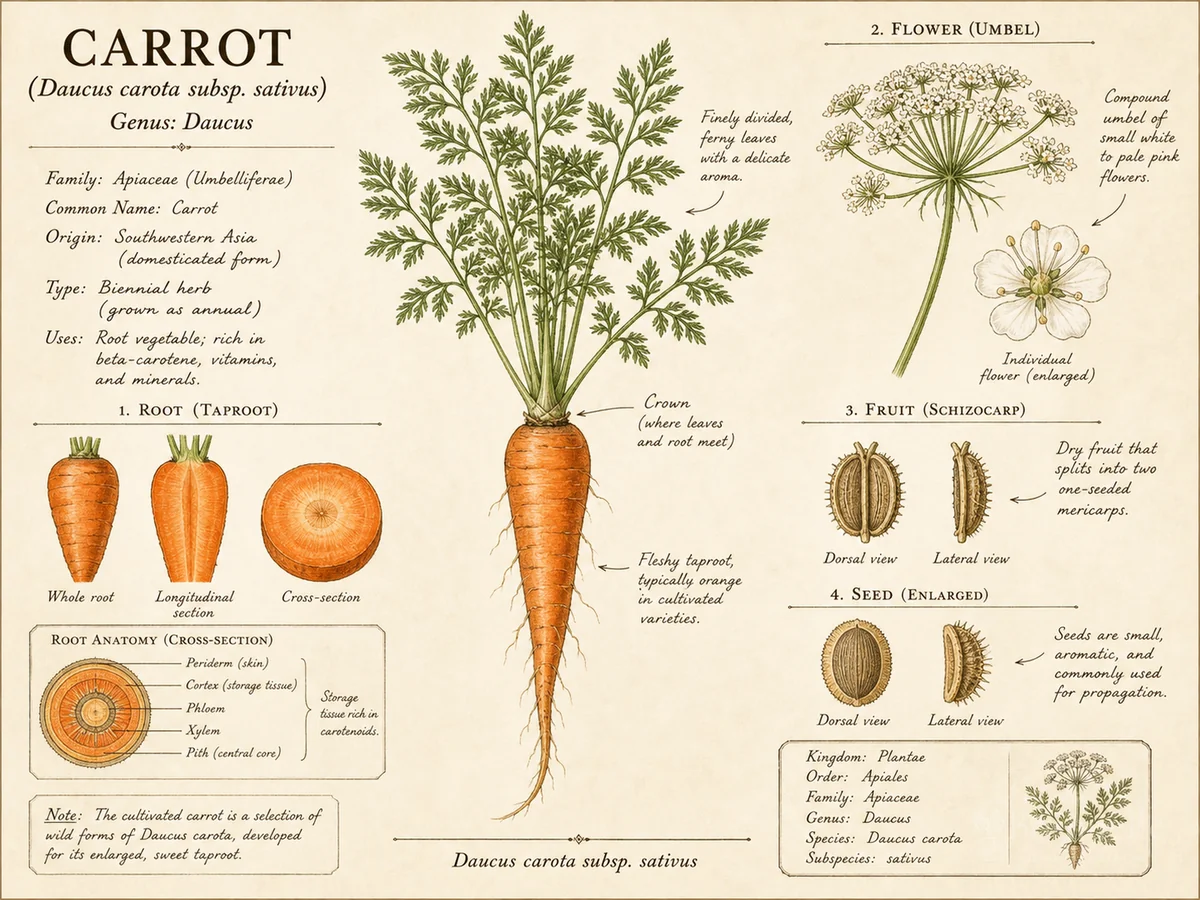
Cut potato or carrot chunks. Spear them. Bury the potato bait two to four inches deep every few feet, stick showing. Check every five to seven days. Crush the hard yellow larvae inside. Repeat while you still find them. This is a watch and a cull, not a cure in one weekend. Fail if you spray because last year’s tubers looked ugly and you have not speared a potato this spring.
How do I bait for wireworms?
Cut potato chunks, spear them on a stick, and bury them two to four inches with the stick showing. That potato bait is a watch. Check every five to seven days and crush what you find.
Will one season of baiting clear them?
No. Larvae can live years in the soil. Baiting cuts the count you can reach. Timing, drainage, and staying off sod do the rest over seasons.
Last year’s lawn is not a potato bed yet
Grassy sod, pasture, and weedy clover load this pest. When you strip the turf and plant potatoes or corn, the larvae walk onto the new food. Work the bed. Bait-check. Grow a less precious crop the first season if you can, or plant potatoes in fresh bagged mix. Fail if the first crop on new sod is a potato row with no bait in the ground.
Can I plant potatoes in a new lawn bed?
Not the first year if you can wait. Grassy sod holds this pest. Work the bed, bait-check, and grow something less precious first — or grow potatoes in fresh bagged mix.
Warm soil, then sow
Cool, wet springs slow germination. Seed that sits is food. Wait until the soil warms so corn, beans, and peas move past the bite. Drain wet pockets; raised beds help on heavy ground. Dig potatoes and carrots when they are ready — leftover tubers feed the next year.
Should I plant earlier to beat them?
No. Cold soil slows germination, and the larvae have longer to chew the seed. Wait until the soil warms so seedlings move past the vulnerable stage fast.
A labelled drench is last — they live below the spray
Home foliar insecticides miss soil larvae. There is no rescue once a row has already gapped. Bt will not touch them. Skip the brand aisle. Birds after a shallow dig help more than a noon fog. Fail if a bottle is the plan and the bait stick never went in.
Will Bt kill them?
No. Bt is for caterpillars. This is a beetle larva in the soil. A noon foliar spray does not reach it. Skip the brand aisle.
Steps that actually reduce wireworms
- Confirm the hard yellow wire with three pairs of legs behind the head. Millipedes coil. Cutworms snip stems.
- Spear potato bait two to four inches down. Check every five to seven days. Crush what you find.
- Stay off last year’s lawn for potatoes and corn when you can. Bait-check new beds.
- Sow in warm soil so seed does not sit. Drain wet pockets.
- Wait on a few holed tubers. Act when rows gap or tunnels run through the harvest.
- Dig roots when ready. Skip the brand aisle. Fail if you plant into sod without a bait check.
How do I get rid of wireworms?
Bait and crush, stay off last year’s lawn, sow in warm soil, dig roots when they are ready, and drain wet pockets. Fail if the plan is a spray after harvest holes and you never speared a potato.
Related reading
- Cutworms — night stem snips at the soil line, not tuber tunnels.
- Cabbage maggot — white legless larvae in brassica roots, not a hard yellow wire in potato.
- Vine weevil — cream grubs mainly in containers, not a hard yellow wire in garden soil.
- Slugs — wide pits and slime on tubers, not drill-bit holes.
FAQ
Are they harmful to humans?
They feed on seeds, roots, and tubers. The job is the bait and the bed, not a medical bite. Brush one off and keep digging.
Is this about iron wireworm?
No. That search is a fishing lure. This pest is the hard yellow click-beetle larva in garden soil.
Is this a fishing lure?
No. Garden wireworms live under potatoes, corn, and beans. If you typed the metal lure, you are in the wrong article.
Host plants
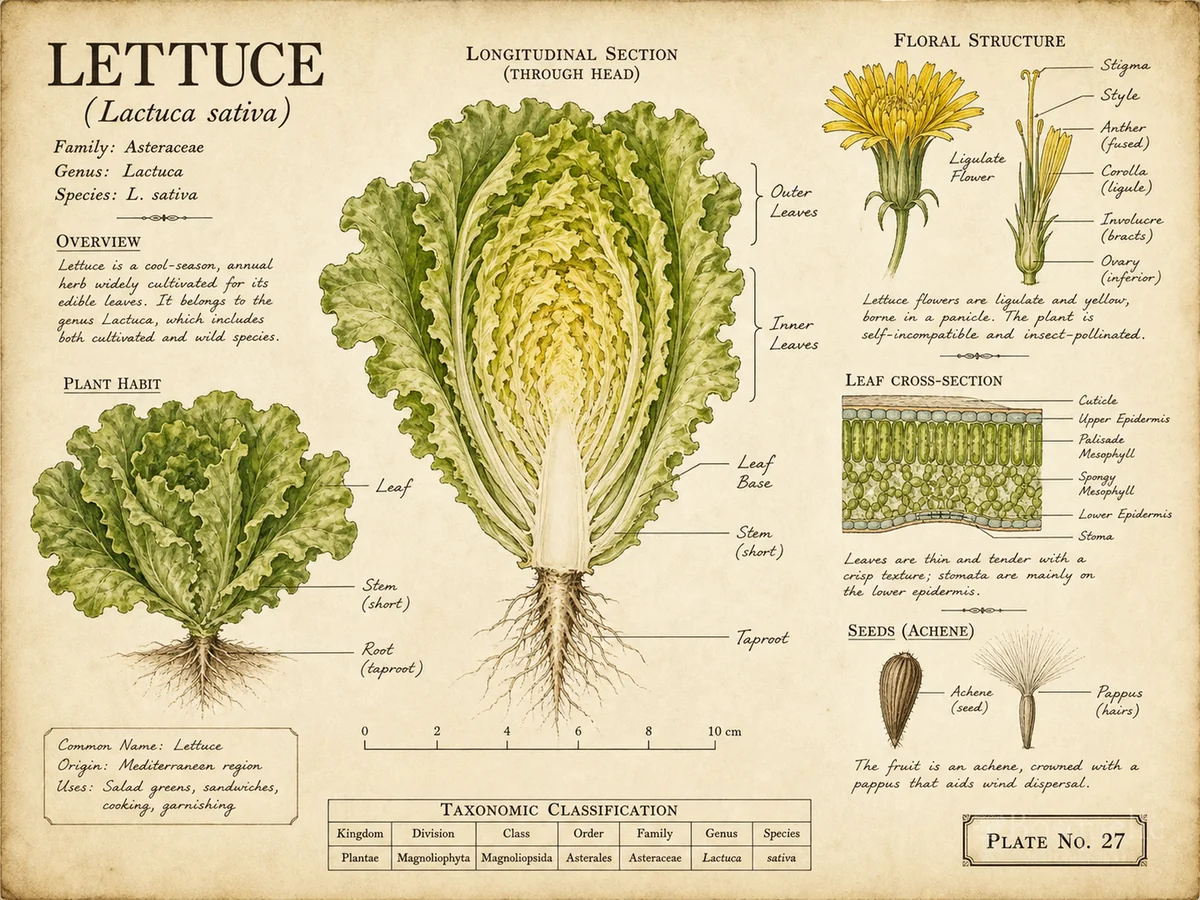
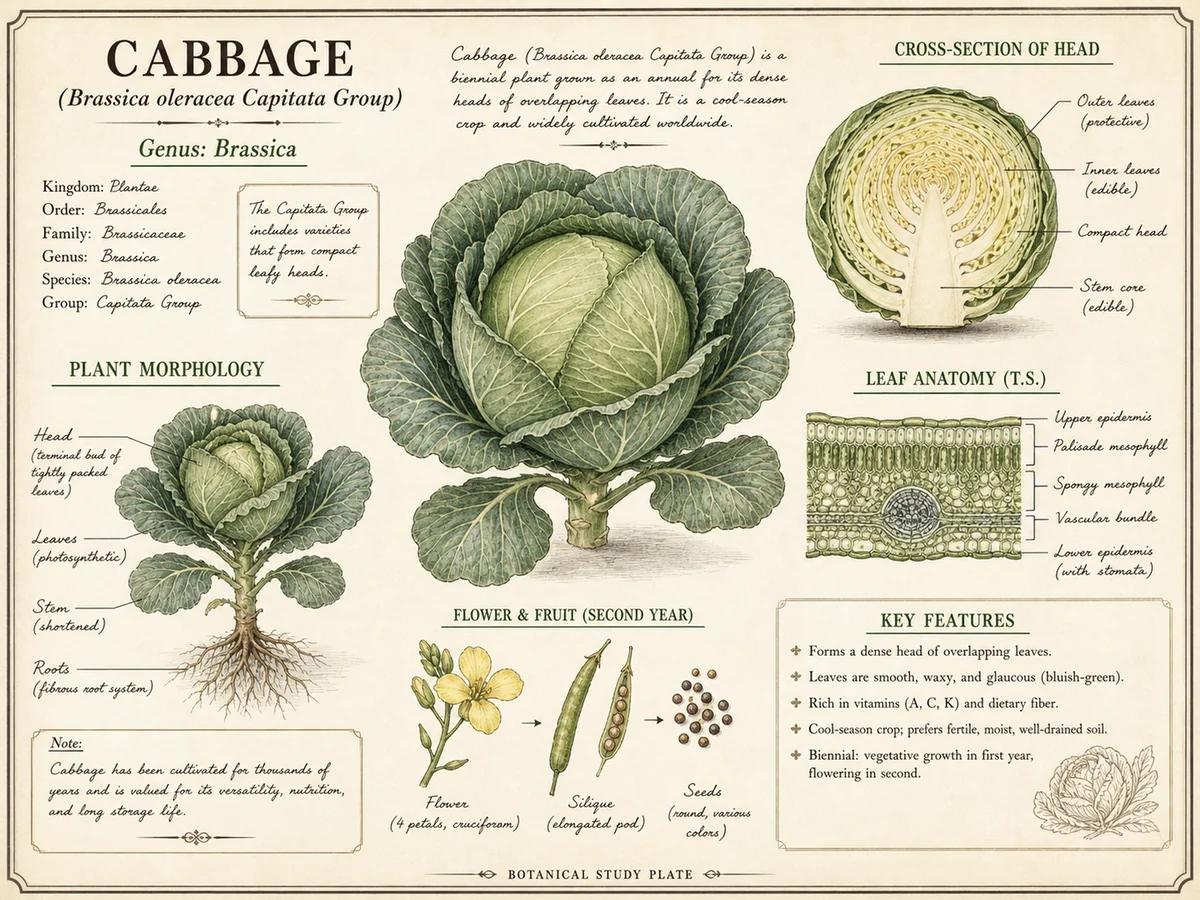
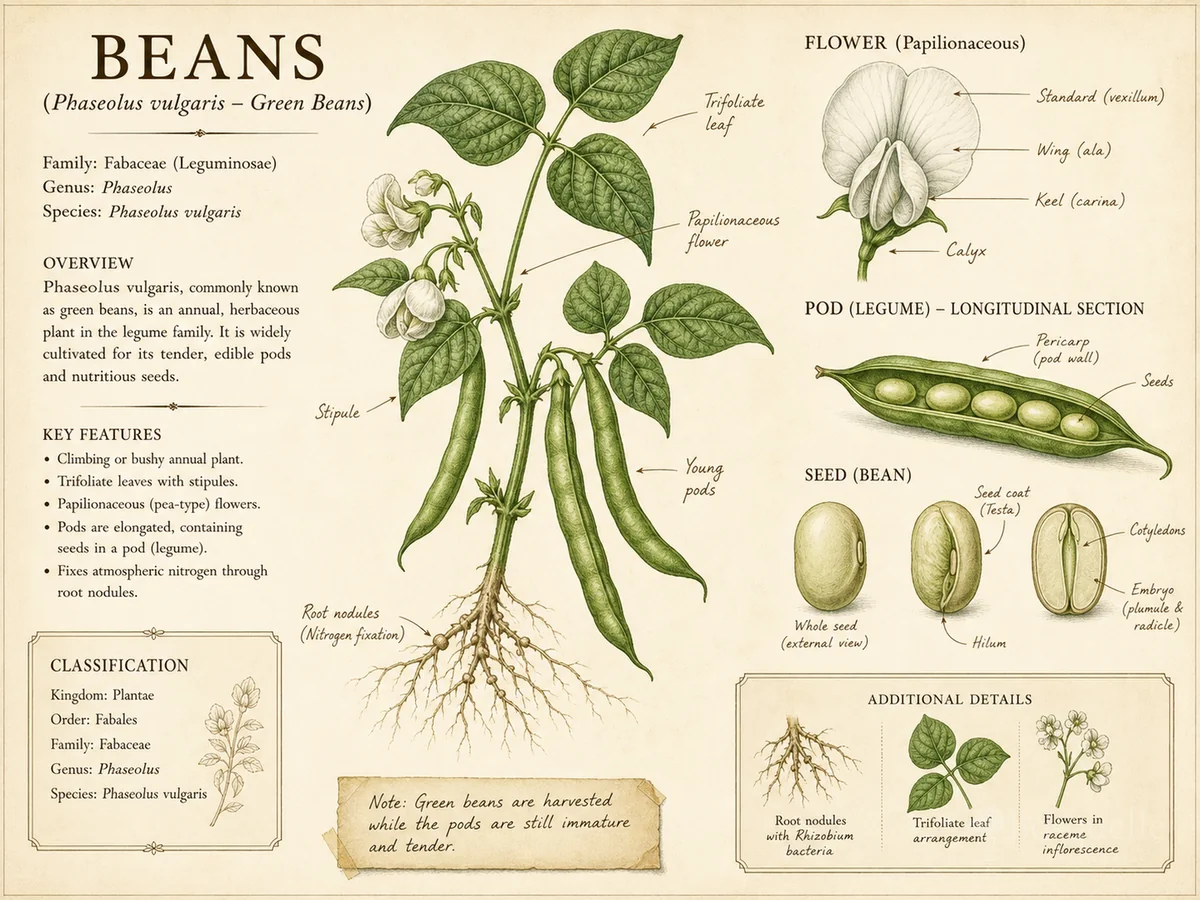
A few garden examples where soft new growth invites early colonies.



Related pests



Related diseases




Updated: Reviewed by Bosquelle Editors