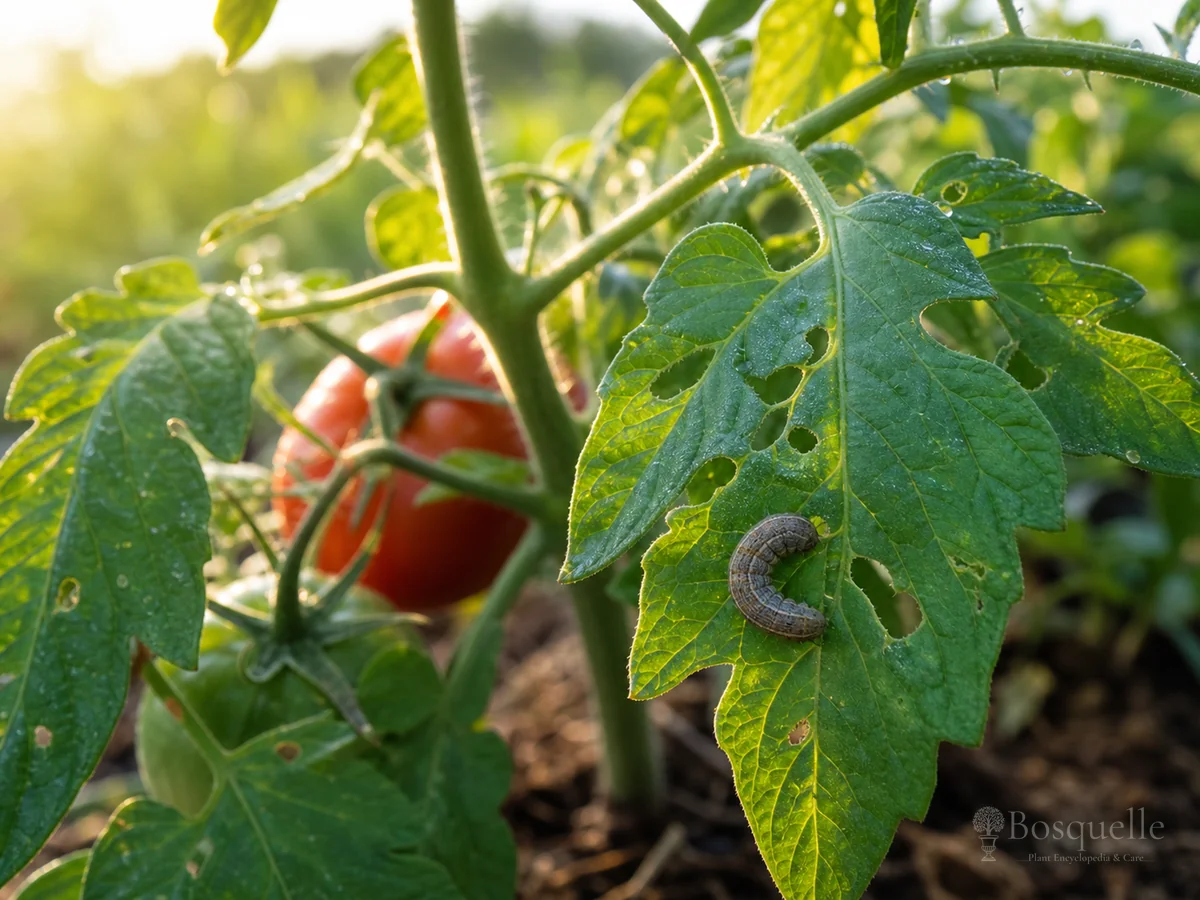
Cutworms are the larvae of several night-flying noctuid moths. By day they curl under soil or litter; at night they wrap a seedling stem and chew it off at the soil line. Plants lie beside their own stumps as if snipped. If a tomato, pepper, lettuce, or bedding start fell overnight and you need to tell a clean cut from slime, rot, or a canopy worm.
Do this first: collar every new transplant. Torch the row and dig one foot of soil beside any felled stem — if it curls into a C, drop it in soap.
A clean snip, slime, or a collapsed collar
| What you see | Likely | Do this first |
|---|---|---|
| Seedling felled overnight, clean cut at the soil line | Cutworm | Dig one foot; collar the rest |
| Same night loss plus a shiny trail | Slug or snail | See slugs |
| Stem still attached, pinched and brown in a wet tray | Damping-off | Dry the tray; not a night cutter |
| Angled cut on a larger plant | Rabbit or other mammal | Fence; not a cardboard collar job |
| Large green worm high in tomato leaves | Tomato hornworm | See that pest — canopy, not soil line |
| Tiny jumping beetles, peppered seedling leaves | Flea beetle | See that pest — not a snipped stem |
Night loss is shared. The cut and the body tell the job. Forceps insects in a bloom are earwigs, not this pest. Japanese beetles chew by day on roses; they do not fell a transplant at the soil line.
Dig one foot of soil — it curls into a C
Larvae are smooth, mostly hairless, about one to two inches when grown, grey, brown, pink, or nearly black, sometimes striped. They hide in the top inch of soil, under a clod, or in a small hole beside the stump. Run a hand within one foot of the damage. Disturbed, they curl into a C and hold. Moths — millers — do not chew the crop. Do not spray the row and never check the soil next to the cut.
Cardboard collar before the first night out
A cardboard collar, foil ring, or bottomless milk carton must encircle the stem with no gap. Push it 1–2 inches into the soil and leave 2–3 inches above so the larva cannot wrap the stem. Slit a toilet-paper roll down one side, set it in a shallow ditch, and firm soil around it the night of transplant. Leave cardboard to rot once the stem thickens; pull plastic before it binds. Fail if the ring sits on the mulch or stays on the potting bench while the tray goes out bare.
Torch the row; the jar of soap
Work at dusk or on a cloudy afternoon, then again after dark. Fresh cuts show in the morning. Drop what you find into soapy water. Repeat every few nights until the cutting stops. A single larva can fell several starts in a row. This is not a Japanese-beetle lure hanging in a tree, and it is not a houseplant isolate job. Do not torch once and call the bed done.
Climbers chew leaves; the classic job is the soil line
Some species later climb and chew leaves or fruit that touches the ground. Glassy types stay on roots and the plant wilts without a snip. Armyworms are cousins that feed in groups — not the usual garden stem cutter. Collar still blocks the wrap. Hunt the canopy only after you have ruled out a hornworm. Wait on light chewing on a tough, established stem. Do not treat every caterpillar on tomato as this pest.
Till twice, then wait two weeks to plant
| Stage | What it means |
|---|---|
| Eggs on litter and weeds | Moths lay on green edges and debris — mow and clear |
| Larvae | Night feeders; curl under soil by day; the cutting you see |
| Pupae in soil | Quiet stage; till exposes them to birds and weather |
| Soft starts | Peak pressure; delay the next tray if last week’s fell |
Fall till, then a shallow pass two to three weeks later. In spring, another shallow pass about two weeks before planting. Keep a three- to four-foot strip of dry soil off the grass. Compost, not a green-manure mat, at the edge. Do not skip collars this week and wait for a fall tidy to finish tonight’s tomatoes.
Collar the tray; wait on the woody bed
Act on seedlings and new transplants. Wait on established woody plants and on a stem already too thick to fell. Tolerate a nibble that does not tip the plant. Delay the next soft tray into a bed that lost many starts until every remaining plant is collared. Do not fog a flowering border at night while the rings sit unused.
Steps that actually reduce cutworms
- Confirm the C-curl within one foot of a clean snip before you treat.
- Collar at transplant: cardboard or foil 1–2 inches in, 2–3 inches up, no gap.
- Torch and soap every few nights until cutting stops.
- Till, wait two weeks, then plant; keep a dry strip off the grass.
- Tolerate light chewing on a woody stem; wait on a spray.
- Products last: Bt only while larvae are small and feeding — follow a local label; skip the brand aisle. Fail if open blooms get a night spray while the cardboard collar stays in the shed.
Related reading
- Tomato hornworm — large canopy caterpillars on nightshades, not soil-line cutters.
- Flea beetles — peppered seedling leaves without severing stems.
- Cabbage maggot — wilt in the sun from tunneled roots, not a stem snipped overnight.
FAQ
How do I get rid of cutworms naturally?
Fit a cardboard collar the night you transplant. Torch the row after dark and dig one foot of soil beside any felled stem; a cutworm will curl into a C — drop it in soapy water. Fail if the collar stays on the bench and you spray the bed.
Do cardboard collars work for cutworms?
Yes, if they encircle the stem with no gap. Push 1–2 inches into the soil and leave 2–3 inches above. A slit toilet-paper roll or a milk carton with the bottom cut out both work. Fail if the ring sits on top of the mulch.
How deep should a cutworm collar go?
One to two inches in, two to three inches up. Too shallow and they crawl under. Too tall a solid tube on a tiny start shades it — use a wide ring, not a chimney.
Can I use a toilet paper roll as a collar?
Yes as a ring around the stem, slit down one side so you do not thread leaves through. Do not leave a full tube on bean roots — it girdles. Cardboard rots in a few weeks, which is long enough.
Why did my tomato seedling fall over overnight?
A clean snip at the soil line is cutworm. Dig beside the stump. A stem still attached but pinched and brown is often damping-off, not this pest. Slime is slugs. An angled cut on a bigger plant is often a rabbit.
Will Bt kill cutworms?
Bt kurstaki works when small larvae eat it, usually late in the afternoon. Large soil-hiders shrug a spray aimed at leaves. Collar and pick first. Skip the brand aisle. Fail if Bt is the plan and the collar is still in the shed.
Do cutworms come back every year?
Some overwinter as larvae or pupae in soil and weeds. Others blow in as moths. Till after harvest and again about two weeks before planting. A weedy grass edge feeds the next brood. Do not skip collars this spring because last year was quiet.
Are cutworms the same as tomato hornworms?
No. Hornworms are large green canopy chewers with a rear horn. Cutworms are dull, soil-line stem cutters that hide by day. See tomato hornworms if the damage is up in the leaves.
Are cutworms the same as armyworms?
Same moth family, different job. Armyworms feed in groups and march. Garden cutworms are usually solitary stem cutters. Confirm with a C-curl next to a snipped seedling before you treat a lawn outbreak.
Do cutworms climb plants?
Some species climb later and chew leaves or fruit that touches soil. The classic garden loss is still a seedling cut at the soil line. Collars still help climbers that start at the stem. Hunt the canopy only after you have ruled out a hornworm.
Does cornmeal kill cutworms?
It is folklore. Do not make cornmeal the plan. Collar, pick, and till. A dish of meal is not a substitute for a ring in the soil.
Is it damping off or cutworms?
Damping-off pinches and browns a still-connected stem, often in wet trays. Cutworms leave a clean cut or drag the top aside. Check the stump and the top inch of soil before you dump a fungicide on a night cutter.
Do toothpicks or nails stop cutworms?
A toothpick does not encircle the stem. A cutworm wraps to chew. Use a cardboard collar. The nail-next-to-the-stem story is not a protocol.
When can I take the collar off?
Once the stem is woody enough that a chew would not fell the plant — often two to three weeks after transplant. Leave cardboard to rot if it is not girdling. Pull plastic or foil before it binds.
Will birds or chickens help?
Birds take some larvae when you till. Hens on a bed before planting can scratch pupae. They will not collar tonight’s tomatoes. Hand-pick and rings still do the bed-scale job.
Do I need insecticide for cutworms?
Usually not in a home row. Collars and night picking finish most trays. If seedlings keep falling after that, follow a local label — skip the brand aisle. Do not fog open blooms at night and skip the rings.
Will they ruin a woody shrub?
Rarely. Wait on established woody plants. Collar the soft starts and bedding flowers. Tolerate a nibble on a tough stem that will not tip.
Host plants
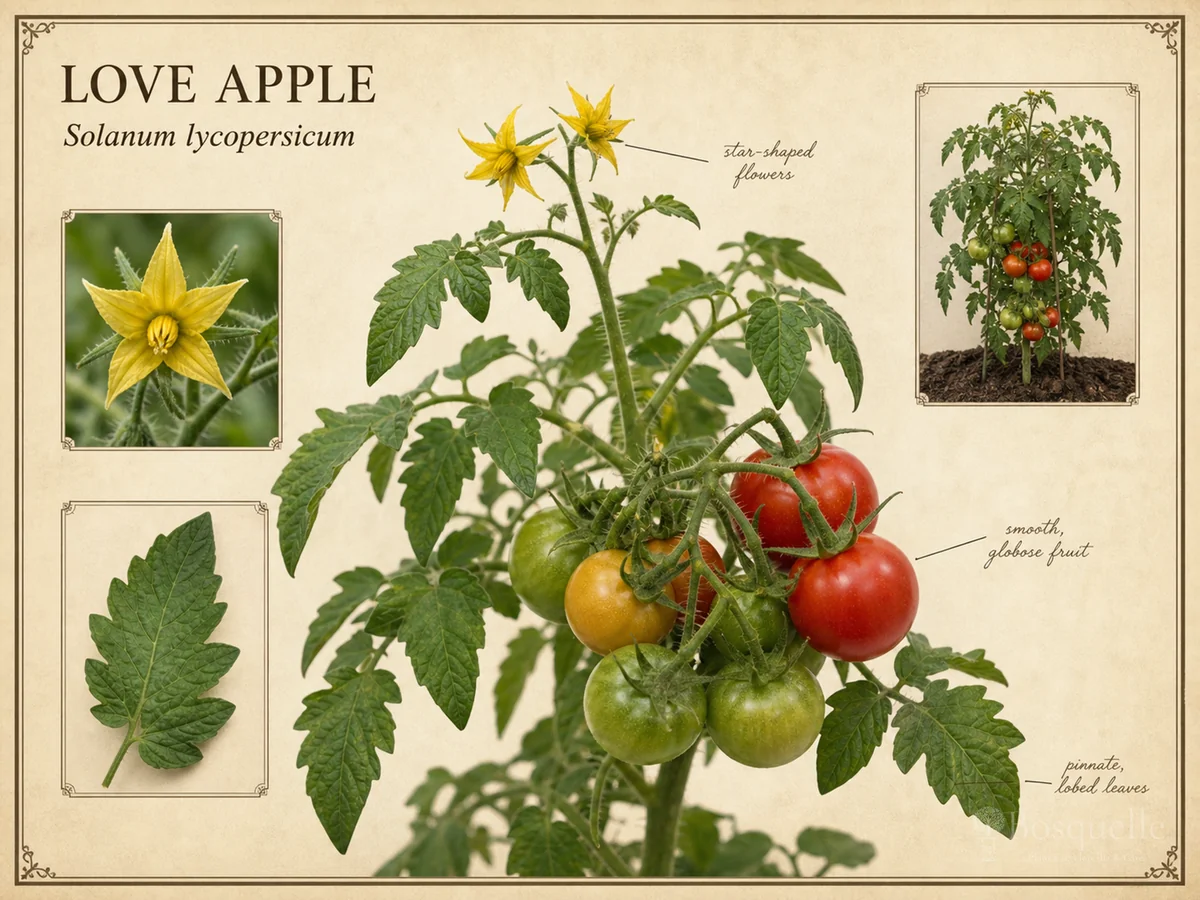
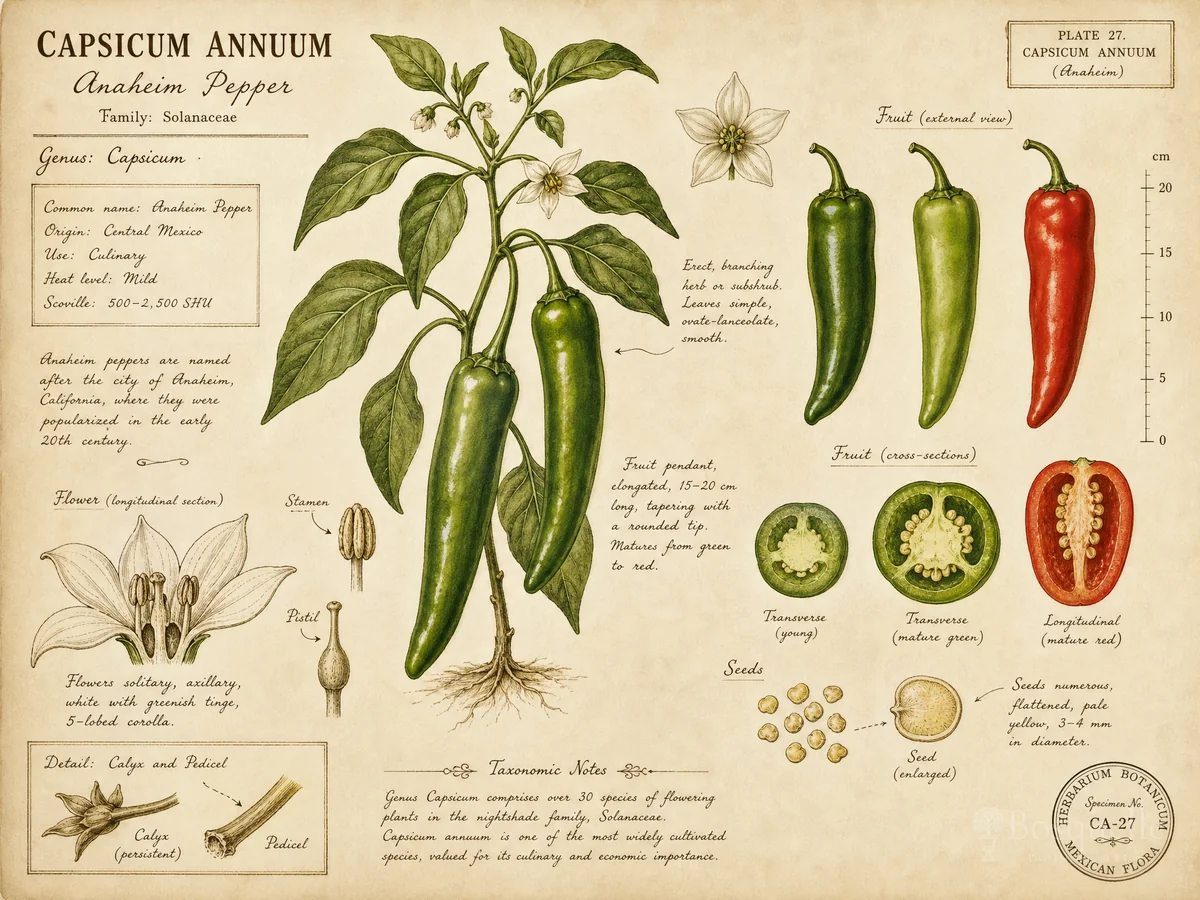
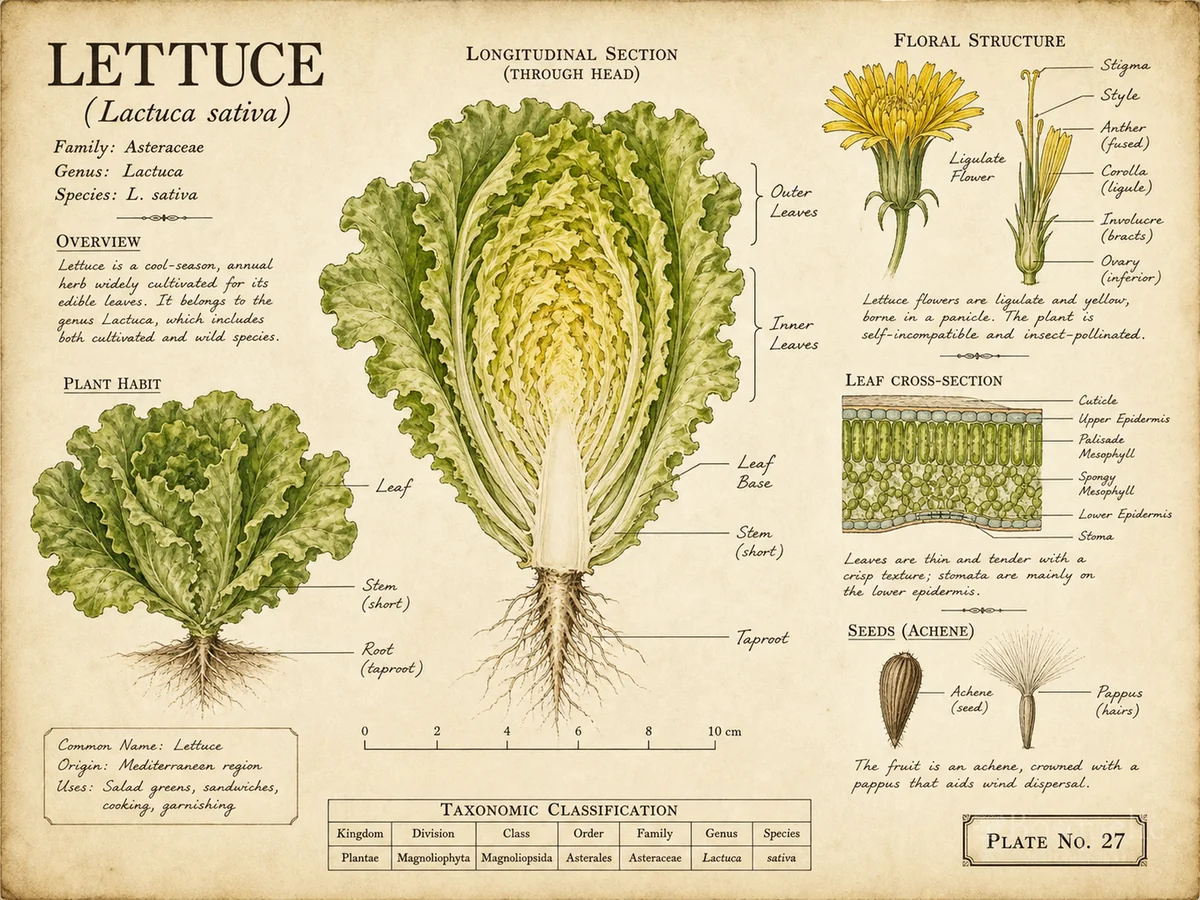
A few garden examples where soft new growth invites early colonies.

Related pests



Related diseases




Updated: Reviewed by Bosquelle Editors