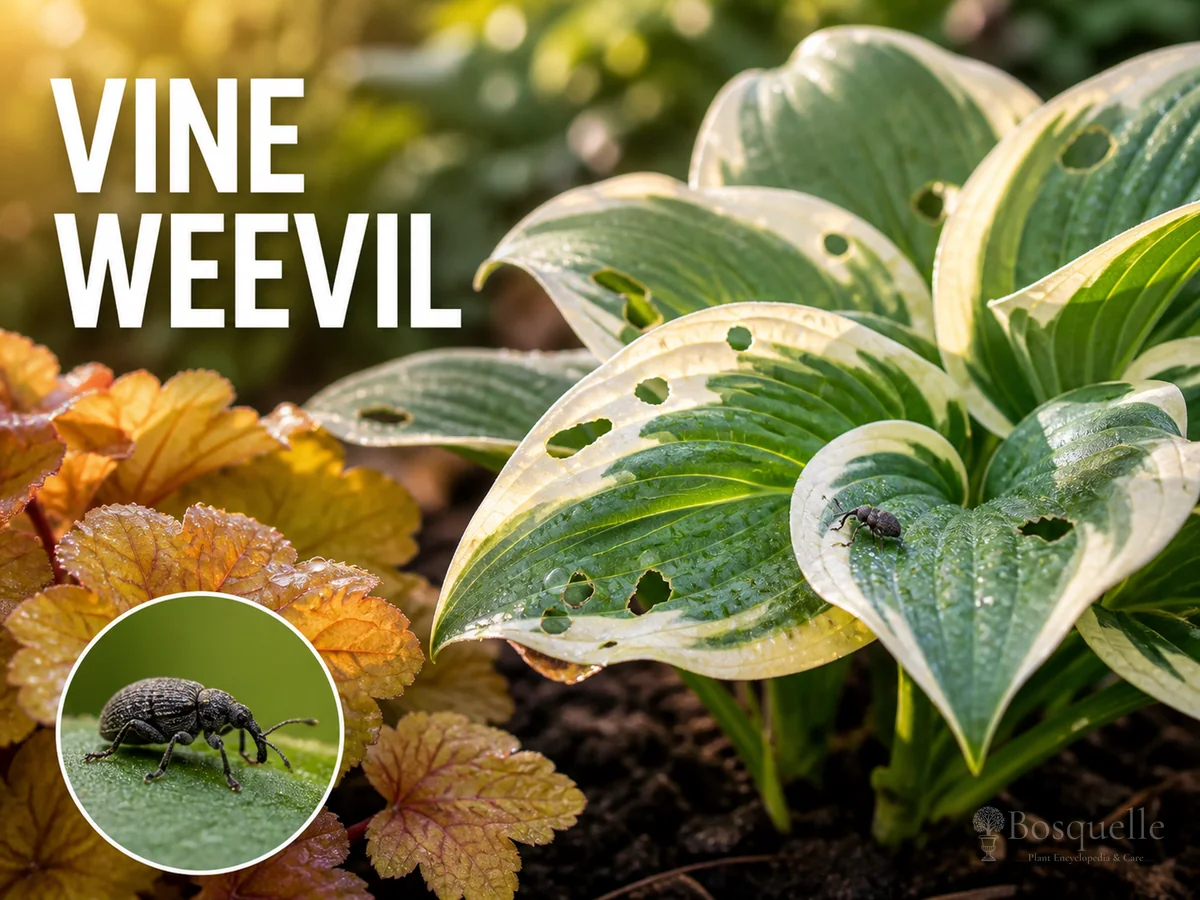
Vine weevils — in US gardens, usually the black vine weevil — are flightless snout beetles. Adults chew half-moon notches in leaf margins at night. The costly stage is a cream, legless grub with a brown head that eats roots in pots. If a heuchera, hosta, or strawberry wilts in still-moist compost, or if notches look too clean for slugs.
Do this first: torch notched leaves tonight; shake adults onto a pale sheet and drop them in soap. Tomorrow, tip any wilted pot and pick cream grubs off the roots.
Half-moon notches, slime, or weevils in the flour
| What you see | Likely | Do this first |
|---|---|---|
| Clean half-moon notches only on the leaf margin, no slime | Vine weevil adult | Torch tonight; tip wilted pots |
| Ragged holes mid-leaf plus a shiny trail | Slug or snail | See slugs |
| Seedling felled overnight at the soil line | Cutworm | See that pest — stem snip, not root grubs |
| Tiny jumping beetles, peppered seedling leaves | Flea beetle | See that pest — not a snout beetle |
| Beetles in flour, rice, or cereal | Pantry weevil — not this pest | Not this pest — vacuum the kitchen |
| Day chewing that laces a rose | Japanese beetle | See that pest — they fly |
Night loss is shared. The cut and the body tell the job. Forceps in a bloom are earwigs, not this pest. A flour beetle is a kitchen job, not a hosta job.
Tip the pot — cream grub with a brown head
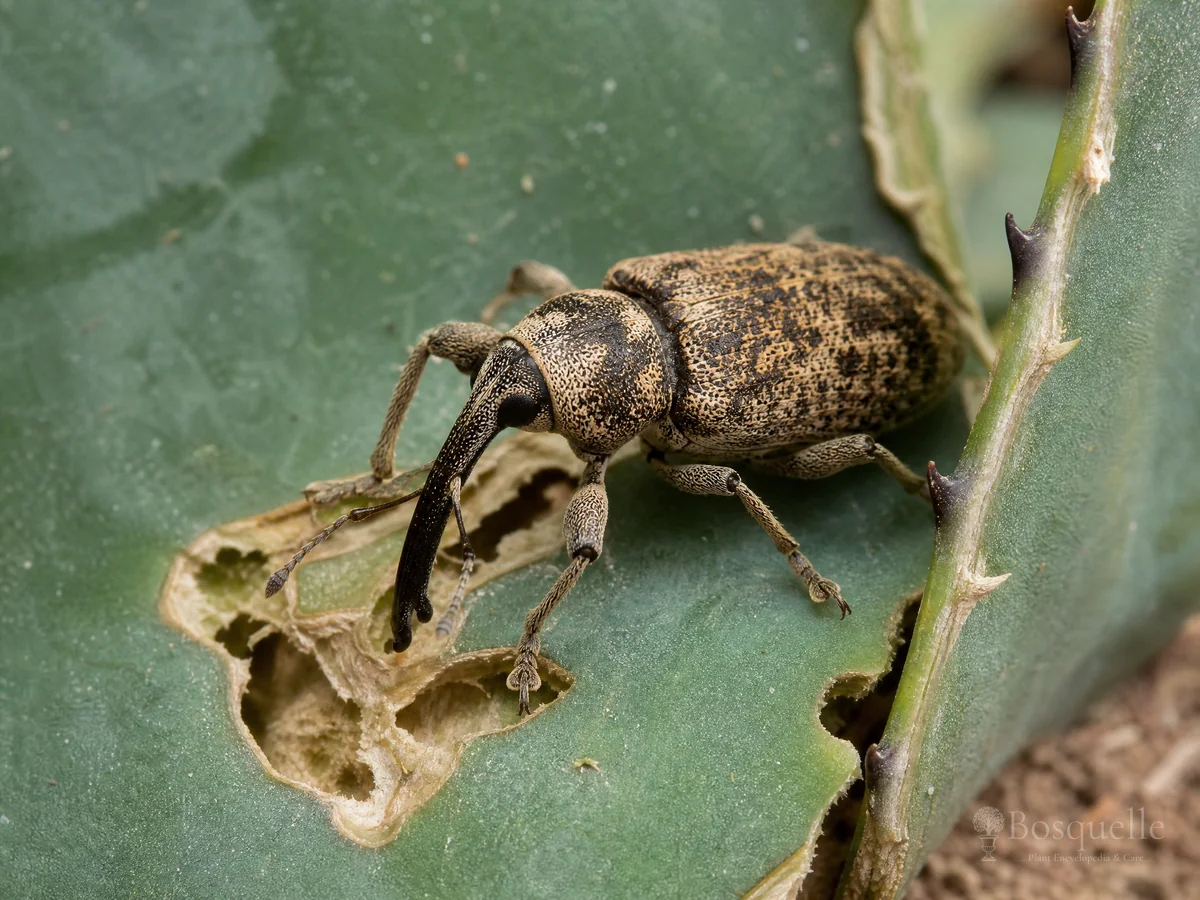
Tip a wilted container. The larva is cream, legless, about a quarter to half an inch when grown, with a brown or orange-brown head, tucked against roots or the pot wall. Adults are dull black, roughly three-eighths to half an inch, with a snout and elbowed antennae. Disturbed, they drop and play dead. Do not spray the notches and never open the compost.
Pale sheet after dark; they play dead
Work about an hour after dark. Spread a pale sheet or white cloth under the notched plant, shake the foliage, and collect what drops — they vanish on bare soil. Drop them in soapy water. Repeat several nights while fresh notches appear. This is not a Japanese-beetle lure hanging in a tree, and it is not a houseplant isolate job. Do not torch once at noon and call the bed done.
Sticky rim — they walk, they do not fly
Adults cannot fly; the wing covers are fused. They walk and hitchhike in pots. A 6-inch sticky band on a pot rim, or on fabric wrapped around a trunk, stops the climb. Corrugated cardboard left overnight and checked by day catches hiders. Trim foliage that bridges pot to soil. Fail if the band stays in the drawer while a notched rhododendron keeps walking.
Nematode drench after the first notches
| Stage | What it means |
|---|---|
| Adults | Night notching; all female; eggs after about two weeks of feeding |
| Eggs in compost | Tiny, easy to miss — fertiliser pellets are not eggs |
| Larvae | Root and crown feeders; the stage that kills pots |
| Pupae | Still in the mix; nematodes can hit this stage too |
Drench when larvae are present — often late summer into early fall, and again in cool spring on overwintered grubs. Soil or compost must be moist, not soggy, and in the labelled temperature band (warmer mixes for Heterorhabditis; cooler-tolerant Steinernema). Keep moist about two weeks. Nematodes do not kill adults or eggs. They fail in dry heavy clay. Fail if the drench is the whole plan and you never pick a beetle.
Inspect the new pot before it joins the bed
Flightless adults arrive as hitchhikers. Notches on a nursery leaf are a reason to put the plant back. Tip the pot and look for cream grubs before it sits beside a prize heuchera. Bag infested compost with a dead plant — do not dump it on the border. Fail if last season’s collapsed pot becomes this season’s top-dressing.
Tolerate the shrub; save the container
Act on pots, heucheras, strawberries, and young plants that wilt in moist mix. Tolerate light notches on an established woody shrub that is still pushing. Wait on fogging a whole shade border for cosmetic edges. Discard a container whose rootball lifts free. Do not spray open blooms at night while the wilted pot sits un-tipped.
Steps that actually reduce vine weevils
- Confirm half-moon notches and tip wilted pots for cream grubs before you treat.
- Pale sheet after dark: shake, collect, soap — several nights while notches are fresh.
- Sticky rim or trunk wrap — they walk, they do not fly.
- Nematode drench on moist compost after eggs have hatched; keep moist two weeks.
- Inspect new pots; bag infested mix; tolerate light notches on a tough shrub.
- Products last: follow a local label if pots still collapse — skip the brand aisle. Fail if a canopy spray is the plan and the sheet stays folded.
FAQ
How do I get rid of vine weevils naturally?
Torch notched plants an hour after dark. Shake adults onto a pale sheet — they play dead — and drop them in soapy water. Tip wilted pots and pick cream grubs off the roots. A nematode drench later kills larvae in moist compost. Fail if you spray the shade bed and never tip a pot.
Do sticky bands stop vine weevils?
They stop walking adults on a pot rim or a trunk wrap. Wrap fabric first, then a 6-inch sticky band, so bark is not wounded. Combine with night picking. Fail if the band stays in the drawer while notches keep appearing.
Why is my potted heuchera wilting?
If the compost is still moist and leaves look dull or notched, tip the pot. Cream grubs with brown heads on the roots are vine weevil larvae. Water will not fix a stripped rootball. Pick what you see, then drench nematodes if the plant still has roots.
Will nematodes kill vine weevil larvae?
Yes, when larvae or pupae are in moist, well-drained compost and the soil is in the labelled temperature band. They do not kill eggs or adults. Keep the mix moist for two weeks. Skip the brand aisle.
When do I apply vine weevil nematodes?
After the first fresh notches, wait until eggs have hatched — often about a month, typically late summer into early fall, with a cool-spring follow-up on overwintered grubs. Water in the morning or evening. Do not drench dry clay in midday heat.
Do nematodes kill adult weevils?
No. Adults are a night-pick and sticky-rim job. Nematodes hunt larvae and pupae in compost. Use both, or the next notches still become next winter’s grubs.
Do nematodes work in heavy clay?
Poorly. They need open, moist compost or light soil, not soggy or brick-dry clay. Pots are the honest win. In heavy ground, pick adults, inspect new plants, and do not expect a single drench to finish the border.
How long should I keep the compost moist?
About two weeks after a nematode drench, moist not waterlogged. If a heat wave dries the pot in two days, the drench is wasted. Irrigate every two to three days if the mix crusts.
Can vine weevils fly?
Black vine weevil adults cannot fly. Wings are fused. They walk and hitchhike in pots and rootballs. A sticky rim and inspecting new plants matter more than a flying-insect spray.
Are leaf notches enough to treat?
Notches prove adults. The costly damage is larval root feeding. Tip wilted pots. Tolerate light notches on a tough woody shrub that is still pushing. Fail if notches alone send you to a canopy spray and the compost stays closed.
Is it slugs or vine weevils on my hosta?
Half-moon notches only on the margin, no slime, is vine weevil. Ragged holes in the middle of the leaf plus a shiny trail is slugs. Night chewing is shared; the cut and the trail tell the job.
Are vine weevils the same as flour weevils?
No. Pantry weevils live in flour, rice, and cereal. Vacuum the kitchen. Garden vine weevils notch leaves and eat roots. A beetle on a windowsill in autumn may be walking in from the yard — still not a flour job.
Are the grubs the same as cutworms?
No. Cutworms are dull caterpillars that snip seedling stems at the soil line. Vine-weevil larvae are cream, legless grubs with brown heads on roots, especially in pots. See cutworms for a clean overnight snip.
Do they kill the plant or only the leaves?
Adult notches are mostly cosmetic. Larvae kill pots by stripping roots and girdling crowns. A heuchera that lifts free of its compost is already lost. Act on the rootball, not the leaf edge.
Will they ruin an established yew?
Sometimes, if larvae girdle roots for years. Light needle notches on a dense yew can wait. A pot-grown yew or a young plant that yellows in moist soil needs a root check. Wait on fogging a whole hedge for a few notches.
Do I need insecticide for vine weevils?
Usually not as the first plan. Pick adults, tip pots, sticky rims, then nematodes on larvae. If pots keep collapsing after that, follow a local label — skip the brand aisle. Fail if open blooms get a night spray while the sheet stays folded.
Should I dump the compost on the bed?
No. Infested mix carries eggs, larvae, and pupae. Bag it. Do not refresh a dead heuchera’s compost onto the next prize pot.
Host plants
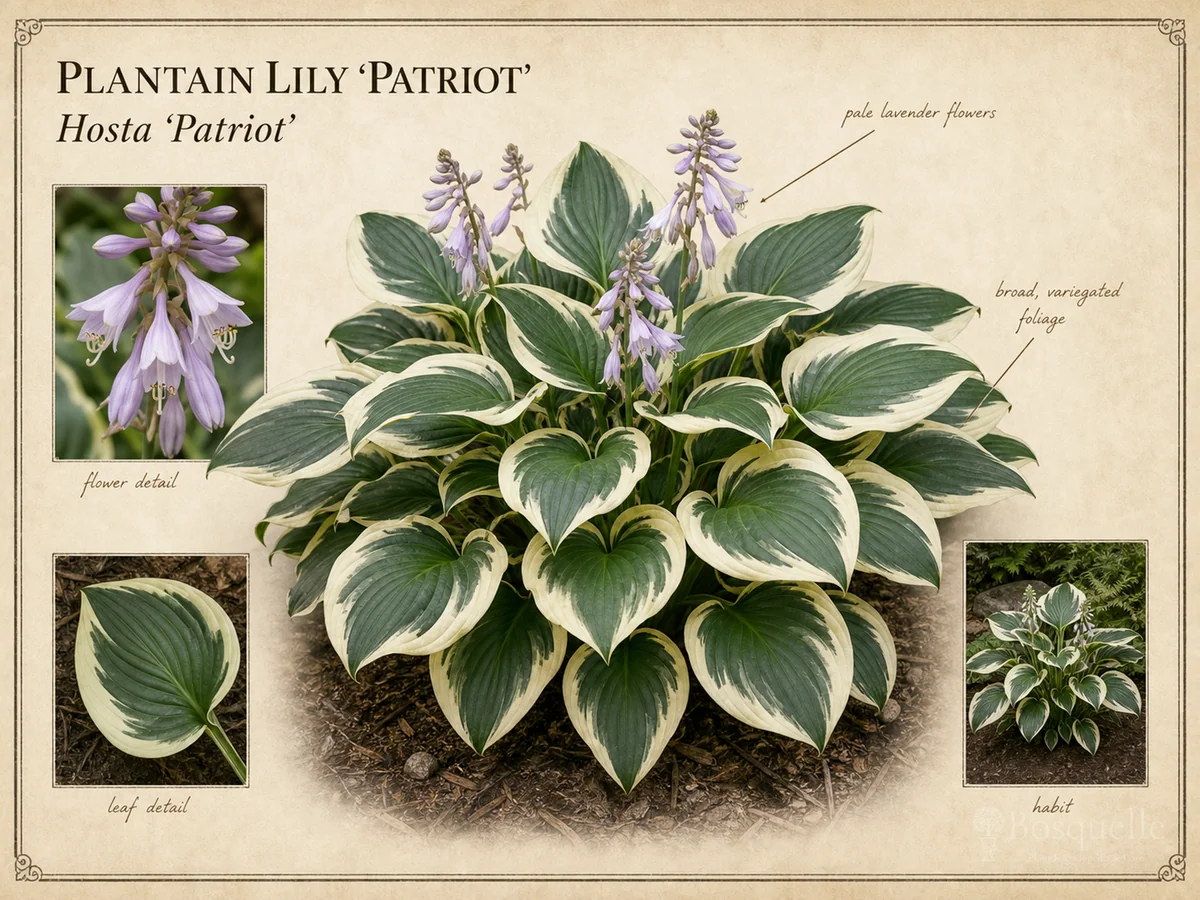
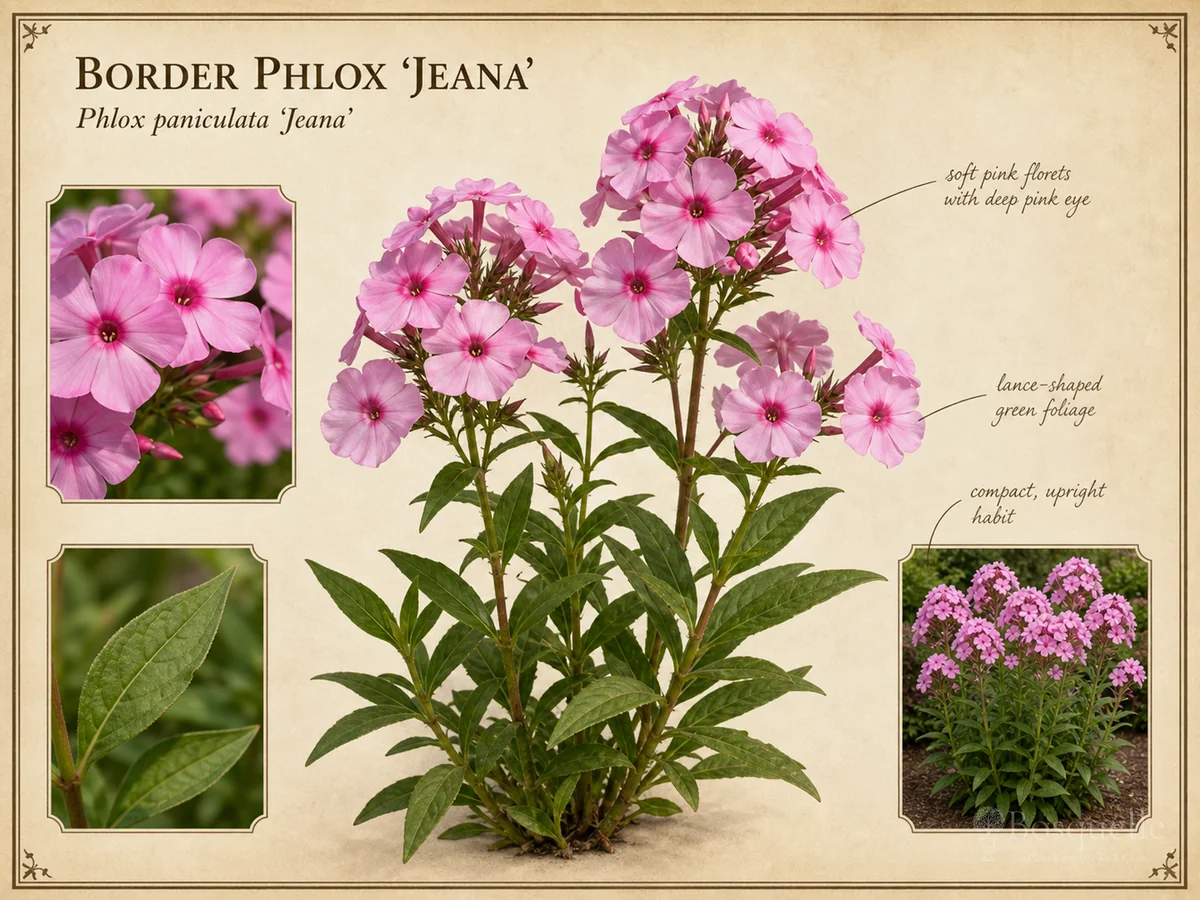
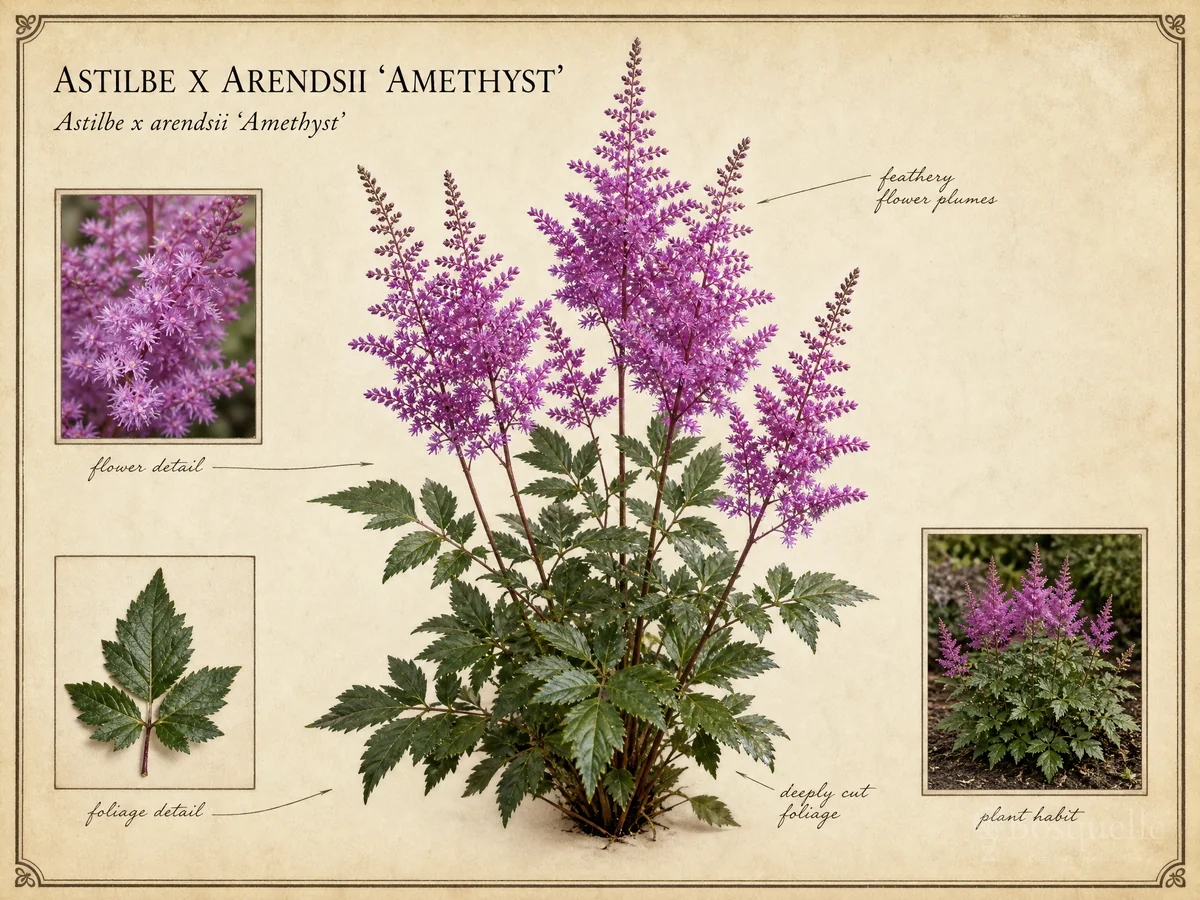
A few garden examples where soft new growth invites early colonies.




Related pests



Related diseases




Updated: Reviewed by Bosquelle Editors