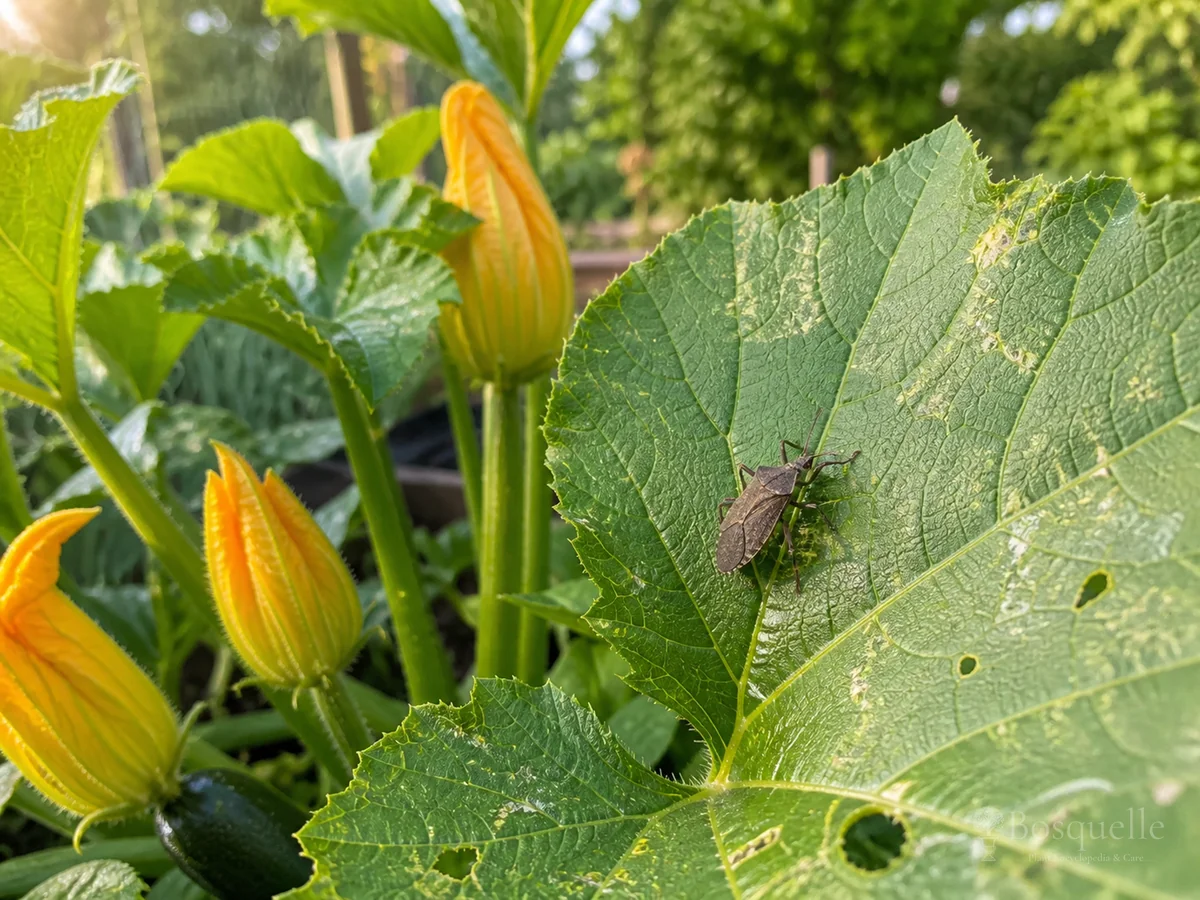
Squash bugs are flat gray-brown shield bugs that suck sap from squash, pumpkin, and zucchini leaves. Eggs are bronze and football-shaped, laid where two veins meet. If squash or pumpkin leaves wilt with wet soil and you find those clusters, this is the pest — not a moth in the stem, and not a rounder stink bug on a tomato. Cucumber beetles chew holes; they keep their own page.
Do this first: flip the leaves tonight. Scrape bronze egg clusters; flick shy adults and pale nymphs into soap. Lay a board by the crown. Pull the cover when female flowers open.
Bronze eggs in the fork of the vein, or a stem-base wilt
| What you see | Likely | Do this first |
|---|---|---|
| Flat gray shield, orange-striped belly, bronze eggs under a squash leaf | Squash bug | Scrape eggs; flick into soap |
| Wider, rounder shield, not camping on cucurbits | Stink bug — different pest | Not this pest |
| Sudden wilt, hole at the stem base, no bronze eggs | Squash vine borer | See that pest |
| Yellow beetle with stripes or spots, chewed holes | Cucumber beetle | See that pest |
| Leaves limp, soil bone dry | Drought | Water — then flip for eggs |
Search says pumpkin bugs and squash beetles for all of them. The eggs and the diet tell the job. Do not spray a vine you never flipped.
Are squash bugs the same as stink bugs?
They are related true bugs and both smell when crushed. Stink bugs are wider and rounder and do not specialise on squash. Do not spare a flat gray shield on a zucchini because it looks helpful.
Are they the same as squash vine borers?
No. A vine borer is a moth whose larva tunnels the stem. Wilt with a hole at the crown and no bronze eggs is that pest. This one sucks sap on the leaf.
Are they the same as cucumber beetles?
Search says squash beetles for yellow bugs with stripes or spots. Those chew holes and can spread bacterial wilt. Squash bugs are flat gray shields. Striped cucumber beetles are the yellow chewers.
Are pumpkin bugs the same thing?
Garden search often means this pest. Same bronze eggs, same flat shield on pumpkin and squash. Do not treat a round stink bug on a tomato as this job.
Gray shield, orange-striped belly, spider nymphs
Adults are about half to five-eighths of an inch, dark gray to brown, flat, with alternating orange and brown marks along the abdomen. Disturbed, they run under a leaf and may smell of crushed cucumber. Eggs are bronze, football-shaped, in clusters of about twenty where two veins meet. Nymphs hatch pale green with black legs — like tiny spiders — then gray. They cluster, then spread. Do not just watch the upper surface after lunch.
What do squash bugs look like?
Adults are about half to five-eighths of an inch, dark gray to brown, flat, with orange and brown stripes along the abdomen edge. Young nymphs look like pale spiders with black legs, clustered under a leaf.
Do they bite people?
They feed on plants. Gloves help — they stink when crushed and the smell lingers. The job is the soap pail, not a bite clinic.
Seedlings wilt first — wait on late-summer specks
| What you see | What it means |
|---|---|
| Bronze clusters on a young transplant | Scrape now — seedlings die first |
| Yellow specks turning brown on a sturdy vine still setting fruit | Tolerate light feeding; keep picking bugs |
| Whole runner crisp and black, soil still moist | Act — sap flow is already cut |
| Sunken pale spots on fruit at the stem end | Act; discard a rotting fruit |
| Bugs on dying vines in September | Pull the bed; a late bloom spray rarely pays |
Established squash often crops after light specks. Wait on a canopy fog for cosmetic spots. Discard a wrecked leaf that shelters a cluster. Do not spray open bloom because one zucchini leaf looks ugly.
Will they kill the whole vine?
Seedlings and young runners can collapse. Established vines often keep cropping after light yellow specks. Act on bronze clusters and nymphs. Wait on a bloom spray for cosmetic spots on a sturdy plant.
Why are my squash leaves wilting?
Flip for bronze eggs and gray nymphs. Wet soil plus a hole at the stem base is the borer, not this pest. Drought is dry soil. Confirm the bug before you treat.
Scrape the bronze clusters before they hatch
Females start in early summer and keep laying. Hatch is about ten days, sometimes two weeks. Scrape with a fingernail or tap onto tape; drown the scrapings. Repeat every two to three days while you still find bronze. Do not leave the soap jar only for adults.
How do I find squash bug eggs?
Flip leaves, especially where two veins meet. Eggs are bronze, football-shaped, in clusters of about twenty. Scrape them, tape them, or tear that bit of leaf. Hatch is about ten days. Do not just hunt adults at noon.
Flick the shy ones into soap — they run
Cool morning. Hold the pail under the leaf and flick. They hide at the crown and move fast. Nymphs cluster; adults walk more than they fly. Gloves help — the smell lingers. Do not treat a shake onto soil is the plan; they climb back.
Can I just knock them off the plant?
Flick into soap. They run and hide; a shake onto soil is how they climb back. Cool morning. Fail if the shake-off is the plan.
A board at night — empty it at dawn
Lay a board, shingle, or cardboard by the crown. Adults and nymphs hide underneath overnight. Empty it at dawn into soap. Pull vines, pots, and thick straw after harvest so wintering adults lose cover. Fail if the board sits all week un-checked, or if last year’s vines stay in the bed.
Does a board trap work?
Adults and nymphs hide under a board, shingle, or cardboard overnight. Empty it at dawn into soap. Fail if the board sits all week un-checked.
Do I pull plants after harvest?
Yes. Adults winter in vines, boards, and buildings. Pull debris so next spring’s walkers have less cover. Do not compost a sealed bag of bugs.
Cover until female flowers — then pull for bees
Spun cloth at transplant keeps overwintered adults off the first leaves. Seal the edges. Peek — eggs already in the tent will hatch there. Squash needs bees. Pull when female flowers open, or hand-pollinate under cloth. Do not leave the tent on through bloom.
Will row covers stop squash bugs?
They stop overwintered adults if you cover at transplant and nothing is already underneath. Peek. Do not tent a vine that already has bronze eggs.
Can I leave covers on until harvest?
No. Squash needs bees. Pull when female flowers open, or hand-pollinate under cloth. Do not leave the tent on through bloom — perfect leaves, no fruit.
Adults shrug the spray — nymphs only
The adult shell is tough and they hide. A noon fog on gray shields is mostly theatre. If a labelled product is last, time it for newly hatched nymphs, coat undersides, and spray after flowers close. Repeat in two to three days while you still see pale clusters. Skip the brand aisle. Do not make one adult spray the whole plan while the leaves go un-flipped.
Do sprays work on adult squash bugs?
Usually no. The shell is tough and they hide. Labelled products, if used, target newly hatched nymphs on the underside after flowers close. Skip the brand aisle.
Steps that actually reduce squash bugs
- Confirm bronze eggs and a flat gray shield before you treat. A stem-base hole is a different pest.
- Scrape eggs; flick nymphs and adults into soap every two to three days.
- Empty a board at dawn beside the crown.
- Cover clean transplants until female flowers; then pull for bees.
- Wait on light specks on sturdy vines; act on seedlings and fouled fruit.
- Pull debris after harvest. Products last — nymphs only, flowers closed. Skip the brand aisle. Fail if a noon fog on adults is the plan and the board stays in the shed.
How do I get rid of squash bugs?
Flip leaves. Scrape bronze clusters. Flick shy bugs into soap. Empty a board at dawn. Cover only until female flowers. Fail if a noon fog on adults is the whole plan.
Related reading
- Squash vine borer — wilt from a larva in the stem, not bronze eggs on the leaf.
- Striped cucumber beetle — yellow chewing beetles on the same vines, not shield bugs.
- Harlequin bug — orange-and-black shield on brassicas, not a gray cucurbit bug.
FAQ
Will beer traps help?
Beer traps target slugs. For squash bugs, scrape eggs and use the soap pail. Skip bait bowls.
Will nasturtium keep them off the squash?
Companion planting will not stop them. Flip leaves. Use the board. Herbs are not a fence.
Host plants
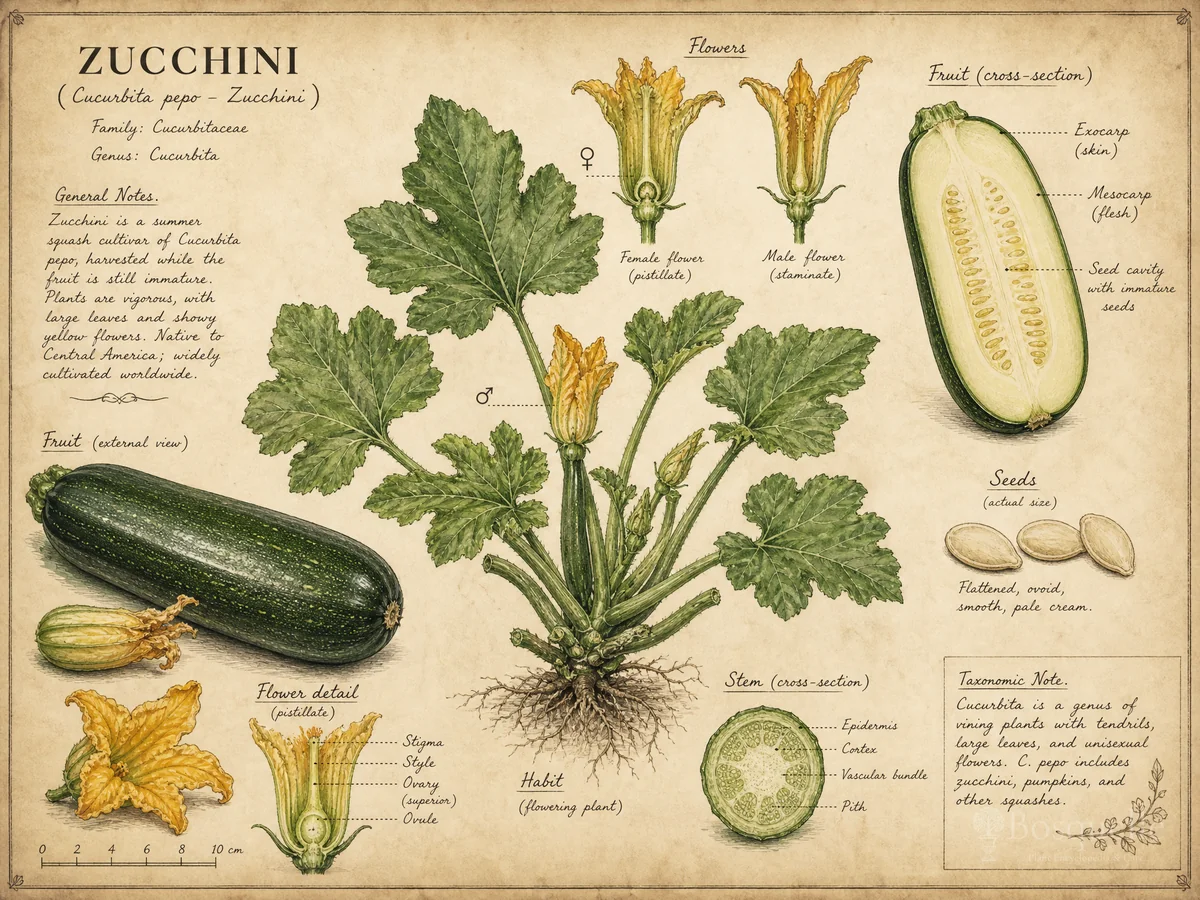
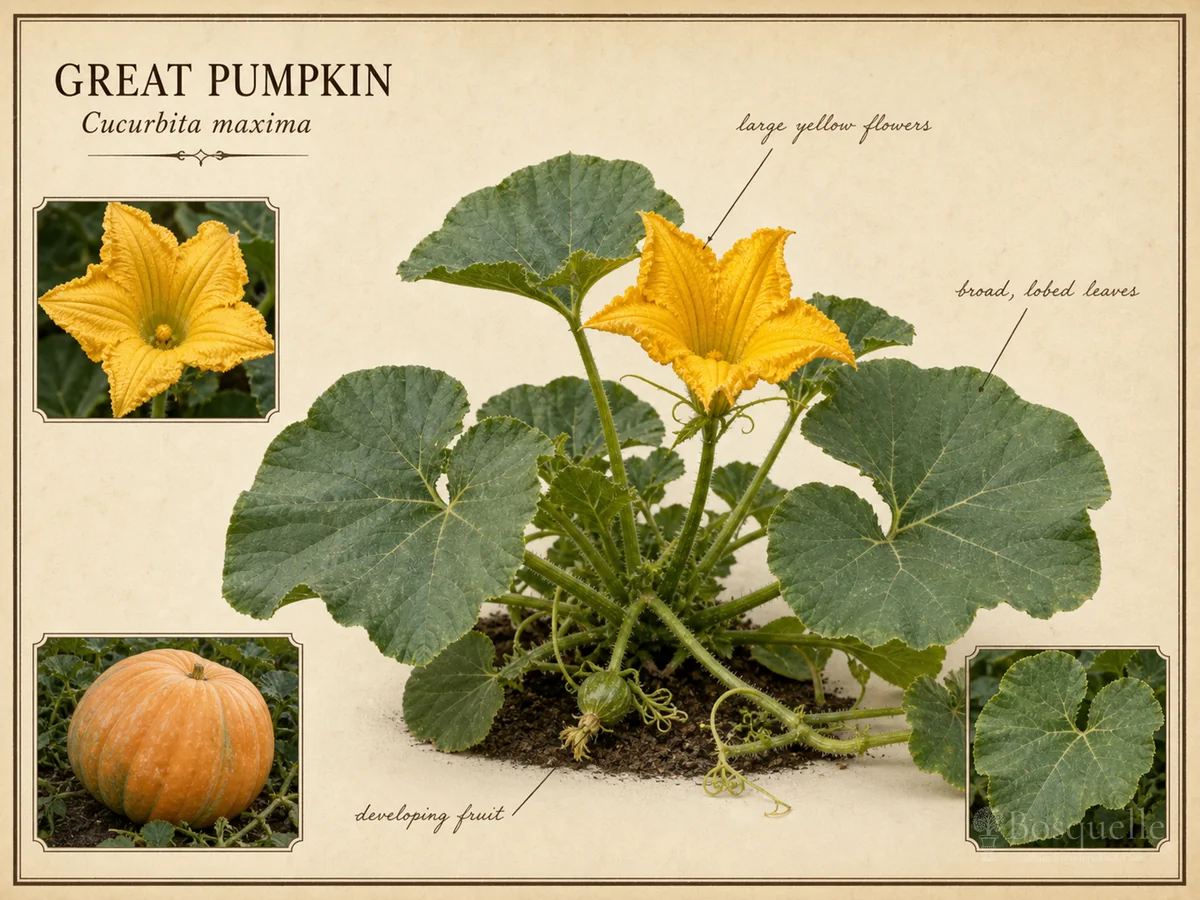
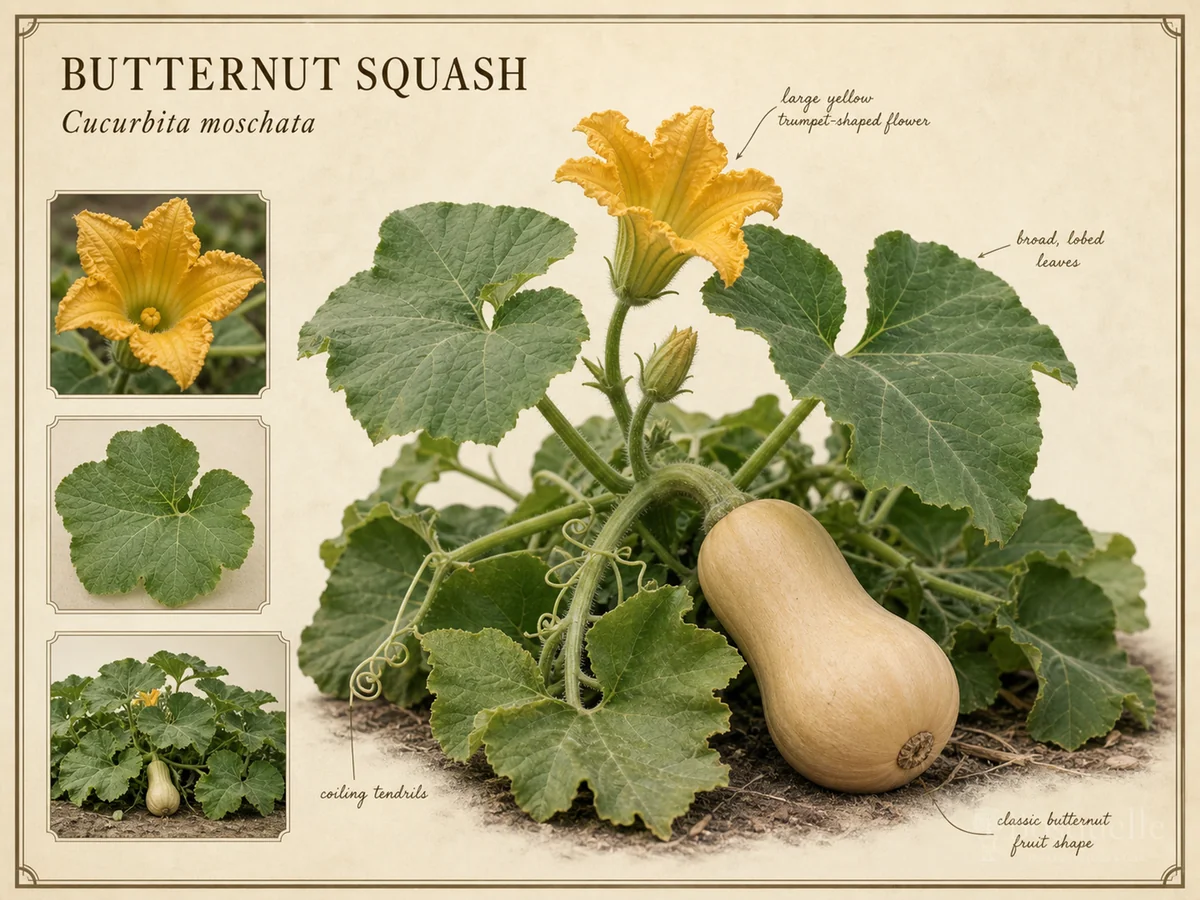
A few garden examples where soft new growth invites early colonies.


Related pests



Related diseases




Updated: Reviewed by Bosquelle Editors