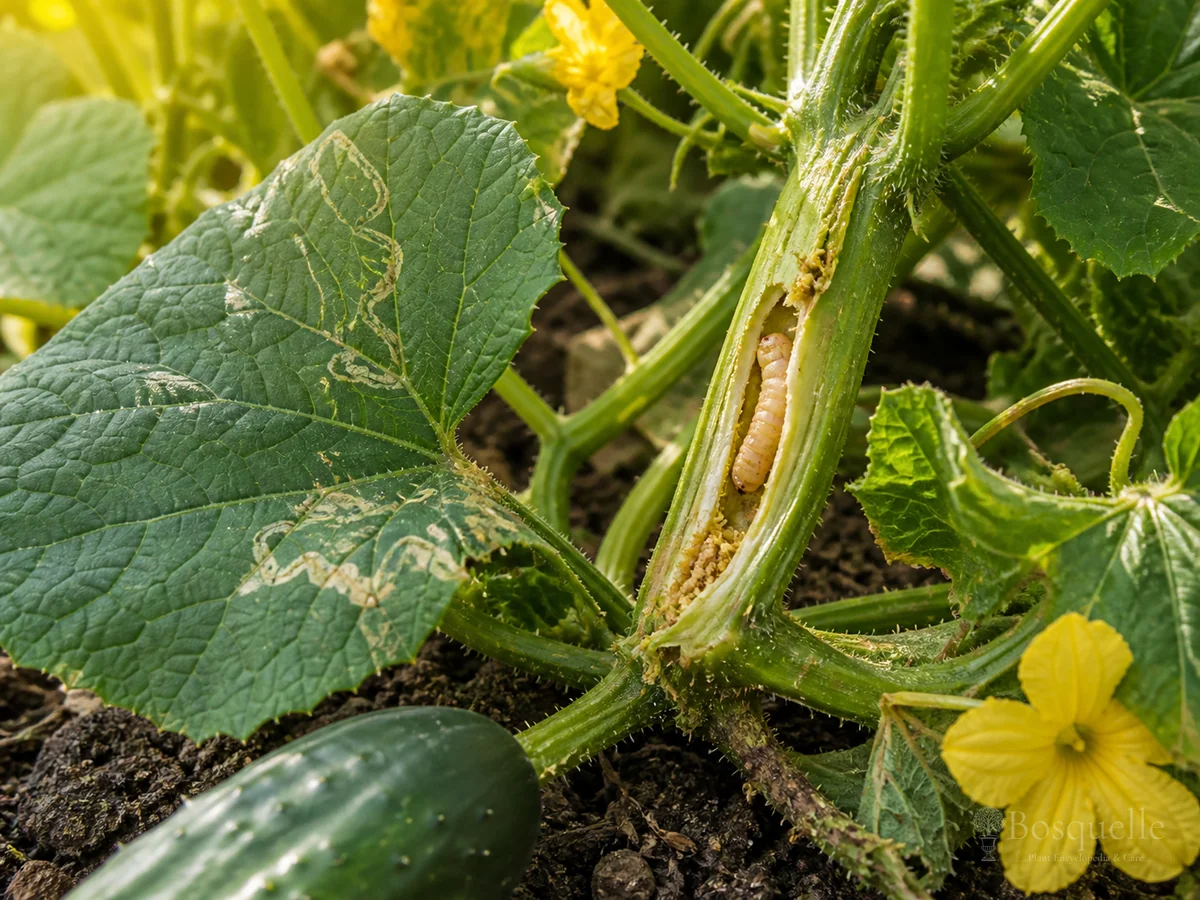
Squash vine borers are clearwing moth larvae that tunnel inside squash, pumpkin, and related cucurbit stems. Vines wilt suddenly while roots still look wet; sawdust-like frass at the stem base is the clue. Start here for that internal stem pattern — not for squash bugs (sap feeders on leaves) or cucumber beetles (leaf chewers).
Wilt plus frass — not drought
- Vines wilt in the heat even when soil moisture looks fine.
- Sawdust-like frass (excrement) near holes at the stem base — the drought lookalike clue.
- Fat white larvae with brown heads inside the stem when slit carefully.
- Adults are wasp-like moths with metallic green-black bodies and orange markings.
Squash bugs leave bronze egg clusters under leaves and wilt without stem frass. Cucumber beetles chew holes but do not hollow the stem.
What they ruin first
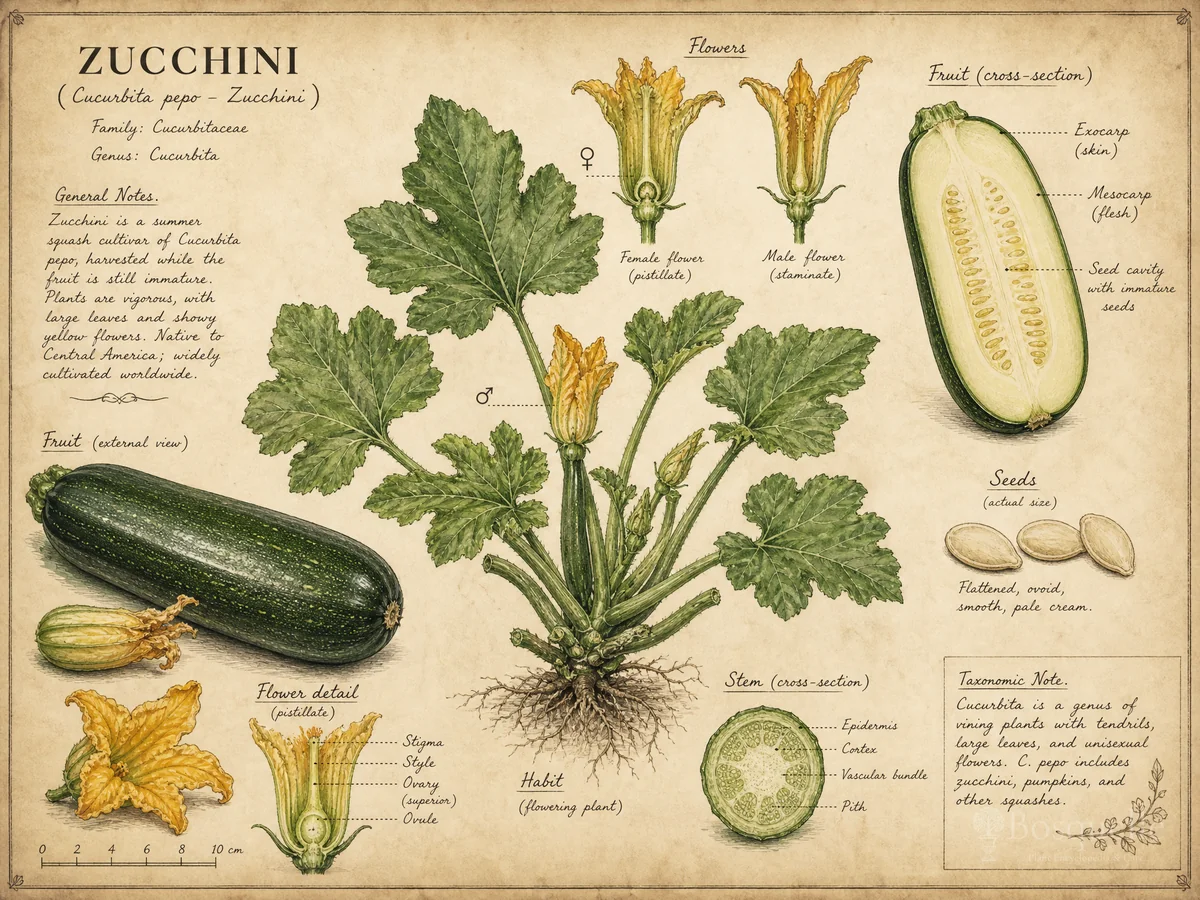
- Summer squash and zucchini often collapse first in peak season.
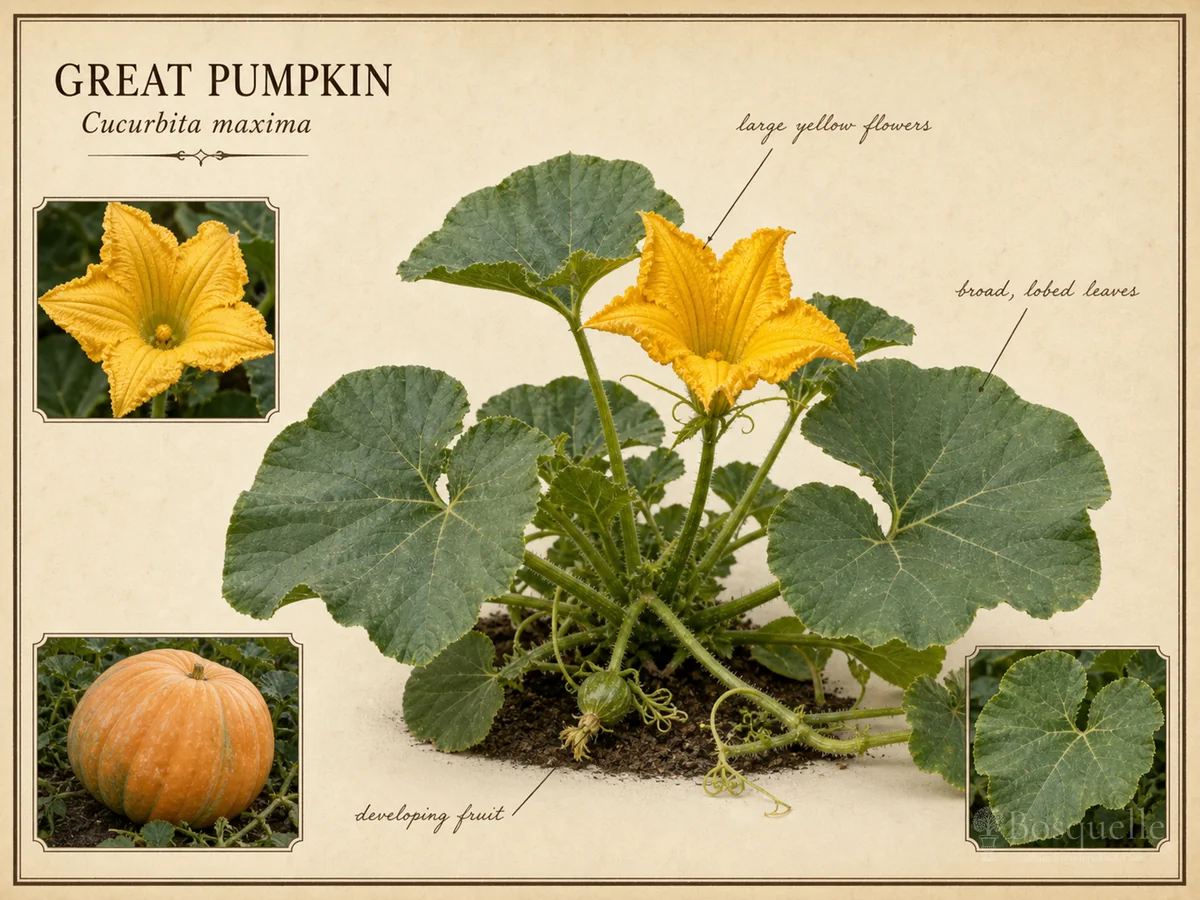
- Pumpkins and winter squash can lose whole vines from base tunneling.
- Cucumbers and melons are less classic hosts but still at risk in some gardens.
Eggs on stems, larvae inside
| Stage | What it means |
|---|---|
| Eggs on stems | Flat brown eggs near the soil line |
| Larvae in stems | Tunnel and cut water flow — the killing stage |
| Pupae in soil | Quiet stage after leaving the stem |
| Warm summers | One or more generations depending on climate |
Covers early, succession later
Light covers on young squash block egg-laying until plants flower and need pollinators — then remove covers or hand-pollinate. Plant a second succession so a later crop replaces vines lost midseason. Clear vines after harvest so fewer pupae overwinter in the bed.
Steps that actually reduce squash vine borers
- Watch stem bases weekly for frass and entry holes once vines run.
- Slit wilted stems carefully, remove larvae, and mound moist soil over the wound to encourage new roots when practical.
- Wrap or foil lower stems on prize plants to block egg-laying.
- Use light covers on young squash until flowering if borers are chronic in your area.
- Plant a succession so a later crop replaces vines lost midseason.
- Clear vines after harvest so fewer pupae overwinter in the bed.
Related reading
- Squash bug — leaf sap feeders that wilt without stem frass.
- Striped cucumber beetle — chewing adults on the same cucurbit family.
- Spotted cucumber beetle — spotted cousin on melons and squash.
FAQ
Why did one vine wilt overnight?
Check the stem base for frass. Vine borers cut water flow from inside; squash bugs wilt leaves without that sawdust clue.
Can I save a wilted vine?
Sometimes — slit the stem, remove the larva, and mound soil over the cut so the vine can re-root. Act at the first frass sign.
Do they attack cucumbers too?
Squash and pumpkins are favourites. Cucumbers and melons are less common but still on the cucurbit host list.
Will killing moths at dusk help?
Adults are hard to catch consistently. Stem watches, wraps, and covers on young plants do more for most gardens.
When do I remove row covers?
When female flowers open and need bees — or hand-pollinate under covers. Leaving covers on through bloom cuts fruit set.
What actually changes squash vine borer
| Question | Short answer |
|---|---|
| Sudden wilt with wet soil | Check the stem base for frass — not a dry spell |
| Row covers | Until female flowers; then uncover for pollination |
| Larva inside | Slit, extract, mound soil over the wound to reroot |
| After a kill | Succession planting beats one heroic vine |
Diagnosis: wilt from inside vs squash bugs
| Sign | Likely | First action |
|---|---|---|
| Wilt + sawdust frass at the stem base | Vine borer larva inside | Slit from the hole, extract, mound |
| Bronze egg clusters under leaves, no stem frass | Squash bugs | See squash bugs — sap feeders, not borers |
| Holes in leaves, striped or spotted beetles | Cucumber beetles | Different chewing pest |
| Whole plant limp, soil bone dry | Drought | Water — then recheck for frass |
Covers until bloom — then honesty
Row cover or stem wraps stop the wasp-like moth from laying on young vines. The moment female flowers open you need bees. Uncover, or hand-pollinate under cover. Leaving cover on “to be safe” is how you get perfect leaves and no fruit. After first bloom, watch the base daily for eggs and frass.
Surgery is ugly and it works
A slit along the stem, larva out, soil mounded over the wound, and the vine often reroots above the damage. Do it at the first wilt, not after the vine is straw. Bin the larva; do not toss it in the bed. Destroy infested stems at season end so pupae in the soil get less of a head start — tillage and rotation help in a small garden more than a late spray on a hollow vine.
Pheromone timing and degree-day charts belong to local extension, not a climate table invented here. Succession: plant a second round of squash two to three weeks later so one flight does not end dinner.
Pets and tools
The knife is the tool. Keep soapy-water jars for any adults you catch at dusk off the vine. No brand ranking. If you use Bt or other labelled products on eggs, the label is the law — coverage on the stem base, not the whole garden in bloom.
Is the wilt from drought?
Check the stem base for frass. Wet soil plus sudden wilt is the borer signature. Water anyway if the soil is dry, then look again.
When do I take the row cover off?
When female flowers open, unless you will hand-pollinate. Bees cannot vote through fabric.
Can I save a wilted vine?
Sometimes. Slit, extract, mound soil, and hope it reroots. Succession planting is the honest backup.
The moth, the egg, the sawdust
Adults are wasp-like clearwing moths, day-flying, with metallic dark bodies and orange markings. They lay flat, brownish eggs on stems, especially near the base. The larva hatches, bores in, and feeds in the pith. Wilt shows when the tunnel cuts the plumbing, often suddenly in afternoon heat while the soil is still wet. Sawdust-like frass at a small hole is the tell. No frass, wet soil, limp plant: look again before you declare drought, then water if the soil really is dry. No frass, bronze egg clusters under leaves: that is squash bugs, a sap feeder, a different pest. Chewed leaves without a hollow stem: cucumber beetles.
Zucchini and summer squash often collapse first. Pumpkins and winter squash can lose a whole vine from a base tunnel. Cucumbers and melons are less classic but not immune. Do not assume a “resistant” butternut story from a forum applies to your moth flight.
Prevention is a calendar with an exit
Row cover or insect fabric from transplant until female flowers open. Then uncover for bees, or commit to hand-pollination. Stem wraps (foil, nylon, even cardboard collars) at the base make laying harder; they are not armour against a larva already inside. Watch the base daily once covers come off. Crush eggs you can see. A second sowing two to three weeks after the first is how you still eat squash when the first planting takes a hit — succession is the honest backup, not a late miracle spray on a straw vine.
Pheromone traps and degree-day charts can time scouting in some regions. They belong to local extension notes, not a climate table invented here. Use them if your county publishes them; do not invent a national calendar from a blog.
Surgery, mounding, and when to quit
At the first wilt with frass, slit the stem lengthwise from the hole toward the tip until you find the fat white larva with a brown head. Fish it out. Mound moist soil over the wound so the vine can throw roots above the damage. Bin the larva; do not flick it into the mulch. This works when you are early. It fails when the vine is already straw or when several larvae have honeycombed the base. Then cut your losses, pull the plant, and lean on the succession sowing.
Bt or other labelled products aimed at eggs or young larvae only work if coverage hits the stem base on the right days. They will not reach a larva already in the pith. Skip the brand aisle; a local label is the rule. Bloom-wide insecticide is how you kill pollinators for a pest that is inside the stem anyway.
Season end is next year’s pressure
Larvae leave the vine to pupate in the soil. Destroy infested stems rather than composting them cold. Tillage and rotation in a small garden reduce the easy pupal sit. A dead vine left as décor is a gift. Next spring, covers go on at transplant, not after you see wilt. Pets: the tool is a knife and a jar, not a bait pile. Keep soapy water for any adults you catch at dusk off the foliage, then dump it.
A hollow stem will not spray back to life
You cannot spray a hollow vine back to life. You cannot leave row cover on through bloom and still get fruit without hand-pollinating. You cannot treat squash bugs, cucumber beetles, and borers as one “squash pest” with a single product. Keep the jobs split. If the wilt is drought, water. If it is borers, slit or succeed. If it is bugs, see squash bugs.
Do butternut squash get borers?
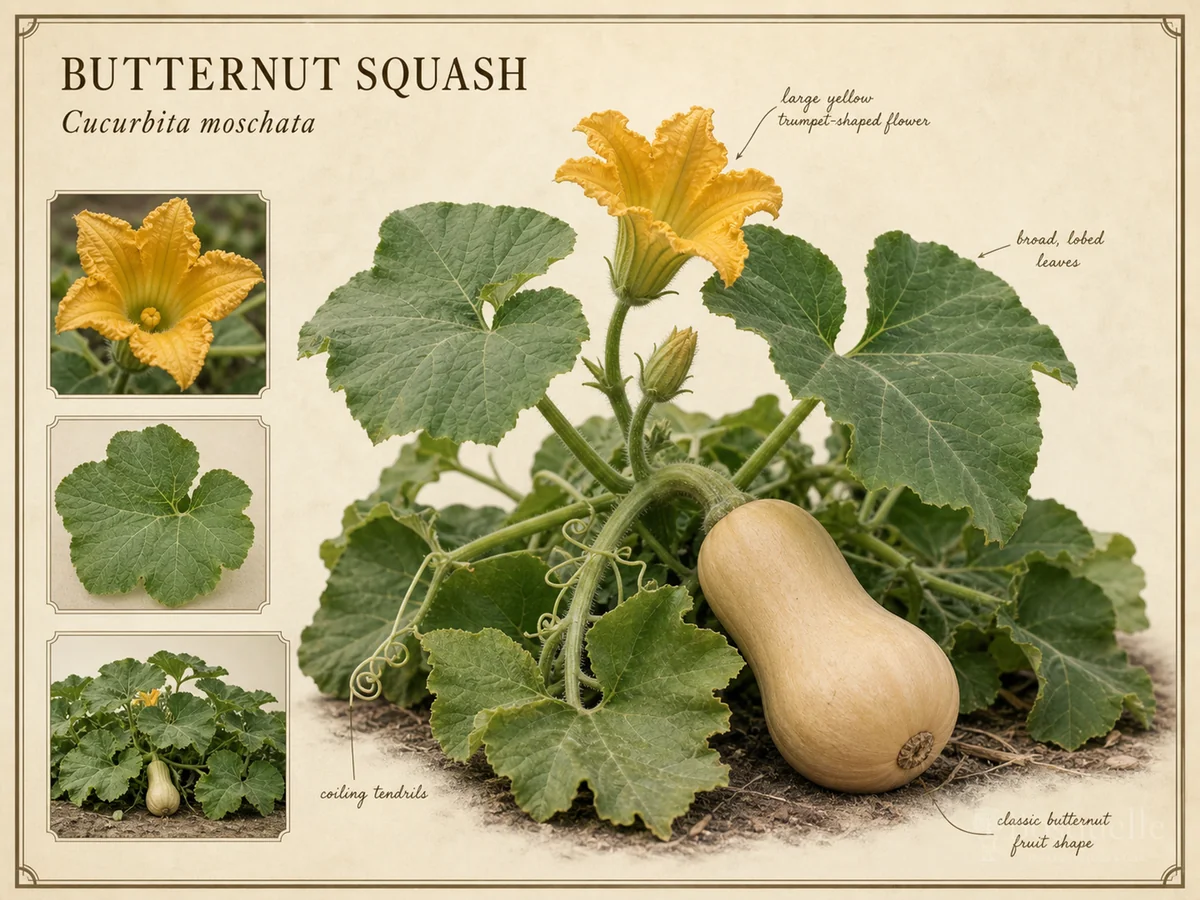
Less often in some gardens, not never. Scout the base anyway. Do not bet dinner on a forum exception.
Should I inject Bt into the stem?
Home injection folklore is messy and easy to get wrong. Slit and extract, or start a new plant. Labels beat syringes.
Will crop rotation stop them in a tiny yard?
It helps a little. Covers, scouting, and a second sowing help more when the moth can fly in from the next block.
Harvest, wilted fruit, and the second sowing
Fruit already set on a vine you save by surgery can finish if the plant reroots. Fruit on a straw vine will not ripen because you wished it. Pick what is usable, pull the rest, and water the succession planting. There is no harvest interval for a knife. If you used a labelled product on the stem base, the label’s days-to-harvest is the rule. Wash squash as usual. Wilt from borers is not a poison story — it is a plumbing story.
Kids can help look for frass and wasp-like moths at dusk. Pets do not belong in a bait narrative here; there isn’t one. Keep the soapy jar dumped. Fail if covers stay on through female bloom without hand-pollination. Fail if you spray the whole patch in flower. Fail if you wait for total collapse to slit. The numbers that matter are daily base checks after uncover, a second sowing two to three weeks later, and surgery at first wilt — not at straw.
After the patch is pulled
Destroy infested stems. Do not leave hollow vines as autumn décor over the pupae. Note which sowing survived. Next year covers go on at transplant. Local moth timing, if you want it, comes from extension — not from a degree-day chart invented here.
Hand-pollination if you keep the cover on
Male flower, female flower with a tiny fruit behind the bloom, morning transfer with a brush or the male flower itself. Do this daily while covers stay on, or uncover and accept moth risk. There is no third option that still yields fruit. If you uncover, scout the stem base the same afternoon — eggs can land on day one. A second sowing is still the backup when surgery is late. Pull straw vines; do not nurse a hollow stem with water and hope. One early slit beats a week of wilt theatre. Keep a second sowing on the calendar even when the first vines look perfect in June. Destroy hollow stems at pull-out so pupae in the soil get less of a head start. Scout the base the afternoon covers come off, then again the next morning.
Host plants
A few garden examples where soft new growth invites early colonies.



Related pests



Related diseases




Updated: Reviewed by Bosquelle Editors