
Corn earworm and tomato fruitworm are the same moth: Helicoverpa zea.
On corn it eats the silk tip. On tomato and pepper it bores a neat hole by the stem and leaves a watery tunnel.
- Look for dark bristles or short whisker-spines — color lies.
- Size is about an inch and a half, not a four-inch hornworm.
- A bottle will not rewind fruit already entered.
Do this first:
- Open the ear at the silk, or slice the tomato at the stem hole.
- Pick the worm into soap.
- Cut the damaged tip. Bin a watery tunnel.
- Fail if you fog the canopy and never open the fruit.
A hole at the stem, or a four-inch horn
A hole in a tomato is not one job. The fork is size, horn, and where they feed first.
Wait on a single silk-tip scar if the rest of the ear is clean. Tolerate a small leaf chew while fruit is still forming. Discard a seedling whose growing point is gone. Bin fruit with a watery tunnel.
| What you see | Likely | Do this first |
|---|---|---|
| Neat hole by the tomato stem, frass in a watery tunnel | Tomato fruitworm | Slice; pick; bin |
| Frass at the corn silk, kernels eaten in the first inches | Corn earworm | Peel the tip; cut it off |
| Four-inch green caterpillar with a horn; leaves stripped | Tomato hornworm leftover | See that pest |
| Stem snipped at the soil line overnight | Cutworm leftover | See that pest |
| Cloudy yellow halo, no hole | Green stink bug leftover | See that pest — a puncture, not a chew |
Is this a tomato hornworm?
Hornworms are four inches long, bright green, with a horn on the rear. They strip leaves first. This worm is about an inch and a half, bristly, and goes for fruit. See tomato hornworm if it has a horn.
Why is there a hole in my tomato?
A neat hole by the stem with frass inside is this job. A ragged gouge plus stripped leaves is hornworm leftover. A yellow halo with no hole is stink bug leftover.
Dark bristles, not a reliable color
Color lies. The same larva can be green, pink, tan, or brown.
- Young: several rows of dark bristles on the back.
- Older: stripes plus short whisker-like spines.
- Length: about an inch and a half when full — not a hornworm.
- Eggs: tiny, round, laid singly. White at first, then a reddish ring.
On corn, eggs sit on fresh silk. On tomato, they sit on a leaflet near flowers or under the calyx.
Check silks and fruit every five to seven days once flowers open. Fail if you wait for a fat worm you can see from the path.
A moth the size of a postage stamp, tan with a faint dark spot on the wing, is the adult leftover. You will not beat this job by chasing moths at dusk. Beat it at silk and at the stem hole.
- One ear, one worm is common. Larger larvae eat smaller ones.
- The head is usually brown. Color of the body still lies.
- Fail if you ID by “green caterpillar on tomato” and stop there.
How do I identify corn earworms?
Look for dark bristles or whisker spines. Color is not reliable. On corn they sit at the silk tip. On tomato they leave a neat hole by the stem and a watery tunnel.
Silk first — then the tip of the ear
Fresh silk is the moth’s preferred egg bed. Larvae feed the silk, then walk down under the husk.
- Damage is usually the first two to three inches of kernels.
- You often find one worm — larger larvae eat smaller ones.
- The rest of the cob is still food once you cut the tip.
Wait on a later sowing if silk will hit a heavy moth flight. Do not wait on silk that is already brown and frassy. Fail if you spray the leaves and never peel an ear.
Early corn often misses the worst flight. Late silk in hot weather is when this job piles up.
- Walk the row at silk, not only at harvest.
- Brown, wet silk with pellets at the tip is the tell.
- Do not shuck every ear in the patch if two tips already show it — open a sample, then cut those tips at the pot.
Cut the damaged tip leftover
The ick is at the silk. The cob below is usually clean.
- Cut off the damaged inch or two.
- Rinse. Cook as usual.
- Do not throw the whole ear because the tip is messy.
Fail if a tunneled tomato gets the same “cut the tip” leftover — slice that fruit and bin the watery half.
Can I still eat the corn?
Yes. Cut off the damaged tip. The rest of the cob is food. Rinse and cook as usual.
Oil on silk leftover
A few drops of vegetable or mineral oil on fresh silk can stop a young larva walking in. Time it three to five days after silk shows.
- This is leftover insurance on a small patch.
- It will not rewind a worm already under the husk.
- Skip it as the whole plan on a long row you will not walk daily.
Fail if the dropper stays in the drawer until the silks are brown.
Does oil on the silk work?
A few drops on fresh silk can stop a young larva. Time it a few days after silk shows. It will not rewind a worm already under the husk.
Bt only before they enter
Labelled Bacillus thuringiensis works when a small larva eats a coated silk or leaflet. Inside fruit, it does nothing.
- Coat fresh silk every few days until it browns.
- On tomato, coat leaflets at flower — not a noon fog on ripe fruit.
- Reapply after rain. Two to three days is a normal repeat.
A fat worm already in the tunnel shrugs a spray. Pick that one. Skip the brand aisle. Fail if one bottle after harvest holes is the plan.
Will Bt kill worms inside the fruit?
No. They have to eat a coated leaf or silk. Once they are inside, pick them. A bottle will not rewind a tunneled fruit.
Tomato, pepper, and corn
Those three take this moth. Do not dump a second list.
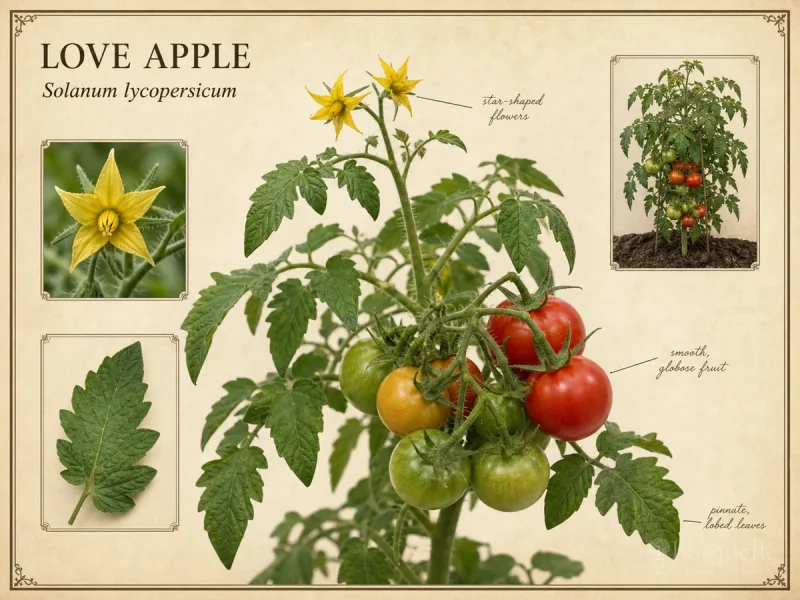
- Tomato: hole at the stem, watery tunnel.
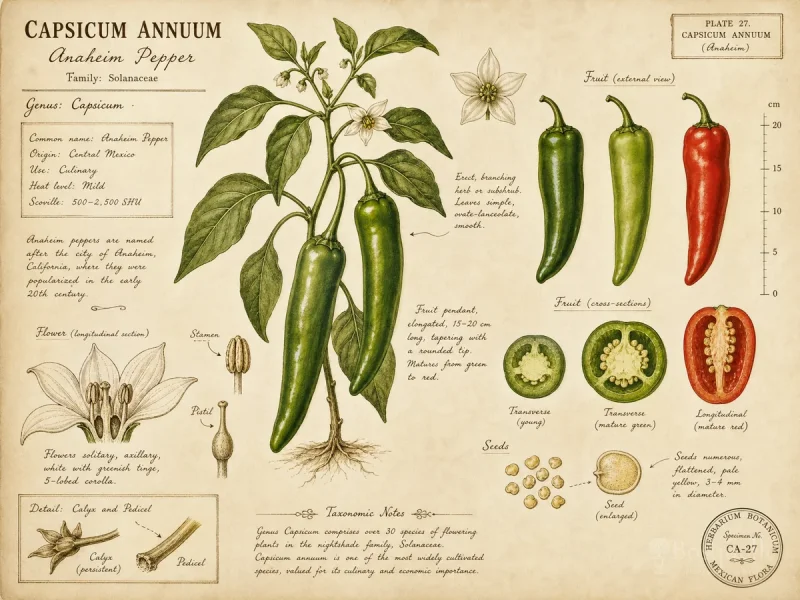
- Pepper: same moth, same tunnel in green fruit.
- Corn: silk tip first.
Lettuce crowns and bean pods show up in textbooks. They are leftover, not plants this job is written on. Wait on a later corn sowing if you can beat the second flight. Tolerate a few silk-tip scars on an otherwise full ear. Discard a tunneled green tomato. Bin culls so the next moth has less to finish in.
Keep tomato and corn apart if the bed is small. The moth will still fly in, but you will not feed two crops from one silk-and-fruit loop.
- Pepper: check green fruit at the stem the same way you check tomato.
- Corn: tight husks help a little. They do not replace cutting the tip.
- Fail if you add a fourth crop to the story and skip the three you grow.
Should I plant tomatoes next to corn?
The same moth likes both. Separate them if you can. The live plants here are tomato, pepper, and corn.
Bin the tunneled fruit
| What you see | What it means |
|---|---|
| Neat stem hole, wet tunnel, frass inside | Act — slice and bin |
| Silk tip chewed, rest of cob clean | Cut the tip; keep the ear |
| Eggs on fresh silk, no entry yet | Act — crush; oil or Bt leftover |
| Leaves chewed, no fruit yet | Wait and hunt; fruit is the job |
| Four-inch horn, canopy stripped | Wrong leftover — see hornworm |
Once they are inside, a spray is wasted. Fail if you keep a leaking tomato because the shoulder still looks pretty.
Cut the tip — a bottle will not rewind a tunneled fruit
- Confirm bristles or whisker spines before you treat. A horn is a different moth.
- Open silk and stem holes every five to seven days. Pick worms into soap.
- Cut damaged corn tips. Bin watery tomatoes.
- Crush single eggs on fresh silk and tomato leaflets.
- Bt or a silk drop of oil only before they enter. Repeat in two to three days while silk is fresh.
- Pull culls after harvest. Skip the brand aisle. Fail if a noon fog on ripe fruit is the plan and you never peel an ear.
Related reading
- Tomato hornworm — four-inch green caterpillar with a horn; strips leaves first.
- Green stink bug — cloudy spot on tomato, no chew hole.
- Cutworm — stem snipped at the soil line overnight.
- Flea beetles — shot-holes on seedlings, not a fruit tunnel.
FAQ
Does it have a horn on the rear?
No. A horn is tomato hornworm leftover. This larva has bristles and stripes, not a tail spine.
Are the leaves stripped overnight?
That is hornworm leftover. This moth nips leaves a little, then goes for fruit. Hunt the hole, not the bare stalk.
Are earworms dangerous to people?
They are a food leftover, not a medical page. Cut the tip. Bin a leaking tomato. Wash your hands after you pick.
Host plants
A few garden examples where soft new growth invites early colonies.

Related pests





Related diseases



Updated: Reviewed by Bosquelle Editors