Monitor — know what you are seeing
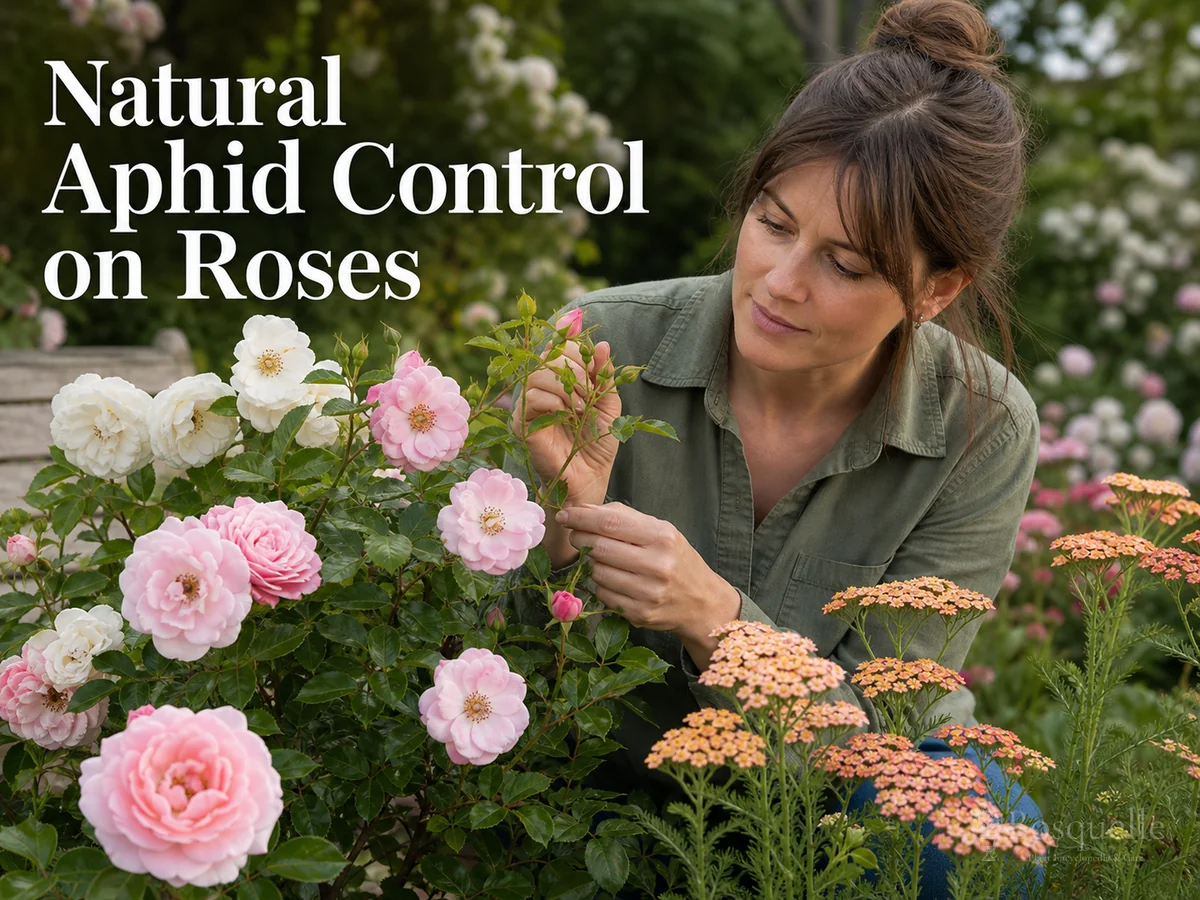
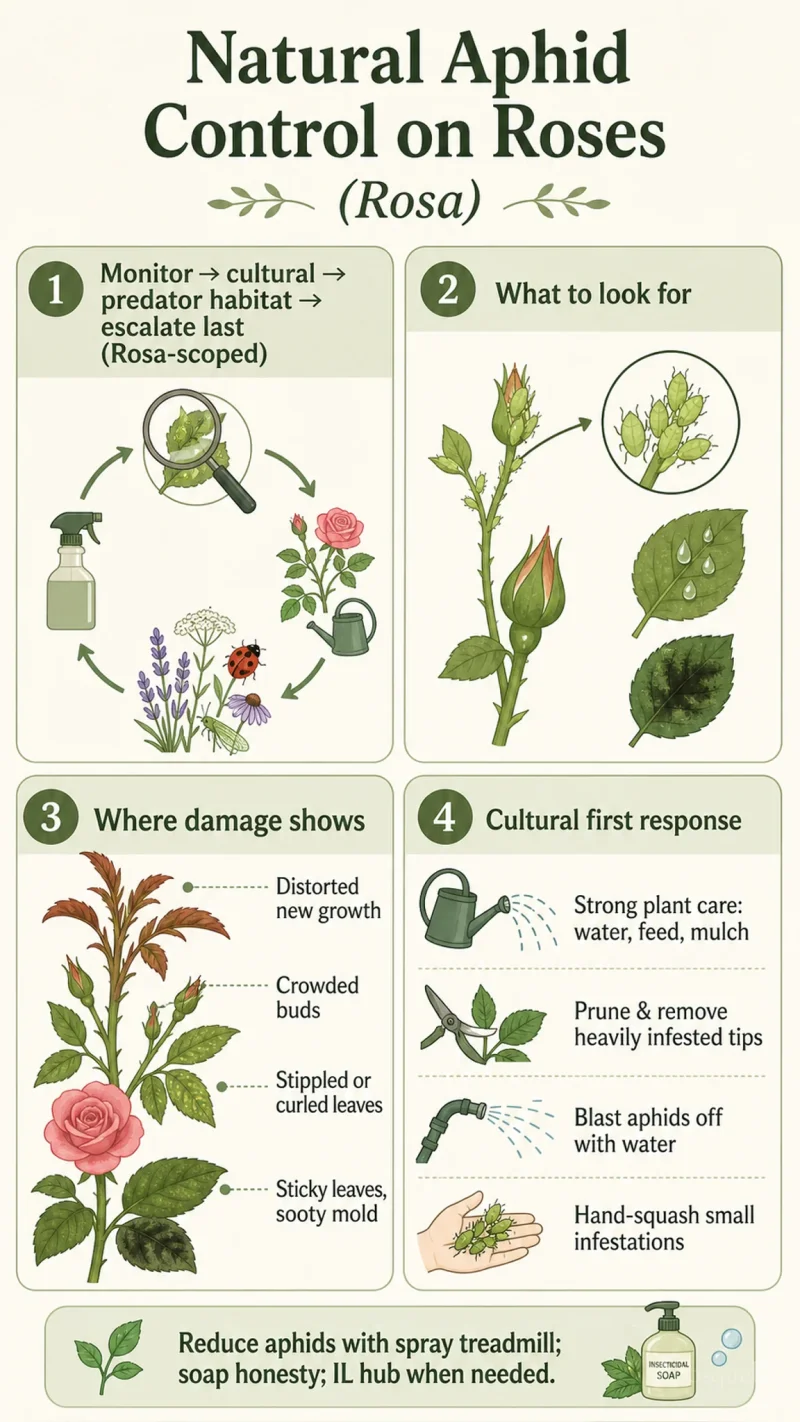
Soft spring tips on shrubs and ramblers such as Albertine often host rose aphids (greenfly). Colonies produce honeydew and can distort buds; they also feed ladybirds, hoverflies, lacewings, and parasitoid wasps. Sticky honeydew can later host sooty mold — if leaves look sooty, treat the insects and wash gently rather than spraying a “fungus cure” first. Check plants frequently from bud-break. On established roses, aphids are common and rarely fatal — act while colonies are small, but you can often tolerate light numbers while predators catch up.
Cultural ladder (before any spray)
- Site and vigor: follow sun, spacing, and base watering on How to Grow Roses. Soft, over-nitrogen growth is aphid candy — feed with restraint, not constantly.
- Rub or blast early: squash colonies or use a firm water jet in the morning. If black spot is active, prefer rubbing over aggressive hosing that splashes spores.
- Clean litter: pick up black-spotted leaves; winter mulch can bury remaining inoculum — see Rose Care in Winter.
- Wait for predators in spring: aphid numbers often rise before beneficials catch up; a short pause beats wiping the food web.
Predator plants beside Ballerina
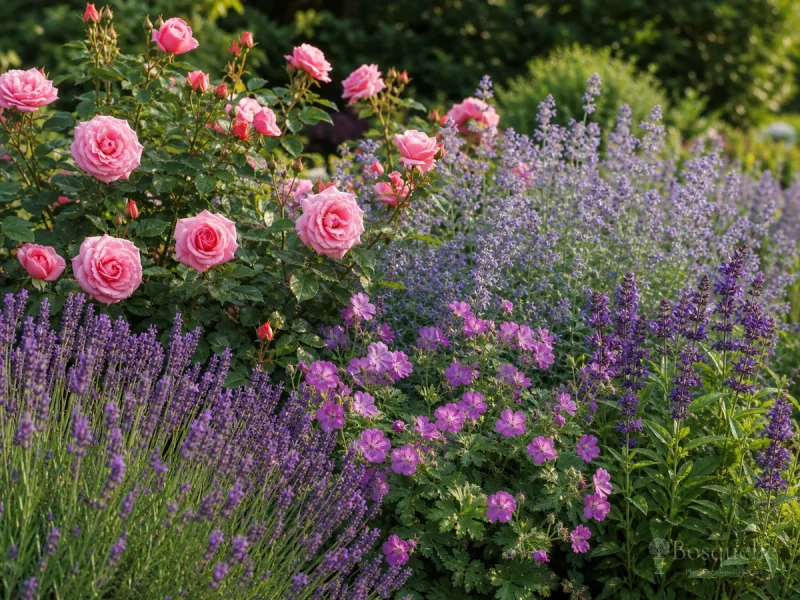
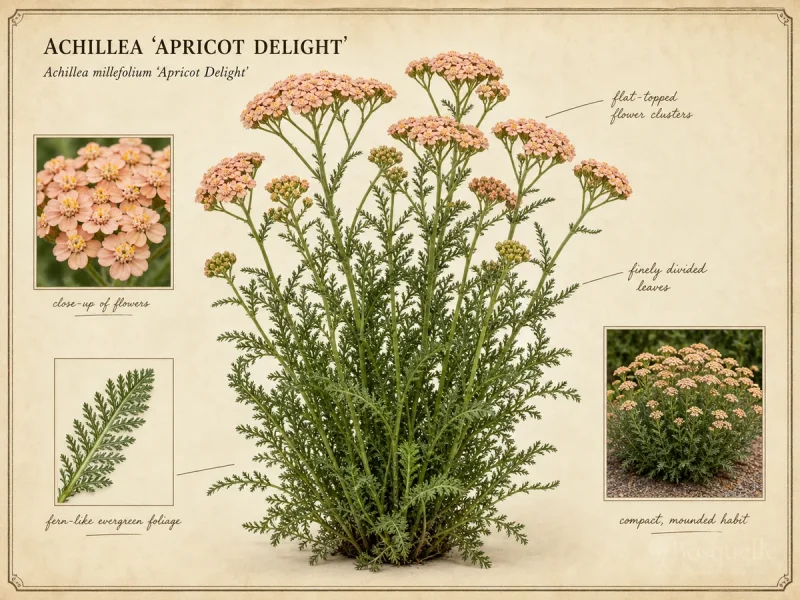
Open shrubs such as Ballerina are easy to inspect and easy to flank with nectar plants. Flat-headed yarrows, catmint, salvias, and similar open flowers support hoverflies and other aphid predators — choose partners with jobs on Rose Companion Plants. Keep the bud union clear; companions are habitat, not a pesticide substitute.
Black spot and mildew — keep culture first
This page is aphid-led, but leaf diseases share the same cultural spine: morning sun, airflow, water at the base, and cleanup. Resistant cultivars help; they do not erase a damp, crowded site. Avoid overhead watering that spreads black-spot spores.
When to escalate (and what this guide will not do)
Escalate only if growth is badly distorted, plants are young/stressed, or colonies explode after cultural steps fail. Prefer the least-toxic targeted options your local extension allows. Insecticidal soap works only while wet and in contact with soft-bodied aphids — dried film on leaves does little. Household dishwashing detergents are not a free substitute and can burn foliage; use a product labeled for the job. Wet sprays can also kill predators on the plant, so treat as a last targeted step, not a weekly calendar. This guide does not rank spray brands or invent medical claims. For lookalikes, honeydew/sooty mold, and sitewide aphid hosts, open the aphids hub — then return here for Rosa cultural steps. Breaking the spray treadmill starts with monitoring and patience, not a bottle on day one.
Monitor early, favour cultural controls and predators, and keep shared rose growing rules on the care pillar.
FAQ
Will aphids kill my rose?
Rarely on established plants. They can distort soft growth and make honeydew; cultural control plus predators usually suffice. Tolerate light colonies while beneficials arrive unless plants are young or badly distorted.
Should I spray at the first greenfly?
Usually no. Rub, hose carefully, and support predators first. Early sprays often remove the insects that would have finished the job.
Does insecticidal soap work on rose aphids?
Only as a wet contact spray on the insects. Dried residue is weak. Avoid unlabeled dish soap mixes that burn leaves, and remember soap can harm predators too — use after cultural steps fail.
Do companion plants replace care?
No. They support a healthier system. Site, watering, and spacing still matter — see How to Grow Roses and Rose Companion Plants.
What is the escalation order?
Monitor → cultural steps (rub, hose, cleanup, feed restraint) → predator habitat via companions → labeled least-toxic contact options last.
Related guides


Recommended plants




This note is part of Rose Guides.
Updated: Reviewed by Bosquelle Editors