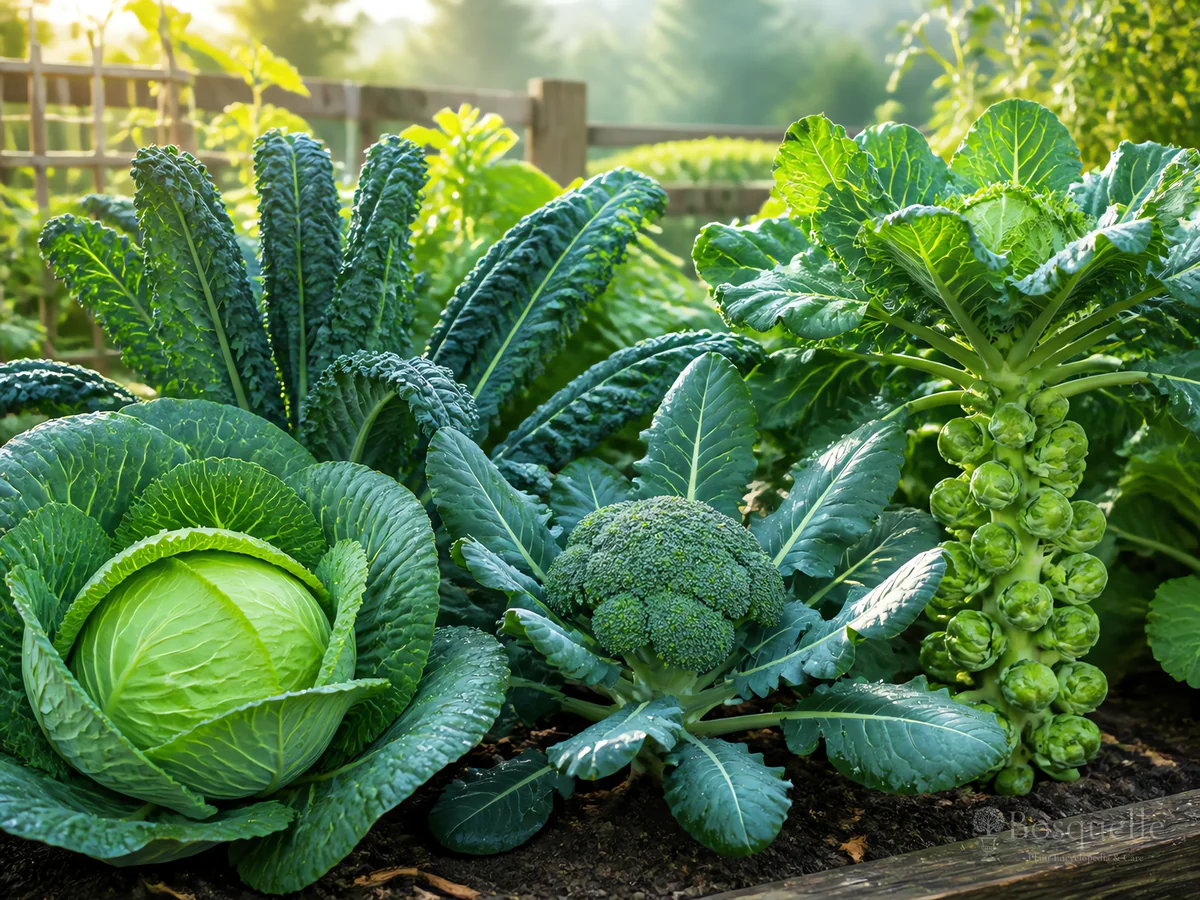
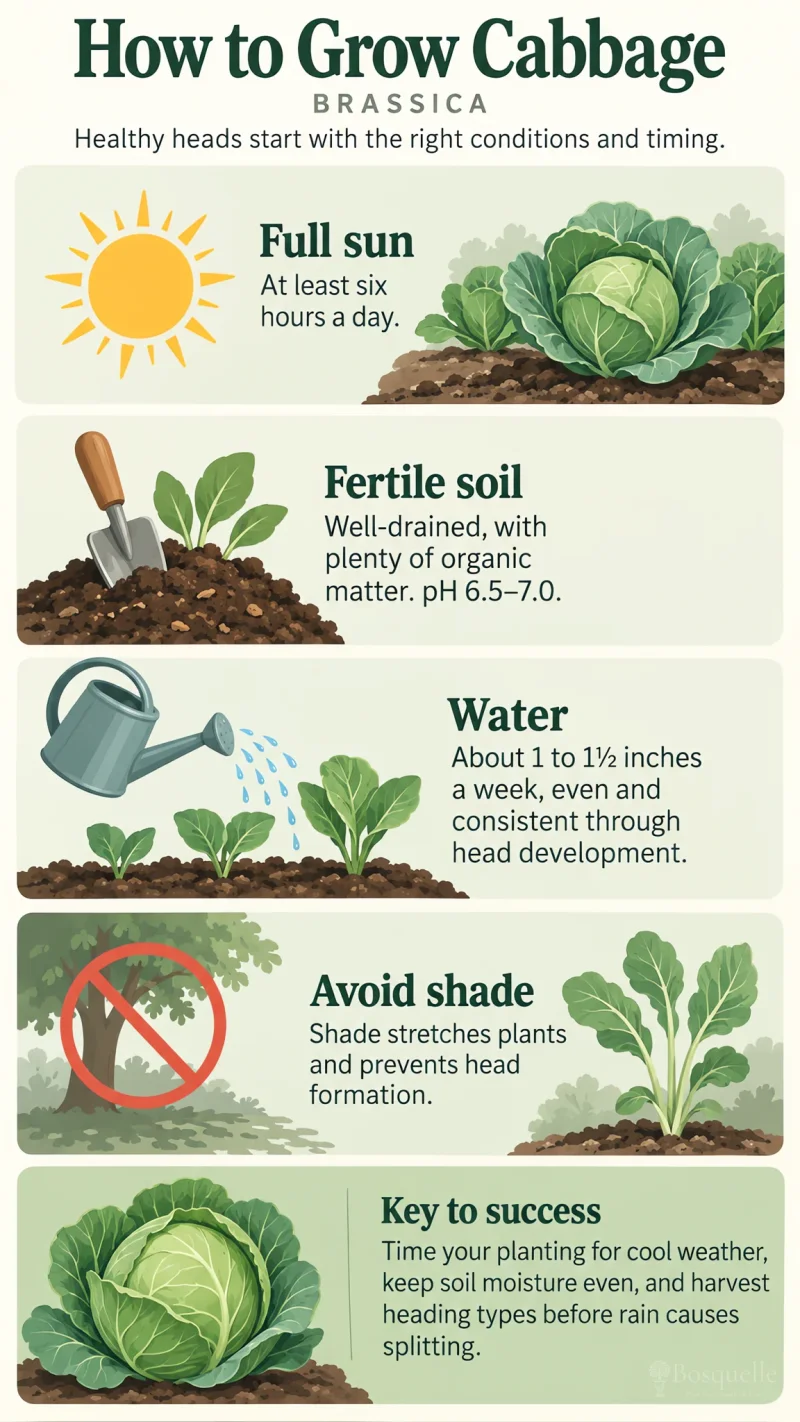
Give it full sun, rich soil, and steady water — and time it for cool weather
| Factor | Recommended | Avoid |
|---|---|---|
| Sun | Full sun, at least six hours a day | Shade that stretches plants and prevents head formation |
| Soil | Fertile, well-drained, with plenty of organic matter; pH 6.5–7.0 | Wet, compacted ground or soil below pH 6.0 (favors clubroot) |
| Water | About 1 to 1½ inches a week, even and consistent through head development | Irregular wet-dry cycles that cause head splitting |
| Feed | Work compost in before planting; side-dress nitrogen when plants are half grown | Heavy late-season nitrogen that drives leafy growth instead of head fill |
| Season | Spring or fall, maturing in cool conditions; cabbage sweetens after light frost | Heading in summer heat, which causes bolting and poor heads |
Brassicas are cool-season crops. Temperatures between 60°F and 70°F produce the firmest, most flavorful heads. [1] Young transplants tolerate light frost once hardened, but seedlings exposed to 35–50°F for extended periods may bolt prematurely before a head forms. [2] Maintain even soil moisture throughout; a stretch of dry weather followed by heavy rain causes the inner leaves to expand faster than the outer ones, splitting the head.
How much sun do brassicas need?
Full sun, at least six hours a day. Eight hours produces the densest heads.
What soil pH do brassicas need?
6.5 to 7.0. Soil below pH 6.0 increases the risk of clubroot. Lime acid soil before planting.
Harvest when the head is firm, and cut at the base before it splits
Most heading types (cabbage, broccoli head, cauliflower curd) are ready 70 to 100 days from sowing, depending on variety. [3] Check by squeezing the head; it should feel dense, with no give. A head that stays on the plant after reaching full size will split if heavy rain follows dry weather.
- Squeeze the head. If it feels firm and solid, it is ready. A soft or spongy center means it needs more time.
- Cut cleanly at the base of the head with a sharp knife, leaving the outer leaves attached to protect it in storage.
- For cabbage, leave the stump and a few outer leaves in the ground. The plant will often produce several smaller secondary heads over the next few weeks.
- Store unwashed heads in a cool, humid space. A firm cabbage head keeps one to two months near freezing.
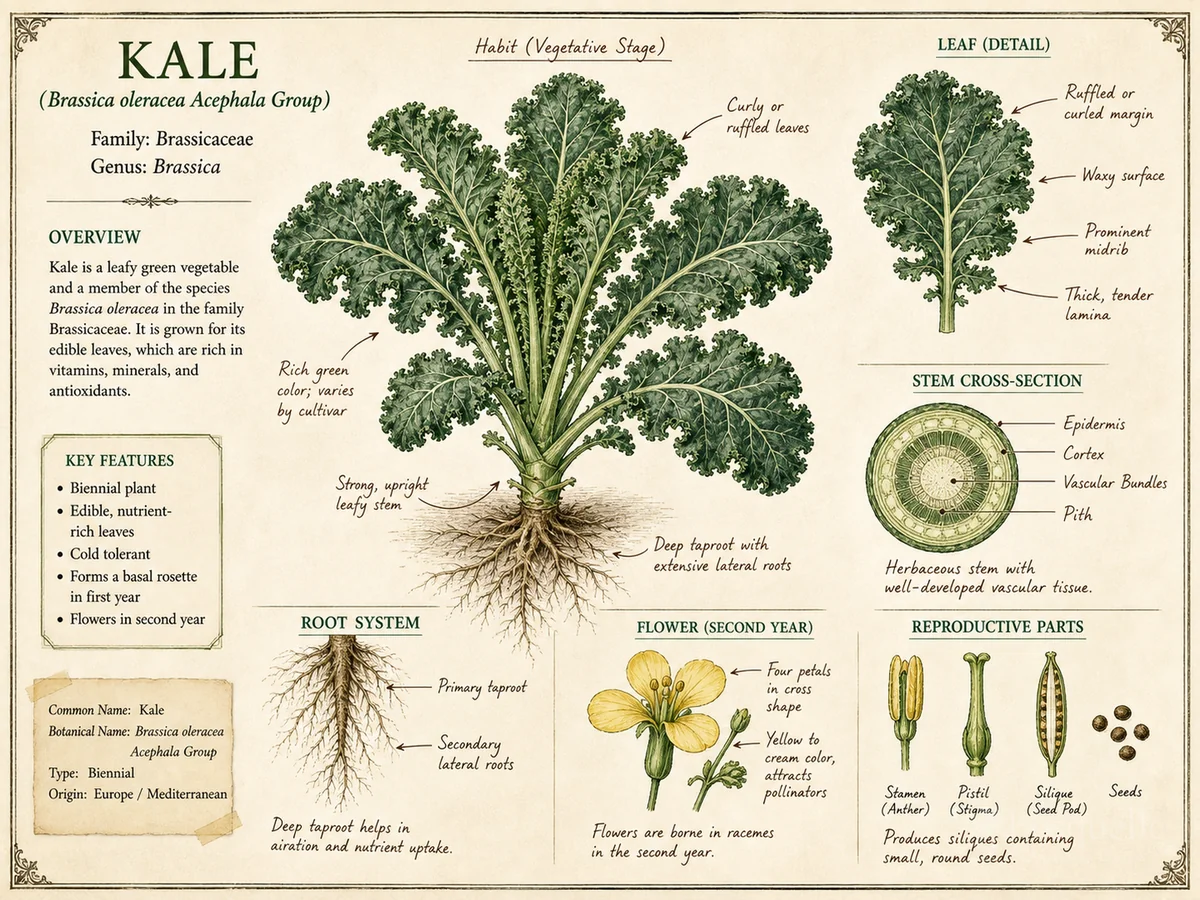
Kale and collards do not head. Harvest outer leaves from the bottom of the plant and work upward; the central growing point keeps producing until hard frost.
When is cabbage ready to harvest?
When the head feels dense and firm all the way through. Most green cabbage varieties are ready around 70 days after transplanting.
Can I get two harvests from one cabbage plant?
Yes. Cut the head at the base and leave the outer leaves and stump. The plant will send up several smaller secondary heads. Pinch extras down to four heads for best size.
What causes head splitting, clubroot, and black rot
Head splitting is a watering problem, not a disease. Inner leaves expand rapidly after rain or heavy irrigation following a dry period. Harvest promptly once heads firm up; cutting the roots on two sides of the plant with a shovel also slows water uptake and buys a few extra days before splitting. [4]
Clubroot is a soil-borne pathogen that swells and distorts roots, causing wilting despite moist soil. Pull a suspect plant and check the roots; distorted, club-shaped roots confirm it. Once established, the organism persists as resting spores for 10 or more years. Raise soil pH to 7.0 by liming, improve drainage, and avoid replanting any brassica in that spot for at least four years. Do not move soil from an infected bed on tools or boots. [5]
Black rot shows as V-shaped yellow-to-brown lesions at the leaf edges, with veins turning black. It spreads through overhead watering and infected transplants. Use certified clean transplant stock, avoid working among wet plants, and rotate out of brassicas for three to four years. There is no chemical cure once the disease is established. [6]
Why did my cabbage head split?
Rapid water uptake after a dry period causes the inner leaves to expand faster than the outer shell. Keep soil moisture even and harvest promptly once the head is firm.
What is clubroot in brassicas?
A soil-borne pathogen (Plasmodiophora brassicae) that produces swollen, distorted roots. The plant wilts even in moist soil. Lime to pH 7.0, improve drainage, and rotate brassicas out of the spot for at least four years.
Choose a type, see how to plant it, or try a container
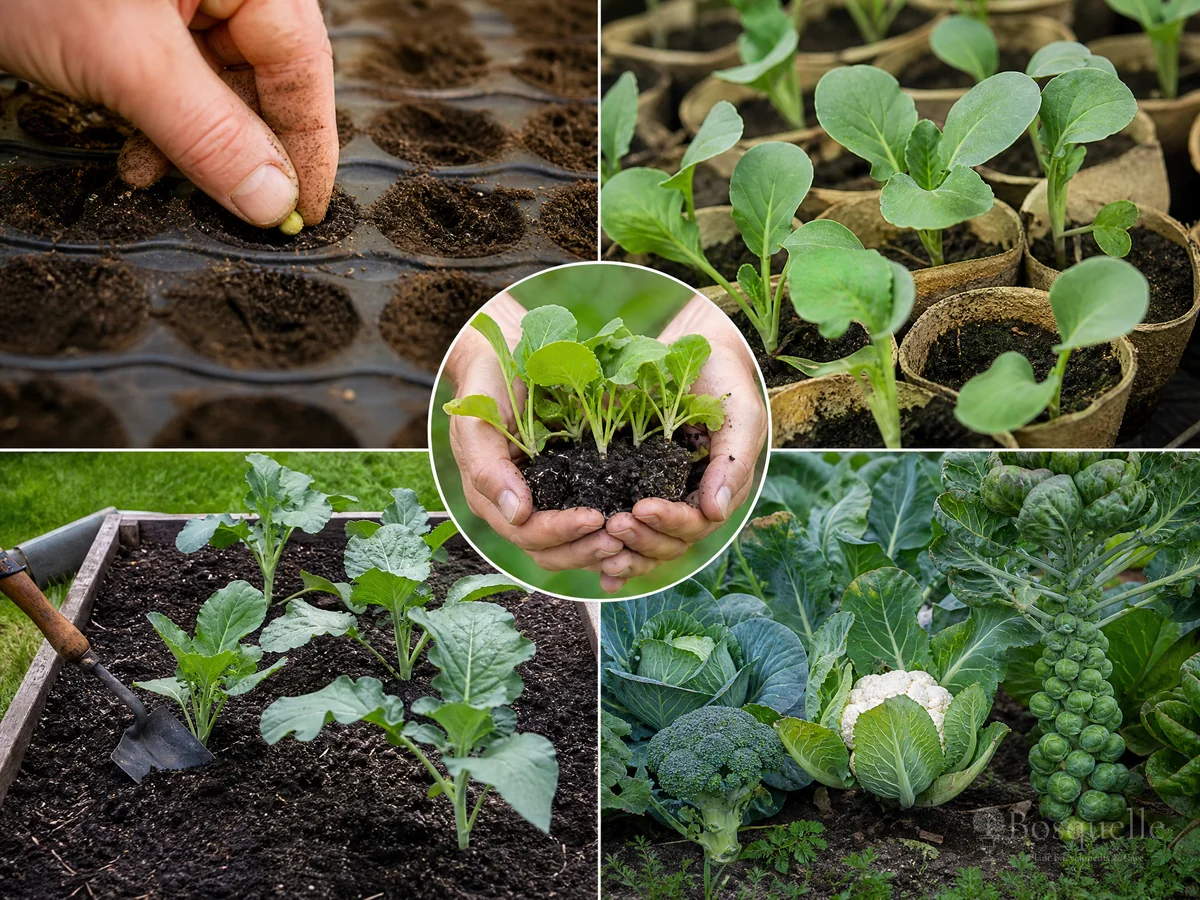
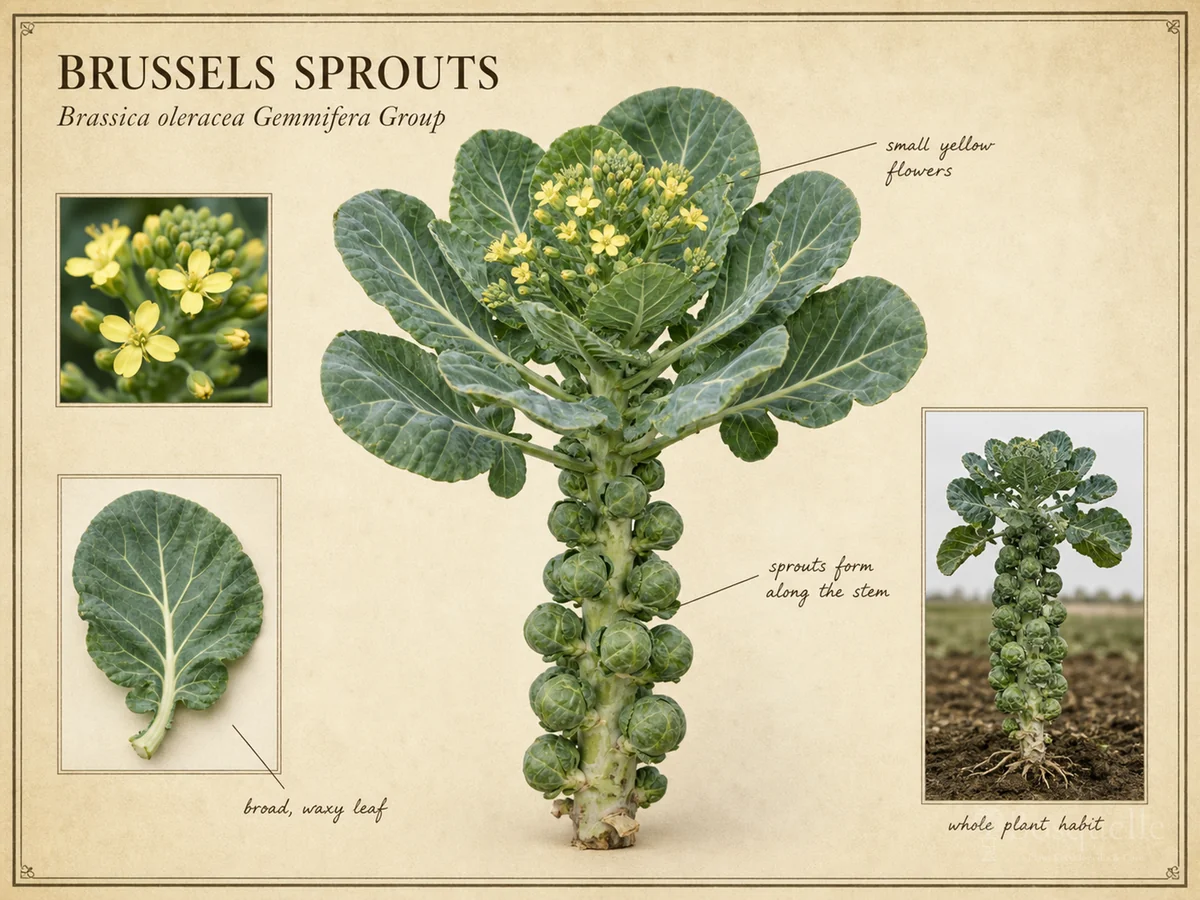
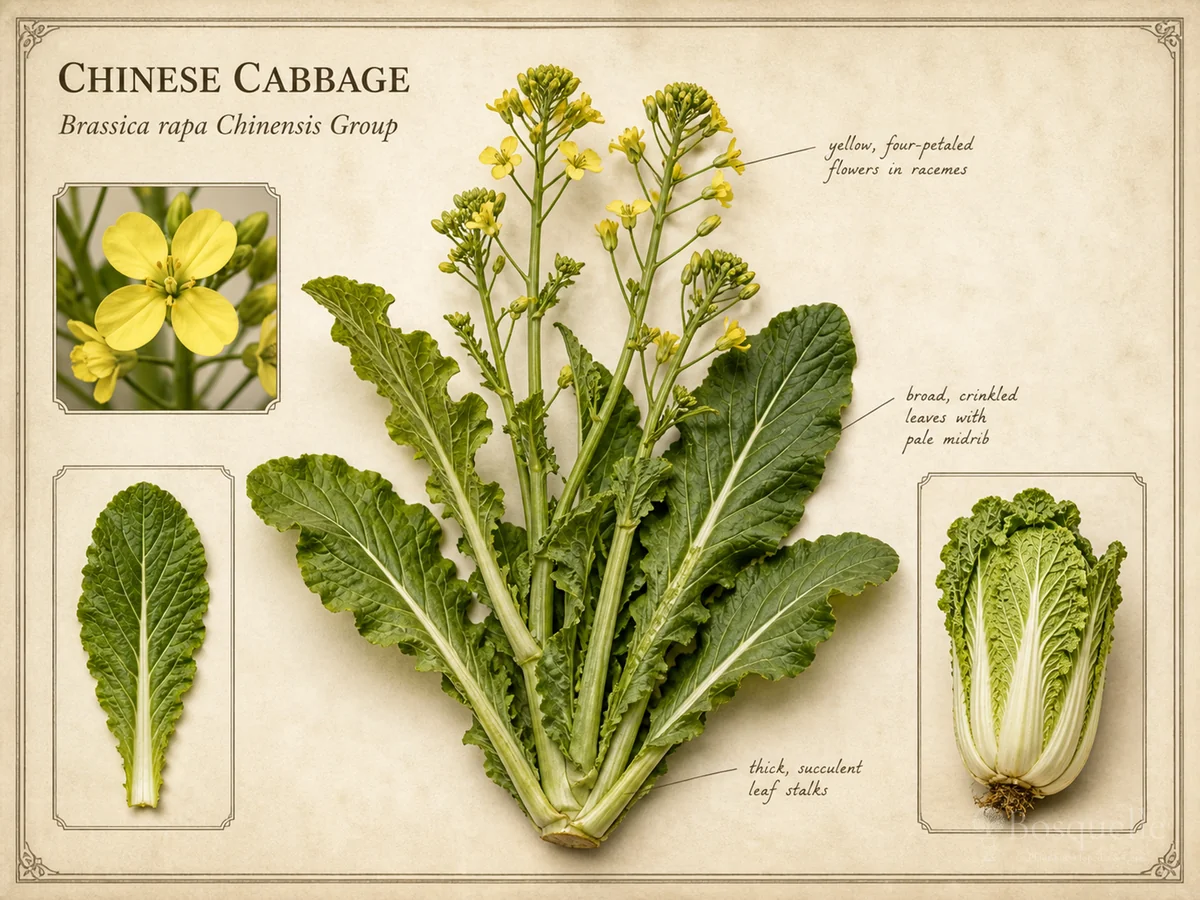
Cabbage, kale, broccoli, cauliflower, Brussels sprouts, and bok choy all grow from the same cool-season playbook but differ in harvest stage, spacing, and season length. Browse all of them on Types of Brassicas. Spring and fall planting windows, transplant depth, and spacing are on Planting Cabbage. Compact and mini-head varieties that fit a 5-gallon pot are on Cabbage in Containers.
Time your planting for cool weather, keep soil moisture even, and harvest heading types before rain causes splitting. Rotate brassicas out of any bed that shows clubroot for at least four years.
FAQ
Do brassicas come back next year?
Most brassicas are grown as cool-season annuals. Kale and Brussels sprouts are biennial but are usually pulled after harvest. They do not reliably overwinter in cold climates.
How do I prevent clubroot in my garden?
Lime the soil to pH 7.0, improve drainage, and rotate brassicas (including radishes and turnips) out of the bed for at least four years. Inspect purchased transplants closely and buy from reputable sources.
Do ornamental cabbage and kale taste good?
They are edible but bred for fall color, not flavor. The leaves are tougher and more bitter than vegetable types. Use them as a fall display and plant separate vegetable types for the kitchen.
Related guides


Recommended plants


References
- [1] Old Farmer's Almanac -
https://www.almanac.com/plant/cabbage - [2] Ohio State University Extension (Ohioline) -
https://ohioline.osu.edu/factsheet/hyg-1611 - [3] Joe Gardener -
https://joegardener.com/grow-cabbage/ - [4] Illinois Extension -
https://extension.illinois.edu/gardening/cabbage - [5] UC Cooperative Extension — Stanislaus -
https://ucanr.edu/blog/stanislaus-sprout/article/growing-brassicas - [6] UW–Madison Vegetable Pathology -
https://vegpath.plantpath.wisc.edu/diseases/brassica-black-rot/
This note is part of Brassica Guides.
More first-season notes by plant are gathered in How to Grow Guides.
Updated: Reviewed by Bosquelle Editors