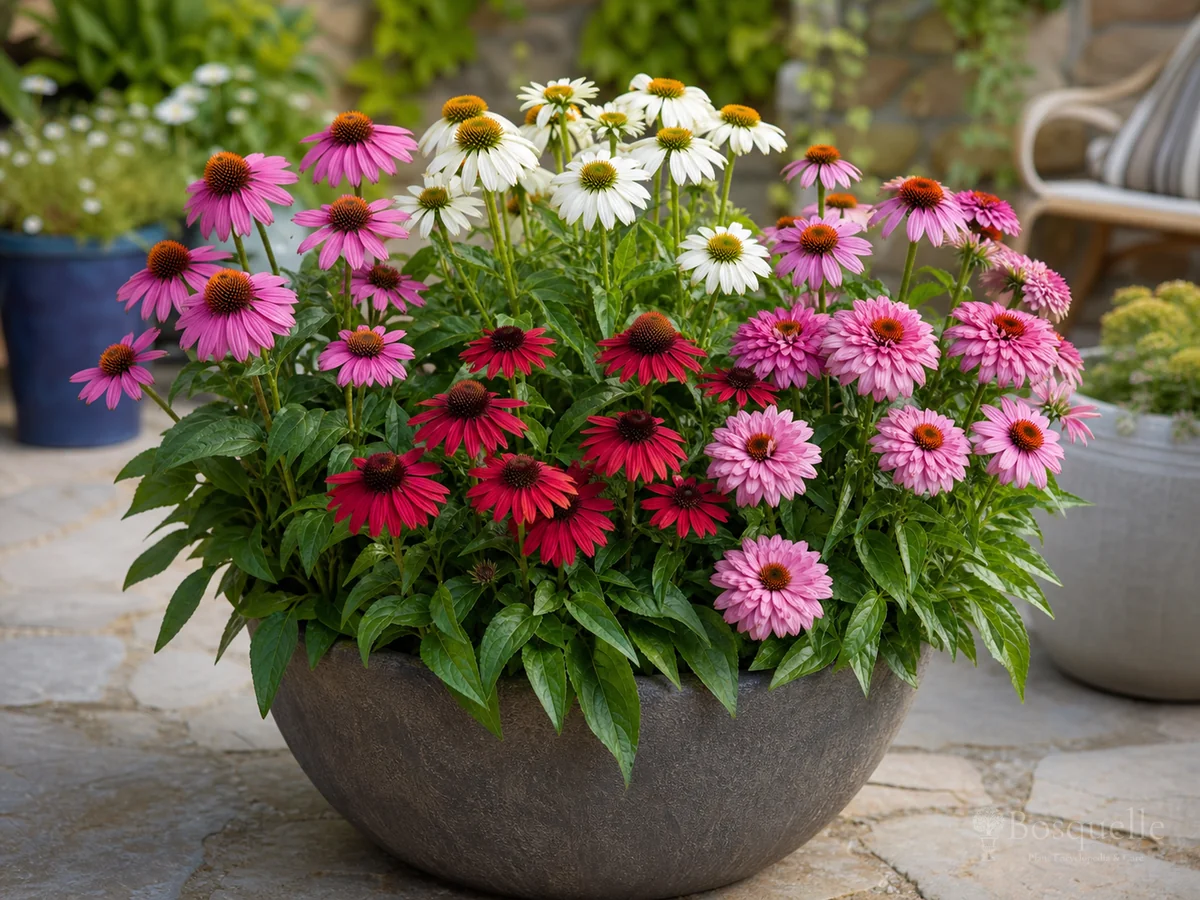
Coneflowers can live in a pot if the container is deep, drains, and never sits in a saucer of water. Compact types are the easier patio plants. Tall clumps need a wide, heavy pot. Beds are still the better long-term home.

Sun and lean soil stay on How to Grow Coneflowers.
A deep pot that drains
| Factor | Recommended | Avoid |
|---|---|---|
| Size | At least 12 inches deep and 14 inches wide | A shallow bowl that dries or rots |
| Mix | Commercial potting mix with extra grit | Garden soil packed into a sealed pot |
| Crown | Level with the mix; mulch around, not over | Burying the growing point |
Coneflowers make a deep root. A small pot starves it or keeps it wet. Unglazed terracotta dries faster, which helps in a wet summer. Plastic holds moisture longer — empty the saucer after rain.
Place the pot in full sun before you fill it. A planted container is heavy when wet. Do not plan to drag it across a deck later.
One plant per pot is enough for a compact type. A mixed bowl competes for water. If you combine, match lean-sun partners, not a wet fern.
Compact types such as Kim's Knee High, PowWow White, and Sombrero Baja Burgundy are the usual patio picks. They still need depth. Short is not a license for a 6-inch souvenir pot.
Potting coneflowers
- Choose a pot at least 12 inches deep with a drainage hole.
- Cover the hole with mesh. Fill with potting mix plus grit.
- Set the crown at mix level. Do not bury the growing point.
- Firm gently. Water once to settle. Empty the saucer after 20 minutes.
- Mulch a thin layer around the crown, not over it.
- Set the pot in full sun. Check moisture every few days in heat.
Work on a calm day. Position first, then fill. Do not plant into a pot that already sits in a tray of last week’s rain.
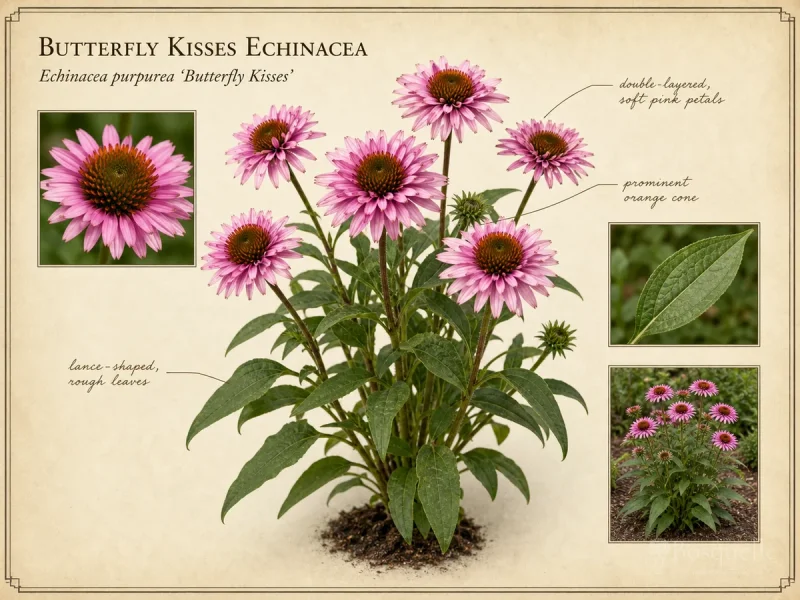
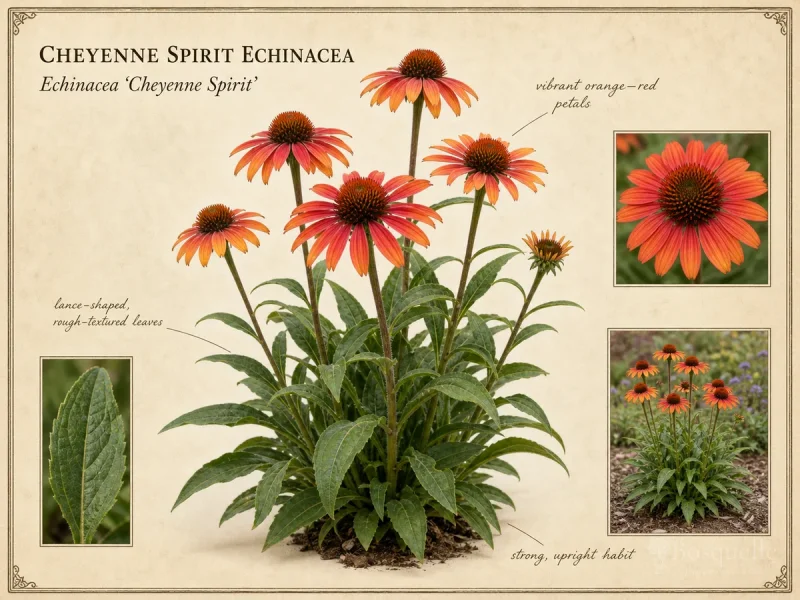
Butterfly Kisses and White Swan still want drain in a pot. Mixed-color Cheyenne Spirit needs width as well as depth. Match the inches on the tag, not the thumbnail.
Do not use garden soil from a bed. It packs, stays wet, and brings weeds. A bagged mix with grit is the patio default.
Gloves are optional for planting, unlike some toxic genera. Still wash hands after handling soil. This is not a forage plant.
Compact types vs tall clumps
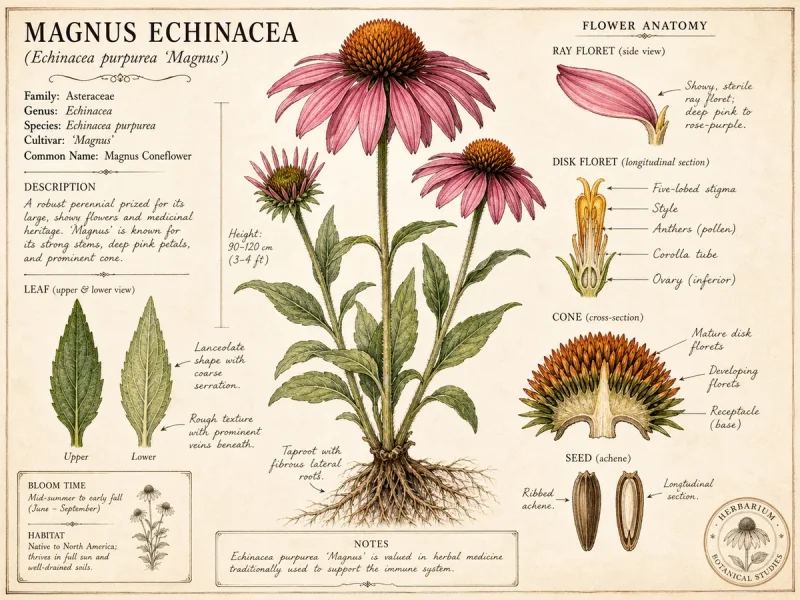
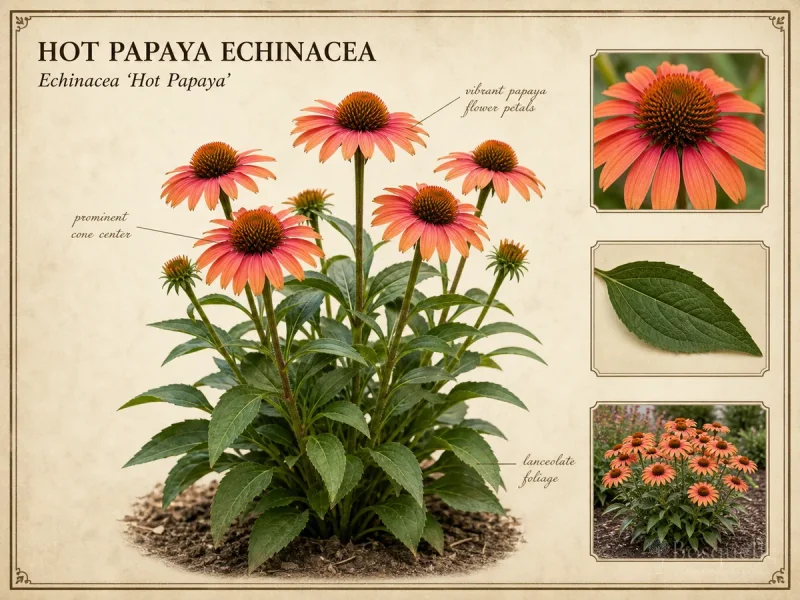
Garden-height Magnus and doubles such as Hot Papaya only belong in a large, stable container. Wind catches tall stems. A light pot tips. If you cannot offer width and weight, keep tall types in the ground.
A patio display is often a season or two, not a decade. Roots hit the wall. Divide or plant out when the mix is a solid root mass. Steps live on Dividing Coneflowers.
In cold winters, a pot crown is more exposed than a bed. Group pots against a wall, or plant the clump into the ground in fall if freeze- thaw has killed patio plants before.
Scent near a seat is a fair patio use. Fragrance still does not change mix or drain. See Fragrant Garden Coneflowers.
Partners in the same pot must share lean sun. A moisture hog in the same tub will force you to overwater the coneflower. Better: one daisy, one pot.
Water, winter, and what not to do
Water when the top inch of mix is dry. Soak until water leaves the hole, then empty the saucer. Pots dry faster than beds in wind. They also rot faster if you never empty the tray. Do not leave a wet collar overnight in cool weather.
Feed lightly once in spring if at all. Lean culture still applies. A weekly soluble feed flops stems in a pot the same as in a bed.
Deadhead for a cleaner patio, or leave late cones. Goldfinches still find a deck pot if you leave seed.
Do not let ice sit in the saucer. Do not store the pot in a dark garage all winter if you wanted a live crown — cold plus wet plus dark is rot. A sheltered outdoor corner with drain is kinder than a sealed shed.
Year-round sun and soil stay on How to Grow Coneflowers. Neighbors for a nearby bed: Coneflower Companion Plants.
If the plant wilts at noon and recovers by evening, check the mix before you flood it. Heat wilt on a drained pot is not always underwatering. A soggy pot wilts too. Feel the mix two inches down.
Refresh mix when you divide. Do not drop a divided piece back into the same exhausted, root-packed medium and expect a full bloom year.
A shallow bowl of mixed annuals is not a coneflower home. Depth first. Then sun. Then a lean mix. Color of the petal does not shrink the root.
In a heat wave, check twice a day the first week after potting. New mix dries from the rim inward. A dry rim with a wet core is still a watering question — feel two inches down before you soak again.
Wind on a balcony dries faster than a still courtyard. Group pots to share shade at the base, not to block the daisy’s six hours of light. A north wall that never sees sun is the wrong patio.
If salts crust on the mix surface, flush with a long soak that leaves the hole, then empty the saucer. Do not answer crust with more fertilizer. Lean still applies.
A compact type that outgrows a 12-inch pot in two years is a success. Move up one pot size or plant into the ground. Do not keep squeezing roots for a smaller silhouette. Height class lives on the tag, not in a starved container.
FAQ
Can you grow coneflowers in pots?
Yes in a deep, drained container in full sun. Compact types are easiest.
How big should the pot be?
At least 12 inches deep and about 14 inches wide. Tall types need more width and weight.
How often do pot coneflowers need water?
When the top inch of mix is dry. Empty the saucer after you water.
Do I fertilize container coneflowers?
Lightly once in spring if at all. Heavy feed flops stems.
Will they survive winter in a pot?
Better in a large pot that drains, or plant into the ground. Freeze-thaw in a small wet pot kills crowns.
Where is full care and divide?
How to Grow Coneflowers and Dividing Coneflowers.
Can I mix other plants in the pot?
Only if they share lean sun and drain. One coneflower per pot is simpler.
Which types are best for containers?
Compact series such as Knee High, PowWow, and Sombrero. Tall clumps need a large pot or a bed.
Related guides


Recommended plants



This note is part of Coneflower Guides.
More container notes by plant live in Container Growing Guides.
Updated: Reviewed by Bosquelle Editors