
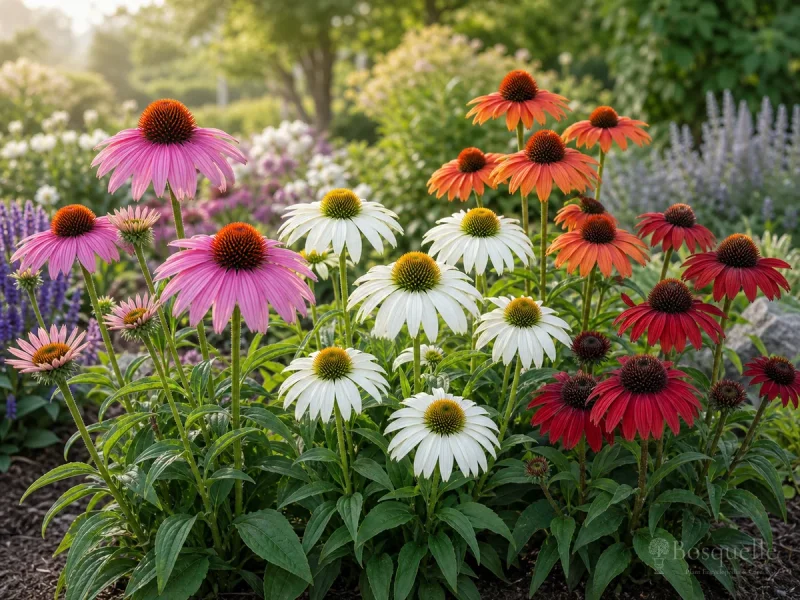
Pair coneflowers with plants that share full sun and lean, well-drained soil. Magnus is the summer daisy. Salvias, liatris, and lower skirts cover the season. Grasses and standing seedheads carry the bed after frost.

Site and water stay on How to Grow Coneflowers.
Partners that share sun and lean soil
| Factor | Recommended | Avoid |
|---|---|---|
| Light and soil | Full sun; lean, draining ground | Rich manure beds and winter-wet shade |
| Summer mix | Other prairie daisies, salvias, liatris, catmint | Hostas and mint in the same hole |
| After bloom | Leave some seedheads; frame with grasses | Cutting every cone if you wanted winter birds |
Plant in groups of three or more. Pollinators find a block faster than a single stem. Leave a clear collar around the coneflower crown so air moves and you can deadhead or leave cones without crushing neighbors.
Magnus and White Swan want the same lean sun as Goldsturm. Rudbeckia is a partner, not the same genus. Confirm Echinacea on the coneflower tag even when the two daisies sit side by side.
Match water. A plant that wants a sealed wet bowl will rot the coneflower or force you to starve the partner. Split the bed if one plant needs moisture the other cannot stand.
Space so stems dry after rain. A packed summer mix that looks full in June can keep crowns wet in August. That is a soil fail, not a partner-color fail.
Daisies, salvias, and lower skirts
Kobold liatris adds vertical spikes beside open cones. Caradonna and May Night bloom earlier and keep bees in the bed before peak coneflower. They still want sun and drain. Do not plant them in a wet shade strip and hope the daisy forgives it.
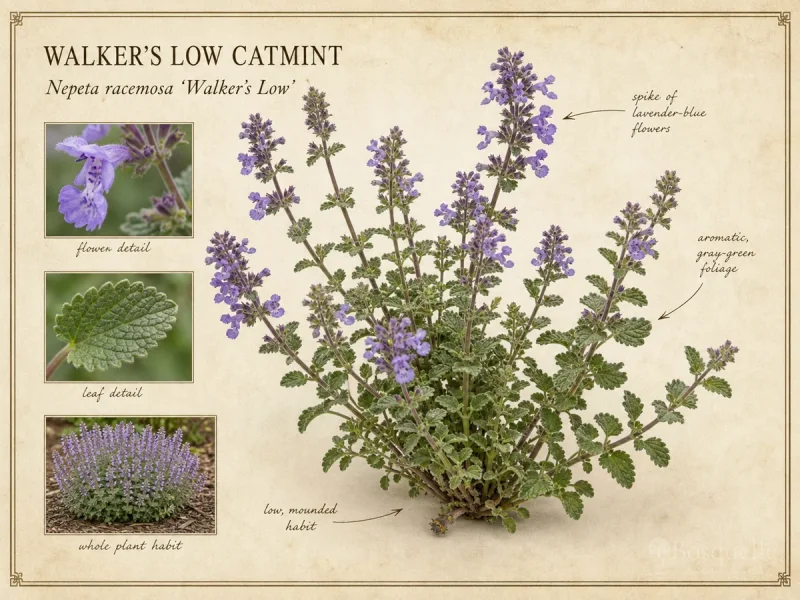
Moonshine yarrow and Walker's Low catmint cover the ankles. Set them 12–18 inches in front of the crown. You still need to reach spent stems. If you cannot step in, you planted too tight.
Bee balm, coreopsis, and blazing star are classic prairie company when they share the same sun. Watch monarda for mildew in still air. Do not use a wet bee-balm hole as a coneflower trial.
Agastache and Russian sage take the same lean brief. They stretch the nectar season. They do not replace drain. A manure program that pleases a rose will flop the coneflower in the same hole.
After the main daisy flush, later asters and goldenrod can pick up color if they stay on the dry side of average. Do not drag a wet aster bog into the prairie strip.
Grasses and winter seedheads
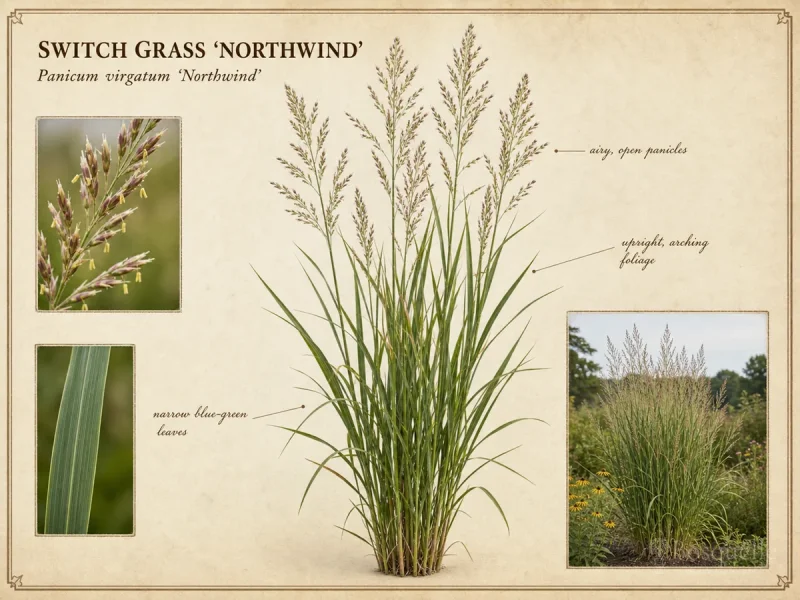
Leave a share of coneflower seedheads standing if goldfinches are part of the plan. Northwind switchgrass and Karl Foerster feather reed grass hold height after petals fall. Set them beside the clump, not on the crown.
If you cut every cone for a tidy October bed, you closed the winter food on purpose. That is a valid choice. Do not then wonder where the finches went.
Grasses behind or beside, never jammed into the collar. If frost lodges a thick mat onto the crown, thin it before spring growth. Keep mulch off the growing point, same as on the grow page.
When clumps thin, refresh spacing on Dividing Coneflowers. Division is not a reason to backfill with rich wet compost.
Pots: Coneflowers in Containers. Scent: Fragrant Garden Coneflowers.
A grass screen can take west wind. Do not let it shade the coneflower by midsummer. Six hours of light still belongs to the daisy.
Wrong partners for coneflowers
Hostas, ligularia, and other wet-shade plants want a different hole. Coneflowers rot in a sealed puddle and thin in deep shade. Do not use a woodland floor as a prairie trial.
Mint and other runners will own the strip. The coneflower clump does not run that way. You will spend years pulling mint, not enjoying cones.
A heavy rose-manure program flops echinacea. If the rose must stay rich, give it its own bed. Lean sun in one strip. Fed shrub in another.
Dense groundcovers that bury the crown hide winter wet. Bare soil with a thin mulch collar is safer than a pretty mat on the growing point.
Year-round rules stay on How to Grow Coneflowers. This page only picks neighbors that share the hole without blocking air and seedheads.
If a partner needs winter-wet feet, move it. If the coneflower needs lean drain, do not soak it to please a bog iris. Two plants, two positions, one sunny border.
Do not plant a second tall coneflower so close that two collars collide. Give each clump its own circle. Color repeats work better as a short row with gaps than as a jammed block.
Invasive spreaders that outrun a short-lived hybrid will own the hole in three years. Choose clumps you can keep in line with a spade.
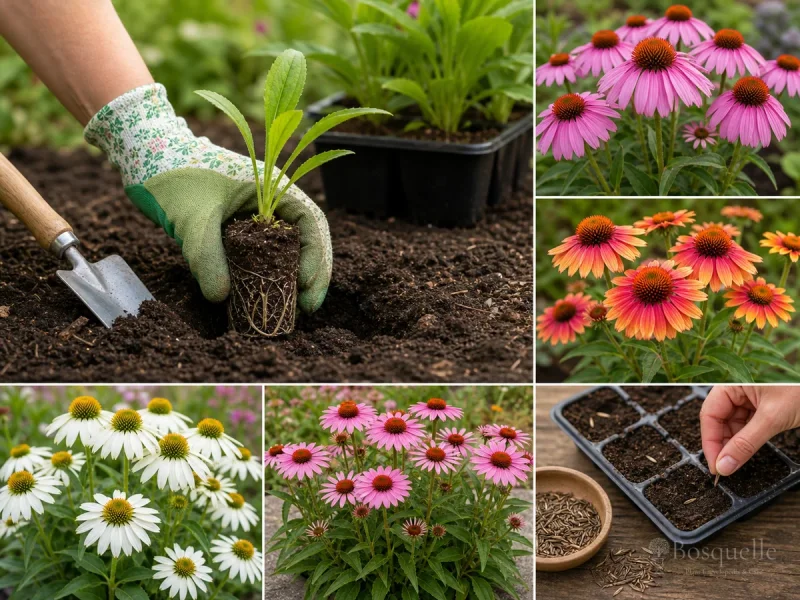
Plant at least three coneflowers together when you can. A single stem is harder for pollinators to find and looks thin beside a grass. Repeat the group down the border rather than scattering singles.
If the rose must stay in the same view, put it upslope or in a richer pocket with its own water. Do not split the difference in one hole. Lean daisy and fed shrub are two recipes.
Catmint that sprawls onto the crown needs a spring cut so the coneflower neck stays visible. That is maintenance on the skirt, not a new watering rule for the daisy.
A late aster that wants average moisture can sit a few feet away on the slightly richer side of the bed. Do not drag its irrigation into the grit strip. The hose can have two settings. The hole cannot.
FAQ
What grows well with coneflowers?
Plants that share full sun and lean drain — rudbeckia, liatris, salvia, catmint, yarrow, and prairie grasses.
Can I plant black-eyed Susan with coneflowers?
Yes as a partner. They are different genera. Confirm Echinacea on the coneflower tag.
Should I leave seedheads?
Leave some if you want goldfinches and winter structure. Deadhead a share if you want a tidier summer.
Can I mix moisture lovers with coneflowers?
Only if they share lean drainage. Winter-wet partners rot the crown.
Where is full care and divide?
How to Grow Coneflowers and Dividing Coneflowers.
How close can companions sit?
Leave about 12–18 inches in front of the crown so you can reach stems and keep air moving.
Do grasses crowd coneflowers?
They can. Plant beside, not on the crown. Do not let them shade the daisy by midsummer.
Is lavender a good partner?
Yes on a sharp-draining edge. Both want sun and lean soil. Do not water them like a vegetable patch.
Related guides


Recommended plants




This note is part of Coneflower Guides.
More neighbour shortlists by plant live in Companion Plant Guides.
Updated: Reviewed by Bosquelle Editors