
About Silver Maple
Silver Maple (Acer saccharinum) is a large, fast-growing deciduous maple with silvery leaf undersides, often used near moist ground — and often regretted in small yards for roots, brittle wood, and scale.
Can Silver Maple take your winter? Type your ZIP below and compare it with Zones 3–9.
2023 USDA ZIP listings (PRISM / USDA-ARS). Find Your USDA Hardiness Zone · Official USDA map.
At a glance
- Height: typically 15.2–24.4 m
- Spread: typically 12.2–18.3 m
- Sun: full sun to partial sun
- Soil: moist but well drained (tolerates wetter sites better than many maples)
- Water: moderate
- Hardiness: zones 3–9
- Attracts: butterflies, birds
- Habit: large shade tree — plan for decades of size, not a patio specimen
Is Silver Maple Right for Your Garden?
Best for
- Large properties, parks, and informal / meadow-edge plantings
- Moist low spots and rain-garden contexts that need a big deciduous canopy
- Gardeners who want fast shade and accept storm cleanup risk
- Wildlife interest (birds, butterflies) at landscape scale
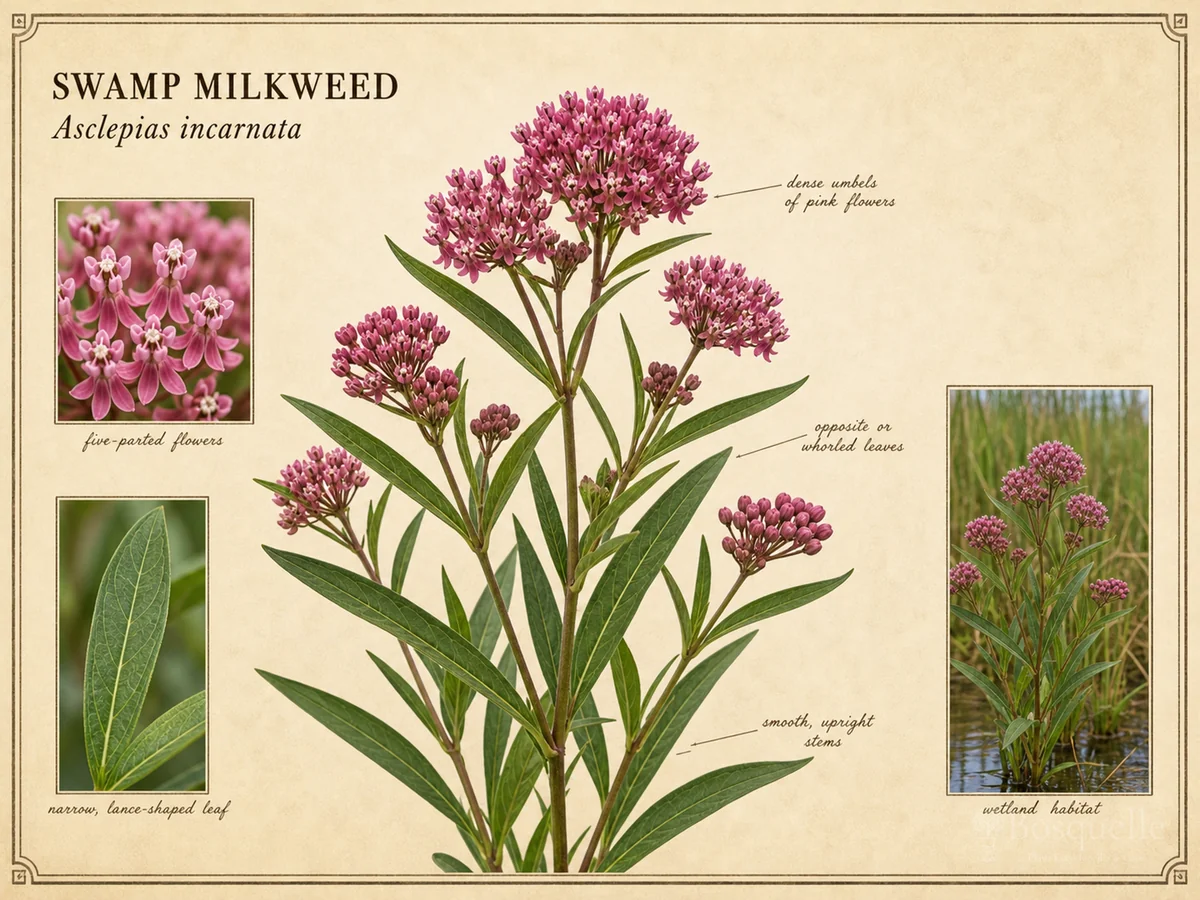
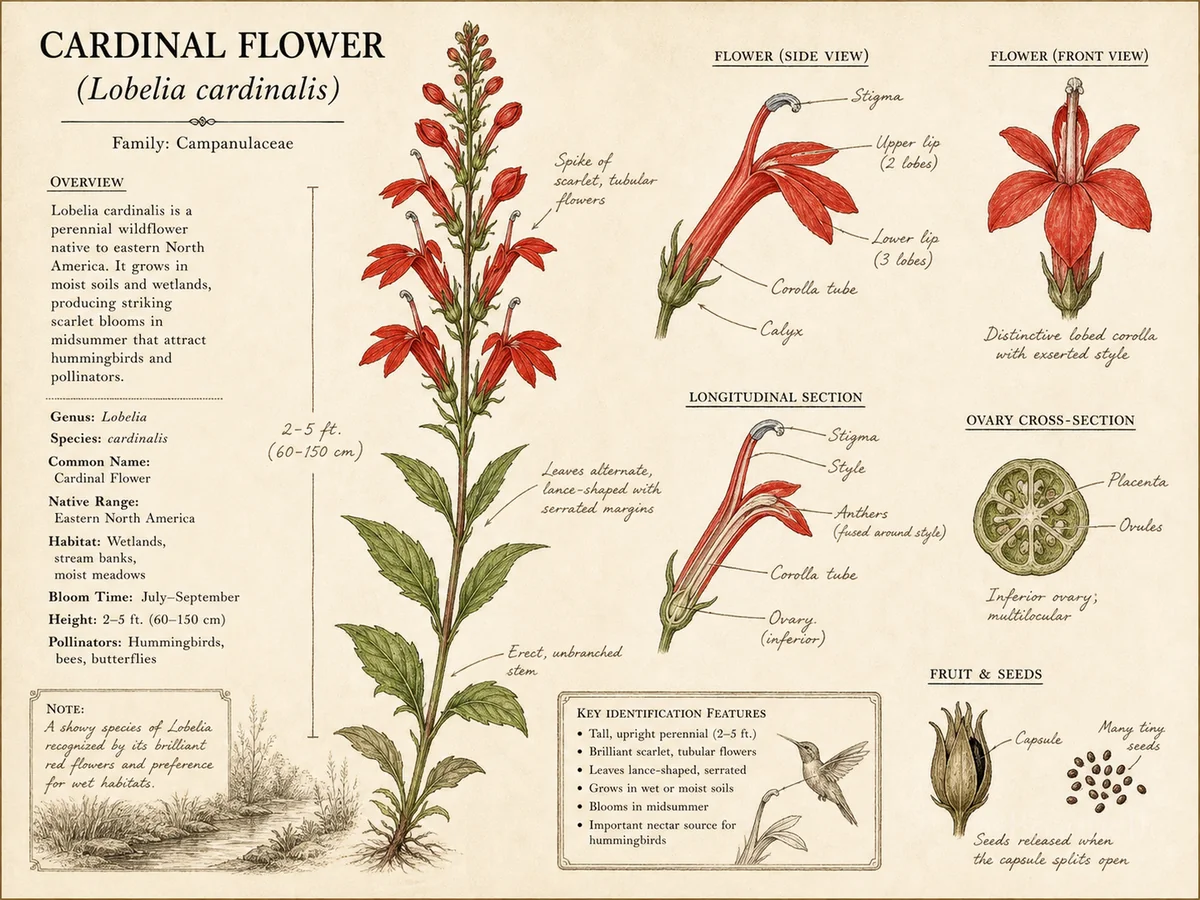
- Pairing at a distance with other moisture-tolerant natives (e.g. swamp milkweed, cardinal flower in the wet edge — not under a dense dry shade mat)
Not recommended if
- Your lot is small, or the tree would hang over a house, driveway, or septic field
- You need a clean, low-maintenance street tree with strong wood
- You cannot manage falling limbs, surface roots, or seed/seedling mess
- You want a compact ornamental maple for a courtyard
Trade-off to know
- Fast shade and wet-site toughness vs brittle wood and invasive-feeling roots
- “Easy to grow” is not the same as “easy to live with”
- If the decision is close, choose a stronger-wooded shade tree unless moisture + space clearly favour Silver Maple
Growing Conditions for Silver Maple
Site checklist
- Full sun to partial sun
- Moist but well-drained soil; also used in rain-garden / periodically wet contexts
- Hardiness zones 3–9
- Large open root and canopy space (think 12–18+ m spread)
Adjustments
- Drought / compacted urban strips: higher leaf scorch and stress — choose another tree
- Tiny lots / near foundations: wrong plant — roots and canopy outgrow the space
- Very dry gravel gardens: poor match compared with drought-adapted trees
Shared growing steps for this plant’s group: How to Grow Maples. Notes below stay specific to this plant.
How to Care for Silver Maple
Establishment
- Plant only where mature height and spread will fit without constant topping
- Water to establish; then match moisture to site (it likes moist ground, not drought-stressed lawn strips)
Structure and safety
- Train a strong central structure when young; remove weak forks early
- Expect brittle wood — inspect after storms; do not plant over roofs, cars, or play areas if you cannot accept limb risk
- Hire qualified pruning for large trees; avoid topping (creates weak regrowth)
Health
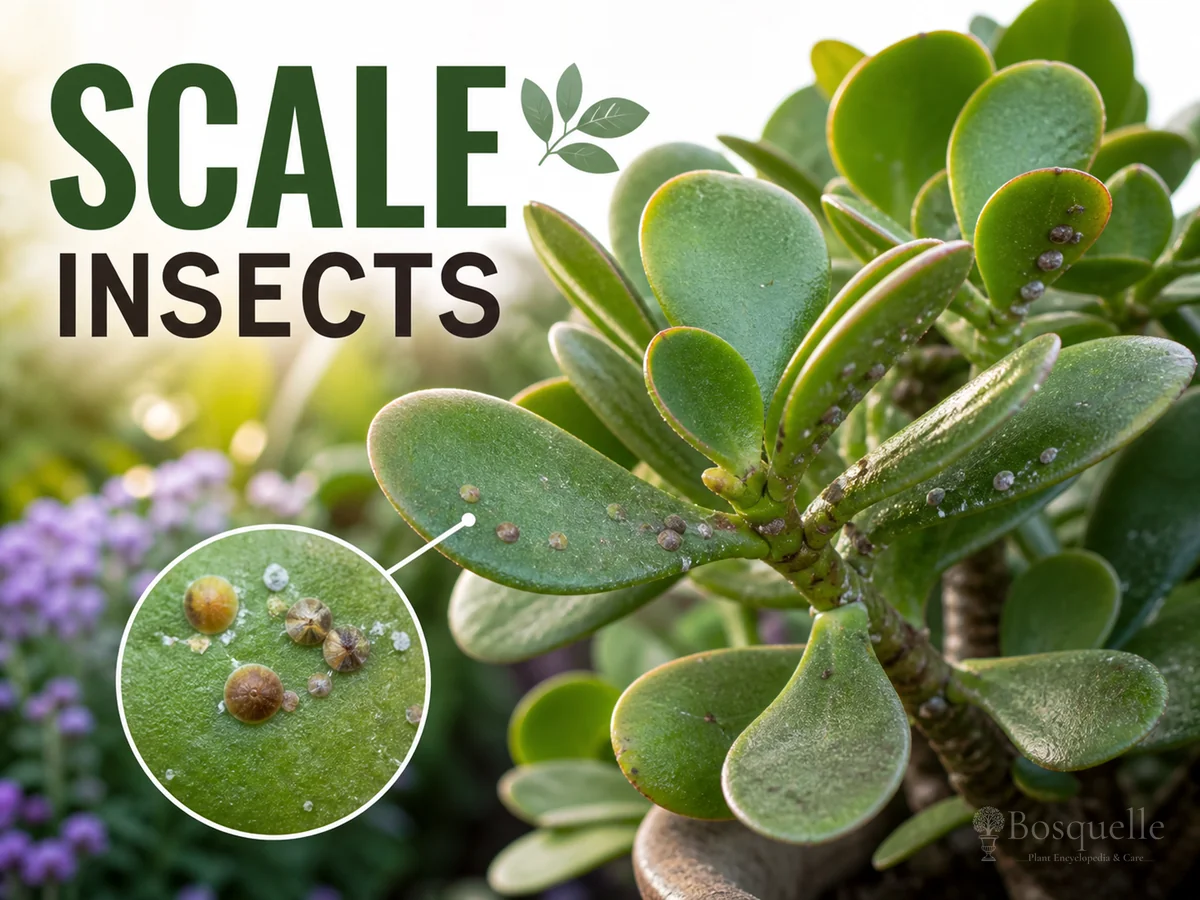
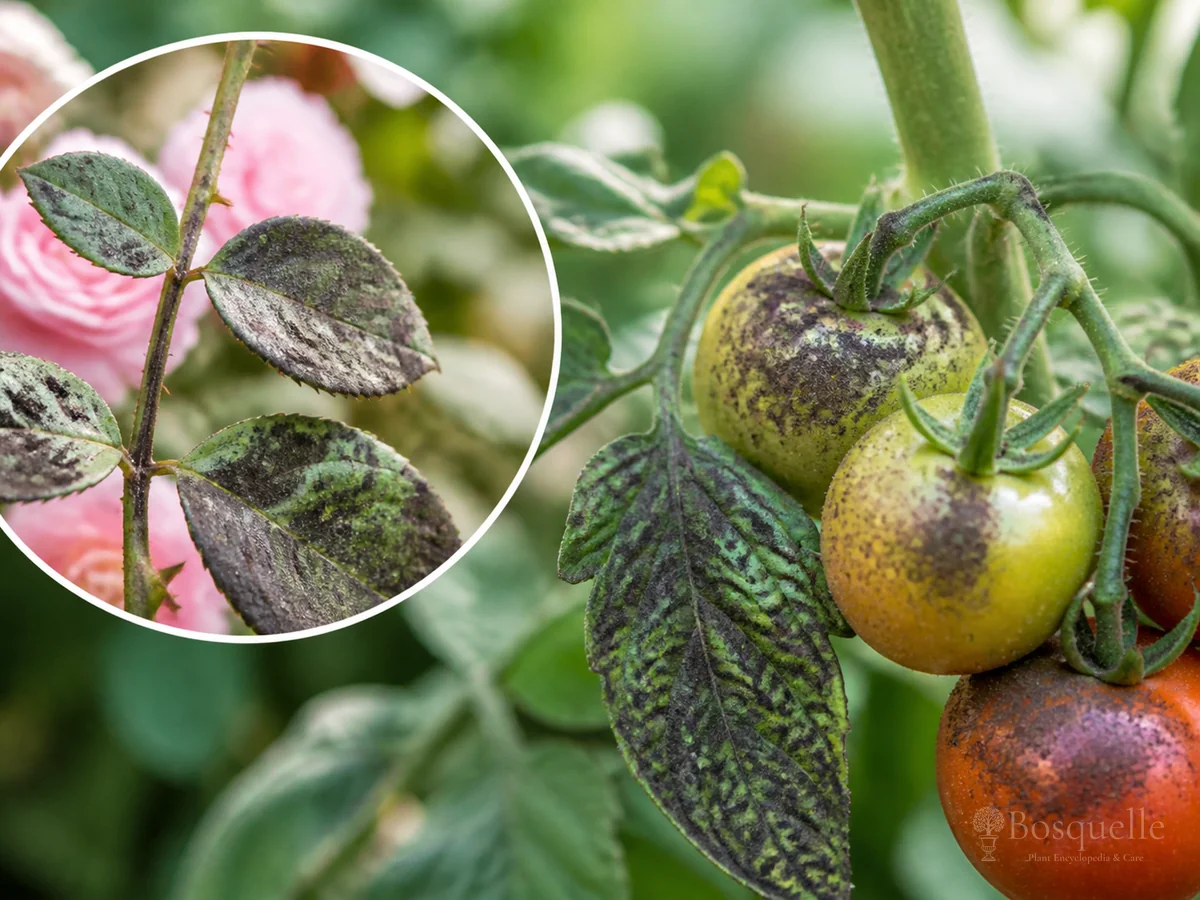
- Watch for scale and sooty mold on sticky honeydew
- Leaf scorch in hot, dry, compacted sites — mulch the root zone, keep soil moisture more even
- Keep turf competition and lawn mowers off the root flare
Diagnosing Problems with Silver Maple
| Symptom | Likely cause | Confirming sign | Action |
|---|---|---|---|
| Sticky leaves; black sooty coating; ants on twigs | Scale insects (honeydew → sooty mold) | Small bumps on twigs/leaves; black film on foliage below infestations | Confirm scale before spraying. Encourage predators (Ladybugs, Lacewings, Braconid Wasps) with flowering edges away from mower blades. For heavy infestations on reachable wood, use horticultural oil in the correct dormant/summer window per label. Clean sooty mold only after honeydew source drops. |
| Leaf edges brown and crisp in summer; canopy looks scorched | Leaf scorch (water stress / heat / compaction) | Worst on hot, windy, or paved sites; soil dry or compacted under the canopy | Deep water during droughts for the first years. Maintain a wide mulch ring (not volcano mulch). Reduce compaction; do not raise grade over roots. |
| Large limbs snap in wind or ice; weak branch unions | Brittle wood / poor structure (species trait + missed training) | Included bark forks; long horizontal limbs over targets | Remove high-risk targets under the canopy if possible. Have a qualified arborist reduce risk and improve structure — do not top the tree. |
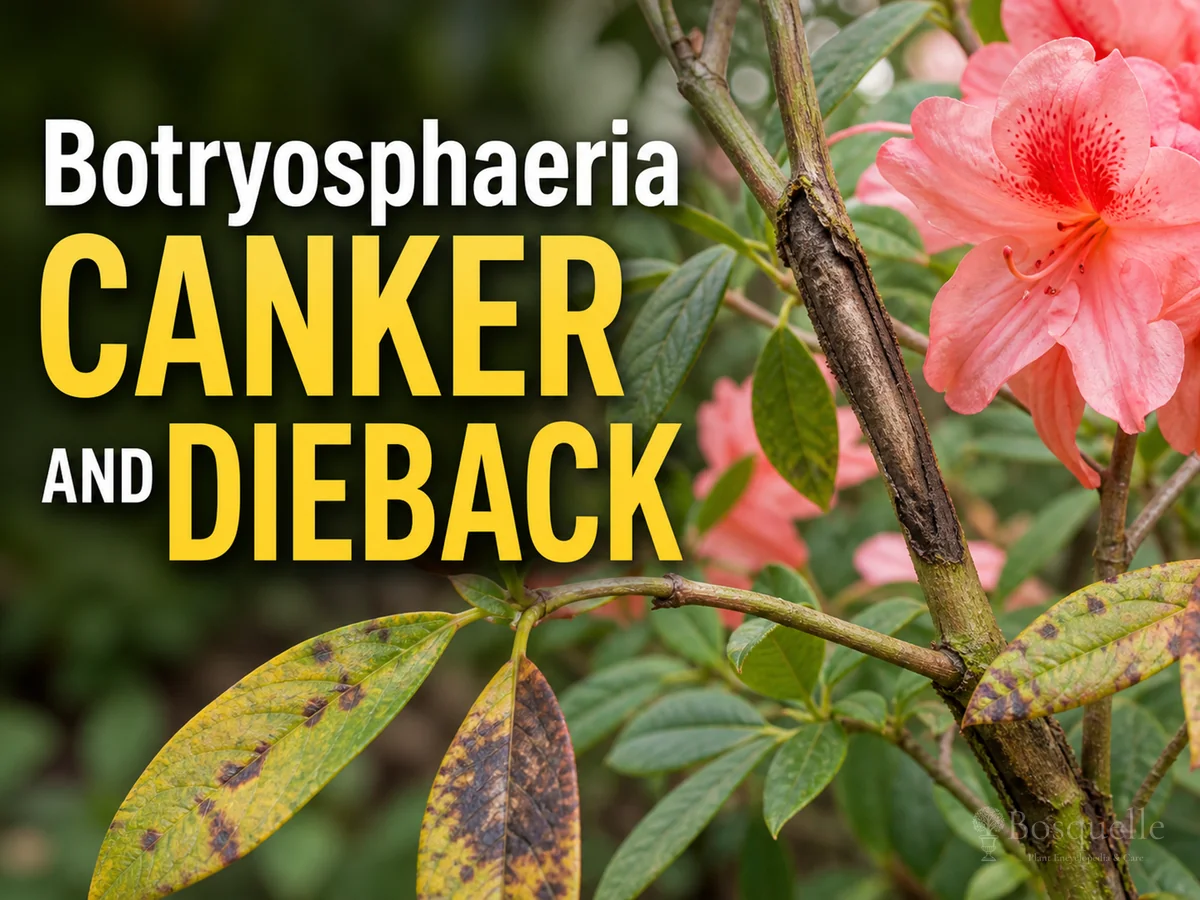
| Localised dead bark areas; dieback of branches | Canker (disease / stress complex) | Sunken or discoloured bark patches; dieback beyond the lesion | Prune out dead wood into healthy tissue when dry. Reduce stress (mulch, water in drought). Do not wound the trunk with string trimmers. |
| Surface roots lifting pavement; seedlings everywhere | Normal aggressive rooting and seeding for this species | Roots at soil surface; abundant winged seeds and volunteer seedlings | This is a siting problem more than a spray problem. Avoid planting near pipes, sidewalks, and foundations. Pull seedlings early. Choose a different tree if infrastructure conflict has already started. |
Sticky leaves; black sooty coating; ants on twigs
- Likely cause
- Scale insects (honeydew → sooty mold)
- Confirming sign
- Small bumps on twigs/leaves; black film on foliage below infestations
- Action
- Confirm scale before spraying. Encourage predators (Ladybugs, Lacewings, Braconid Wasps) with flowering edges away from mower blades. For heavy infestations on reachable wood, use horticultural oil in the correct dormant/summer window per label. Clean sooty mold only after honeydew source drops.
Leaf edges brown and crisp in summer; canopy looks scorched
- Likely cause
- Leaf scorch (water stress / heat / compaction)
- Confirming sign
- Worst on hot, windy, or paved sites; soil dry or compacted under the canopy
- Action
- Deep water during droughts for the first years. Maintain a wide mulch ring (not volcano mulch). Reduce compaction; do not raise grade over roots.
Large limbs snap in wind or ice; weak branch unions
- Likely cause
- Brittle wood / poor structure (species trait + missed training)
- Confirming sign
- Included bark forks; long horizontal limbs over targets
- Action
- Remove high-risk targets under the canopy if possible. Have a qualified arborist reduce risk and improve structure — do not top the tree.
Localised dead bark areas; dieback of branches
- Likely cause
- Canker (disease / stress complex)
- Confirming sign
- Sunken or discoloured bark patches; dieback beyond the lesion
- Action
- Prune out dead wood into healthy tissue when dry. Reduce stress (mulch, water in drought). Do not wound the trunk with string trimmers.
Surface roots lifting pavement; seedlings everywhere
- Likely cause
- Normal aggressive rooting and seeding for this species
- Confirming sign
- Roots at soil surface; abundant winged seeds and volunteer seedlings
- Action
- This is a siting problem more than a spray problem. Avoid planting near pipes, sidewalks, and foundations. Pull seedlings early. Choose a different tree if infrastructure conflict has already started.
Natural Pest Control for Silver Maple
Scale Insects
Natural predators
- Braconid Wasp
- Lacewing
- Ladybug
- Soldier beetle
- Tachinid fly
Plant nearby
-
Achillea (Yarrow) — sunny edge
Supports Lacewings and other generalist predators. Plant in a sunny margin of the property, not in deep dry shade under the maple.
-
Anethum graveolens (Dill) or other umbellifers (seasonal edge)
Umbellifer flowers support parasitic wasps linked to scale biocontrol. Use in a garden bed nearby — not as understory that needs constant moisture conflict with lawn.
Aphids (honeydew contributors)
Natural predators
- Ladybug
- Lacewing
Plant nearby
-
Asclepias incarnata (Swamp Milkweed)
Fits moist edges Silver Maple often occupies; supports pollinators and keeps the wet zone planted rather than bare compacted turf.
-
Lobelia cardinalis (Cardinal Flower)
Another moisture-edge partner for rain-garden contexts. Provides nectar habitat while you manage canopy pests at the landscape scale.
Companion plants

Silver Maple FAQ
-
Should I plant a Silver Maple in a small yard?
Usually no.
- Mature size ~15–24 m tall and 12–18 m wide
- Surface roots and brittle limbs conflict with houses and drives
- Choose a smaller, stronger-wooded shade tree unless you have real space and moist ground
-
Are Silver Maple roots invasive?
They are aggressive seekers of moisture and oxygen:
- Can lift pavement and probe pipes/septic areas
- Plant far from foundations and utilities
- If conflict already exists, management is limited — prevention is the real control
-
Why do Silver Maple branches break so easily?
The species has relatively brittle wood and often weak forks.
- Train structure when young
- Avoid planting over high-value targets
- After storms, have hazards assessed — topping makes future wood weaker
-
Is Silver Maple good for wet soil or rain gardens?
Better than many maples for moist / periodically wet ground.
- Fits rain-garden and low-spot contexts at landscape scale
- Still needs room for canopy and roots
- Pair wet edges with swamp milkweed or cardinal flower, not thirsty lawn under stress
-
What causes black sooty stuff on Silver Maple leaves?
Usually sooty mold growing on honeydew from scale (or aphids).
- Treat the insect source, not only the black film
- Support predators with flowering edges
- Use oils/soaps only as labelled and when appropriate for the life stage
-
Silver Maple vs Sugar Maple — which should I choose?
Different jobs
- Silver Maple — faster, wetter sites, weaker wood, bigger mess risk
- Sugar Maple — slower, better autumn colour reputation, needs better-drained fertile sites
Pick from site moisture + risk tolerance, not from the word “maple” alone.
What Silver Maple Symbolises
Bosquelle AI — generated content, not human-reviewed botanical research.
- enduring
- adaptable
- grounded
- resilient
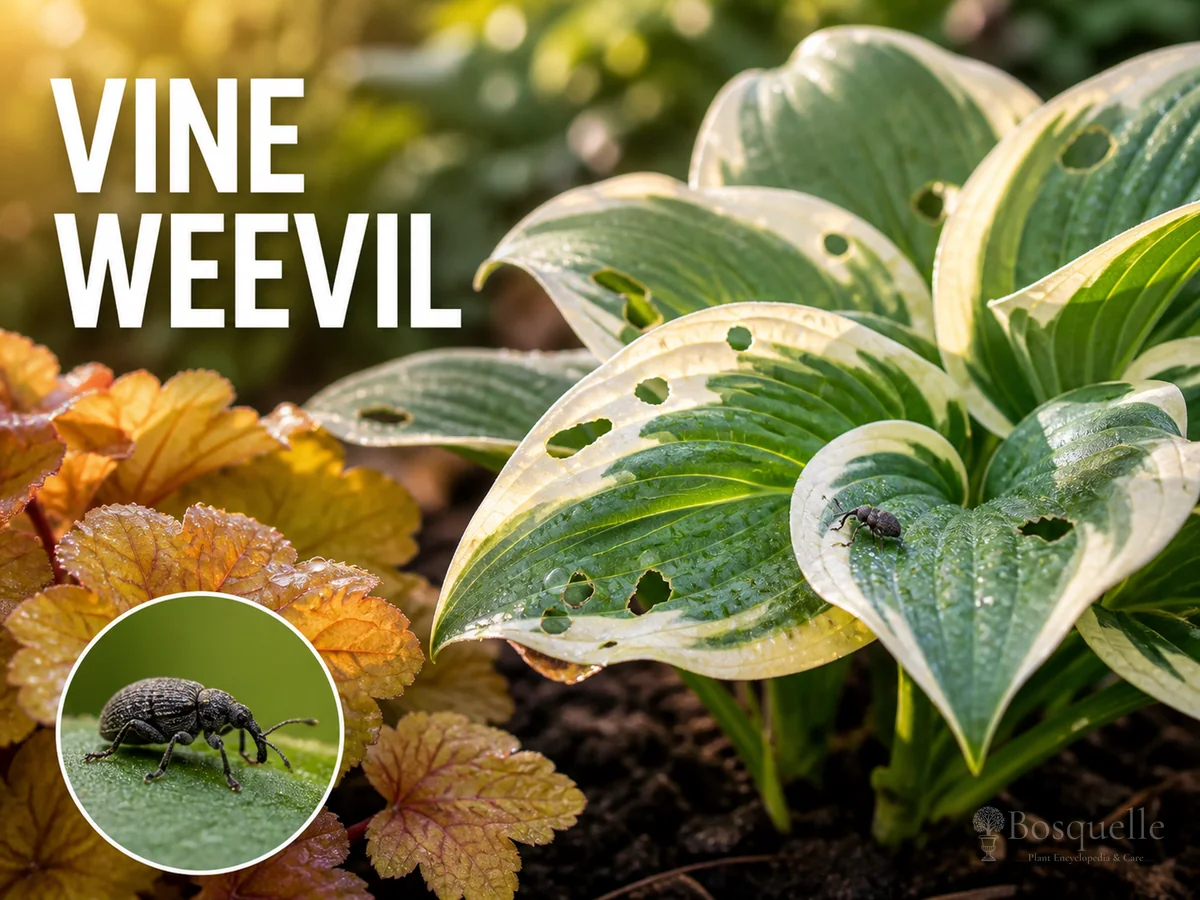
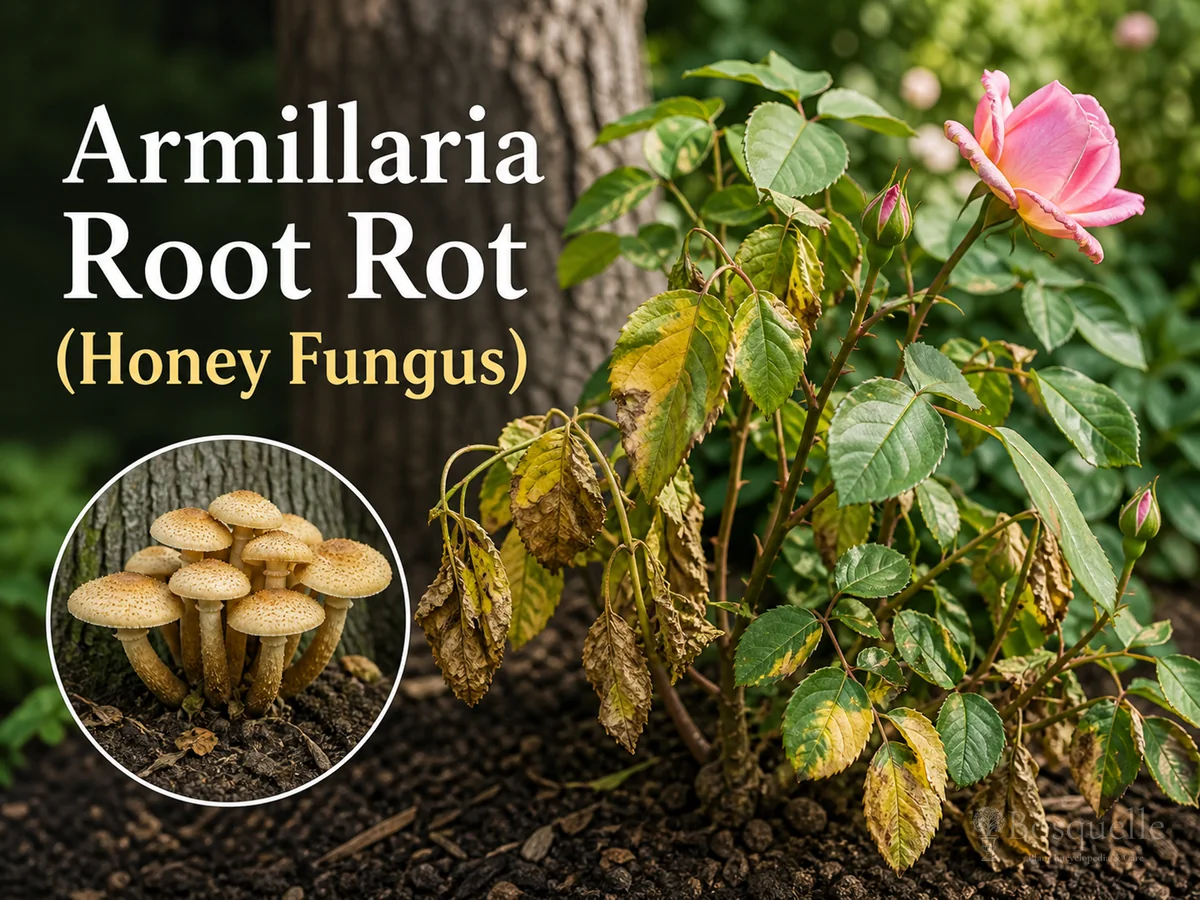
Pests and diseases
Problems noted for this plant — open a hub for identification and general control.

References
- [1] GBIF occurrence phenology — Bloom months inferred from StillImage observation seasonality (temperate Northern Hemisphere filter). Not an official cultivar calendar. -
https://www.gbif.org/species/3189837 - [2] GBIF species distributions — Native range summarised from GBIF distribution records; locality noise filtered to country and macro-region terms. -
https://www.gbif.org/species/3189837 - [3] NC State Extension -
https://plants.ces.ncsu.edu/plants/acer-saccharinum/
Taxonomic identifiers
https://www.gbif.org/species/3189837(GBIF 3189837)https://www.wikidata.org/wiki/Q158301(Wikidata Q158301)https://powo.science.kew.org/taxon/kew-2616367(POWO kew-2616367)https://www.ipni.org/n/781494-1(IPNI 781494-1)