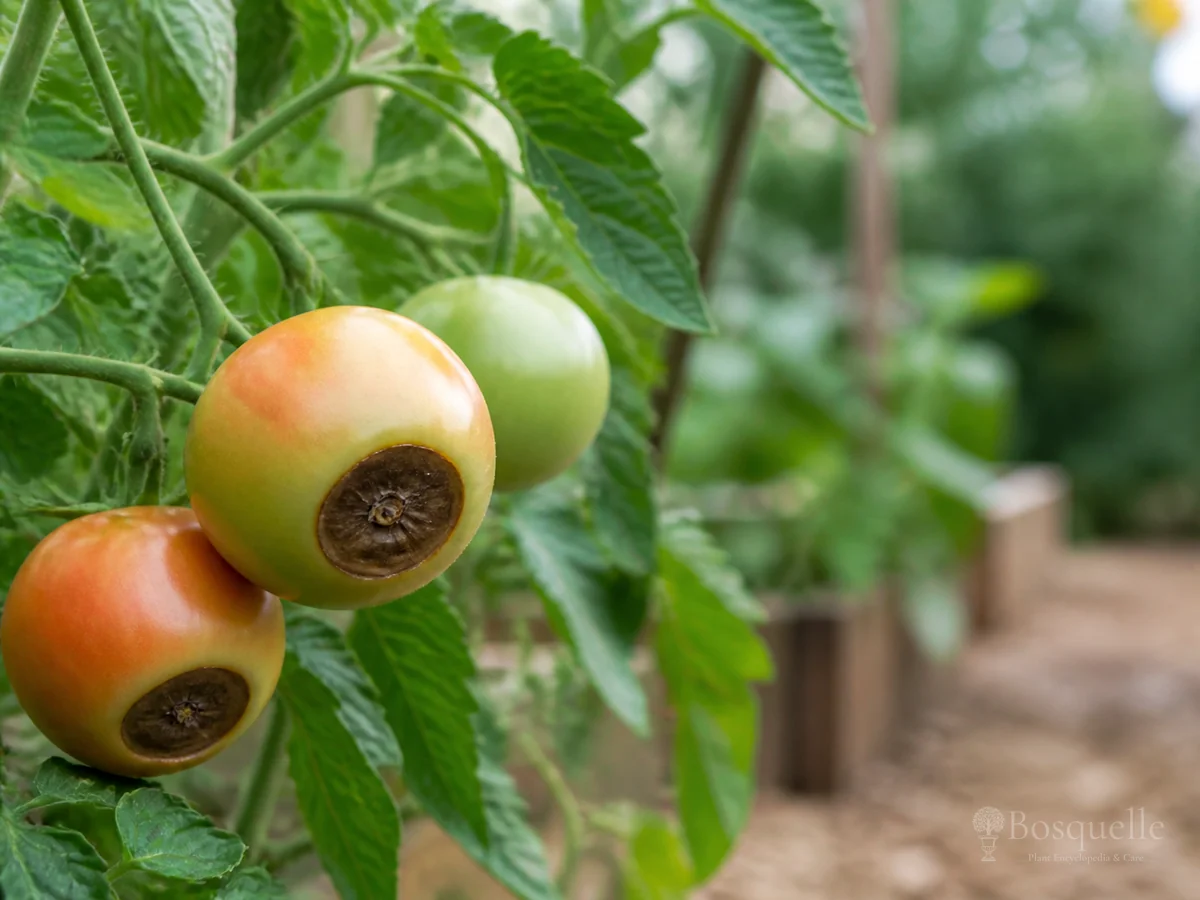
Blossom-end rot is a watering-and-calcium problem, not a blight fungus. The blossom end of the fruit — the bottom, opposite the stem — turns sunken and leathery while the plant still looks alive. It is not the canopy collapse of late blight and not the leaf-freckle job of Septoria leaf spot. Even watering beats a bottle.
Do this first: pick the scarred fruit, even the moisture, and mulch. Wait on clean fruit still sizing. Discard only soft or moldy tomatoes.
Bottom rot, or a leaf blight / greasy collapse
| What you see | Likely | Do this first |
|---|---|---|
| Sunken leathery brown or black on the bottom of still-green fruit; leaves mostly fine | Blossom-end rot | Pick that fruit; even the water |
| Oily irregular blotches; canopy collapsing in cool rain | Late blight | See late blight — pull and bag |
| Bullseye spots on old leaves | Early blight | See early blight |
| Many tiny gray-center spots on leaves; fruit still clean | Septoria leaf spot | See Septoria — pinch leaves |
| One side yellow; brown inside a cut stem | Fusarium wilt | See Fusarium wilt |
Sunscald bleaches the side that faced a sudden gap in leaves. This rot starts at the blossom end. If you need a leathery bottom, stay here.
Is this late blight?
No. Late blight greases leaves and can drop a canopy in cool rain. This is a sunken leathery patch on the bottom of the fruit while the plant still looks watered. A collapsing oily top is late blight.
A bruise on the blossom end
It starts as a small dark bruise on the bottom of fruit that is still green or just coloring, often when fruit is one-third to half grown. The patch sinks, turns leathery, and can take half the tomato. Cut one open and the inside may already be brown even if the skin looked almost sound. Peppers can scar on the side near that end. Leaves usually keep working. This is not a row of leaf spots. Walk the first cluster once a week in hot spells — catch a bruise the size of a dime, not a half-fruit crater. Do not wait for the top of the plant to look sick. The fruit tells this story first.
How do I identify blossom end rot?
Look at the blossom end — the bottom, opposite the stem. A bruise on still-green fruit turns sunken, leathery, and dark. Leaves usually stay green. First fruit of the season often shows it first.
Cut it off — the next fruit can be fine
That fruit will not fill out. Pick it. A small leathery patch can be trimmed in the kitchen. Soft or moldy fruit goes in the bin — fungi move into dead tissue, but they did not start this. Wait on clean fruit still hanging. Act if every new fruit still scars after you even the water. A blight spray will not help. Skip the brand aisle.
Should I pick the damaged fruit?
Yes. That fruit will not fill out. Pick it so the plant puts energy into the next set. Wait on fruit that is still clean.
Even moisture beats a calcium bottle
Calcium rides the water stream into fruit and does not move back from leaves later. Drought, then a flood, then drought again starves the bottom of the fruit. Aim for even moisture — about one inch of water a week, mulch, morning at the base. Do not cultivate within a foot of stems. Containers dry faster; they need even watering more, not a bigger bottle. Fail if the bed is dust one day and soup the next.
How do I prevent blossom end rot?
Even watering is the job. About one inch a week, mulch, do not flood after a dry spell. Hold heavy nitrogen while fruit is setting. Fail if the hose is feast-or-famine.
Do containers get it more?
Yes. Pots dry and flood faster. Mulch the mix. Water to even moisture, not a soak after a wilt. The first fruit in a pot is a common hit.
First fruits often take the hit
The first tomatoes of the season are the usual victims while the plant is still catching up. Paste and plum types show it more. Later fruit often comes clean once watering settles. Tolerate an ugly first set. Discard only fruit that is already rotting through. Do not pull the plant because July’s first tomato failed.
Will the next tomatoes be OK?
Often. First fruits take the hit while the plant is still finding its water. Even the watering and the later fruit usually comes clean. Act if every new fruit still scars.
A nitrogen push makes it worse
Extra leaf growth steals the water stream. Ammonium nitrogen, heavy manure, and high potassium or magnesium compete with calcium. If you feed, a nitrate form and a light hand during early fruit is enough. Most bagged potting mix already has calcium. Test old ground before you lime. Eggshells and powdered milk do not reverse this week’s bottoms. Skip the brand aisle of “tomato calcium sprays.”
Should I add calcium or eggshells?
Most garden soil already has calcium. The fruit is not getting it because water swung. A soil test first. Eggshells and powdered milk do not reverse a leathery bottom overnight.
Does too much fertilizer cause it?
A nitrogen push grows leaves that steal the water stream. Ammonium forms make it worse. Use a nitrate form if you feed, and do not pile on during early fruit.
Is my soil low in calcium?
Sometimes, rarely the whole story. Test if you have never limed a very acid bed. Do not start with a bottle because a search said calcium.
Peppers scar on the side too
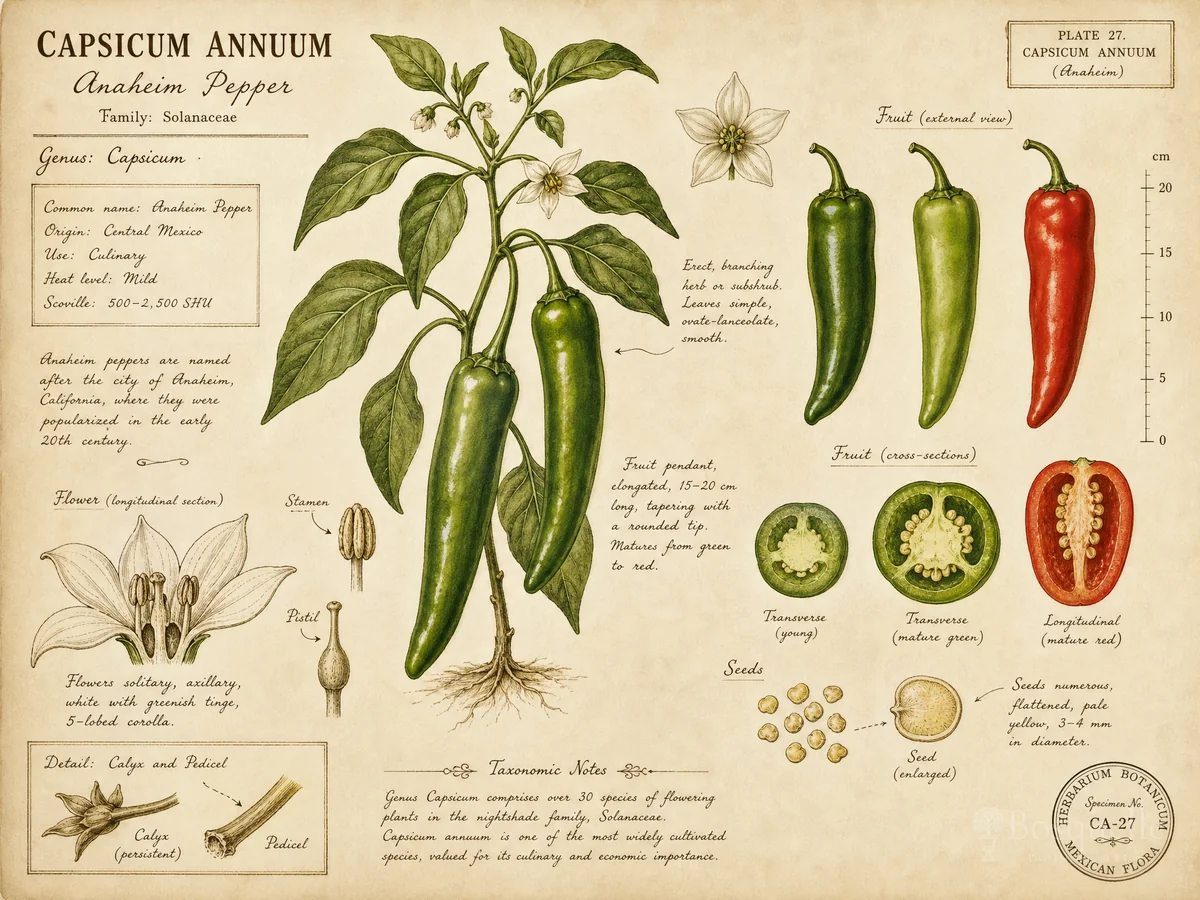
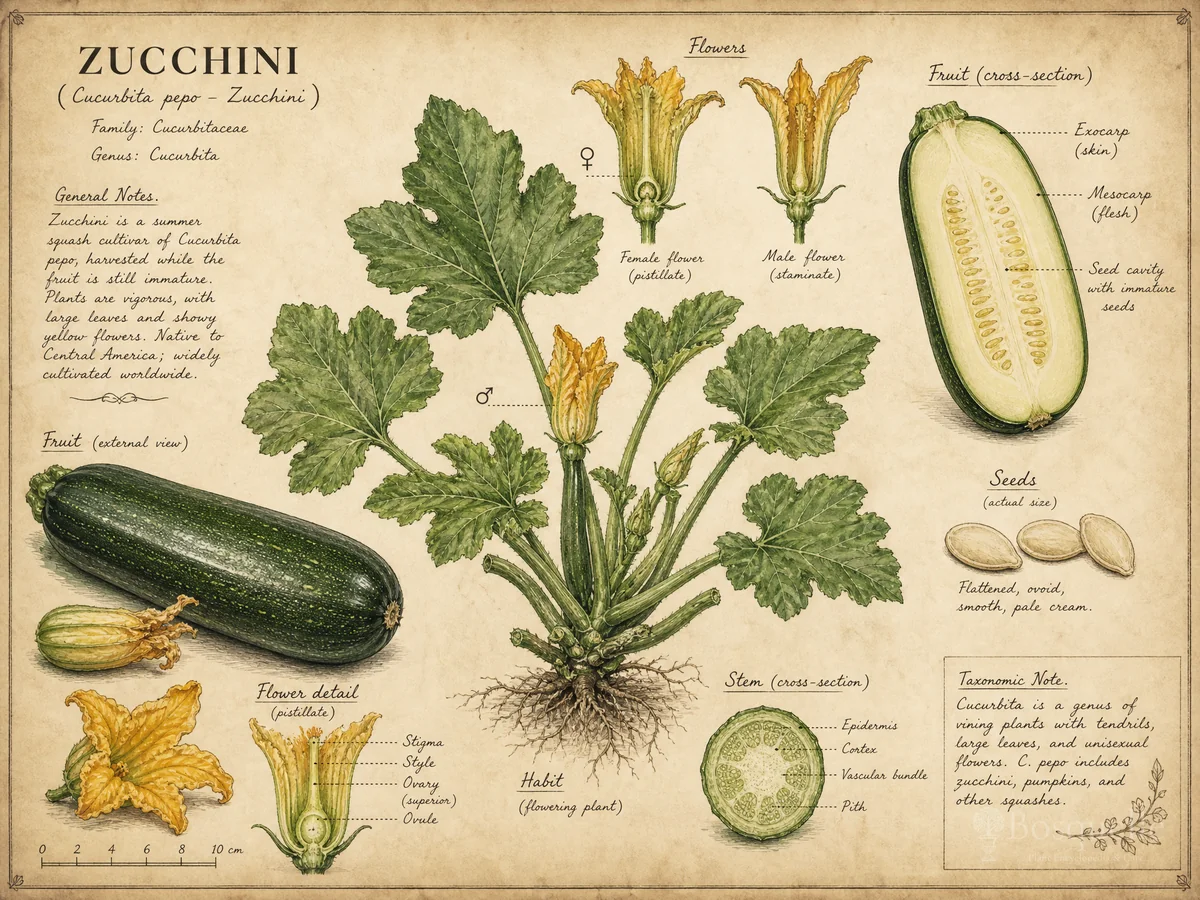
Pepper fruit can mark on the side near the blossom end and look like sunscald. Eggplant and squash — zucchini included — can take the same bottom breakdown. The job is still even watering, not a different bottle for each vegetable. One scarred pepper does not mean you bury the plant.
Do peppers get blossom end rot too?
Yes. On peppers the scar can sit on the side near the blossom end and look like sunscald. Eggplant and squash fruit can take the same bottom rot. Even the water on those beds too.
Trim the leathery patch — the rest is food
Sound flesh beyond the scar is food. Cut generously around the leathery area. Discard fruit that is already soft, wet, or moldy. Do not dump a crop because the bottoms look ugly. Fail if you bin good fruit and leave the hose on feast-or-famine.
Can I eat tomatoes with blossom end rot?
Yes if the rest is sound. Cut away the leathery patch. Discard fruit that has gone soft or moldy where the patch opened. Fail if you dump a whole crop because one bottom is ugly.
Can I leave the fruit on the plant?
The leathery patch will not heal. Secondary rot can move in. Pick it. Tolerate a small scar you will trim in the kitchen. Discard fruit that is already soft.
Steady the water — the rot will not reverse
- Confirm a leathery bottom on fruit. A greasy canopy is late blight. Leaf spots are a blight, not this.
- Pick the scarred fruit. Trim small patches. Discard soft ones.
- Even the watering — about one inch a week — and mulch. Stop flood-after-drought.
- Wait on the next set. Tolerate an ugly first fruit. Do not pull a still-green plant.
- Hold heavy nitrogen while fruit is setting. Test before you lime.
- No blight spray. Skip the brand aisle. Fail if the hose is still feast-or-famine.
Will a blight spray stop it?
No. This is not a fungus. A labelled blight mix does not open the calcium path. Skip the brand aisle. Fail if you spray and skip the watering.
Related reading
- Late blight — greasy collapse of leaves in cool wet weather; a different pull.
- Early blight — bullseye spots on old leaves, not a leathery fruit bottom.
- Fusarium wilt — one-sided yellow and a brown stem inside, not a fruit scar.
FAQ
Is powdered milk for blossom end rot?
That recipe belongs to other searches. Even watering is the job. Powdered milk does not reverse a leathery bottom.
Do eggshells fix blossom end rot overnight?
No. Shells break down slowly and do not move calcium into this week’s fruit. Change the watering first. A soil test if the bed is old and never limed.
Is this damping off?
No. Damping off topples seedlings at the soil line. This rot sits on fruit. Different job, different week.
Host plants
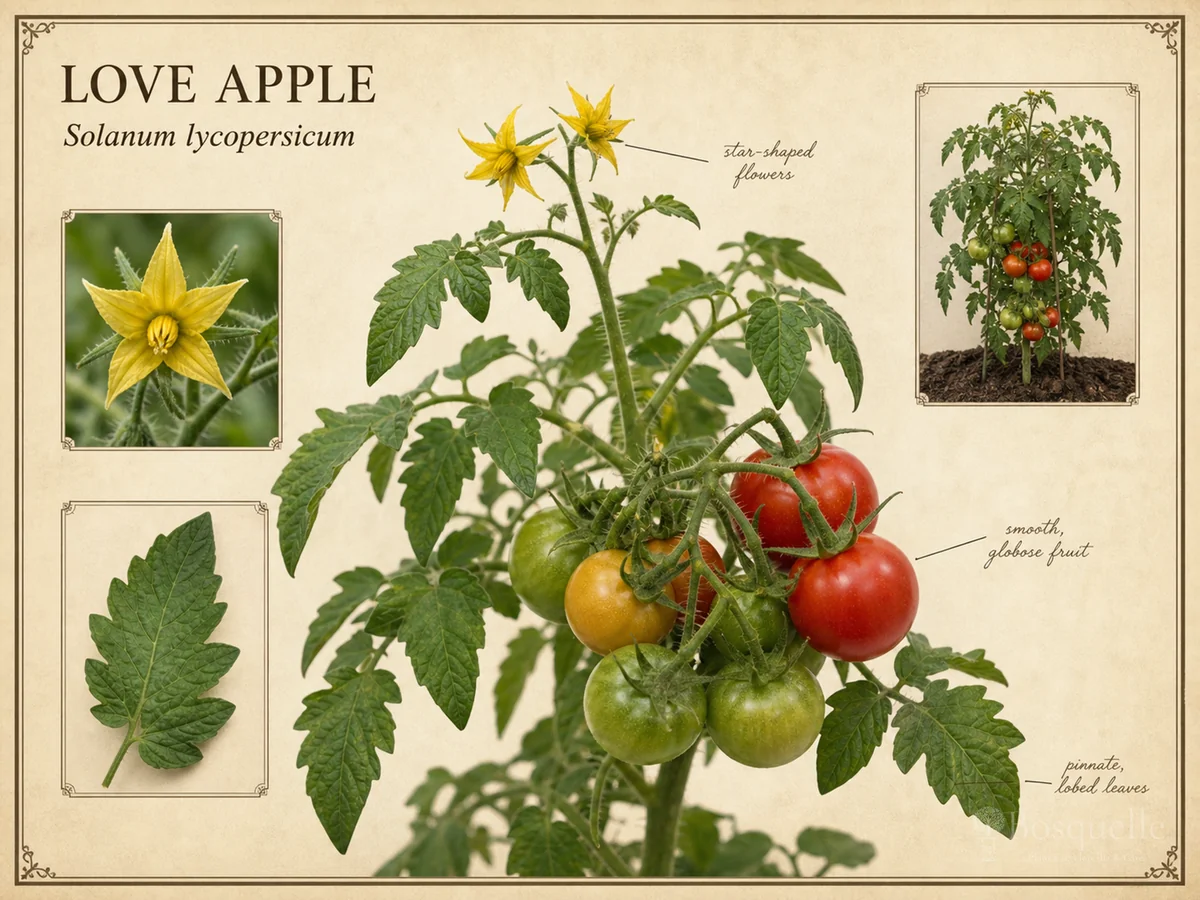
A few garden examples linked on this site — open a plant for care context.

Related diseases




Related pests



Updated: Reviewed by Bosquelle Editors