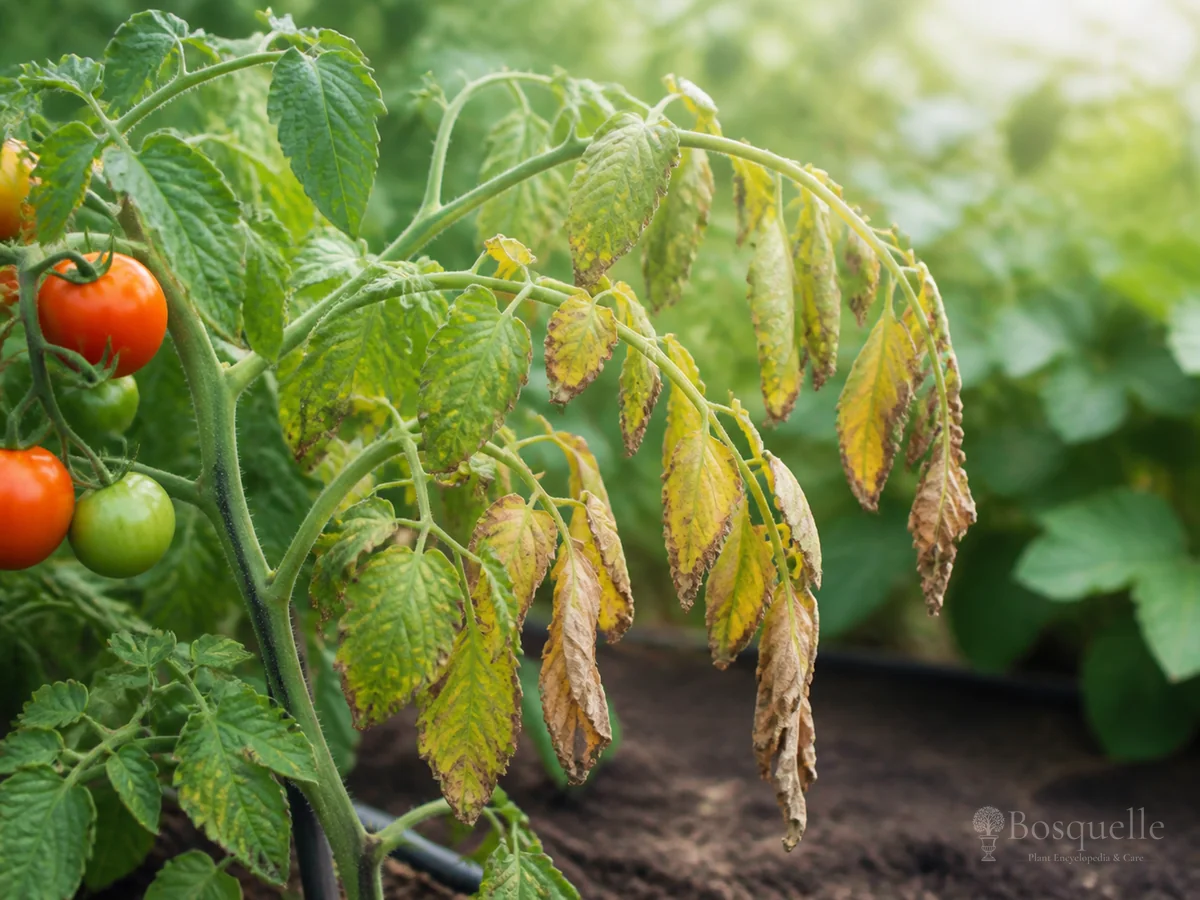
Fusarium wilt is a soil fungus (Fusarium oxysporum in host-specific forms) that clogs a plant’s water pipes from the roots up. On tomatoes it yellows one side first in warm soil. It is not the leaf-freckle job of Septoria leaf spot and not the greasy collapse of late blight. There is no spray that opens those pipes.
Do this first: slit the lower stem. If the plumbing is brown, pull the plant roots and all, bin it, and plan an F or FF variety in a new bed next year.
Yellow on one side, or leaf spots / a greasy collapse
| What you see | Likely | Do this first |
|---|---|---|
| One branch yellows; noon wilt that recovers overnight at first; brown inside a cut stem | Fusarium wilt | Pull roots and all; bin |
| Same cut-stem brown in cooler soil; wide host list including trees | Verticillium wilt | Same pull; different sibling search |
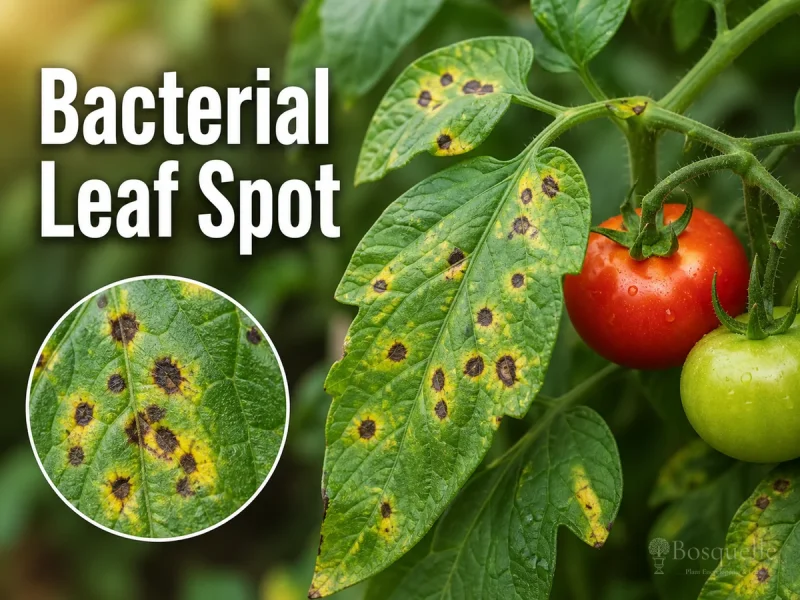
| Many tiny gray-center spots; fruit still clean | Septoria leaf spot | See Septoria — pinch leaves |
| Bullseye spots on old leaves | Early blight | See early blight |
| Oily collapsing patches in cool rain | Late blight | See late blight |
Drought wilts the whole plant and the stem stays ivory. Hornworms strip leaves and leave droppings. If you need a one-sided yellow and a brown cut, stay here.
Is this Verticillium wilt?
It can look identical on a cut stem. Fusarium likes warmer soil; Verticillium likes cooler. A lab tells them apart. The job tonight is the same: pull, bin, plant resistance in a new bed. Verticillium searches stay on that sibling.
Wilt that recovers overnight, then doesn’t
Early on, the plant looks thirsty at midday and perks up by morning. Then yellow moves from the outside of leaflets, often on one side of the plant or even one side of a compound leaf. Leaves can brown after they yellow. Warm soil — about seventy-five to eighty-five degrees — favours it. This is not a row of tiny spots and not a two-day greasy crash. The top may still try to grow while the plumbing fails.
How do I identify Fusarium wilt?
One side or one branch yellows. The plant may wilt at noon and look better by morning at first. Then it doesn’t. Slit the stem at the base — brown or red inside, not ivory.
Why did it wilt on only one side?
The fungus clogs some of the plumbing first. A leaflet or a whole branch yellows while the rest still looks watered. That one-sided start is a tell, not a watering mistake.
Slit the stem at the base
Pull or cut at the soil line and slice the lower stem lengthwise, or look at a cross-cut. Healthy tissue in the water ring is ivory or pale green. Fusarium stains that ring brown or reddish. The stain can run up toward the top. Verticillium makes a similar stain and is hard to tell apart at home. Either way, the plant is not a watering problem. Fail if you skip the cut and buy a bottle for “wilt.”
How do I slit the stem?
Cut the plant at the soil line after you pull, or slice the lower stem lengthwise. Healthy plumbing is ivory or pale green. Brown or reddish streaks in the ring are this wilt — or Verticillium, which needs the same pull.
There is no bottle for this wilt
Once the fungus is in the xylem, a canopy spray does nothing. Home gardeners do not drench this away. Pull tonight. Pick any sound fruit now. Extra water will not open the pipes. Wait is for a plant whose stem is still ivory. Fail if you keep a brown-stem plant “to see” and infect the next hole with the same shovel.
Will watering fix it?
No. The pipes inside are blocked. Extra water does not open them. Fail if you drown the bed and call it a treatment.
Is there a fungicide for Fusarium wilt?
Not for a home plant that is already yellowing. There is no spray that finishes this. Pull roots and all. Next year, resistance and a new bed. Skip the brand aisle.
Should I pull the plant?
Yes once the stem is brown inside. Take as much root as you can. Bin it. Do not compost. Sound fruit already on the plant can still be used if you pick it now.
F, FF, FFF — races break resistance
Tomato packets use F for Fusarium resistance, FF or FFF when more races are covered. VF adds Verticillium. That letter is not a spray and not immunity. A new race, hot soil, and nematodes can still yellow a labelled plant. Choose the letter that matches what hit you, and still move the bed. Skip the brand aisle of wilt drenches.
What does F on a tomato seed pack mean?
F is resistance to Fusarium wilt. FF or FFF means more races. Resistance is not immunity — a new race can still yellow a labelled plant in hot soil. Read the catalog key.
Tomato wilt is not basil wilt
These fungi are picky. Tomato Fusarium (f. sp. lycopersici) is built for tomato — UC notes that forma infects tomatoes, not a general garden. Basil Fusarium is a different forma; melon Fusarium (f. sp. melonis) is another. The tomato outbreak will not automatically finish the melon row, and basil in a potting mix has its own grave. Rotate the species that actually wilted. Do not dump every vegetable onto one host list.
Will tomato Fusarium wilt kill my basil?
Usually not that forma. Tomato Fusarium is built for tomato. Basil has its own Fusarium. Do not treat the herb with a tomato story — and do not replant basil on a wilted basil grave.
Can I plant melons after tomato wilt?
Tomato Fusarium often will not bother melons. Melon Fusarium is a different forma. Still clean tools. Do not follow tomato with tomato.
The fungus waits years in the soil
Thick-walled spores persist without a living host. Three to five years off tomatoes is the home rotation; some notes run longer. Take the roots. Bin vines — do not compost. Clean tools before the next bed. Solarizing bare soil under clear plastic in peak heat can knock the load down if you can spare the weeks. A raised bed of clean mix is honest when the old ground is a grave. Volunteer tomatoes restart the clock.
How many years should I rotate?
Three to five years off tomatoes is the home range. The fungus waits in soil as thick-walled spores. A one-row shuffle is not a rotation.
Can I compost a wilted tomato?
No. Roots and stems carry it. Bag and bin, or bury far from the vegetable bed. A home heap does not cook hard enough.
Cool soil vs warm soil — same cut
Verticillium wilt yellows and browns the same plumbing. It leans cooler. Fusarium leans warm. You will not settle the argument with a photo. Pull both. Plant VF when you can. Magnolia and strawberry Verticillium searches are other plants — leftover, not this vegetable job. Do not open a second wilt URL to delay the pull.
Pull the roots — then change the variety
- Slit the stem. Brown inside is this wilt (or Verticillium). Ivory plus spots is a blight.
- Pull roots and all. Bin them. Do not compost.
- Pick sound fruit now. Discard a plant you will not save.
- Next year, plant F or FF in a different bed. Read the race letters.
- Wait three to five years before tomatoes return. Clean tools. Solarize if the bed is a repeat grave.
- No spray. Skip the brand aisle. Fail if last year’s sick variety goes back in the same hole.
How do I get rid of Fusarium wilt?
You get rid of this year’s plant, not the fungus in one season. Pull, bin, plant F or FF in a different bed, wait three to five years before tomatoes return. Fail if last year’s variety goes back in the same hole.
Related reading
- Septoria leaf spot — tiny gray-center freckles; fruit usually stays clean.
- Early blight — bullseye spots on old leaves, not a one-sided wilt.
- Late blight — greasy collapse in cool wet weather; a different pull.
- Root-knot nematode — beads on washed roots, not a brown stem inside.
FAQ
Is this Verticillium on my magnolia?
No. That search is a tree wilt. This job is Fusarium on vegetables and basil. Magnolia Verticillium stays on that sibling.
Is tomato wilt always Fusarium?
No. Tomato wilt is an umbrella. Leaf spots are blights. Greasy collapse is late blight. Bacterial wilt stays green and can slime a cut stem. Slit first.
Do tomato wilt pictures diagnose it?
Pictures mix Fusarium, Verticillium, and drought. The cut stem is the home test. Yellow plus brown inside is the wilt job.
Host plants
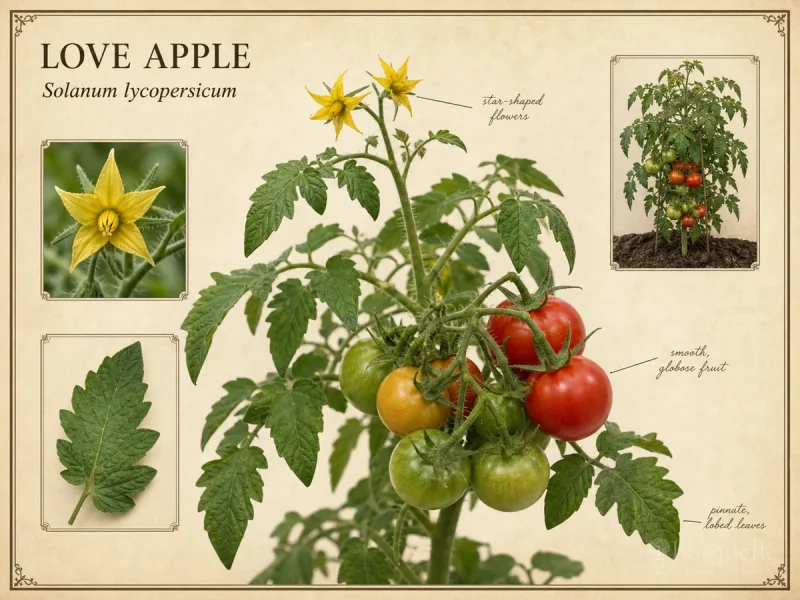
A few garden examples linked on this site — open a plant for care context.


Related diseases



Related pests





Updated: Reviewed by Bosquelle Editors