
Snails are shelled molluscs that graze mainly at night and in wet weather. Damage looks like slug feeding — irregular holes and silver trails — and the overnight habits overlap. See also slugs for the same damp-bed pattern. Start here for snail identity and practical reduction.
Shells, trails, and overnight holes
- A visible shell on the animal; silvery slime on leaves and pots.
- Irregular holes in soft foliage; seedlings clipped overnight.
- Daytime rest under pots, boards, and thick wet mulch.
- Most feeding after dusk or rain — empty beds at noon can still be hit at night.
Slugs cause the same wounds without a shell. Caterpillars leave different frass and often feed by day.
What snails take first
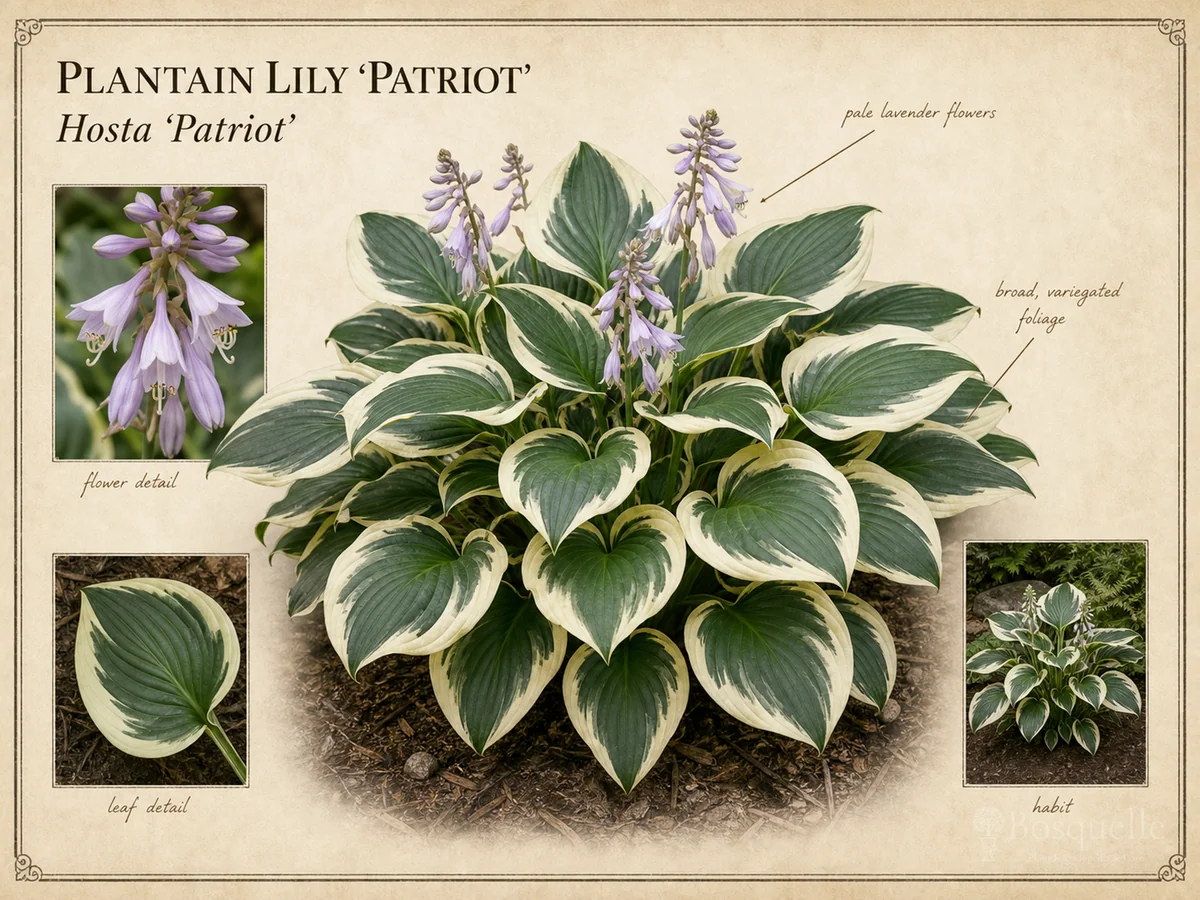
- Seedlings, hostas, and soft spring foliage in wet shade.
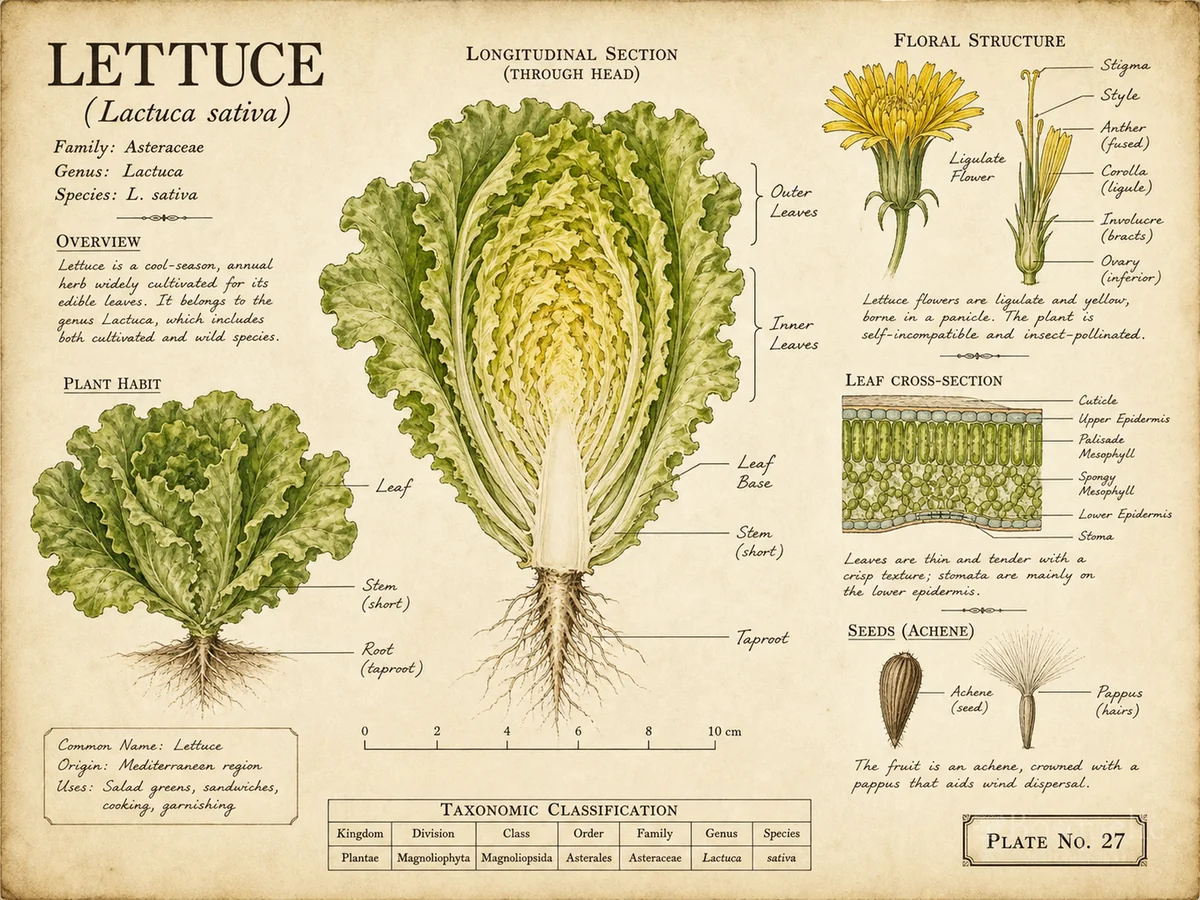
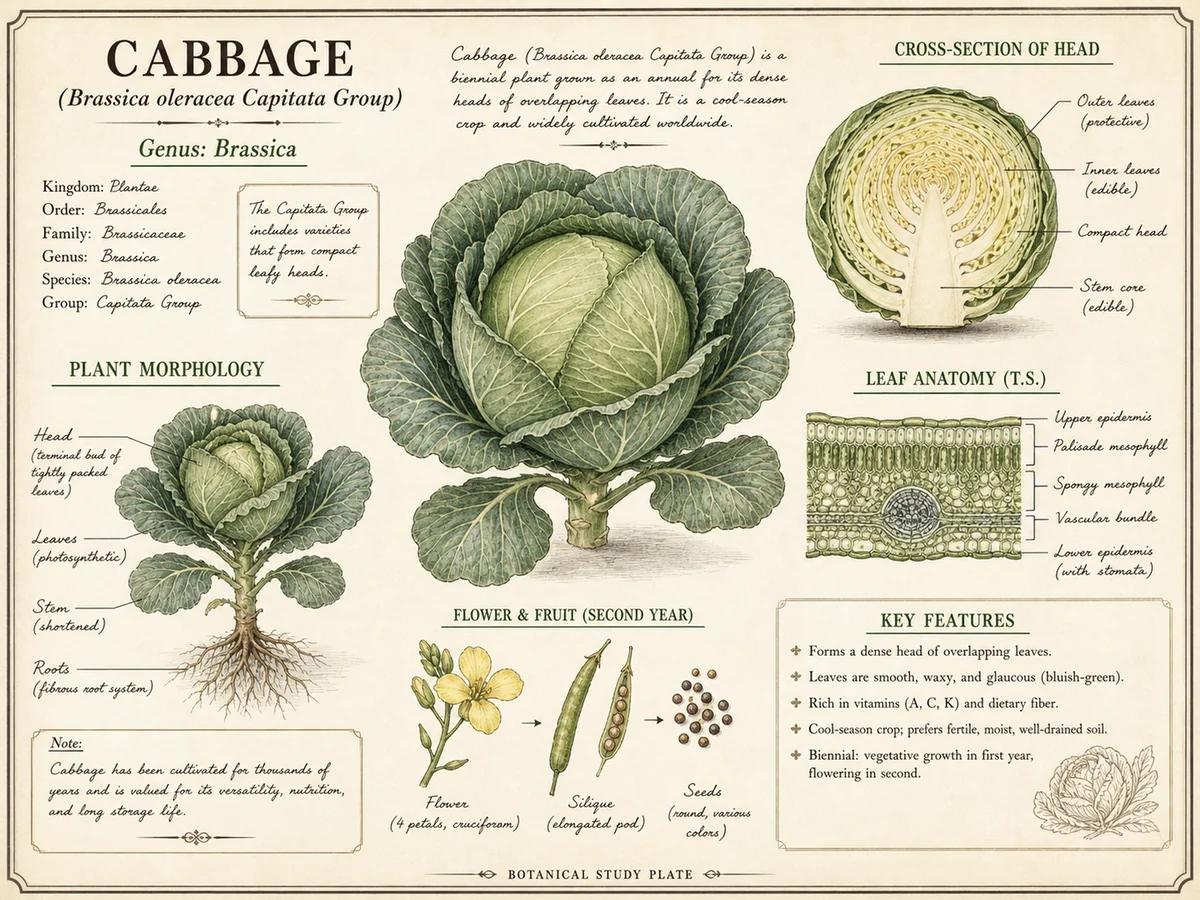
- Lettuce, brassicas, and other soft vegetables near damp edges.
- Repeated grazing that stalls young plants before they establish.
Protect seedlings — tolerate tough plants
Snails will always be part of a damp garden. Focus dusk patrol and covers on seedlings and soft prize foliage. Tough established plants can take light grazing while you tidy hideouts. Total wipe-out is neither realistic nor needed for a healthy bed.
Beer, copper, nematodes — what snails ignore
Beer traps catch some molluscs nearby but are not proven to spare a whole bed, and they can pull more into the area. Copper may help on pots when continuous; field evidence for tape alone is mixed. Eggshells pack down and fail when wet. Soil-dwelling nematode products aimed at slugs rarely reach shelled snails that spend more time above ground — do not expect a slug nematode drench to finish snails. Night patrol and hideout tidy still matter most. See also slugs.
Damp shelter keeps them close to the bed
| Factor | What it means |
|---|---|
| Thick wet mulch | Daytime shelter next to soft crops |
| Boards and pots on soil | Easy hotels if you never lift them |
| Evening watering | Surfaces stay wet into feeding hours |
| Weedy edges | Refuge between raids on the bed |
Steps that actually reduce snails
- Patrol at dusk after rain: hand-pick into soapy water while they feed.
- Tidy hideouts: lift boards, thin wet mulch from stems, clear weedy edges.
- Water in the morning so surfaces dry before night feeding.
- Protect seedlings with collars or temporary covers until plants toughen.
- Baits or traps if pressure stays high — follow labels; skip the brand aisle; a local label is the rule.
- Work the slug page in parallel: slug control uses the same damp-bed habits.
Related reading
- Slugs — same overnight grazing pattern without a shell.
FAQ
Are snails worse than slugs?
Damage is similar. Snails carry a shell and may travel a little farther on dry nights; culture and dusk patrol help both.
Do crushed eggshells stop them?
Barriers are unreliable once they pack down or get wet. Patrol and tidy hideouts matter more.
Will they climb pots?
Yes — especially when pots sit on damp soil. Raise pots and check undersides and saucers.
Should I treat the whole garden every week?
Focus on seedlings and soft foliage during wet spells. Tough established plants can take light grazing while you protect the vulnerable.
Will slug nematodes kill snails?
Usually not well. Those products target soil-dwelling slugs; snails with shells spend more time above ground and often miss the dose.
What actually changes snail damage
| Question | Short answer |
|---|---|
| Same job as slugs? | Mostly — shell is the ID; culture overlaps |
| Slug nematodes on snails | Do not expect a soil drench to finish shelled snails |
| Beer traps | Short range; rim above soil for beetles |
| Focus | Seedlings and prize foliage, not every ivy leaf |
Diagnosis: shell, slime, or something else
| Sign | Likely | First action |
|---|---|---|
| Visible shell, silver trails, overnight holes | Snails | Dusk pick into soapy water |
| No shell, same trails | Slugs | See slugs — same damp hotels |
| Chewed petals, no slime, day activity | Beetles or caterpillars | Wrong bait if you only set beer |
Shells change the tools a little
Snails rest under pots with their houses on. You will find more of them by day than slugs if you lift, because the shell is a giveaway. Soil-dwelling nematode products aimed at slugs rarely finish snails that spend more time above ground — do not buy a slug drench expecting a snail wipe-out. Beer traps still only work over a few feet. Copper on pots has the same mixed field evidence as for slugs.
Hand-pick into soapy water at dusk. Tidy wet mulch and weedy edges. Water in the morning. Cover seedlings until they toughen. See slugs for the shared damp-bed pattern so the two pages do not pretend they are different religions.
Pets and bait
Metaldehyde is a dog emergency waiting in a pretty box. If you bait, iron phosphate where the label allows, away from pet paths, never piled in a dish. Skip the brand aisle; a local label is the rule. Children will find beer traps — lid them.
Aftercare through the next rain
Snails wait out dry spells in their shells. The first wet night after a drought is when seedlings vanish. Put the torch by the door before that forecast, not after the lettuce is stubs.
Will a slug nematode drench kill snails?
Do not count on it. Snails spend more time above ground. Hand-pick and tidy hotels.
Are snails and slugs the same problem?
Damage overlaps. The shell is the ID. Culture is shared; see slugs for beer-trap honesty that applies here too.
Should I salt them?
No. Salt burns plant tissue and is a cruel mess. Soapy water after a dusk pick is enough.
The shell is information, not a different religion
Snails and slugs rasp the same soft leaves and leave the same silver. The shell tells you where they rest and which products will disappoint. You will find snails by day under pots, in ivy, and on fence rails because the house gives them away. Lift, collect, dump in soapy water. A soil nematode sold for slugs is aimed at animals that spend more time in the profile; shelled snails commuting on walls will shrug it off. Buy that drench for slugs if you must — do not expect it to finish snails.
Some snails climb. Lettuce at ground level and hostas still take the worst of it, but ripening strawberries and low fruit see grazing too. Check the undersides of pots and the shady side of raised-bed boards, not only the mulch surface.
Dry spells make the first rain violent
Snails seal up and wait. The first wet night after a drought is when a seedling row disappears. Put the torch by the door when that forecast appears, not the morning after. Irrigation that mimics a dusk rain — a long evening overhead — is how you schedule the damage yourself. Water in the morning. Pull wet mulch off crowns. Collars on new plants until the leaves toughen.
In a rockery or a wall garden, snails use crevices the way slugs use boards. You will not tidy every gap. Focus on the plants you cannot replace and accept grazing on tough ivy. A sterile wall is not the goal; a living lettuce row is.
Hand-pick beats theatre
Dusk and dawn after rain. Soapy water, not salt — salt burns plant tissue and is a cruel mess on the path. Children can collect into a bucket if you want the job done; dump promptly so the bucket does not become a hotel. Beer traps still only work over a few feet, with the rim up so ground beetles live. Refresh or skip. Eggshell rings fail wet. Copper on pots has the same mixed record as for slugs.
Iron-phosphate baits, where labels allow, go around seedlings and prize hostas, never in a dish on a pet path. Metaldehyde is how dogs get poisoned in a pretty garden. Skip the brand aisle; a local label is the rule. If a product cannot be used around the animals that live here, it is not a step on this ladder.
Shell, no shell, same damp hotels
Culture is shared: morning water, hotels, dusk patrol, seedling collars. Do not copy a slug-nematode calendar onto snails and call it done. Do not assume a beer cup under a hosta is a whole-yard programme. See slugs for beer-trap honesty and pet-bait detail that applies here; stay on snails for the shell ID and the drought-then- deluge pattern. Two pests, two IDs, one damp bed.
Aftercare through the next wet week
Empty traps. Lift pots. Check the seedling row every dusk until surfaces dry. Next spring, start when the first hosta noses up. A wall that shed snails into the lettuce last June will do it again unless you break the hotel or move the salad. Pets: dump soapy jars; never leave bait where a dog vacuumes the border.
Why do I see more snails after I water at night?
You scheduled their shift. Water in the morning so surfaces dry before they travel.
Can I move them to the woods?
They come back or become someone else’s problem. Soapy water after a honest pick is cleaner than a guilt walk to the park.
Do crushed shells stop them?
They pack down wet and fail. Patrol, collars, and dry crowns work.
Raised beds, pots, and walls
Snails use the shady side of a raised-bed board as a ladder. A strip of dry bare soil at the inner edge is more useful than décor gravel that stays wet. In pots, lift the pot, dump the saucer, and check the drain hole — that is a hotel with a door. Wall gardens and ivy are reservoirs; you will not empty them. You can still save the parsley at the base with dusk picks and a collar.
After a drought-breaking rain, the first night is the whole season in miniature. If you only have energy for one walk, take that one. Soapy water, not salt. Lid the beer. Iron phosphate away from pet paths if you bait at all. See slugs for trap density honesty; stay here for the shell and the climb. A second dusk walk the night after a storm catches the commute the first walk missed.
Kids, pets, and the collection bucket
A bucket of snails left in the sun is a cruelty project. Collect, dump in soapy water, empty. Teach kids the shell ID so they do not salt slugs on the lettuce. Dogs: no metaldehyde, no open beer tubs, no bait dishes. The aftercare is the same wet-week lift of pots you already know — do it before the next forecast, not after the seedlings are memory.
Ivy, citrus pots, and the climb you missed
Snails commute on stucco and pot rims. A citrus in a saucer on a shaded patio is a buffet with a roof. Dump the saucer every morning in wet weeks. Lift the pot once a week and collect. Ivy at the fence is the reservoir feeding the parsley — you can pick the fence line at dusk without declaring war on every climber. Strawberries on the ground need a collar or a dry gap; fruit on a table is how you stop sharing dessert.
If you only remember one number, remember the first wet night after drought. That is when a “I never have snails” garden proves the shells were sealed in the wall. Torch, bucket, soapy water, dump. Then tidy the saucer and the board. See slugs if there is no shell; do not run both bait stories on the same evening and call it a protocol. A wall you refuse to tidy will refill the lettuce; move the salad or accept the commute. Keep the soapy jar dumped so pets do not drink it, and put the torch by the door before the next wet forecast — not after the parsley is stubs. One wet-week habit beats a month of crushed-shell theatre. The lookalike with no shell is a slug — see slugs instead of doubling bait. Check shells tonight after rain. Fail if you salt the path. Refresh beer every two to three days or skip the cups.
Host plants
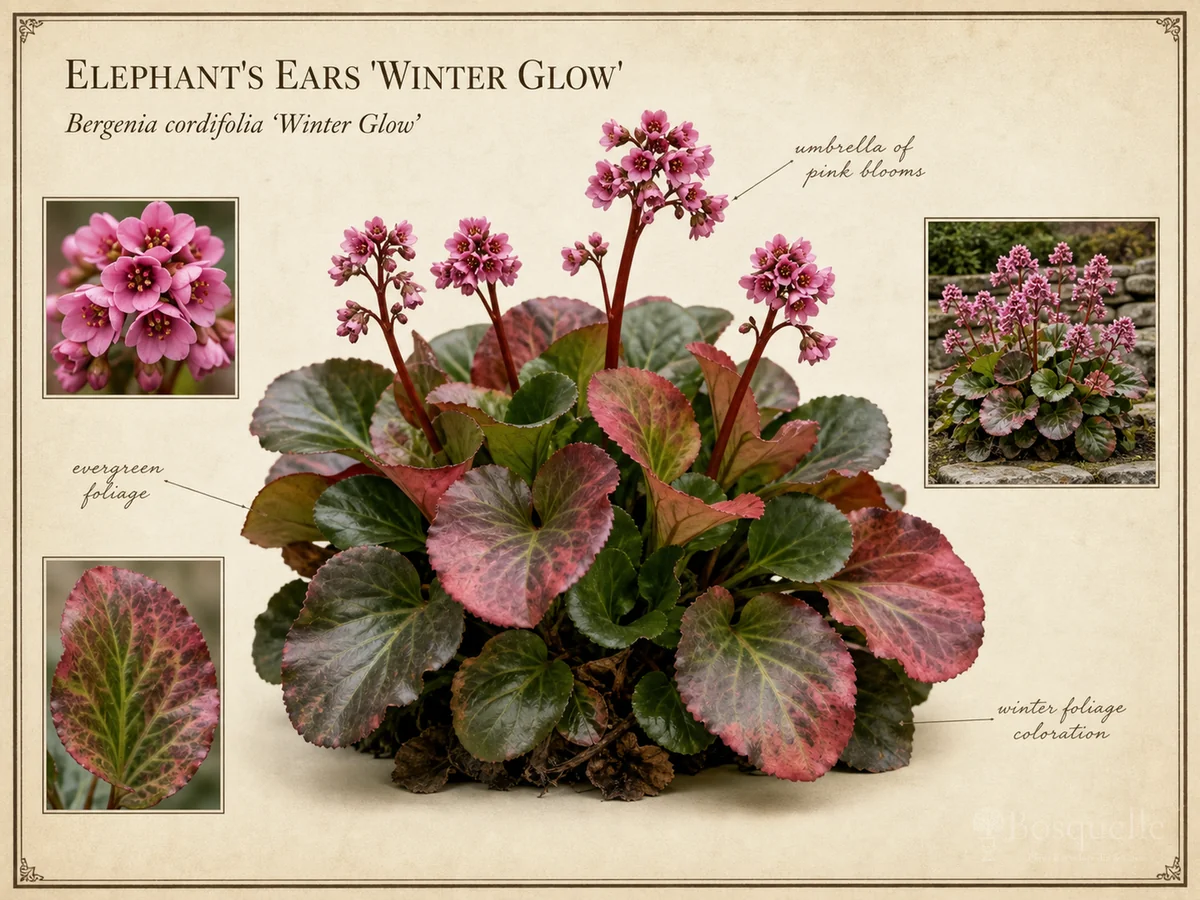
A few garden examples where soft new growth invites early colonies.


Related pests



Related diseases




Updated: Reviewed by Bosquelle Editors