
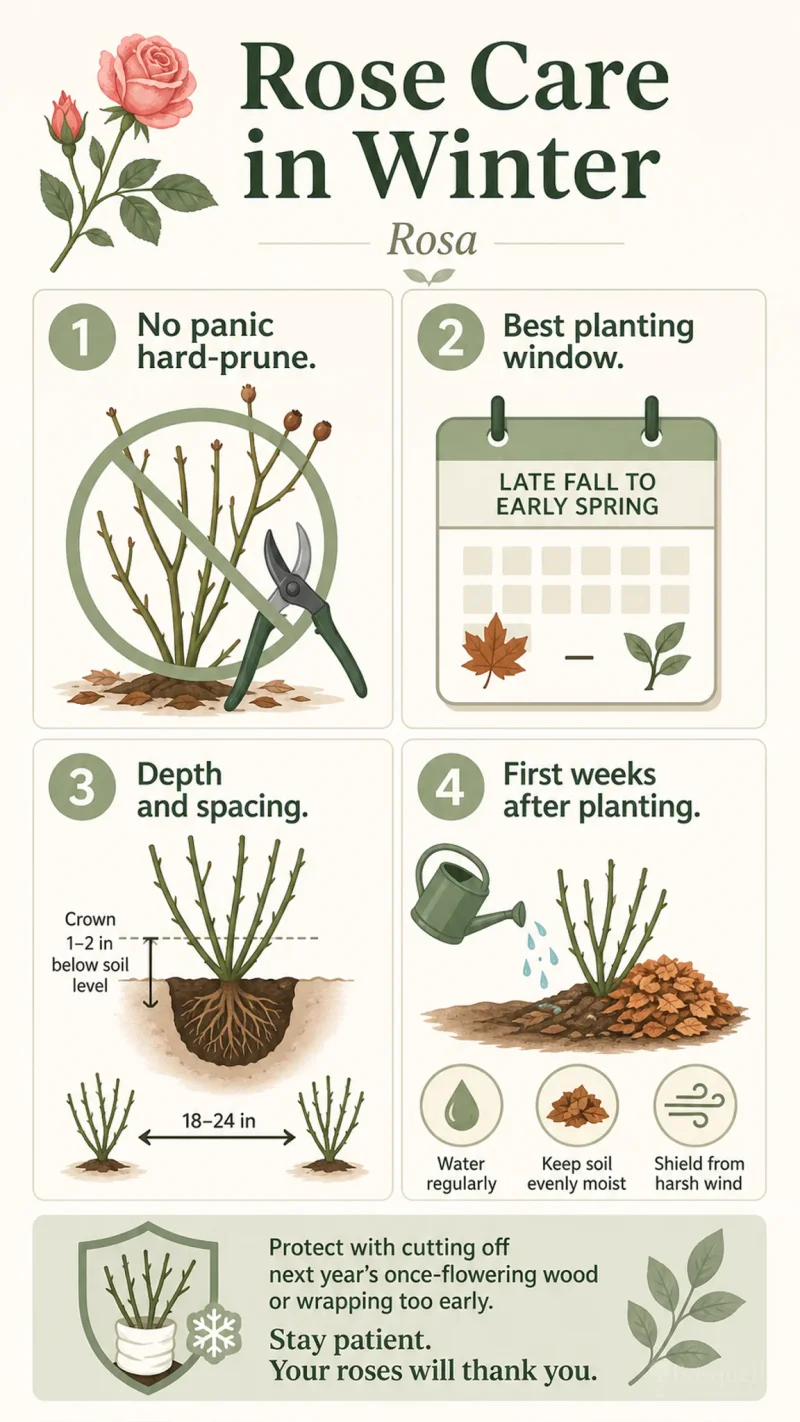
Do and don't before hard freeze
- Do rake and dispose of leaves with black-spot history; mulch can bury remaining litter so spores do not splash onto spring growth.
- Do ease nitrogen-heavy feeding early enough for wood to harden.
- Do water deeply before the ground freezes if autumn was dry — desiccation kills as often as cold.
- Do tie in long whippy shoots and check supports before storms.
- Don't wrap or mound heavily while nights are still mild and plants are soft — wait until after a hard freeze / leaf drop so you keep the plant cold and steady, not cozy and awake.
- Don't hard-prune once-flowering ramblers in late winter as if they were hybrid teas — see Climbing and Rambler Roses.
- Don't invite soft late-autumn growth with heavy nitrogen — it dies back and wastes next year's framework.
- Don't treat balcony pots like in-ground insulation — move, wrap, or cluster pots; full pot program on Roses in Containers.
If you already cut hard and lost bloom: note the habit before next winter — ramblers such as Albertine want after-flush renovation, not February shrub cuts.
What winter actually asks of roses
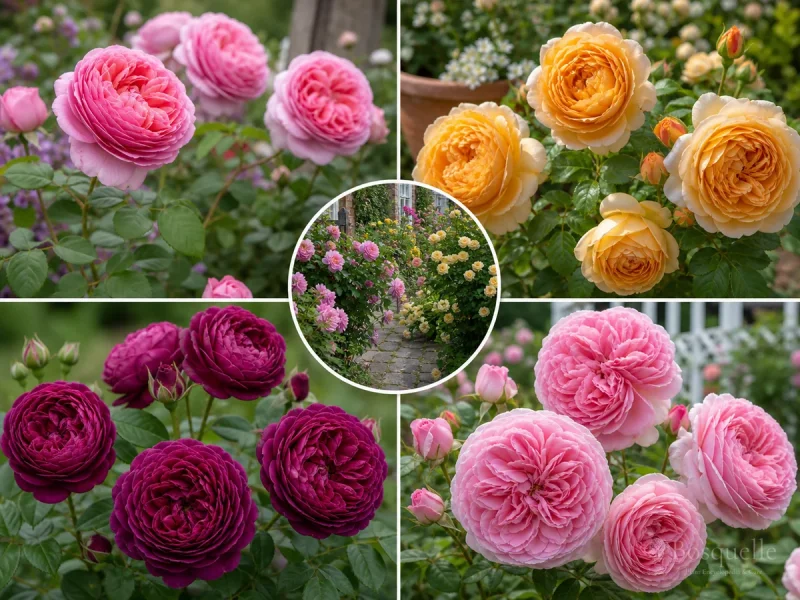
Winter protection aims for steady cold and less wind rock, not a warm wrap. Freeze–thaw cycles that heave crowns and drying winds that whip untied canes fail plants as often as a single cold night. Hardier shrubs in sheltered beds often need hygiene and ties more than heavy mounding; tender or borderline cultivars need mulch at the base and wind protection. Confirm each plant on its profile — a historic shrub such as Charles de Mills may need more help than a modern landscape rose.
Protecting shrubs like Charles de Mills
After dormancy begins and hard freezes have arrived, mound 15–30 cm of well-draining compost, soil, or bark around the base of tender or borderline shrubs. Keep mound material slightly off wet cane collars. Loosely tie canes to reduce wind rock. Pull mounds back gradually after hard freeze risk passes — do not strip cover on the first warm afternoon.
Securing climbers like Aloha for winter wind
Check ties on climbers such as Aloha and ramblers such as Albertine. Tip long whips for safety without doing a full structure prune at the wrong time. In exposed sites, burlap wraps on canes are optional insulation — airflow still matters to limit mildew. Wind rock that loosens the root plate is a winter failure mode even when temperatures are moderate.
Container roses need extra root protection
Pots freeze faster than beds. Move containers to an unheated shelter, cluster and wrap pots, or bury pots temporarily. Prefer cultivars hardy for colder exposure when keeping pots outdoors. Full pot culture lives on Roses in Containers.
Late-winter tidy before spring growth
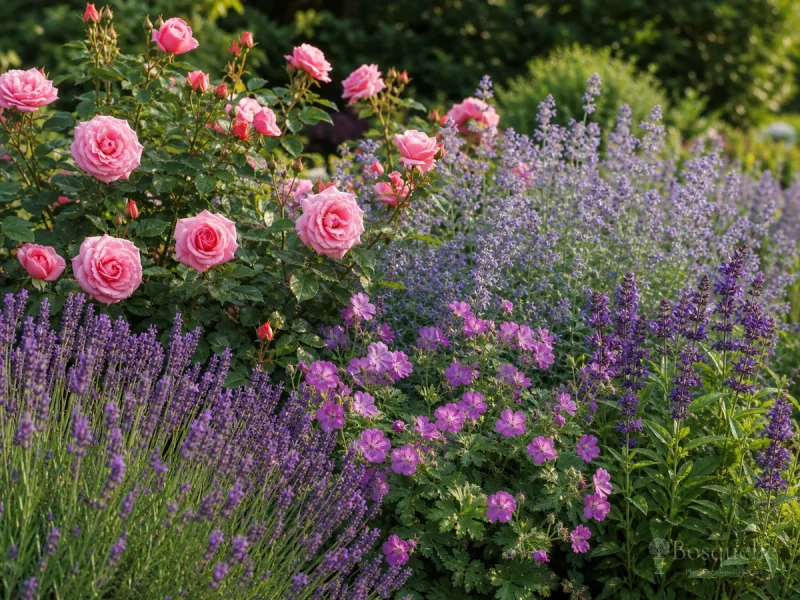
Remove winter-killed wood when buds begin to swell. Structure-prune shrubs on the care-pillar schedule. Watch early aphids on soft tips — cultural first steps are on Natural Aphid Control on Roses. After protection succeeds, frame the bed on Rose Companion Plants before the next flush.
Protect without panic pruning, secure canes, mind pots, and return to the care pillar for year-round growing rules.
FAQ
When should I winterize roses?
After dormancy and a hard freeze or heavy leaf drop — not during mild autumn nights that keep soft growth awake.
Do all roses need winter mounds?
No. Match protection to cultivar hardiness and exposure. Hardier shrubs in sheltered beds often need hygiene and ties more than heavy mounds.
Should I prune hard in autumn or late winter?
Avoid heavy cuts that stimulate soft growth or remove once-flowering wood. Secure canes now; do main shrub structure pruning in the dormant window described on How to Grow Roses — ramblers after the flush.
I pruned in winter and lost bloom — why?
Once-flowering ramblers bloom on last year's wood. Winter hard cuts remove the show — prune after the main flush instead.
Are pots the same as in-ground for winter?
No — roots are colder. Protect or move pots; see Roses in Containers.
Related guides



Recommended plants







This note is part of Rose Guides.
More first-season notes by plant are gathered in How to Grow Guides.
Updated: Reviewed by Bosquelle Editors