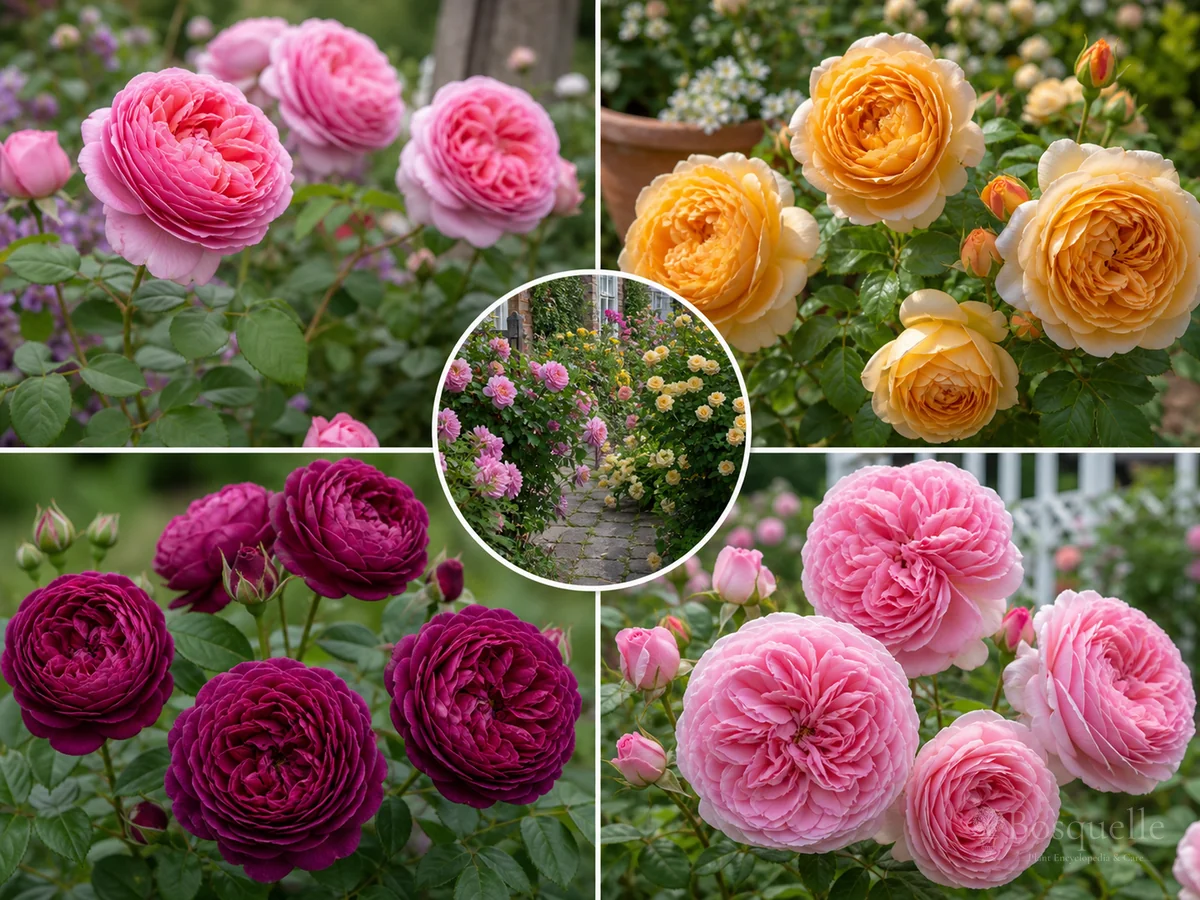

How we pick fragrant roses (criteria first)
- Genus Rosa only (not Rose of Sharon or Desert Rose).
- Fragrance recorded on the plant record (
is_fragrant). - Curated shortlist (not a dump of every fragrant row) with a bias toward recognisable garden names.
- Habit match: shrub vs climber/rambler — match support and prune calendar before you buy.
- Seating distance: compact shrubs suit paths and benches; climbers such as New Dawn reward noses on arches and doorways, not distant lawn views.
- Weather and time of day: scent reads strongest on warm, still air — often morning or evening. Cool wind or rain can mute even a famous fragrant cultivar; do not judge a plant only on one cold noon sniff.
- Prune still follows habit: a fragrant climber is still a climber — scent does not unlock a hybrid-tea winter cut. Keep How to Grow Roses and Climbing and Rambler Roses in the path.
Scent is personal — when you can, smell plants in bloom before you buy. Catalog fragrance flags mean recorded as fragrant, not a ranked perfume score. Place the plant where a path, seat, or doorway brings noses into range, then grow it with shared rose culture.
Fragrant roses to shortlist
Classics such as Gertrude Jekyll and Munstead Wood anchor the shrub list for borders and seating; scented climbers need a support plan before planting day. Open each profile for hardiness, size, and cultivar detail — this shortlist stays inside the library catalog.
Grow fragrant climbers like New Dawn well
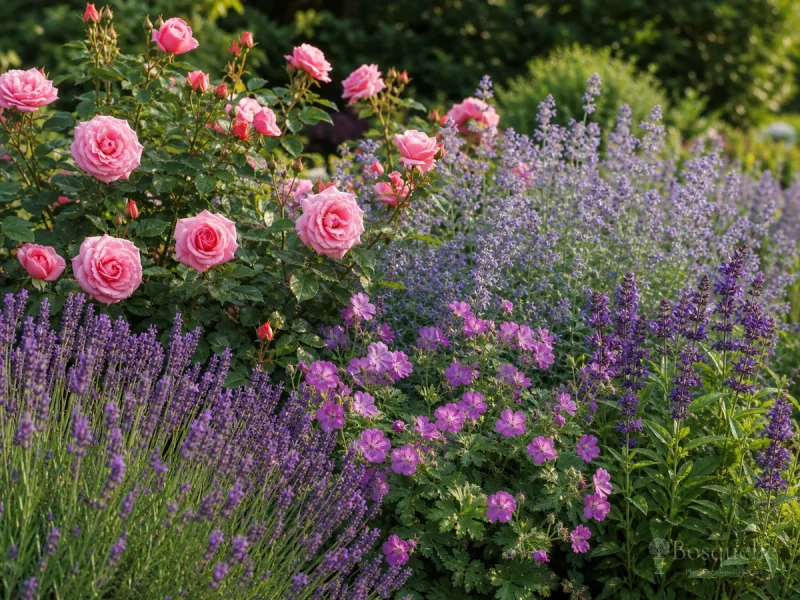
Fragrance does not create a separate care system. Shared growing rules live on How to Grow Roses. If your pick is a climber or rambler such as New Dawn, add Climbing and Rambler Roses for training and prune timing. For underplanting near a scented path rose, see Rose Companion Plants.
Want hips as well as scent? Stop deadheading mid-summer on types that set good hips; otherwise keep deadheading repeat bloomers as described on the care pillar. After your first scented flush, placement matters as much as cultivar — move seating closer before you blame a weak nose on the plant. If scent still reads thin, check sun and vigor on the care pillar before chasing another label.
Choose for scent, habit, and seating distance, verify hardiness on the profile, and grow with the shared rose care pillar.
FAQ
Why isn't every fragrant rose listed?
This is a curated shortlist for decision-making, not a dump of the full fragrant catalog.
How close should I plant for scent?
Close enough to walk through bloom on a path or sit beside a shrub. Climbers reward arches and doorways; distant lawn views often read as colour-only.
Why can't I smell my fragrant rose today?
Cool wind, rain, or midday heat can mute perfume. Try morning or evening on a still warm day before you replace the plant.
Do fragrant roses need different care?
No. Fragrance is a cultivar trait. Shared growing rules stay on the rose care pillar; climbers still need the climbing guide.
What if my favourite scented rose is a climber?
Still use How to Grow Roses for site and feeding, then the climbing guide for supports and prune timing.
Related guides



Recommended plants




This note is part of Rose Guides.
More job shortlists live in Best Plant Picks Guides.
Updated: Reviewed by Bosquelle Editors