
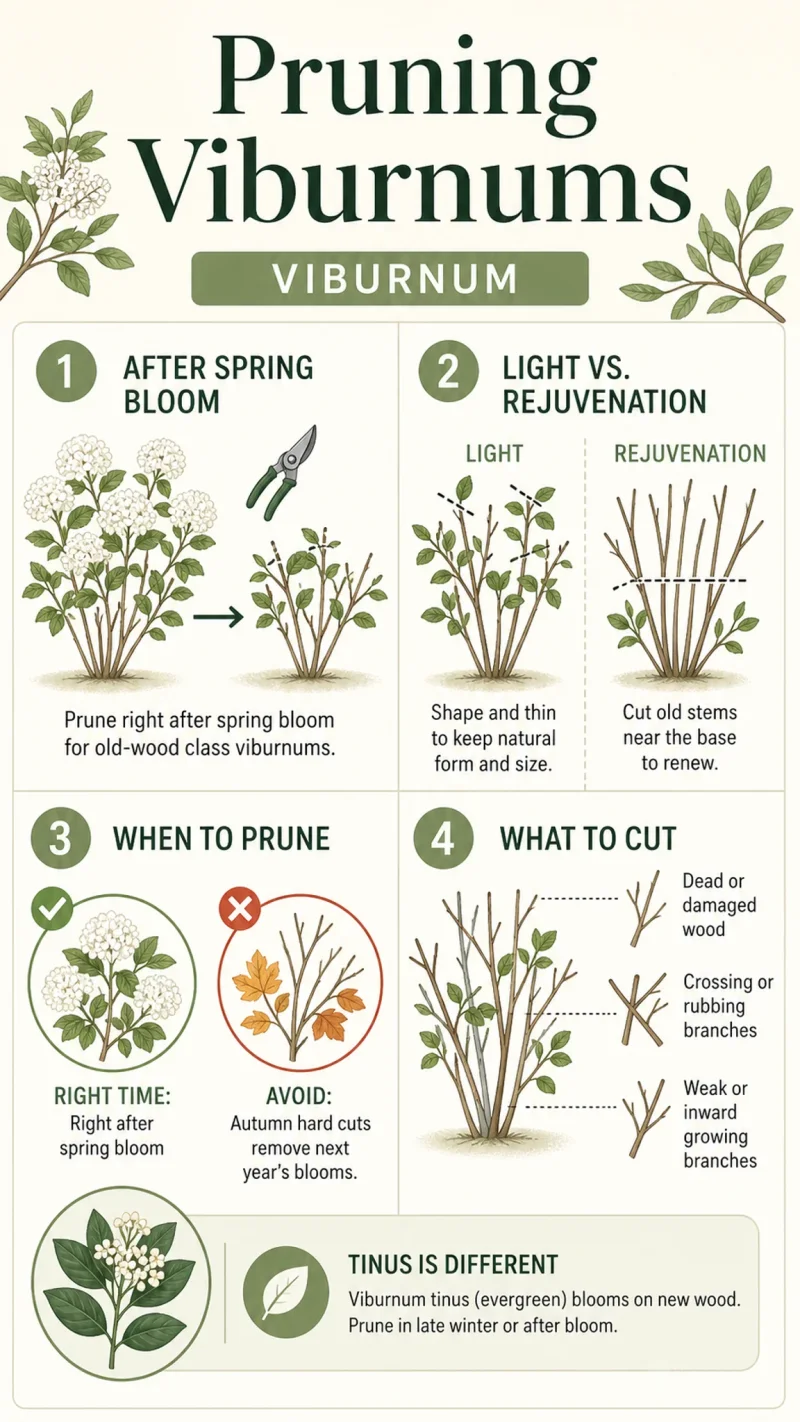
Most spring viburnums bloom on old wood — last year’s growth. If you cut hard in late winter, you often remove next year’s flowers. Prune right after bloom instead. This page is the cut method, not a second care pillar.
Confirm type on Types of Viburnums. Site and watering stay on How to Grow Viburnums.
Why spring viburnums bloom on old wood
| Factor | Recommended | Avoid |
|---|---|---|
| Spring spice / doublefile | Prune right after bloom | Late-winter hard cut |
| Winter bloomers (bodnantense) | Cut after the winter flush | A generic February hedge calendar |
| Evergreen tinus / davidii | Light tidy after bloom | Shearing off next year’s buds |
| Overgrown shrub | Thin oldest stems over 2–3 years | One cut to the ground if you still want flowers |
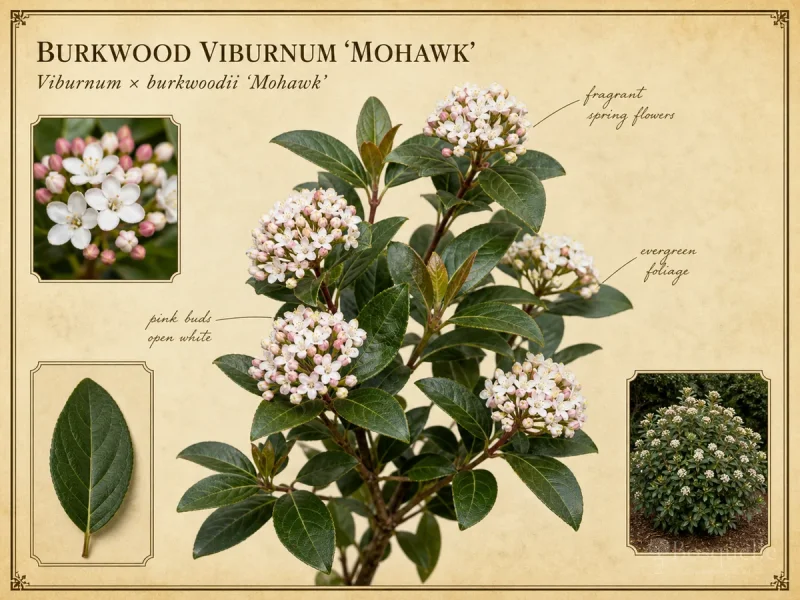
Spring spice and doublefile types such as Aurora, Mohawk, and Shasta flower on wood formed the previous season. A hard cut in late winter removes the coming display. If flowers failed this spring, a mistimed cut is the first thing to check — not a dying plant.
When to prune — right after flower
- Wait until this year’s flowers fade on spring types.
- Remove spent clusters and shorten over-long shoots.
- Thin a few of the oldest stems at the base if the center is crowded.
- Stop before you strip the younger wood that will bloom next year.
- On evergreens, tidy lightly — do not shear like a boxwood hedge.
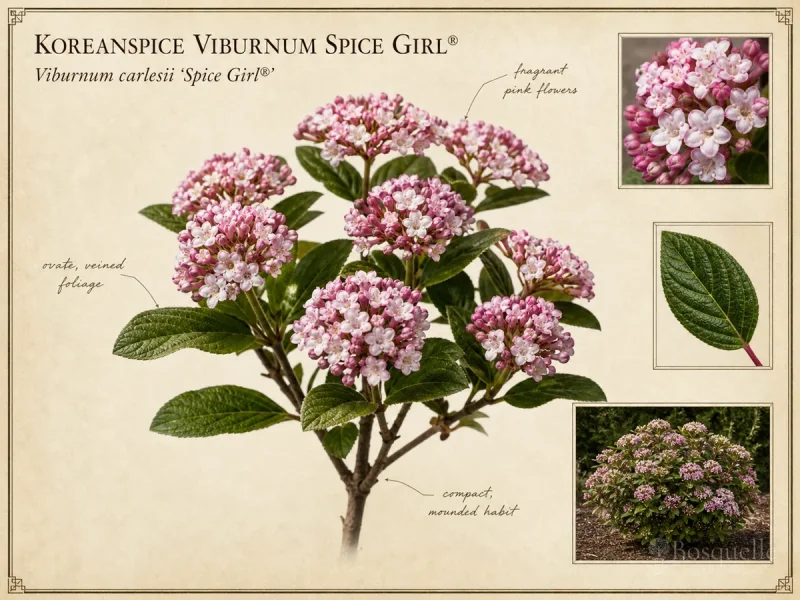
Work while you can still see this year’s flowering wood. Types such as Aurora, Spice Girl, Dawn, and Summer Snowflake all follow that after-bloom window. Do not default to a heavy late-winter hard-prune if you want next season’s display.
What to cut — light prune vs rejuvenation
On shrub types such as Mohawk, Blue Muffin, and Roseum, take out dead or crossing wood, then a few of the oldest thick stems at the base each year. Leave a framework of younger flowering wood. An overgrown plant rarely wants one cut-to-the-ground year if you still want bloom. Thin after flowering over two or three seasons instead.
Shared growing rules remain on How to Grow Viburnums. Do not fertilize heavily the week you prune; compost in spring is enough.
Evergreen viburnum prune tip
Evergreen types such as Spring Bouquet and David Viburnum still benefit from a light tidy after bloom, but they are not a late-winter hedge shear if you want flower.
Remove dead or crossing wood, keep the shape, and confirm the type on Types of Viburnums before you paste a deciduous spice renovation onto tinus or davidii.
Shearing small-leaf evergreens will take off flower buds and berries. If you need a formal hedge, accept fewer flowers, or wait until just after bloom.
After you prune — what next
Once the cut is done, the bed rarely wants to stay empty at the shrub’s feet. Spring bulbs and shade-edge partners live on Viburnum Companion Plants. A fragrant type for the next spot lives on Fragrant Garden Viburnums.
Leave a walking path to the stem so next year’s after-bloom prune is still possible. Pretty June groundcovers that block the crown by August make the next cut harder than it needs to be.
Take out no more than about one-third of the oldest stems in a single year if you still want a spring show. Mark the stems you will remove before you cut, so you do not strip the young wood by accident. Deadhead spent clusters first; basal thinning is the second pass, not the first.
Winter-blooming types such as Dawn still wait until that flush finishes. Copying a February hedge calendar onto every viburnum is how those early flowers disappear. Evergreen screens can take a light shape after bloom; they still lose next year’s buds if you shear hard in late winter.
Disinfect tools between shrubs if you have seen dieback. Cut back to live wood. Do not paint wounds. After a rejuvenation year, expect fewer flowers the following spring — that is the trade for a smaller plant, not a failed cultivar.
If the shrub has not been cut in years, start with dead wood, then the oldest gray stems at the base, then stop. Come back after next year’s bloom for another third. Trying to “fix” the whole plant in one Saturday is how you lose two springs of flower.
Spent flower clusters can go in the vase. Leave the leafy shoots that did not bloom — those hold next year’s buds on old-wood types. Water the root zone after a heavy thinning so remaining stems do not scorch in a sudden full-sun opening.
Do not top the shrub like a street tree. Viburnums respond with a flush of weak shoots that shade the center and bloom poorly. Thin at the base, keep the outline, and stop when the silhouette still looks like that type — upright spice, layered doublefile, or mounding native — not a lollipop.
If you inherited a late-winter hedge cut, skip bloom this year and prune correctly after the next flush. The plant is usually alive. The buds were in the brush pile.
Prune spring bloomers right after flower, thin oldest wood over seasons, tidy evergreens lightly, then add companions or a fragrant pick if that is the next job.
FAQ
When to prune a viburnum?
For spring bloomers on old wood, prune right after flower — not in late winter as a default hard cut.
Can I hard-prune viburnums in late winter?
Not as a default on spring bloomers. That cut often removes flower buds already set. Prune after bloom instead.
My viburnum didn’t flower this spring — why?
A late-winter or fall hard cut on an old-wood bloomer is the most common cause. Confirm type, then prune after bloom.
How do I rejuvenate an overgrown viburnum?
Thin the oldest stems at the base over two or three seasons after flowering. Avoid one brutal cut-to-ground if you still want bloom.
Do evergreen viburnums prune like Korean spice?
Not identically. Light tidy after bloom is fine. Do not paste a severe deciduous renovation onto every evergreen.
Where is full viburnum care?
How to Grow Viburnums — this page covers prune timing.
Will cutting flowers for a vase hurt next year?
Cut spent clusters after bloom as you would prune. Do not strip young wood that has not flowered yet.
Related guides



Recommended plants



This note is part of Viburnum Guides.
More pruning timing notes by plant live in Pruning Guides.
Updated: Reviewed by Bosquelle Editors