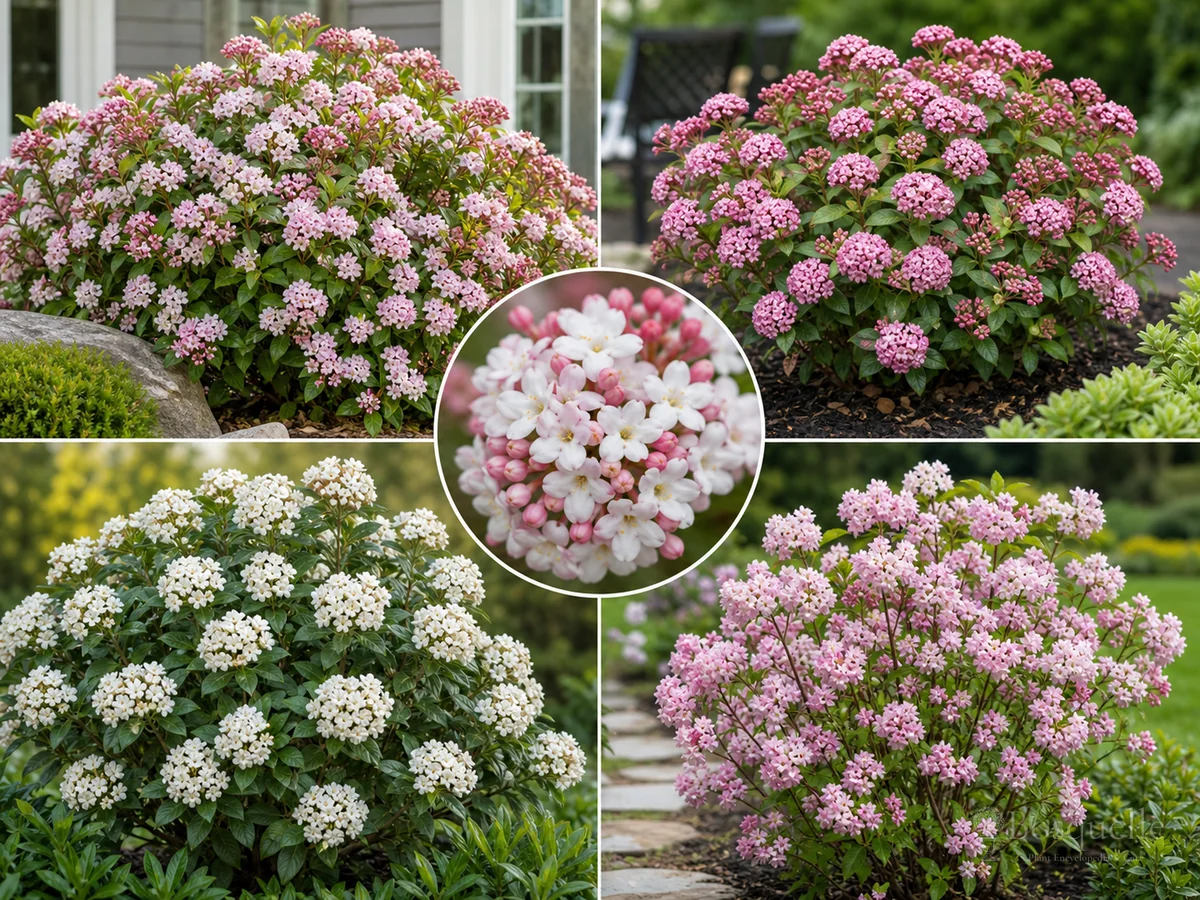
Choose scent from a shortlist for paths and seating — not from every viburnum in the library. Fragrance is a subset of the genus in this catalog — about 18 of 62. Use the criteria below, then follow How to Grow Viburnums for shared care.

How we picked these
- Genus Viburnum only.
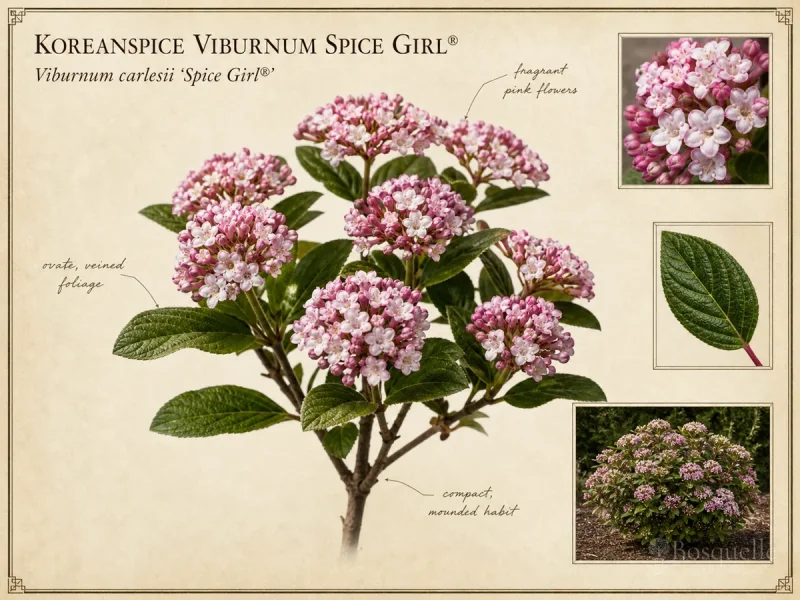
- Catalog fragrant flag and known spice / burkwoodii / winter-bloom types — Aurora, Spice Girl, Mohawk, Dawn, Conoy, and Judd Viburnum.
- A mix of Korean spice, Burkwoodii hybrids, winter bloomers, and fragrant snowball so you can still match scale on Types of Viburnums.
Not every viburnum is fragrant
Most doublefile, many natives, and many snowball types are grown for habit or fruit — not path perfume. Do not treat Aurora-class scent as a genus-wide promise. About 18 of 62 catalog viburnums make this list. Confirm the fragrant flag on each profile before you buy for a scent-led planting.
Evergreen tinus and layered doublefile can still be excellent shrubs without making this shortlist.
Fragrant viburnums to shortlist
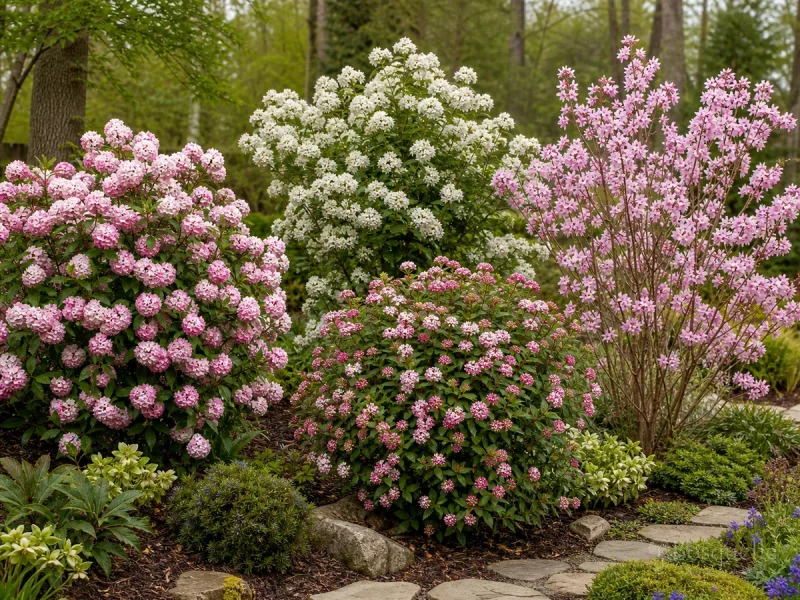
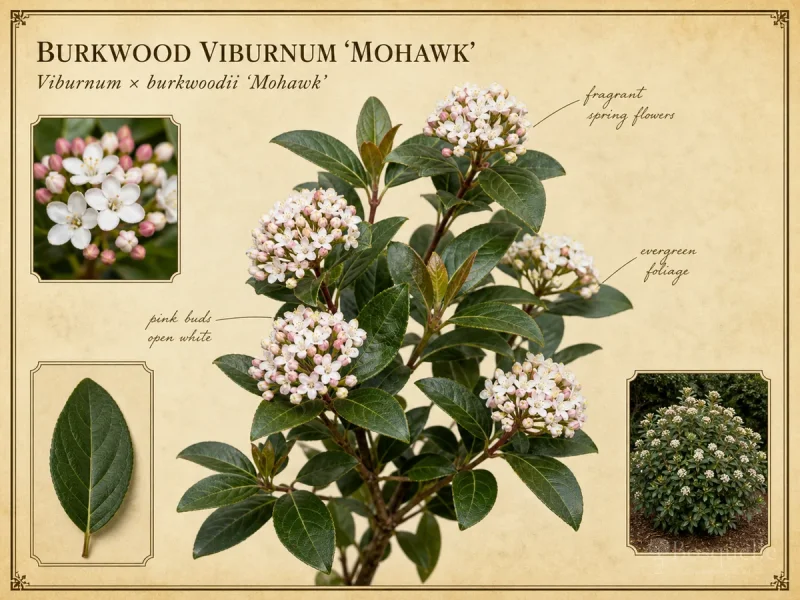
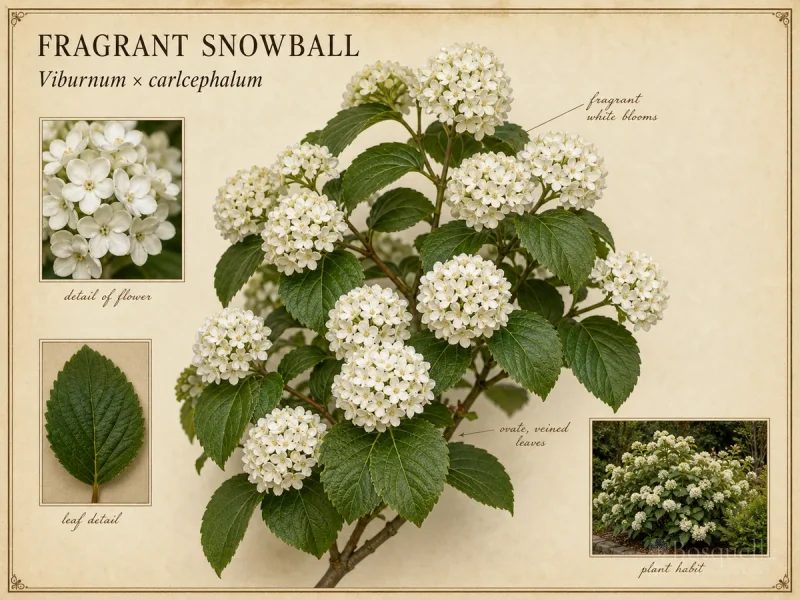
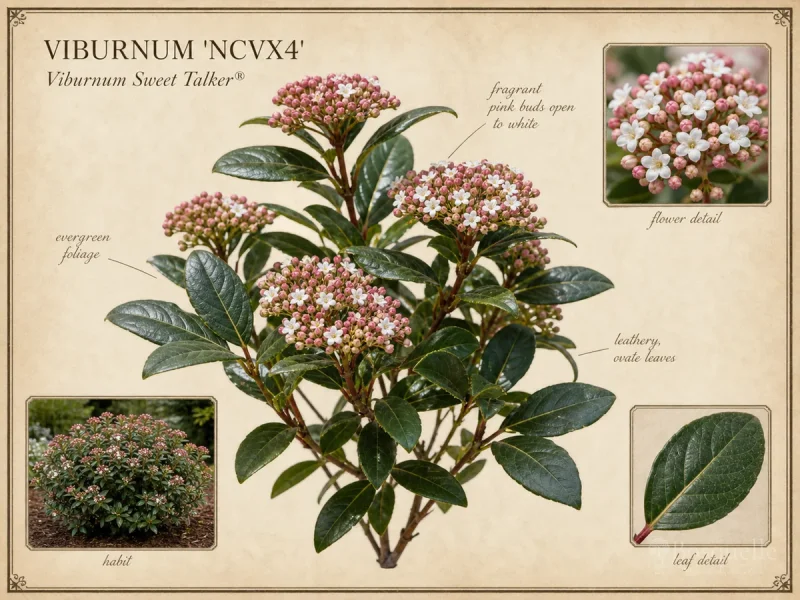
Use the referenced list below. Each line states why it is on the shortlist — from classic Aurora and compact Spice Girl / Compactum, to Burkwoodii Mohawk and Conoy, winter Dawn and Farrer Viburnum, hybrid Sweet Talker, and fragrant snowball Fragrant Snowball. Open the profile for height and spread.
Seat the shrub where you walk in bloom, with room for mature width.
Grow fragrant picks well
Scent does not create a separate care system. Shared growing rules live on How to Grow Viburnums. After-bloom pruning that protects next year’s buds lives on Pruning Viburnums. Partners that frame the display live on Viburnum Companion Plants.
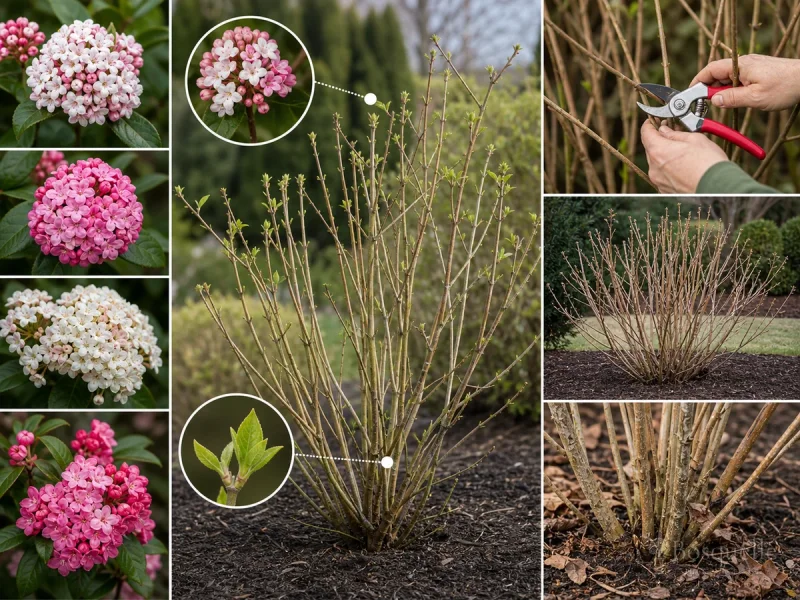
Compact spice types suit a tighter seat. Larger hybrids need more distance so the path still fits at mature width. Prune after bloom, the same as other spring types on old wood.
Winter bloomers such as Dawn and Farrer Viburnum earn a place by a door you use in the cold months. Spring spice types such as Aurora earn a place by a May path. Do not expect one shrub to do both calendars.
Evergreen tinus can sit in the same border for winter leaves without making this scent list.
If a nursery tag only says fragrant viburnum, read the Latin. A doublefile sold next to Korean spice is still a show plant first. Limit new scent shrubs to spots you walk in bloom week, then grow them with the same moist, well-drained rule as the rest of the genus.
Burkwoodii types such as Mohawk and Conoy often carry spice on a tougher, sometimes semi-evergreen frame. They still prune after bloom. Do not shear them in late winter because the leaf holds. Compactum-class spice fits a tight seat; a large hybrid needs a wider landing so the path still works at ten years.
Scent is strongest in still evening air, so seat the clump where you walk at dusk in bloom week. That is a placement choice, not a feed trick. If the first spring is quiet, keep moisture even and wait — a young spice shrub often blooms more in year two than in year one.
Do not plant a fragrant pick as a March daffodil stand-in. Korean spice opens in spring after a winter rest. Winter bloomers open on a different calendar. Read the type, then pick the seat, then grow it like the rest of the genus: sun to part shade, moist and drained, prune after flower.
A path seat that never gets walked in bloom week wastes the shortlist. Move the shrub, or move the path. Scent does not travel far in wind. Plant closer to where people pause, with room for the mature outline.
Shortlist for fragrance, verify the profile, then grow with the shared care pillar and prune after bloom.
FAQ
Why isn’t every viburnum listed as fragrant?
Because fragrance is a subset of the genus in this catalog (about 18 of 62). This shortlist is for scent decisions.
How close should I plant fragrant viburnums to a path?
Close enough to walk through the scent in bloom, with room for mature width. Compact spice types suit tighter seats.
Do fragrant viburnums need different care?
No. Scent is a cultivar trait. Shared growing rules stay on the care pillar; prune after bloom on Pruning Viburnums.
Is doublefile viburnum fragrant?
Treat doublefile as a layered spring show first. If scent is the job, stay on this shortlist.
Where is the full types catalog?
Types of Viburnums — linked above.
When do Korean spice types bloom?
Usually spring, after a winter rest. Winter bloomers such as Dawn flower earlier. Check the profile.
Related guides


Recommended plants



This note is part of Viburnum Guides.
More job shortlists live in Best Plant Picks Guides.
Updated: Reviewed by Bosquelle Editors