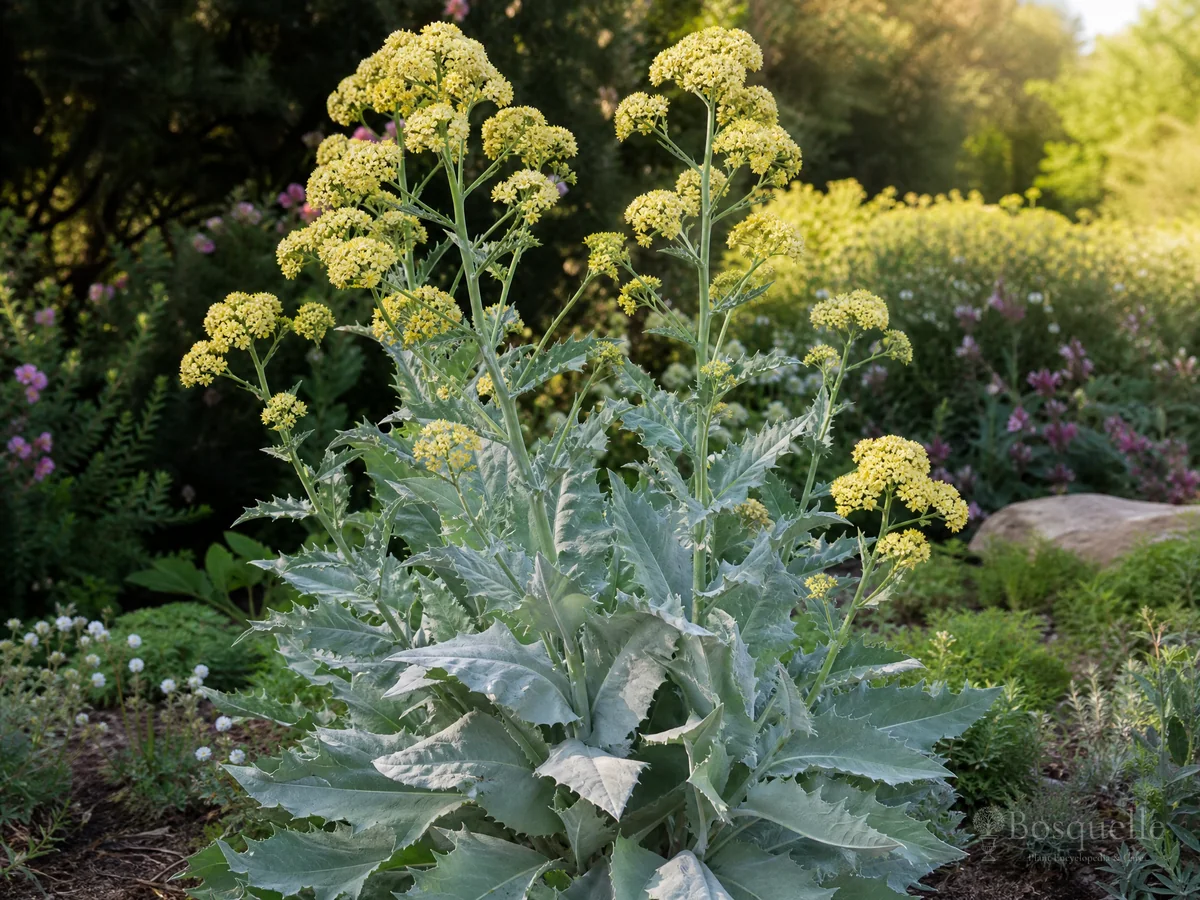
Grow prince's plume in full sun, in poor soil that drains, and water it only until the roots are set. Prince's plume is Stanleya pinnata, also sold as desert plume.

Give it full sun, poor soil that drains, and little water once it is set
| Factor | Recommended | Avoid |
|---|---|---|
| Light | Full sun all day | Do not hide it in shade, where the stalks stay weak and bloom poorly |
| Soil | Poor, sandy, or rocky ground that drains after rain; a gravel mulch on top | Do not plant it in rich, wet soil or a hole that holds water |
| Water | Water a new plant until the roots are set; after that, skip extra water except in a long dry spell | Do not keep the soil wet, and do not set it next to a lawn sprinkler |
| Feed | Skip extra fertilizer | Do not dump compost or nitrogen on it to force lush growth |
| Size | Leave room for a plant about 3 to 6 feet tall and 1 to 3 feet wide | Do not crowd it where you will have to cut the stalks every week |
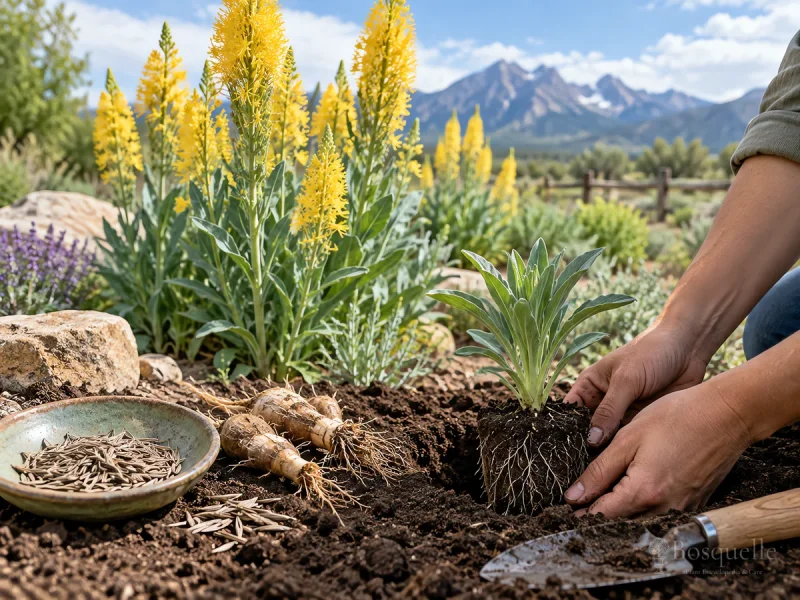
prince's plume is a western mustard with a woody crown and a taproot. Give it a full day of sun and poor ground that dries after rain. Once the roots are in, spare watering is enough, and gravel mulch keeps the crown dry. [1] Skip extra fertilizer. Rich soil pushes soft growth that flops and shortens the plant's life. [2] If your summer is wet, set it on a raised gravel bed or a rock garden so water runs off. A soggy hole rots the crown. [3] Set a nursery plant on Planting Prince's Plume. Sow seed on Growing Prince's Plume From Seed.
Does prince's plume need full sun?
Yes. Give it a full day of sun. Shade makes weak stalks and a poor bloom.
How often should I water it?
Water a new plant until the roots are set. After that, skip extra water. A wet hole still rots the crown.
Should I fertilize prince's plume?
No. Skip extra fertilizer. Poor soil that drains is the usual site.
Cut the dry stalks at the base after bloom
The yellow racemes open from the bottom up and then dry. When the plumes are spent, cut those stalks at the base and leave the basal leaves. At the end of winter, cut remaining dead stems to the woody crown so new growth has a clear start.
- Wait until the plumes have dried, or until late winter before new leaves push.
- Cut the spent flower stalks at the base, not partway up the stem.
- Leave the basal mound in place. Do not dig the crown.
- If you want seed, leave a few dry pods until they split, then cut the rest.
When do I cut prince's plume back?
Cut dry flower stalks at the base after bloom, or take remaining dead stems to the crown at the end of winter.
Not spider flower — and not apache plume or princess flower
Shop photos of a tall yellow plume get mixed with spider flower. Spider flower is Cleome, usually a tender annual with whiskery stamens in pink, white, or purple as well as yellow. This plant is a native perennial mustard with four yellow petals and a woody crown. Grow spider flower on How to Grow Spider Flower.
Apache plume is Fallugia, a desert shrub with white rose-like flowers and feathery seed heads, not this mustard. Grow it on How to Grow Apache Plume. Princess flower is Tibouchina, a tropical shrub with large purple blooms — not a yellow desert raceme. Grow it on How to Grow Princess Flower. A nursery tag that says Prince's Plume on a lavender mint is Agastache, not Stanleya. Grow that on How to Grow Agastache. Spider plant is Chlorophytum, a houseplant with striped leaves, not this wildflower. Grow it on How to Grow Spider Plant.
If the soil stays wet, move the plant to a raised gravel bed. Give it full sun, water only until it is set, and cut dry stalks at the base.
FAQ
Is there more than one kind of prince's plume?
Garden shops sell this one species, Stanleya pinnata. Other Stanleya names show up in wildflower books. They use the same full sun, poor soil, and spare watering.
Can I keep prince's plume in a pot?
A deep nursery pot is fine while the plant is small. It makes a long taproot, so move it into the ground before that root circles. It is not a houseplant.
Will it come back after winter?
The top dies back to a woody crown. New leaves push in spring if the crown stayed dry. Do not wrap it or keep the soil wet through freeze.
Can I eat prince's plume?
No. The plant can store selenium from the soil, and it is poisonous to livestock. Do not cook it as a green.
What else likes this same dry ground?
Other xeric plants that want full sun and soil that drains can share the bed. Do not pair it with a lawn or a wet perennial border.
Related guides

Recommended plants

References
- [1] Utah State University Extension -
https://extension.usu.edu/cwel/research/princes-plume-in-the-landscape - [2] Santa Fe Botanical Garden -
https://visitsfbg.org/january-2018/ - [3] High Country Gardens -
https://www.highcountrygardens.com/products/perennial-stanleya-princes-plume - [4] High Plains Gardening -
https://highplainsgardening.com/plant-profiles/stanleya-pinnata
This note is part of Stanleya Guides.
More first-season notes by plant are gathered in How to Grow Guides.
Updated: Reviewed by Bosquelle Editors