
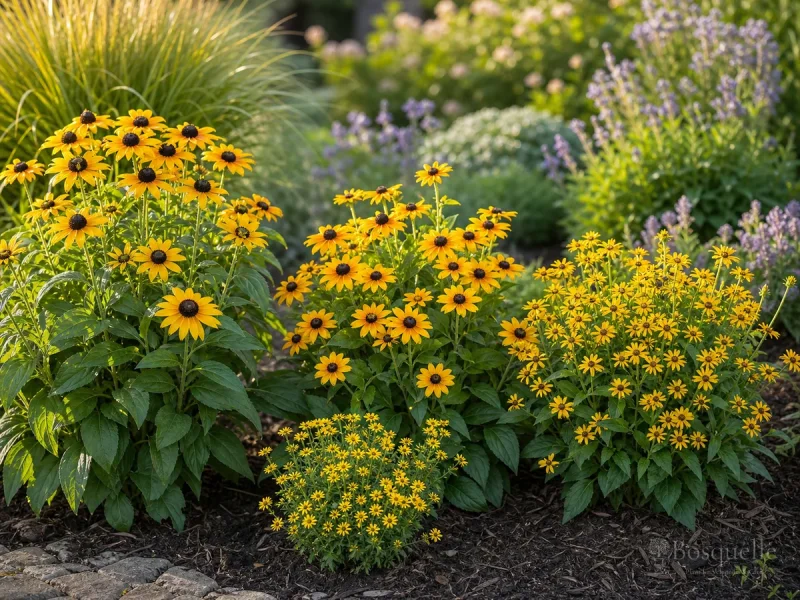
Plant partners that share full sun and draining soil with Goldsturm. Purple coneflower, salvia, and grasses are the usual sunny mix. Do not pair a wet-shade hosta with a prairie daisy. Site rules stay on How to Grow Black-Eyed Susans.

What to plant with black-eyed Susans
| Factor | Recommended | Avoid |
|---|---|---|
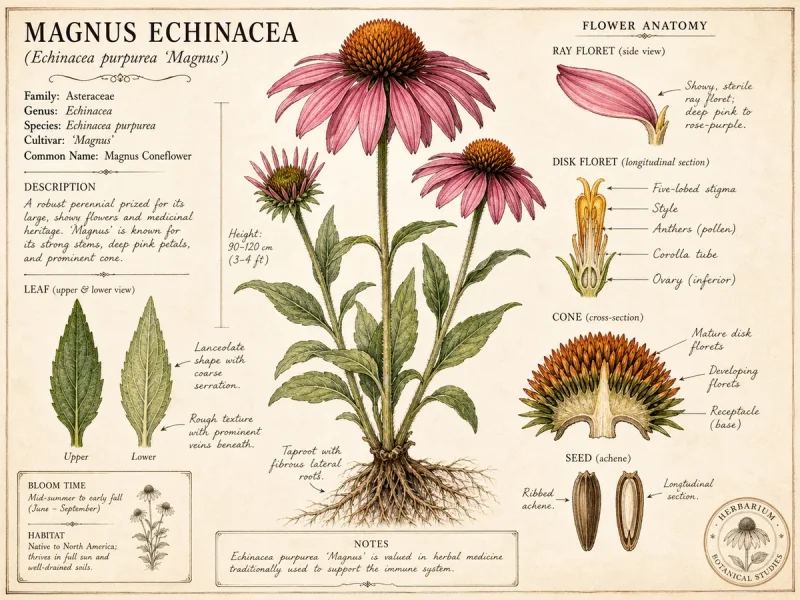
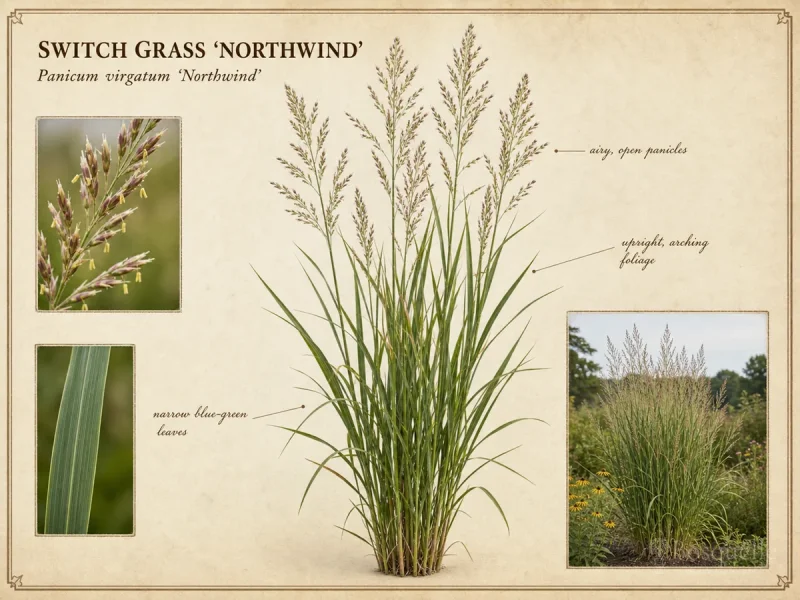
| Sunny border | Coneflower, salvia, switchgrass, feather reed grass — leave air | Shade-wet hosta or fern |
| Late season | Aster and sedum after peak gold | Empty the bed in July and expect no fall |
| Seasonal hirta | Other warm-season sun plants; plan to replant | Treating hirta as a permanent hedge partner |
Gardenia.net / prairie lists: echinacea, salvia, ornamental grasses, asters, and sedum share the same sun. Match lifespan: fulgida with other returning clumps; hirta with other one-season sun plants.
- Sunny border: Goldsturm with coneflower, plus salvia and a switchgrass behind.
- Height: feather reed grass behind mid clumps. Do not sit a giant grass on a compact crown.
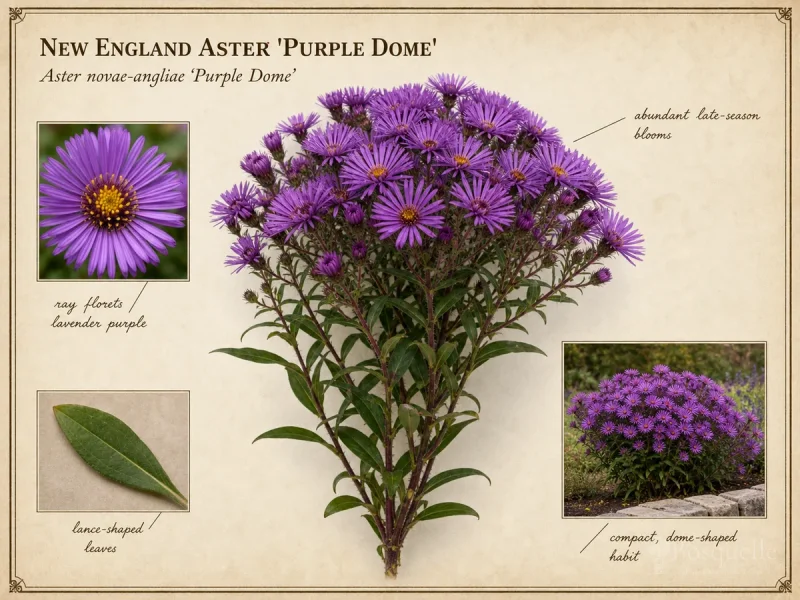
- Late: aster and sedum after the gold peak.
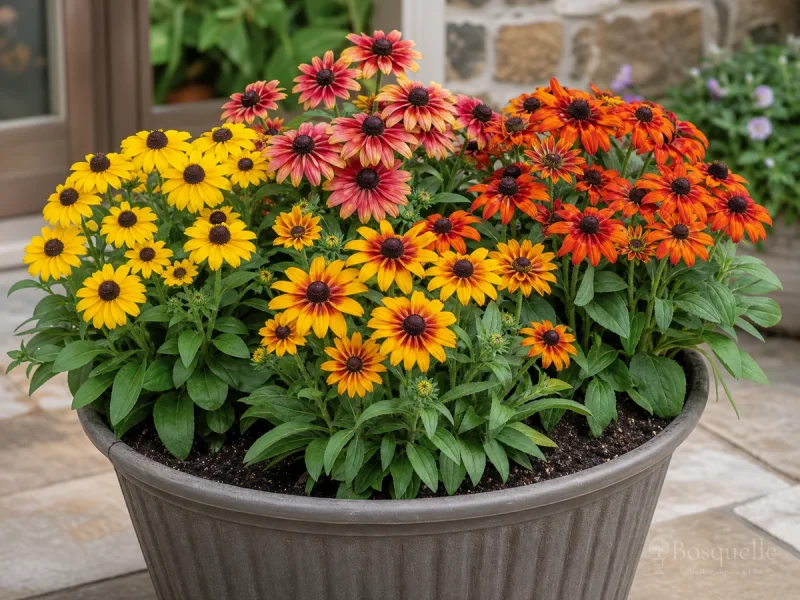
- Seasonal tray: hirta as fill for one season, not as the only structure for year three.
Grasses, asters, and late partners
The useful pairing is cultural. Black-eyed Susan wants the same sun and drain as coneflower. Grasses add winter stems. Aster and sedum carry the bed after July. Copy the site, not a photo of mixed gold that was shot in one week.
- Leave a hand’s width so you can deadhead and divide fulgida.
- Do not plant a giant grass on a Toto pot rim.
- If mildew shows, the stand is too tight — thin in spring, still in sun.
- Class scaling lives on Types of Black-Eyed Susans.
Combinations that fail
- Hosta or fern with fulgida — they want shade moisture the daisy cannot share without flop and leaf spot.
- A dense hedge on the clump — no air, more disease.
- Hirta as the only perennial structure — the gap in year two is the class, not a missed watering.
- One watering for a wet shade bed and a prairie strip — pick one site.
Sun and class stay on How to Grow Black-Eyed Susans.
FAQ
What grows well with black-eyed Susans?
Sunny, draining partners: coneflower, salvia, grasses, aster, and sedum.
Can I plant echinacea with them?
Yes. They share sun and drain. Leave space to deadhead.
What grasses work?
Switchgrass and feather reed grass behind mid clumps, not on a compact crown.
What should I not plant with them?
Shade-wet plants and a still, crowded hedge.
Do companions get the same water?
Match the daisy: settle in, then dry spells, not a bog.
Can I mix hirta with Goldsturm?
Yes if you treat hirta as seasonal fill, not as the permanent hedge.
When do I plant companions?
In spring, in the same sun, after frost for hirta.
Are pots different?
Compact types only. See Black-Eyed Susans in Containers.
Related guides


Recommended plants




This note is part of Black-Eyed Susan Guides.
More neighbour shortlists by plant live in Companion Plant Guides.
Updated: Reviewed by Bosquelle Editors