
Plant ornamental alliums with other full-sun plants that drain after rain, and that can hide yellowing leaves while the globes still show. Globemaster sits above a mounding skirt. Guests must share that grit. This page is partners, not a second grow guide.
Shared care lives on How to Grow Alliums.
Partners that hide fading leaves
| Factor | Recommended | Avoid |
|---|---|---|
| Site | The same full sun and sharp drainage as the bulb | A shade hosta soak on the same hose |
| Job | Mounds that cover yellow leaves while globes stay visible | Shearing green allium leaves to make room |
| Calendar | Spring bulbs with globes; later perennials after dieback | One mix that needs summer flood after spring rest |
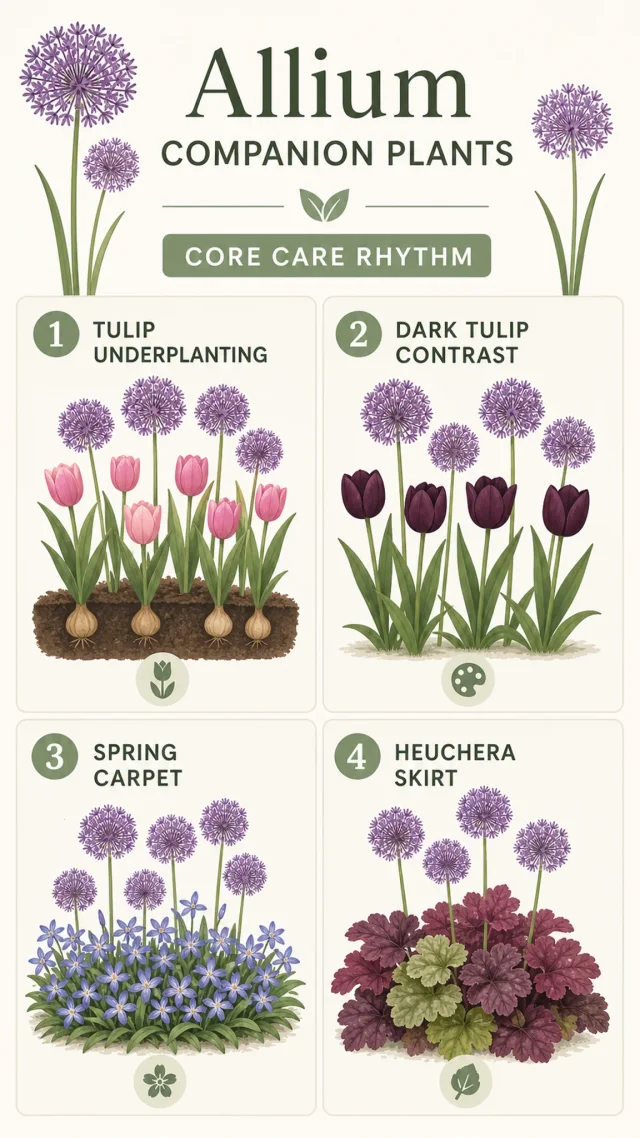
Pass drainage first, then pick a hide plant that is already expanding as alliums bloom so the skirt covers yellow leaves without a second planting date. Lady's mantle, hardy geranium, and catmint are the usual skirts because they share sun and grit and still leave the globes visible above the mound. Purple Sensation still fails if you cut its leaves to tidy the bed, because those leaves recharge the bulb for next spring even after the flower has faded.
Globemaster and Purple Sensation set the spring-globe story. Keep a clear collar at the bulb so carpets do not sit on the nose and trap winter wet; a hand-width of open grit is enough to see whether the soil still drains after rain.
Spring bulbs and early co-stars
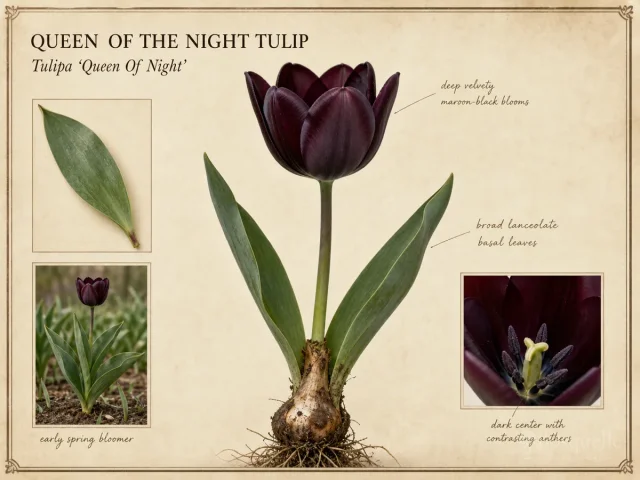
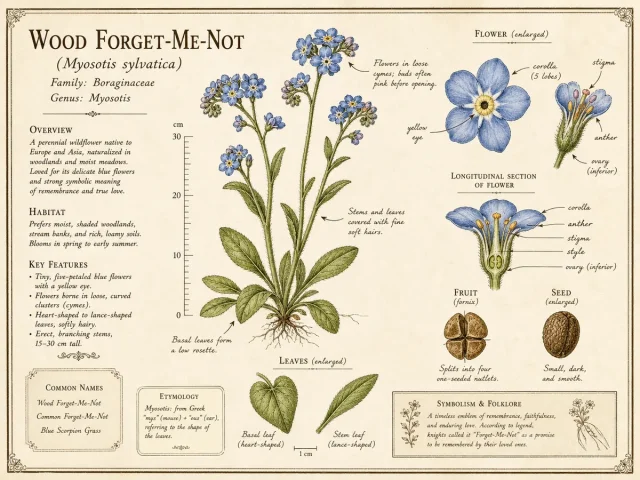
Tulips such as Apeldoorn and Queen of Night share the fall plant and spring show, so they fill the same window without asking for a second watering method. Wood forget-me-not and silver foliage such as Wood Forget-Me-Not and Valerie Finnis fill cool gaps without sealing wet clay over the bulbs, which is the usual companion fail on a globe line.
Plant the carpets in the gaps, not as a mat on the bulb line. Deep-shade hostas sit outside this mix. They want summer moisture that fights sun-hungry bulbs.
Summer clumpers and later partners
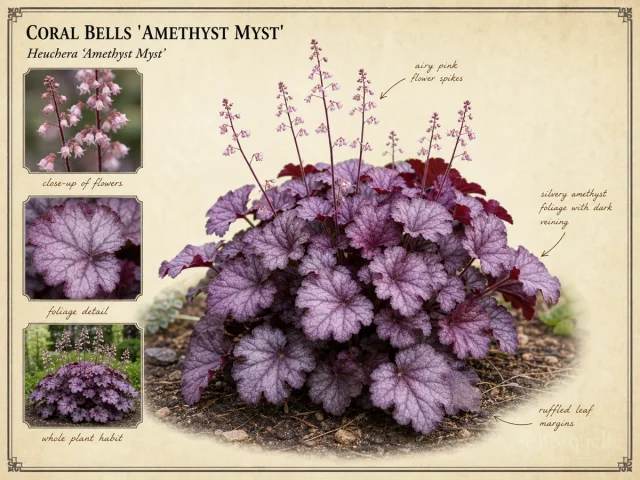
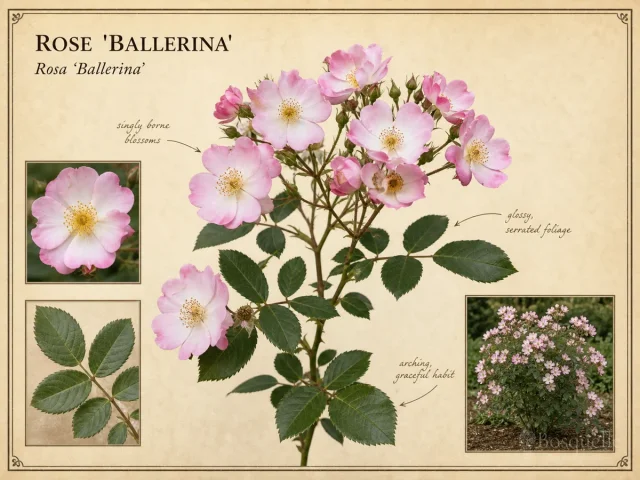
Once globes fade, yellowing leaves still need weeks. Amethyst Myst can lean in as a soft mask if the pocket still drains. Amistad and a rose such as Ballerina carry summer after the leaves go down. Leave a collar. Tall bulbs are an accent through the rose, not a thicket on the graft.
Millenium is a summer clump. It does not follow the same tulip timing as a May globe. Give it sun perennials, not a hide-the-yellow job it does not need.
Plant-out lives on Planting Alliums. Habit groups live on Types of Alliums.
What not to plant
Do not plant bog iris or canna on the same hose, a dense evergreen that steals sun, or a lawn understory you will mow through the allium leaves. Do not hang a second thirsty annual so thick you cannot see the bulb line, because access is how you leave foliage until it browns. Partners do not rewrite sun or drainage: if the globes flop, move the allium rather than adding another pretty sun plant without grit.
Prairie bake without water the first spring kills new clumps; established bulbs take dry spells, new ones do not, so match the neighbor to that first-year need and then ease off. Start year one with fewer hide plants and add the skirt after you can see the stems, because over-planting the first summer turns living mulch into a seal. A finished edge should still show stem outlines — if the front reads as one soft green mound with no globes in June, remove a piece before you add another, and keep a stepping stone so you can deadhead without crushing the skirt.
Giant globes sit high, so a peony that flops onto the stem hides them; pick a grit ribbon with a collar, not a cottage jumble on the bulb noses. Do not plant black walnut overhead (shade and juglone both hurt), and keep tall sunflowers off the south side so morning light still hits the globes. Roses can share loamy drainage at a distance, but do not shove Globemaster under a dense shrub rose that holds wet leaves on the bulb all winter.
Thyme and dianthus work as a collar, not a mat over the bulb nose — leave a hand-width of open grit at the line so you can still leave the allium leaves without tearing the cushion. Catmint and hardy geranium expand as alliums bloom, which hides yellow leaves without a second planting date if you water to establish and then let the surface dry; a weekly flood for a thirsty annual on the same line sours both. Lady's mantle is the usual front skirt because it fills at globe height; plant it beside the line, not on the noses, so you can still see whether the bulb stays dry after rain.
Do not use a hosta as the default green partner. Most hostas want more shade and more even moisture than this bulb; a part-sun pocket that still drains can work, a woodland floor will not. Pull any water-loving annual from a mixed sun tray before it seals the soil, then keep the allium with the grit plants only. Salvia and later perennials fill the hole after leaves go down so the bed does not sit empty in July — they share sun, not a first-year soak into dry prairie bake, so water the new line until roots fill, then ease off.
FAQ
What plants go with ornamental alliums?
Sun plants that drain: lady's mantle, hardy geranium, catmint, tulips, later salvia, and a rose with a clear collar.
Why hide allium foliage?
Classic bulb leaves yellow while the flowers still look good. Leave the leaves until they brown. A mounding partner covers that yellow.
Do companions change allium care?
No. Shared sun and drainage stay on How to Grow Alliums.
Where is full care?
How to Grow Alliums. This page only covers partners.
Related guides
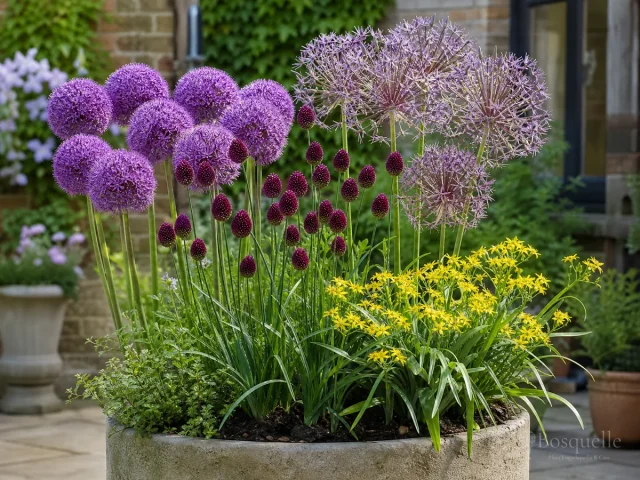

Recommended plants



This note is part of Allium Guides.
More neighbour shortlists by plant live in Companion Plant Guides.
Updated: Reviewed by Bosquelle Editors