
Gray mold, or Botrytis, is a fungus that turns soft flowers, buds, and fruit into a fuzzy gray rot in cool, damp air. It is not the white flour of powdery mildew and not the underside fuzz of downy mildew. If you need to bag a rotting bloom without seeding the bed, dry petals before night, and know when a spray is theatre. Peony blight and strawberry fruit rot are the same fungus on those crops — not extra pages.
Do this first: slip a bag over the worst bloom before you cut, stop evening overhead water, and leave open flowers for bees while you bin the mush.
Soft gray fuzz that collapses the petal
| What you see | Likely | Do this first |
|---|---|---|
| Fuzzy gray coat on a softening bloom, bud, or berry; a puff when shaken | Gray mold (Botrytis) | Bag, then cut; dry the canopy |
| Dry white flour on the leaf face; tissue still firm | Powdery mildew | See powdery mildew — different fungus |
| Angular yellow on top; gray-purple fuzz underneath | Downy mildew | See downy mildew — stop overhead water |
| White fuzz only on wet mix | Not this disease | Do not spray the bed for soil film |
Gray mold starts on spent petals, wounds, and overripe fruit, then walks into tissue that was still sound. Powdery mildew sits on the surface in often drier air. Downy stays a leaf job until it isn’t. If the petal collapses and the gray dusts your sleeve, you are here.
Bag rotting blooms without seeding the bed
Botrytis throws a spore cloud when you shake wet mushy flowers. Slip a bag over the bloom before you cut, or bag it the moment it leaves the stem, then bin it or hot-compost only if the pile truly cooks. Clean blades between plants while an outbreak is on. Do not flick infected petals onto neighbours or drop them on the greenhouse floor. One rotting head is a spore factory, not a wildlife feature.
Petals that stay wet overnight
Spores need free moisture. About six hours of wet leaf or petal — or air stuck above ninety percent humidity — is enough. Evening overhead water and a closed greenhouse after dusk keep that clock running. Water at the base in the morning so flowers and fruit dry by night. Open vents even on cool days: a colder dry house beats a warm damp one. Fail if petals are still wet at bedtime and you reach for a bottle instead of a tap change.
Culture first — spray rarely finishes a wet bed
Once petals and fruit stay wet for hours, fungicide alone rarely outruns the weather. Deadhead, dry the canopy, water at the base in the morning, and clear fallen mush. Labelled products are mostly preventative and many Botrytis populations shrug them off. Reach for a spray only when culture fails and local guidance says timing still helps — skip the brand aisle. Waiting on a still-wet bed after one pass is how the next bloom rots.
Strawberries: the bloom already infected the berry
On strawberries, raspberries, and grapes, most gray mold is a flower infection that waits until sugar rises. The berry can look fine at pick and collapse in the punnet within two to three days. Lesions often start under the calyx. Harvest when fruit is dry, cull anything gray, keep berries off wet soil, and cool them promptly. Do not eat moldy fruit — the rot runs deeper than the coat. Excess lush foliage after heavy feed holds the wet hours the fungus wants.
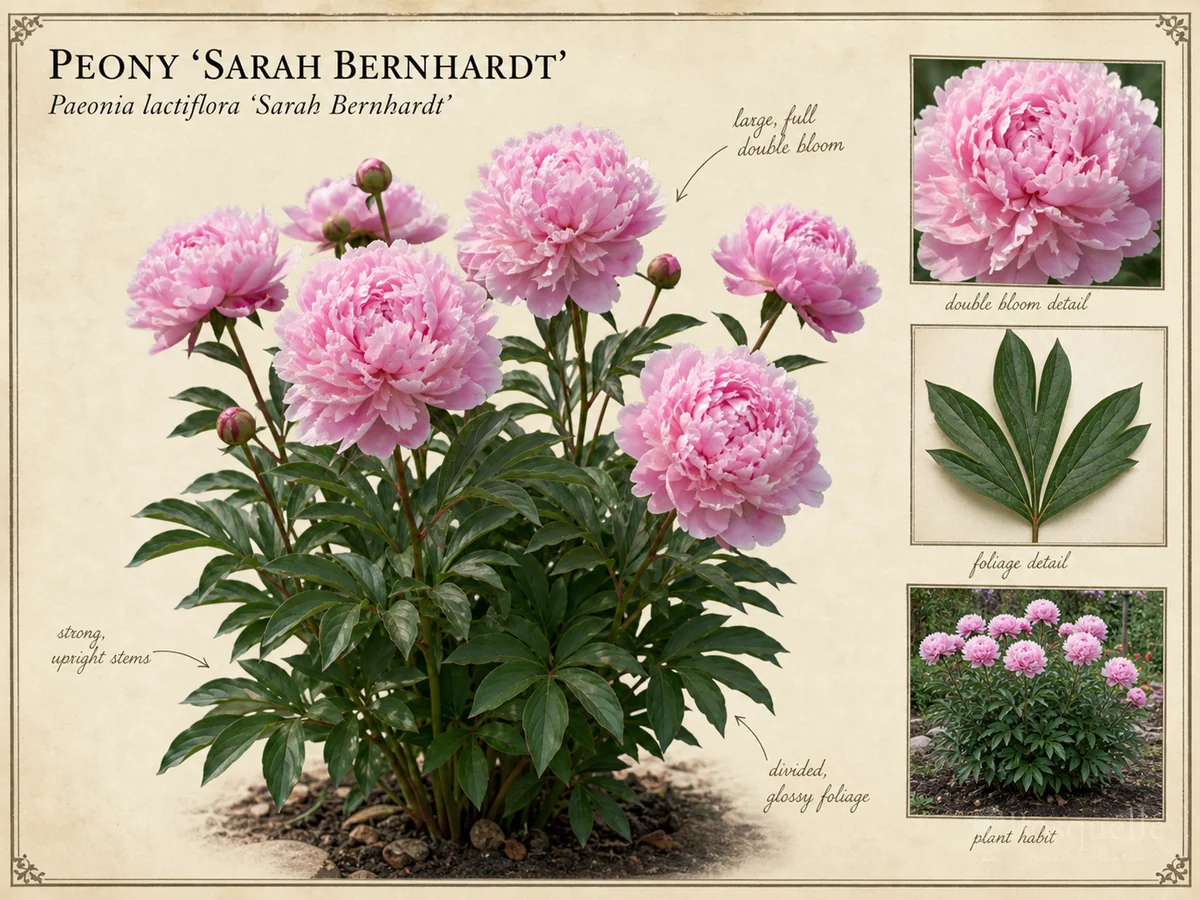
Peony blight, florist houses, and spent heads
Peony blight is gray mold with a famous face: young shoots rot at the base and flop; buds brown or blacken and never open; spent petals that fall spot the leaves. Strip withered heads in season. In autumn cut stalks to the ground and destroy the debris — sclerotia overwinter there. Do not mulch over emerging shoots in a wet spring. Under glass, florist crops and tomatoes fail the same way when vents stay shut and fading blooms stay on. This is a bed-and-glass job, not a windowsill quarantine. Move a shade-sited peony into air and sun before you shop a bottle.
Compost, bees, and the mush you should not leave
Fresh open flowers still feed bees. Wet collapsed petals feed Botrytis. Deadhead the mush; leave the good bloom. Outdoors, dry debris that is not diseased can stay as habitat. Rotting heads and greenhouse sweepings go in a bag. Hot compost that holds heat for days can take light material; a cold heap is a spore hotel — bin the worst. Do not leave spent blooms “for wildlife” once they have gone to mush.
Six wet hours is enough
| Condition | Why it matters |
|---|---|
| Cool humidity, ~6 hours wet | Spores germinate on soft tissue |
| Spent flowers left on | Ready food, then a spore cloud |
| Evening overhead water | Petals stay wet into the night |
| Crowded stems / shut vents | Slow drying; hard to spot early rot |
| Ripe fruit in a closed punnet | Latent bloom infection wakes up |
Culture that keeps gray mold down
- Bag, then cut: enclose rotting blooms so the spore cloud stays in the bag. Bin or hot-compost; do not shake them over the bed.
- Deadhead on a wet-week rhythm: every two to three days while bloom is on, before petals collapse in place.
- Water at the base in the morning so petals and fruit dry by night. Stop evening overhead.
- Open the canopy and the vents: stake, thin, and air a greenhouse daily — even in cool weather.
- Harvest soft fruit before long wet spells and cull gray berries out of the punnet.
- Fungicide last: if culture fails, follow local labels — skip the brand aisle. Fail if the bed is still wet and spent heads are still on.
Related reading
- Powdery mildew — white leaf powder; often different weather and a different look.
- Downy mildew — underside fuzz on wet leaves in cool humid spells.
- Rose black spot — another disease where dry foliage and cleanup matter.
- Botrytis bunch rot — gray fuzz on grape clusters, not a peony bloom.
FAQ
Is gray mold the same as powdery mildew?
No. Gray mold is a fuzzy gray rot that collapses soft flowers and fruit in cool damp air. Powdery mildew is usually a dry white flour on leaf surfaces. If it puffs when you shake a rotting bloom, that is powdery mildew, not this.
How do I tell gray mold from downy mildew?
Downy mildew shows angular yellow patches with fuzz on the leaf underside. Gray mold rots petals, buds, and fruit and throws a gray spore cloud. Flip the leaf before you treat the wrong organism.
Why bag rotting blooms before I cut them?
Botrytis spores lift in a cloud when you shake wet mush. Slip a bag over the bloom, cut into the bag, and bin or hot compost it. Do not flick infected petals across the bed.
Should I water from above at night?
No. Petals and fruit that stay wet overnight give the fungus the hours it needs. Water at the base in the morning so the canopy dries by dusk. Evening overhead is how a spray fails.
Why did gray mold return after I sprayed?
Fungicides are mostly preventative. They do not outrun spent blooms and wet nights. Fix drying and sanitation first. Fail if the bed is still wet and the rotting heads are still on.
Why do strawberries rot after I pick them?
Most fruit rot started in the flower and waited until sugar rose. A berry that looked fine can collapse in the punnet within two to three days. Pick dry, cull gray fruit, and cool promptly. Do not eat moldy berries.
Does Botrytis only hit peonies?
Peonies are a famous host — buds blacken, young shoots flop — but many soft flowers and fruits get the same fungus. Keep peony blight here. Greenhouse florist crops fail the same way when vents stay shut.
Can I compost infected petals?
Hot compost that truly cooks can take light debris. Cold piles return spores. When unsure, bag the worst mush and bin it. Do not dump a spore cloud on the open heap.
Should I leave rotting blooms for bees?
Open, fresh flowers still feed pollinators. Wet collapsed petals feed Botrytis. Deadhead the mush; leave the good blooms. Wildlife habitat is for dry, not-diseased debris, not a rotting head in the bed.
Can gray mold kill my plants?
It rarely kills a tough woody shrub. Seedlings, peony shoots, greenhouse tomatoes, and ripe fruit crash fast. Bag the mush and dry the canopy before the bed is a spore source.
How do I stop gray mold in a greenhouse?
Open vents every day, even in cool weather. Water the soil in the morning. Bag infected fruit and petals off the floor. A warm damp house loses to a cooler dry one.
Can I eat fruit with gray mold?
No. Cut away and discard berries or grapes with the fuzzy coat — the rot runs deeper than the gray you see. Sound neighbours in the same punnet are a gamble after a wet pick.
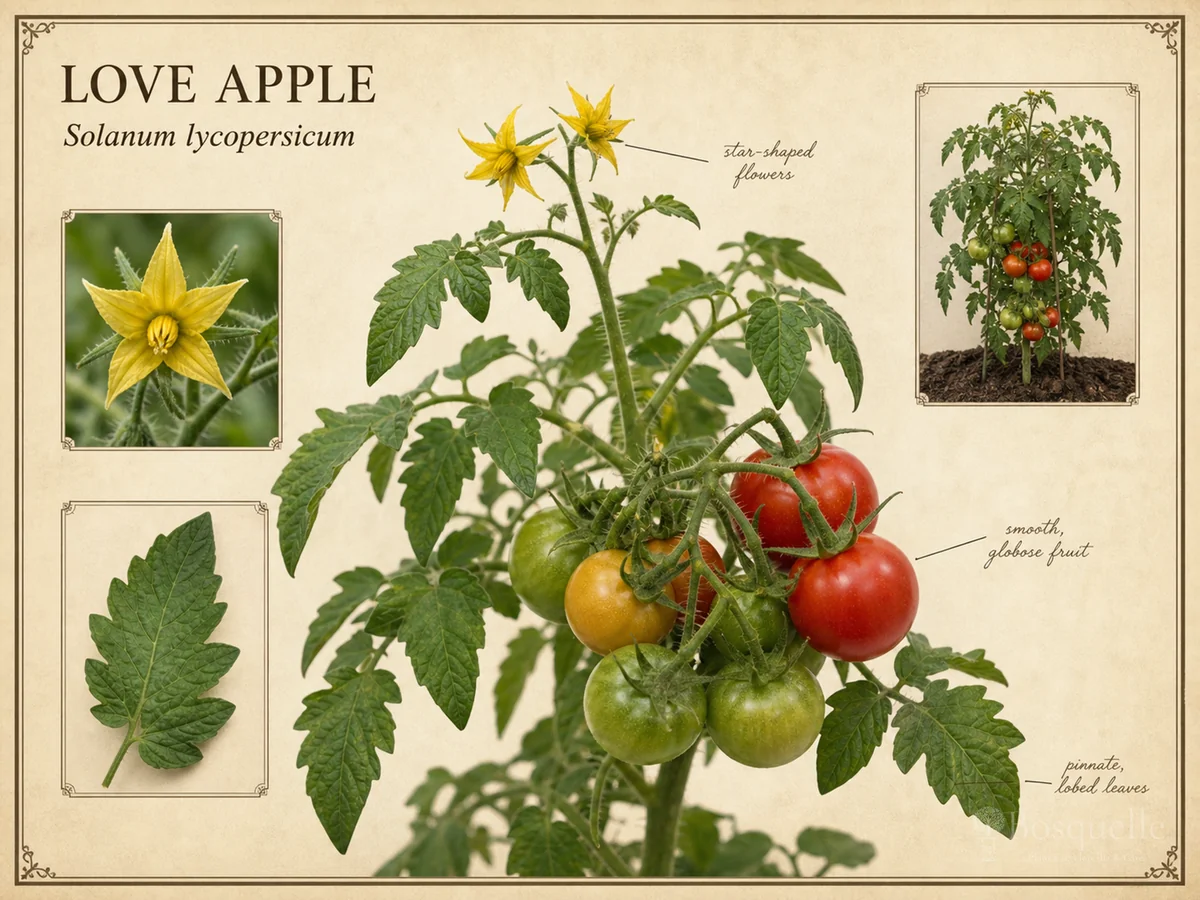
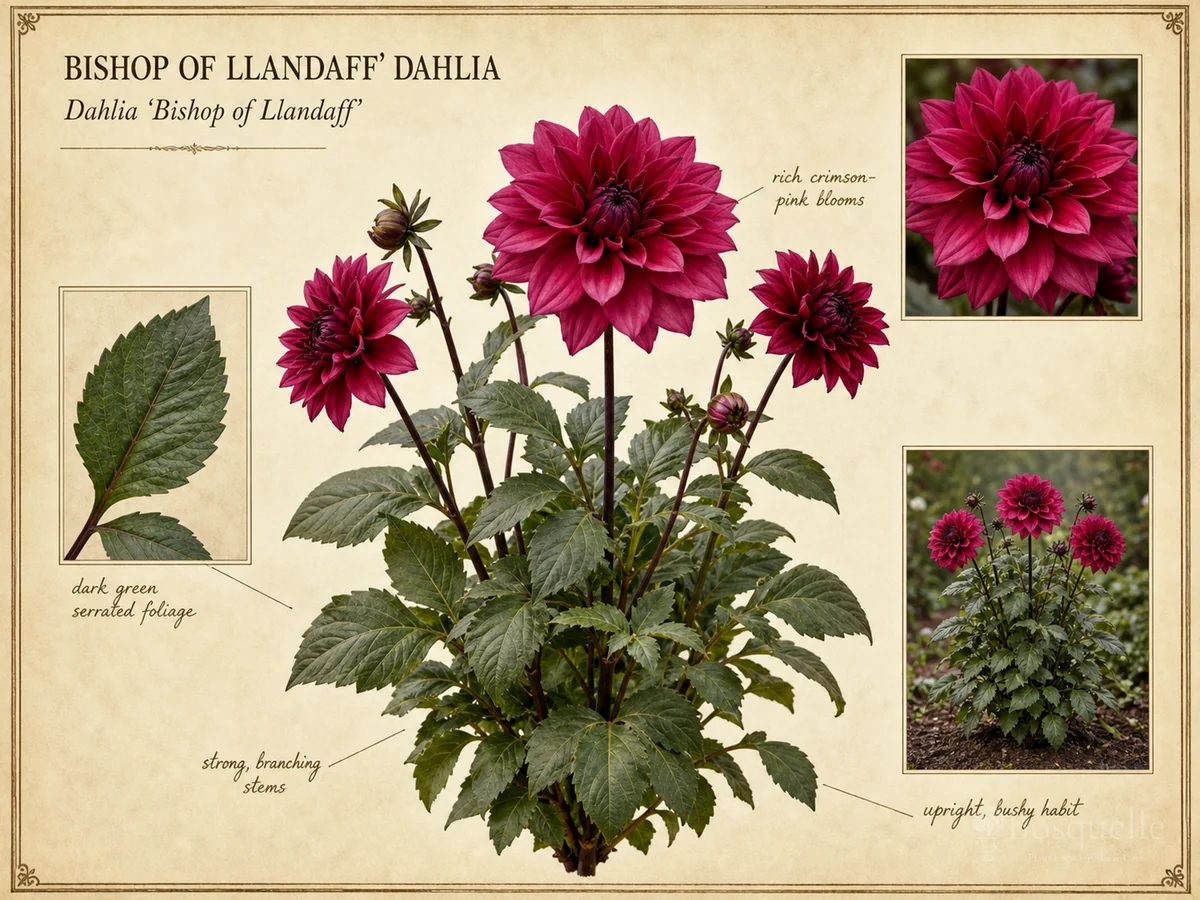
Host plants
A few garden examples linked on this site — open a plant for care context.




Related diseases




Related pests



Updated: Reviewed by Bosquelle Editors