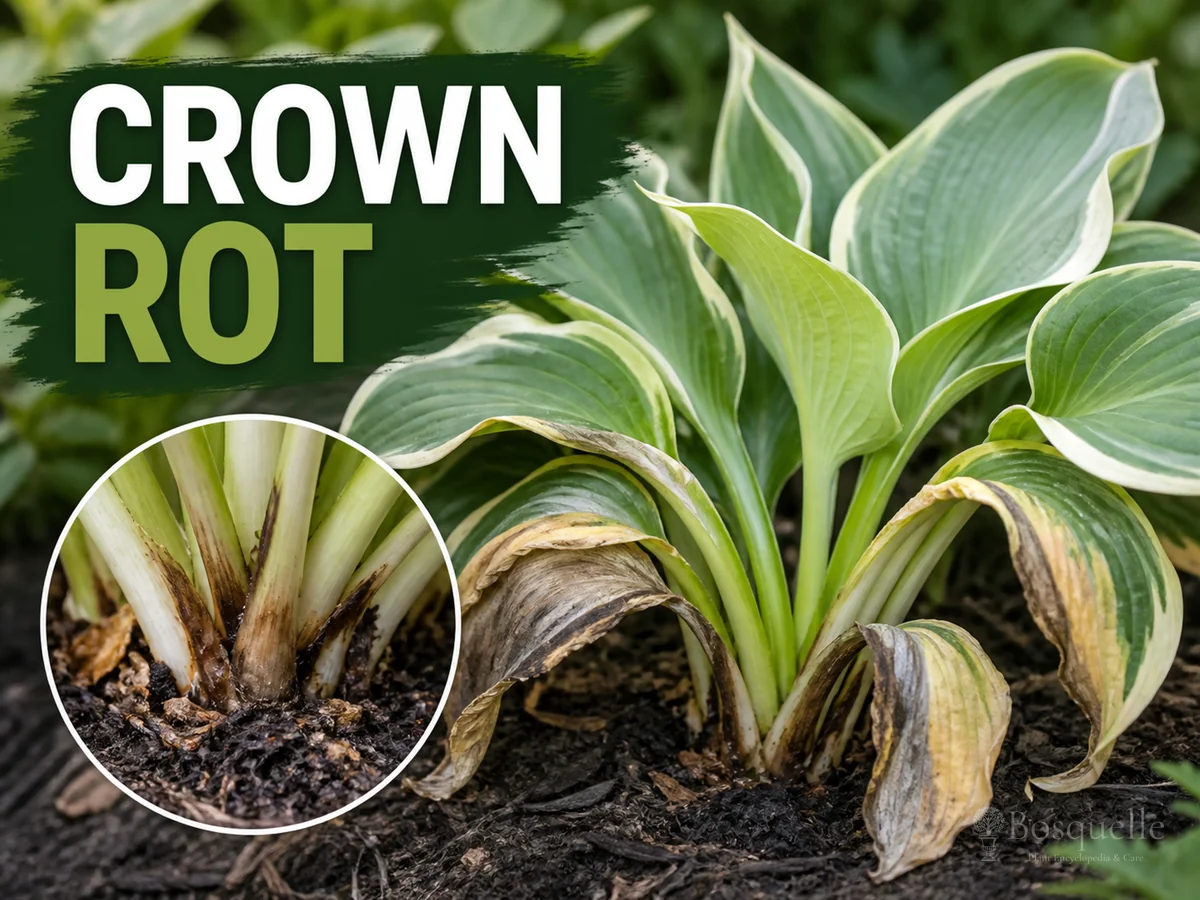
Crown rot in wet soil is a water mold or soil fungus — usually Phytophthora, Pythium, or Rhizoctonia — that turns the base of peonies, hostas, and dahlias brown and soft. It is not the mustard-seed fan of southern blight and not the seedling pinch of damping off. A spray will not un-rot a wet crown.
Do this first: scrape mulch off the crown. If it is brown and soft and there are no mustard-seed specks, bag the plant and stop watering the hole.
Wilt in wet soil, or mustard seeds
| What you see | Likely | Do this first |
|---|---|---|
| Wilt in a puddled bed; brown soft crown; no mustard seeds | Crown rot | Scrape mulch; bag if the crown is mush |
| White fan and mustard-seed specks at the soil line in heat | Southern blight | See southern blight — bag plant and soil |
| Seedlings pinch at the soil line and topple | Damping off | See damping off — bin the tray |
| Mushy potato or cabbage after a bruise | Bacterial soft rot | See bacterial soft rot |
| Gray fuzz on peony buds in cool damp air | Gray mold | See gray mold or Botrytis |
Thirst recovers after a drink. This wilt does not. Fail if you water a collapsing crown because the leaves look dry.
Is this southern blight?
Only if you find a white fan and mustard-seed specks at the soil line in heat. This job is a wet, brown, soft crown with no seeds. See southern blight if the mustard seeds are there.
Is this damping off?
No. Damping off pinches seedlings in a tray. This hits established peonies, hostas, and dahlias in wet soil. See damping off if a tray of seedlings topples.
The crown is brown and soft at the soil line
Above ground the plant looks thirsty: dull, yellow, or wilted leaves that do not perk up. Dig. Healthy feeder roots are white. Rotten ones are brown or black and slip off. The crown — where stems meet roots — is dark and soft. Standing water and compacted clay keep oxygen out, and the water mold swims. Walk the wet corner of the bed, not only the pretty face. Fail if you wait for the whole clump to flop before you scrape the mulch. A hosta that yellows after a week of rain in clay is the same job as a peony that never stands back up. Check more than one stem. If only the outer leaves wilt and the crown is still white and firm, wait, pull mulch, and let the bed dry. Act when the base is brown and the stems tug free. Fail if you blame drought and add a soaker ring to a puddle.
How do I identify crown rot?
The plant wilts in a bed that stays wet and does not perk up when you water. Scrape the mulch. The crown is brown and soft. Feeder roots are brown, not white.
Why did it wilt after I watered?
The roots are already rotting. Extra water feeds the water mold. Let the top few inches dry. Fail if you water a wilt in a puddle.
Pull mulch off the crown
Keep mulch a few inches back from stems. Two to three inches on the soil is enough. A heap piled on the root collar — volcano mulch — holds water against the crown. Plant at the same depth the nursery grew it. Fail if buds or bark sit under a wet pile. A dry collar at bedtime is worth more than a bottle.
Should I pull mulch off the crown?
Yes. Keep mulch a few inches back from the stem. Piling mulch on the root collar — volcano mulch — keeps the crown wet. Fail if bark or buds sit under a wet heap.
A spray will not un-rot a wet crown
Mushy tissue does not firm up. Wait only while the crown is still firm and white. Act when it is brown and soft — bag the plant and a scoop of the wet soil. Fail if you copper a collapsing peony or leave the rotten crown in the hole. 70% alcohol on the spade beats a drench on the shelf.
Will a spray save it?
No. Mushy crown tissue does not firm up. A bottle will not un-rot a peony. Bag the plant. Fix drainage.
Should I pull the whole plant?
Yes once the crown is soft and brown. Take a scoop of the wet soil with it. Do not compost. Fail if you cut the top and leave the rotten crown in the hole.
Peonies collapse when the bed stays wet
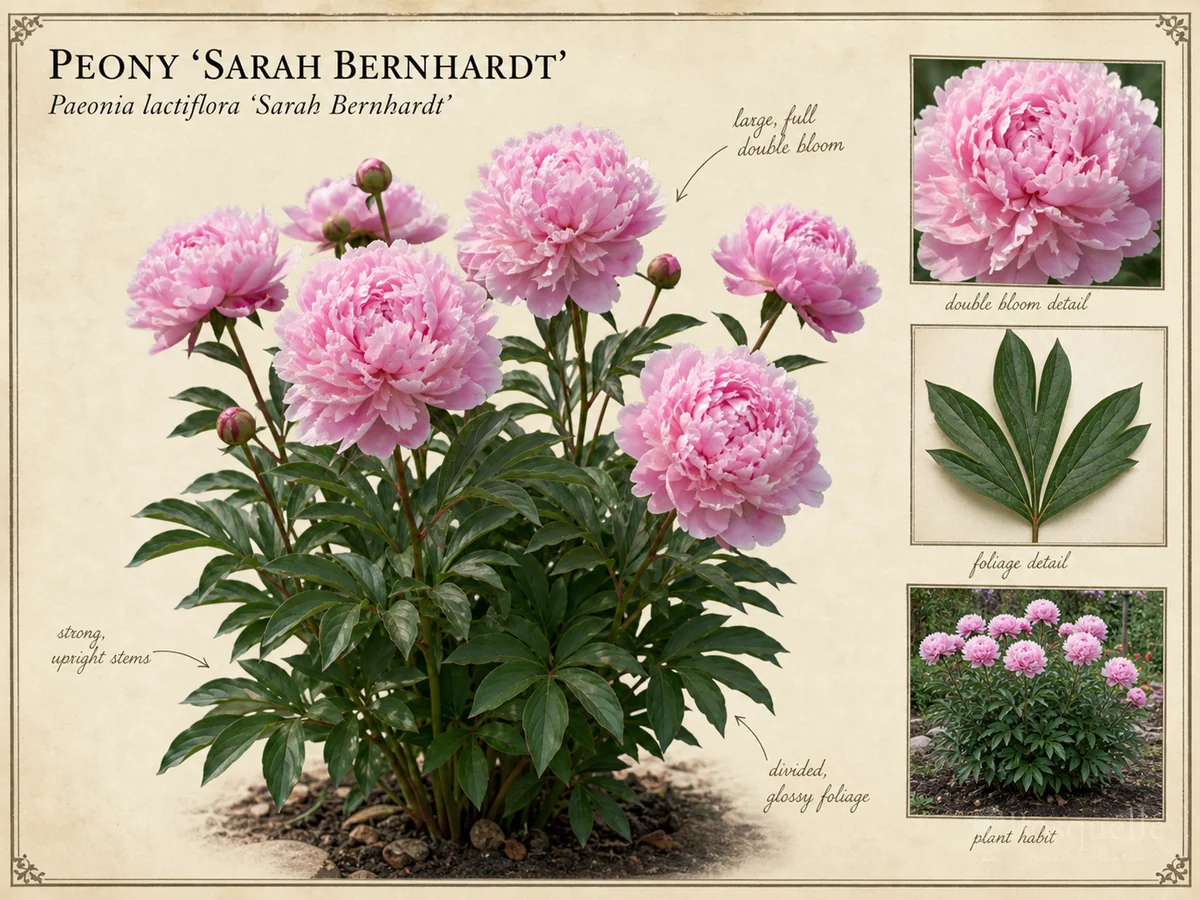
Phytophthora likes poor drainage around peonies. Shoots go water-soaked, then leathery and dark. The whole clump can drop. Do not replant a peony in that hole until the bed drains. Raised ground and less frequent, deeper water beat a summer of bottles. Fail if you add a soaker ring against the stems. Buy a firm clump. Plant high in clay. Water the root zone, not the crown. A peony that sits in a dish after every storm will keep dying in the same hole. Fail if you backfill with the same wet clay and hope a new division shrugs it off.
Why did my peony collapse in wet soil?
Phytophthora likes poor drainage. Water-soaked shoots turn leathery and dark, then the crown goes. Do not replant a peony there until the bed drains.
Hostas wilt after standing water
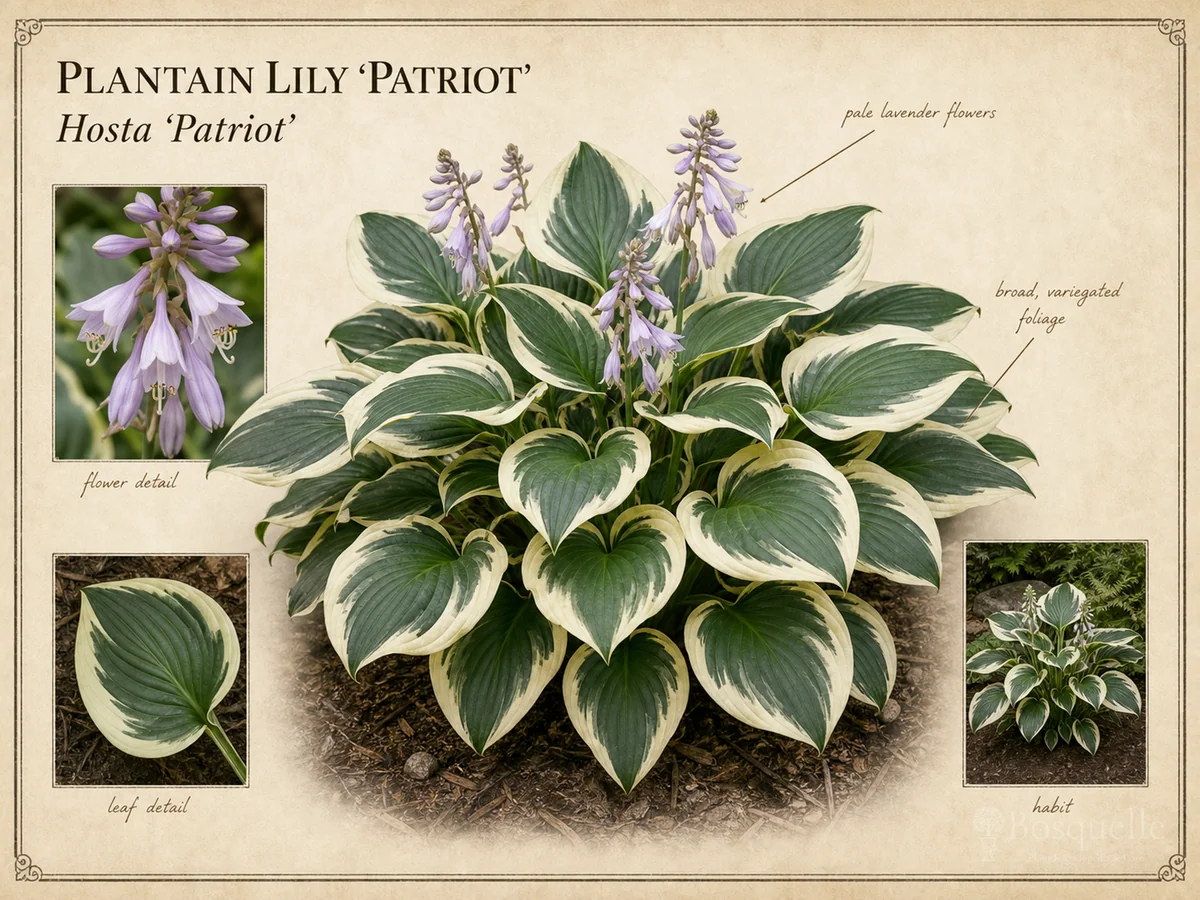
Leaves yellow from the edge inward, then the crown is soft. Dahlias in the same puddle take the same wet collapse. If you find mustard-seed specks, that job is southern blight. The tell is wet soil and no seeds. Fail if you split a rotting hosta into a clean bed.
Do hostas get this?
Yes in standing water. Leaves yellow from the edge, then the crown is soft. If you find mustard seeds, that is southern blight instead.
Raised beds — dry between waterings
Let the top few inches dry. Raised beds help clay. Do not plant the next hosta in last week’s puddle. Corn and many grasses shrug a lot of this. Two to three years of drying a bad hole beats a funeral every June. Fail if the sprinkler still hits the crown every afternoon. After a loss, leave the hole empty or plant a grass that shrugs wet soil while the bed dries. Do not gift a division from that clump to a neighbor. The water mold rides soil on the shovel. Fail if a new dahlia goes in the same low corner the week after a funeral.
Can I replant in that hole?
Not until drainage is fixed. Raised beds help. Corn and ornamental grasses shrug a lot of this. Fail if you drop a new hosta in last week’s puddle.
Do not compost the crown
Bag it. A home heap does not cook this. Do not move that soil on a shovel to a clean border. Wipe tools with 70% alcohol for at least thirty seconds. Fail if you add a rotting dahlia tuber to the compost and call it soil.
Can I compost the crown?
No. Bag it. A home heap does not cook this. Do not move that soil to a clean bed.
Dry the crown — a bottle will not rewind wilt
- Confirm a wet brown crown with no mustard seeds. Seeds are southern blight. Seedlings are damping off.
- Scrape mulch back from the root collar. Stop watering the hole.
- Bag a soft crown and a scoop of wet soil. Do not compost.
- Raise the bed or dry between waterings before you replant.
- Buy a clean clump. Plant at nursery depth. Keep mulch off the stem.
- Skip the bottle. Fail if a drench replaces drainage.
Does copper work on crown rot?
No. This is not a leaf-spot you cover. Dry the crown. Skip the brand aisle.
Related reading
- Southern blight — mustard-seed specks and a white fan in heat.
- Damping off — seedlings pinch at the soil line; bin the tray.
- Bacterial soft rot — mushy harvest after a bruise, not a wet ornamental crown.
- Gray mold or Botrytis — fuzzy gray on peony buds in cool damp air.
- Botryosphaeria canker and dieback — one dry cane after drought, not a wet crown.
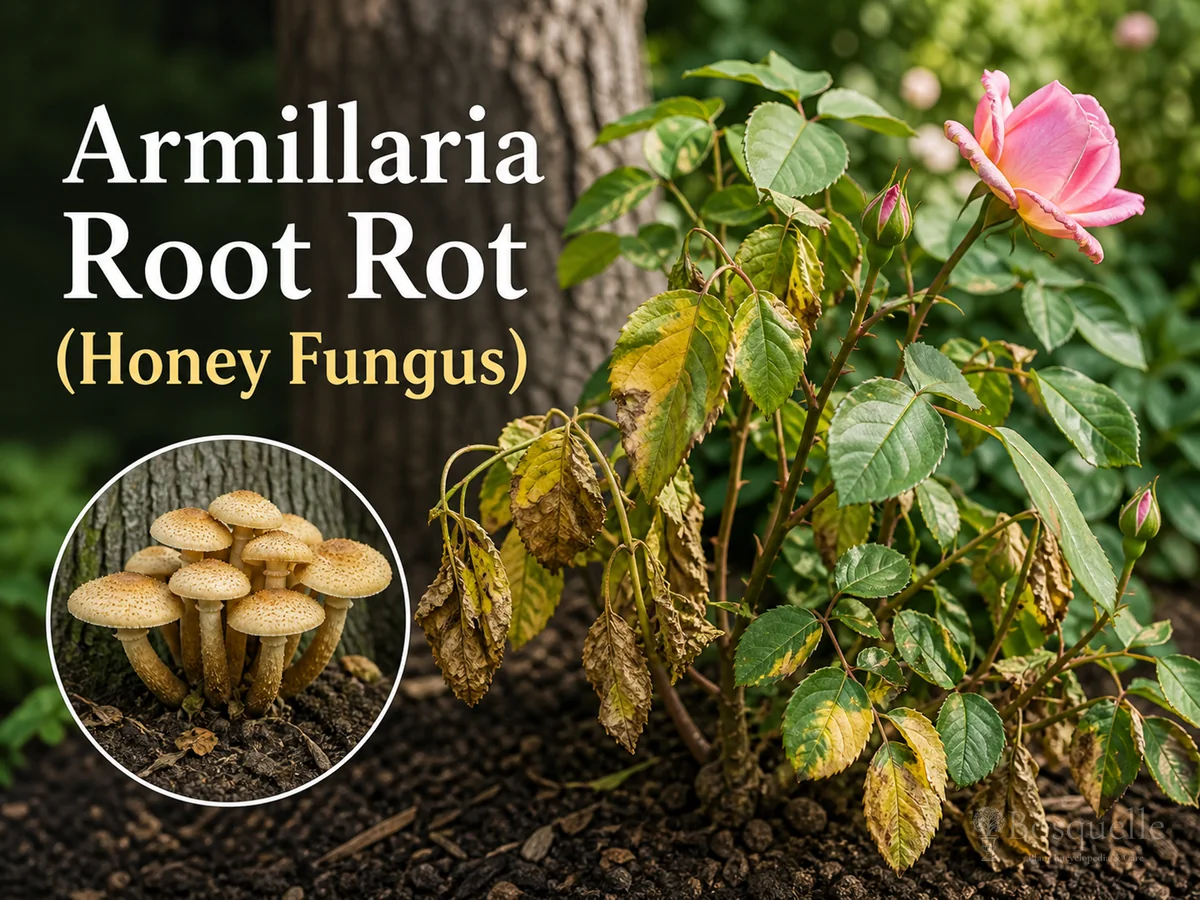
- Armillaria root rot — white fans that smell like mushroom, not a dark wet stain.
FAQ
Is this late blight?
No. Late blight greases tomato and potato in cool rain. This is a wet crown on ornamentals. See late blight if a tomato canopy collapses.
Is hosta petiole rot the same thing?
Often that search is southern blight on hosta — white threads and mustard seeds. Check the soil line. Seeds go to southern blight. A wet brown crown without seeds is crown rot.
Will more water fix the wilt?
No. That wilt is not thirst. Extra water feeds the rot. Let the bed dry. Fail if you water a collapsing crown.
Host plants
A few garden examples linked on this site — open a plant for care context.
Related diseases




Related pests



Updated: Reviewed by Bosquelle Editors