
Mealybugs are slow, oval sap feeders wrapped in white wax. They pack leaf joints, stem crotches, and pot rims, drip sticky honeydew, and feed sooty mold. If you need to tell walking cotton from a scale bump, decide whether to swab or bin, and stop treating a tired plant with a leaf spray when the rootball is the job. Houseplants fail in warm rooms because the wax and the joints keep hatching.
Do this first: smear a cotton tuft. If it goes pink, move that pot off the crowded shelf tonight.
Walking cotton, a still bump, or woolly aphids
| What you see | Likely | Do this first |
|---|---|---|
| White tuft in a leaf axil; smear goes pink or light brown; slow legs | Mealybugs | Stay here — move the pot, then swab |
| Still bump that smears or lifts; no walking cotton | Scale | See scale — scrape, not a Q-tip hunt |
| Woolly white on stems that is not a joint cluster | Woolly aphids | Wrong pest — do not run this protocol |
| White moth-like cloud off the leaf | Whiteflies | See whiteflies |
| Dry crumb that does not smear living pink | Not insects | Do not alcohol-drench mold |
Mealybugs walk. Scale sits. Woolly aphids are a different search. If the tuft does not smear, wait a day and check again before you soak a succulent in alcohol.
Cotton in the joints
Look where the leaf meets the stem, under bracts, in the crown, and along the pot rim. The insect under the fluff is oval and segmented — often pink or gray once the wax wets. Egg sacs are the same cotton, packed with the next hatch. Honeydew below the colony is sticky; ants may farm it. A hand lens helps in tight succulent folds. Do not just scan the leaf face and miss the axils.
Why they return after one wipe
Females lay a hundred to several hundred eggs in a cottony sac. Hatch is often about ten days. Longtailed mealybugs skip the sac and drop live young. Nymphs hide in the next joint before they wax over. One wipe, or one soap pass, hits what you can see. The sac you missed keeps the shelf colonised. Plan three to four weekly rounds. Fail if cotton is gone on Monday and you skip the Friday check.
Quiet feeding, sticky aftermath
Sap loss yellows leaves, stalls tips, and drops foliage when colonies are dense. Honeydew grows a black film — that is sooty mold, not a second pest to panic-spray. Wash the film after insects drop. Citrus mealybugs can distort soft indoor growth. The plant rarely dies outdoors at low numbers; a houseplant with nowhere for wasps to land is the one that collapses.
Fight the plant — or throw it away?
Bin a cheap pot that is white in every joint and no longer pushing leaves. Fight a prize orchid or a plant you can still see as separate tufts — after you move it. Outdoors, wait on a tough shrub if predators are present and growth still comes; ants protecting honeydew are the reason a light colony persists, not a reason to fog the bed. Do not nurse a buried coleus on a shared shelf for months.
Alcohol swab that actually works
For light indoor colonies, dab each tuft with isopropyl at 70% or less on a cotton swab. They often turn light brown when the wax breaks. Test a leaf one to two days first — succulents and thin foliage burn. Repeat every five to seven days for three to four weeks so new nymphs meet the swab. A 10–25% alcohol mist is a last indoor coverage step, not a first reflex. Labelled soap or oil helps younger stages once you wet the joints. Do not fog open blooms at noon or mix kitchen detergent.
Move it off the crowded shelf tonight
Females do not fly. They crawl slowly onto a touching leaf, a shared saucer, or a tool. The day you confirm pink smear, that pot leaves the collection. Check the outside of the pot and the saucer — fluff hides there. Quarantine a new plant two to three weeks and inspect axils before it joins a clean row. Fail if neighbours still touch while you dab.
Tired plant, no fluff on the leaves
If growth stalled and water does not help, unpot. Root mealybugs are not leaf mealybugs that went underground. Look for slow white insects and cotton on the rootball and the inner pot wall. Nymphs may rise like rice grains when you water. Wash roots, discard the old mix, scrub the pot in hot soapy water, or take a cutting and bin the rest. A leaf spray does not finish this. Do not keep a shared tray under drainage holes.
Steps that actually reduce mealybugs
- Smear a tuft so you are not treating mold or scale. Pink or light brown means stay here.
- Move the pot tonight off touching neighbours. Check rims and saucers.
- Dab with isopropyl at 70% or less every five to seven days for three to four weeks. Test a leaf first.
- Rinse joints on sturdy plants every two to three days while fluff remains.
- Unpot a tired plant with a clean canopy. Wash the rootball or take a cutting. Do not just spray leaves.
- Bin the hopeless pot. Outdoors, keep ants off and leave predators. Fail if a buried houseplant still sits on the shared shelf.
Related reading
- Sooty mold — black film on honeydew after sap feeders.
- Scale insects — still bumps, not walking cotton in the joints.
FAQ
How do I get rid of mealybugs naturally?
Move the pot off the crowded shelf, dab each cotton tuft with isopropyl at 70% or less, rinse joints, and repeat every five to seven days for three to four weeks. Outdoors, keep ants off and leave predators. A one-pass spray on wax is theatre.
Why do mealybugs come back after I wipe them?
Egg sacs sit in joints you missed, and nymphs hatch in about ten days. Wax sheds a single soap film. Fail if cotton is still in the axils two to three days later and you stop.
Is the white fluff mold?
Smear it. Living mealybugs go pink or light brown. Dry mold crumbs. Scale is a still bump. Woolly aphids are a different pest — open that ID before you swab the wrong insect.
Are mealybugs the same as scale?
No. Mealybugs walk slowly in cotton. Scale sits under a cover that smears or lifts. Both can drip honeydew, but the first move is different. If the bump does not walk, see scale.
Do mealybugs kill plants?
Rarely a tough outdoor shrub at low numbers. Houseplants, orchids, and seedlings stall, yellow, and can die when joints are buried in fluff. A cheap pot that is white everywhere is often smarter to bin than to nurse.
Should I throw away a houseplant with mealybugs?
Bin it when cotton coats every joint and new growth has stopped. Fight a prize plant if you can still see individual tufts and you will isolate it. Fail if it stays on the shared shelf while you dab.
Does rubbing alcohol kill mealybugs?
A cotton swab with isopropyl at 70% or less kills what it wets and cuts the wax. Test a leaf one to two days first. They turn light brown when it works. Keep it off burn-prone leaves. Repeat — egg sacs wait.
Will they spread to other houseplants?
Yes — slowly, along touching leaves, pot rims, and tools. Females do not fly. Move the infested pot tonight. Check neighbours each time you water.
What if the plant looks tired but I see no fluff?
Unpot. Root mealybugs are a different species. Look for cotton on the rootball and the inner wall of the pot. A leaf spray will not reach them. Wash and repot, take a cutting, or bin a cheap plant.
Are root mealybugs the same as leaf mealybugs?
No. Citrus mealybugs feed above ground. Root feeders live in the mix and rob the roots. Do not wait for leaf cotton. Spread is drainage holes and dirty pots, not a flying cloud.
Where do mealybugs come from?
Almost always a new plant, a dirty pot, or a shared tray. They crawl slowly; they do not blow in as a white cloud. Inspect axils and the rootball before a plant joins the shelf.
Are mealybugs harmful to humans?
They are a plant pest, not a biting insect. Honeydew is sticky, not a medical emergency. Focus on joints and isolation.
Will dish soap kill mealybugs?
Use labelled insecticidal soap. Detergent and degreaser burn leaves. Wax still needs repeats every five to seven days. Do not mix kitchen soap and call the job done.
Do mealybugs fly?
Adult females are wingless and slow. Tiny males have wings but are rarely seen and do not feed. The cotton you see is not a whitefly cloud.
Host plants
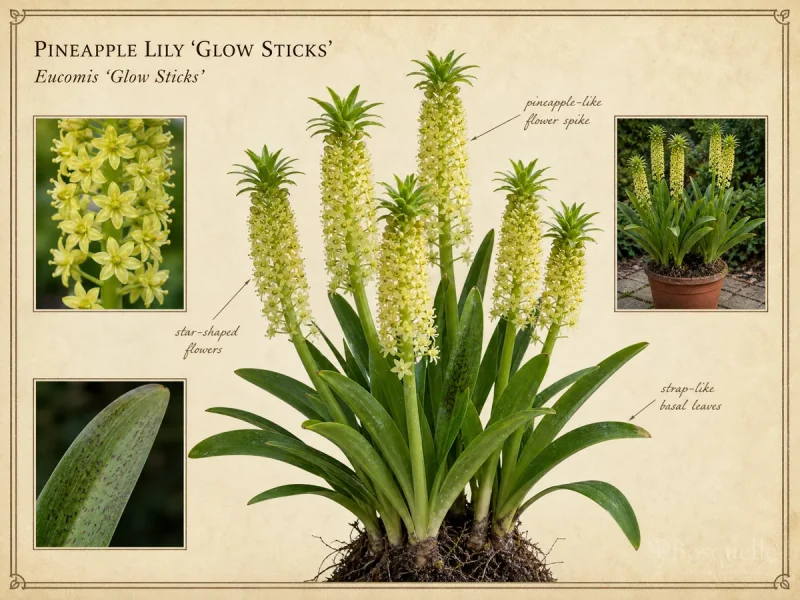
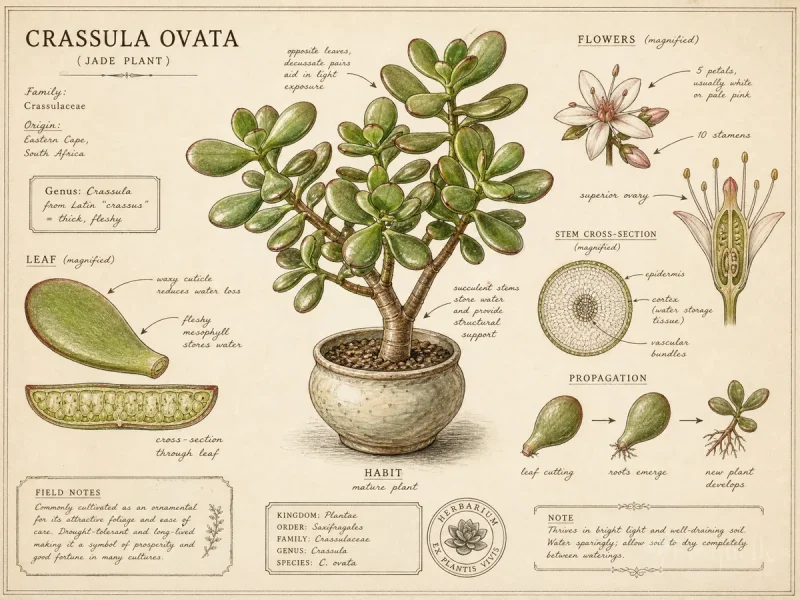
A few garden examples where soft new growth invites early colonies.




Related pests





Related diseases



Updated: Reviewed by Bosquelle Editors