
Choose sumac by group first: a colony tree, a low fragrant shrub, or a western dry shrub.

Choose a colony tree, a low fragrant shrub, or a western dry shrub first
| Factor | Recommended | Avoid |
|---|---|---|
| Colony tree | Staghorn, smooth, winged, or flameleaf for a thicket | Do not plant a colony against a foundation you cannot mow |
| Low shrub | Fragrant or skunkbush if you want a two-to-six-foot ramble | Do not buy fragrant when you wanted a twenty-foot colony |
| Western dry | Sugar or littleleaf for a dry-site shrub | Do not treat African Searsia as a native colony |
| Shop names | Read the Latin; Gro-Low is a dwarf fragrant selection | Do not treat every tag as a different genus |
Know your USDA hardiness zone before you pick a type of rhus that will take your winter. Type your ZIP below.
2023 USDA ZIP listings (PRISM / USDA-ARS). Find Your USDA Hardiness Zone · Official USDA map.
Read the species on the tag. Sumacs share sun and drain; they do not share one outline. [1] [2] [3] [4] Staghorn is the colony tree. Fragrant is the low ramble. Sugar is the western evergreen. Male and female flowers often sit on separate plants, so you need a female if you want the red cones. Once you know the kind, site it on How to Grow Sumac.
Which kind of sumac should I plant?
Start with a colony tree unless you want a low fragrant ramble or a western dry shrub. Read the Latin — African sumac is Searsia.
Is Gro-Low a different species?
No. Gro-Low is a dwarf fragrant sumac selection. Fragrant sumac is the low group here.
Browse by kind
Match the outline you want, then pick that kind. A colony tree and a low fragrant shrub do not share one size. Care for the plant you already have on How to Grow Sumac.
Colony trees
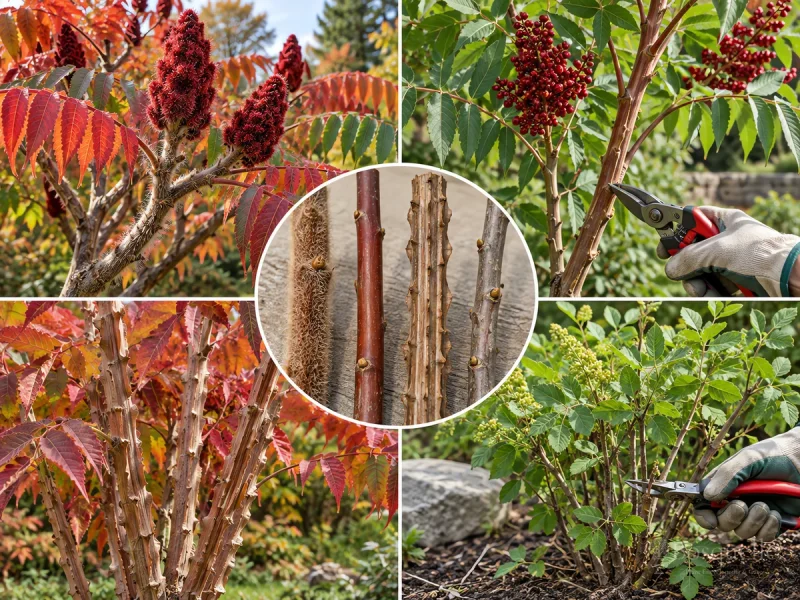
staghorn sumac is the usual colony tree: velvet twigs and upright red cones, often fifteen to twenty-five feet. smooth sumac is the same outline with hairless stems. winged sumac has a leafy wing along the leaf stalk. prairie flameleaf sits in that same tall class. Dissecta and Tiger Eyes are cutleaf staghorn selections, not a different genus. Tiger Eyes is female and stays smaller than the species.
Low fragrant and skunkbush
fragrant sumac stays two to six feet and rambles. It is smaller and less aggressive than a colony tree. skunkbush is the western low shrub in the same class.
Western dry shrubs
sugar sumac is an evergreen western shrub. littleleaf sumac is a desert kind. African sumac is Searsia lancea, an evergreen street tree — not a native Rhus colony.
Read the Latin on the tag — a colony tree and a low fragrant shrub do not share one outline.
FAQ
Is African sumac the same plant?
No. African sumac is Searsia lancea, an evergreen street tree. It is not a native Rhus colony.
Is Tiger Eyes a fragrant sumac?
No. Tiger Eyes is a golden cutleaf staghorn. It sits in the colony-tree group.
Related guides




References
- [1] Virginia Cooperative Extension -
https://www.pubs.ext.vt.edu/content/dam/pubs_ext_vt_edu/3010/3010-1486/3010-1486.pdf - [2] NC State Extension Gardener -
https://plants.ces.ncsu.edu/plants/rhus-aromatica/ - [3] NC State Extension Gardener -
https://plants.ces.ncsu.edu/plants/rhus-copallinum/ - [4] Missouri Department of Conservation -
https://mdc.mo.gov/discover-nature/field-guide/sumacs
This note is part of Rhus Guides.
More type comparisons by plant are gathered in Types of Plants Guides.
Updated: Reviewed by Bosquelle Editors