
Camellias need little routine pruning. The main tasks are light shaping after flowering, removing crossing or dead wood, and occasionally hard-renovating an overgrown plant. The key timing rule: prune after flowers are over, not in autumn when next year's buds are forming.
Tools and timing overview
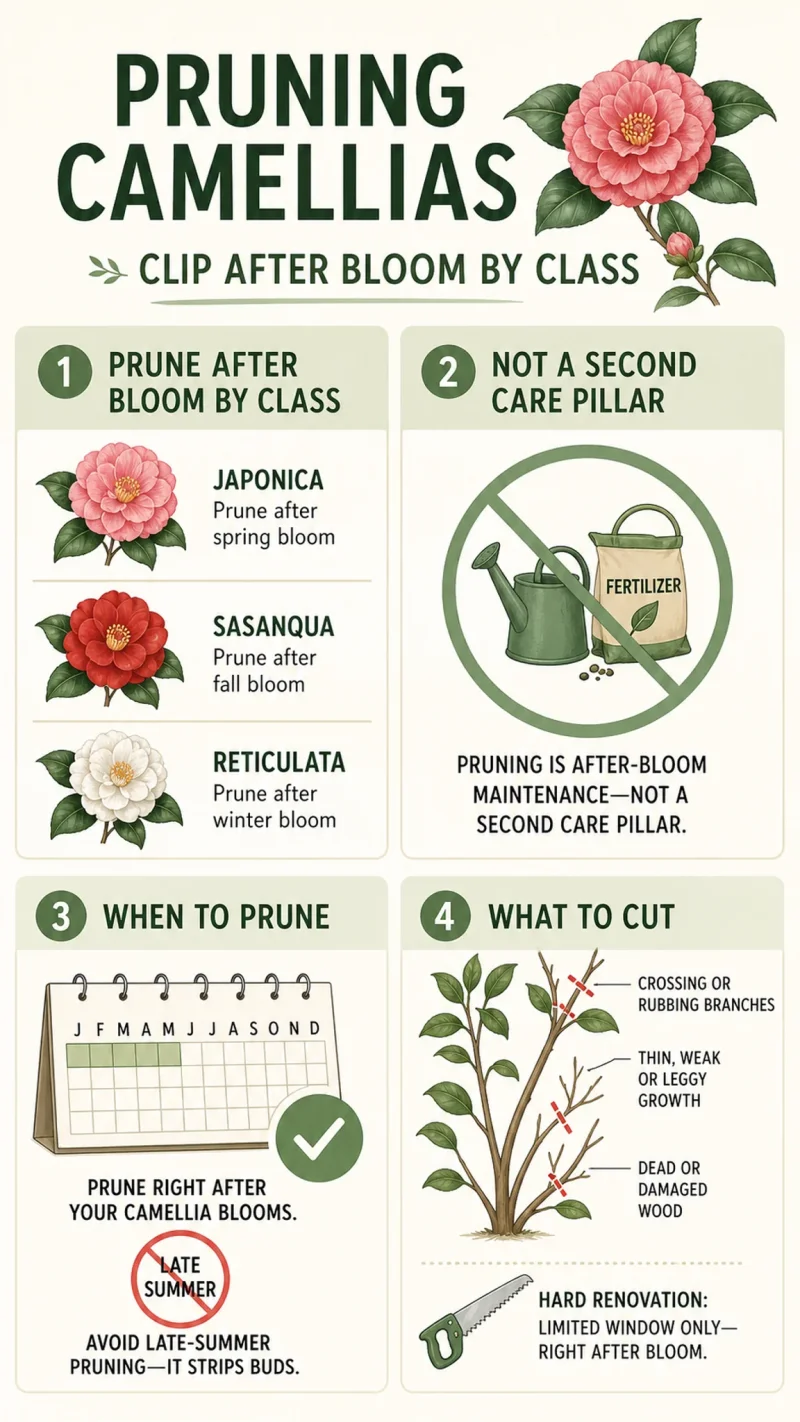
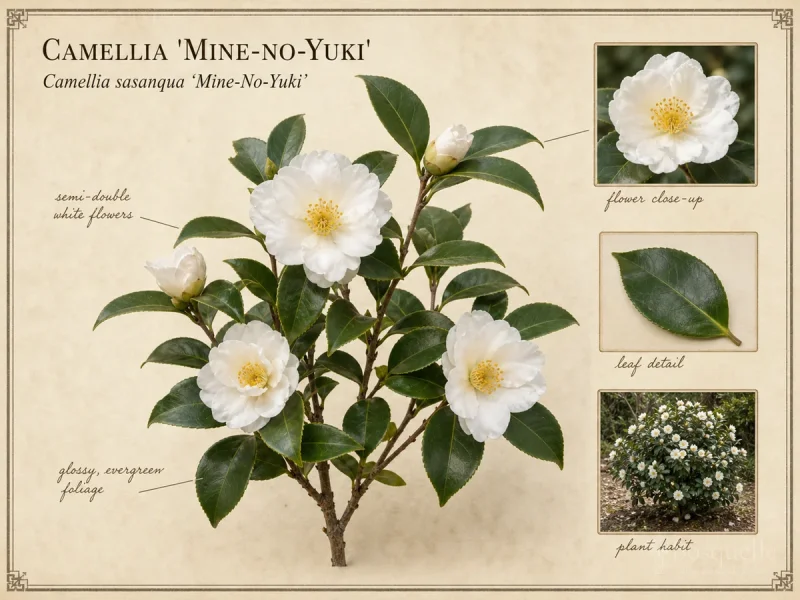
Use sharp bypass secateurs for light wood and spent flower stems, loppers for thicker stems, and clean tools between plants. Timing follows class — not a single “hard cut in late winter for everything” calendar. Japonicas often flush right after bloom; sasanquas may flush later — time heavier cuts to new growth, not one shared date. Finish before midsummer bud set (roughly June). Confirm type on Types of Camellias before you cut hard. Prefer selective thinning over blanket shear.
| Class | Main prune window | Severity |
|---|---|---|
| Japonica | After spring / winter–spring bloom (flush soon after) | Light reshape; remove dead wood |
| Sasanqua / fall-blooming | After fall / early-winter bloom (flush may come later) | Light tip prune; avoid bare old wood |
| Williamsii | After bloom | Light tidy; thin crossing stems |
| Vernalis | After winter flush | Light only; confirm profile |
Japonica pruning — after spring bloom
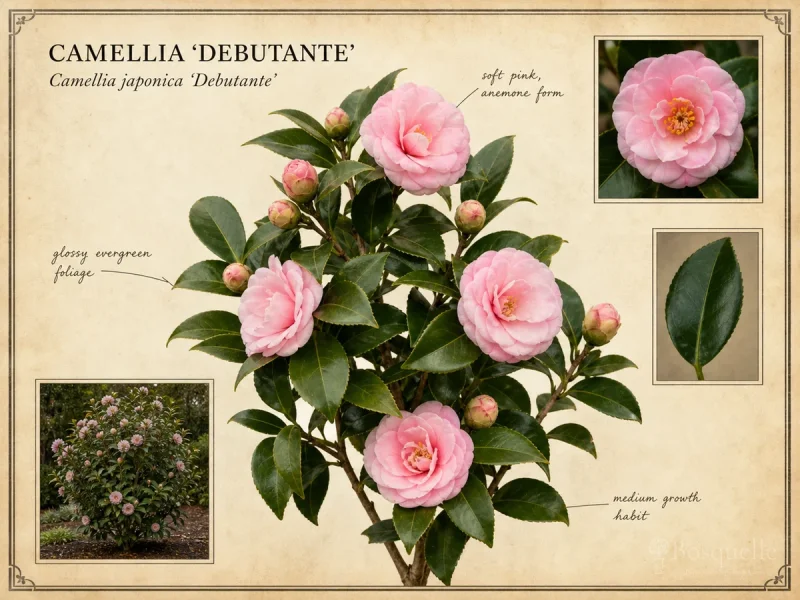
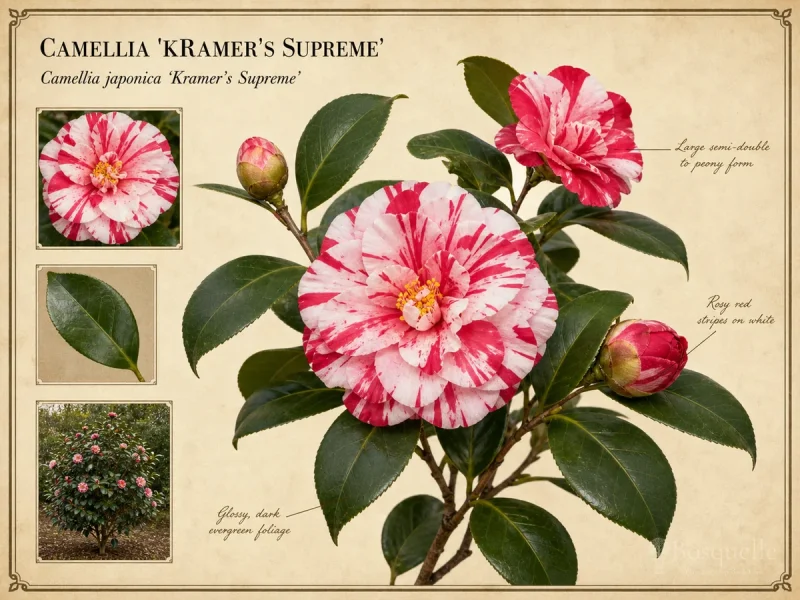
Japonicas such as Debutante and Kramer's Supreme set next season’s flower buds soon after the main flush. Prune lightly once flowers fade — shorten wayward stems and remove dead wood. Do not hard-cut in late summer or early autumn or you remove the coming display.
Sasanqua pruning — after fall bloom
Sasanquas such as Setsugekka and Kanjiro flower in autumn or early winter. Prune soon after that flush to keep a dense framework — if winter is too cold to cut, wait for the spring growth window rather than forcing a japonica calendar. A midsummer hard cut risks next autumn’s show.
Williamsii pruning — after bloom
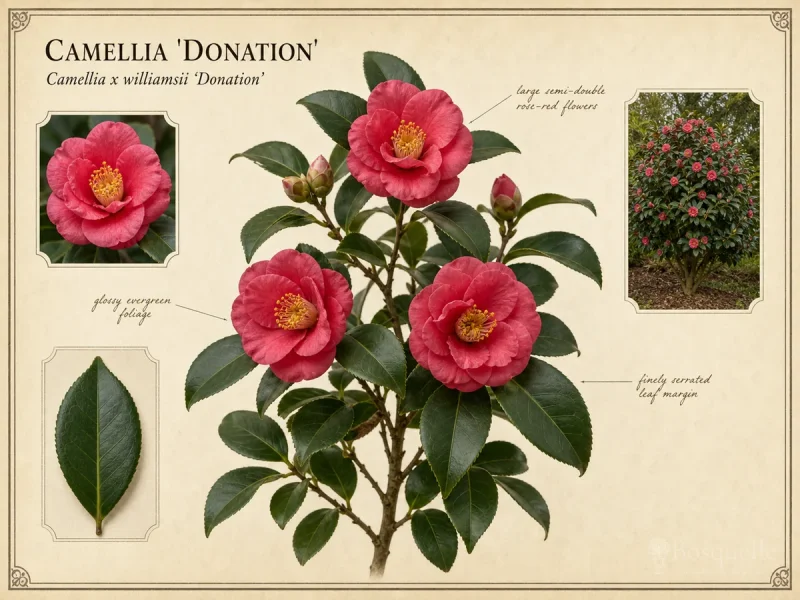
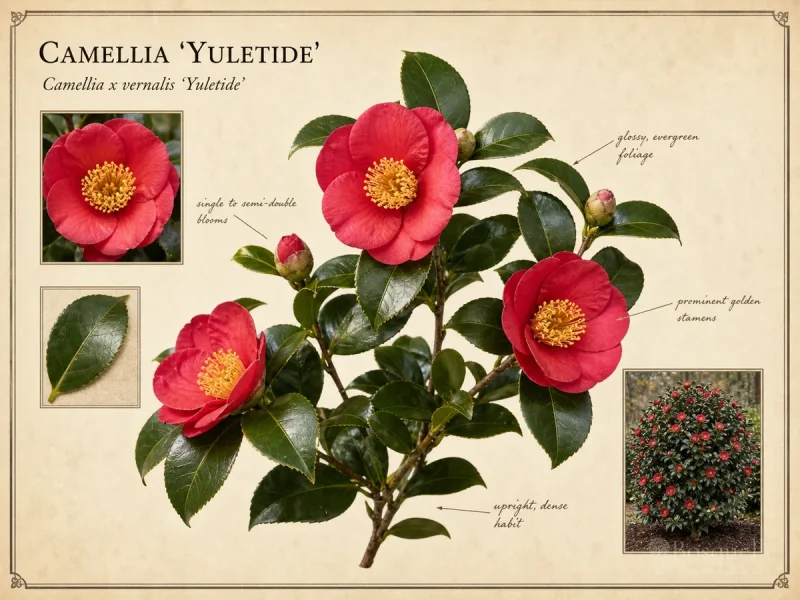
Williamsii hybrids such as Donation and Anticipation follow an after-bloom light tidy — thin crossing stems and shorten over-long shoots. Treat vernalis bridges such as Yuletide the same way after their winter flush unless the profile says otherwise.
Old wood — avoid late hard cuts
Camellias often regenerate slowly from bare old wood. Prefer multi-year thinning after bloom rather than one hard renovation cut to the stump. Severe renovation belongs only in a limited post-bloom window (often roughly Valentine through early May — expect a long recovery, not a zone calendar), not late summer/fall when next buds are set. Dead wood can come off anytime. Shared growing rules remain on How to Grow Camellias.
Identify class first, cut on the matching calendar, leave green wood on old stems, and keep shared growing rules on the care pillar.
FAQ
When should I prune camellias?
After that class’s flush — japonica after winter/spring bloom, sasanqua after autumn/early-winter bloom. Finish before midsummer bud set (roughly June). Dead wood anytime.
Can I shear camellias into a hedge ball?
Avoid blanket shear — it builds a dense outer shell that blocks interior light and can strip buds. Prefer selective limb thinning after bloom.
Can I hard-prune all camellias in late winter?
No. Most japonicas and sasanquas need after-bloom timing. Hard dormant cuts risk next season’s flowers and slow recovery from bare wood.
When do I prune a sasanqua?
Soon after the fall or early-winter flush — not on a spring japonica calendar. If winter is too cold to cut, wait for spring growth rather than stripping buds midsummer.
Where is full camellia care?
On How to Grow Camellias — this guide only covers prune timing by class.
Related guides



Recommended plants



This note is part of Camellia Guides.
More pruning timing notes by plant live in Pruning Guides.
Updated: Reviewed by Bosquelle Editors