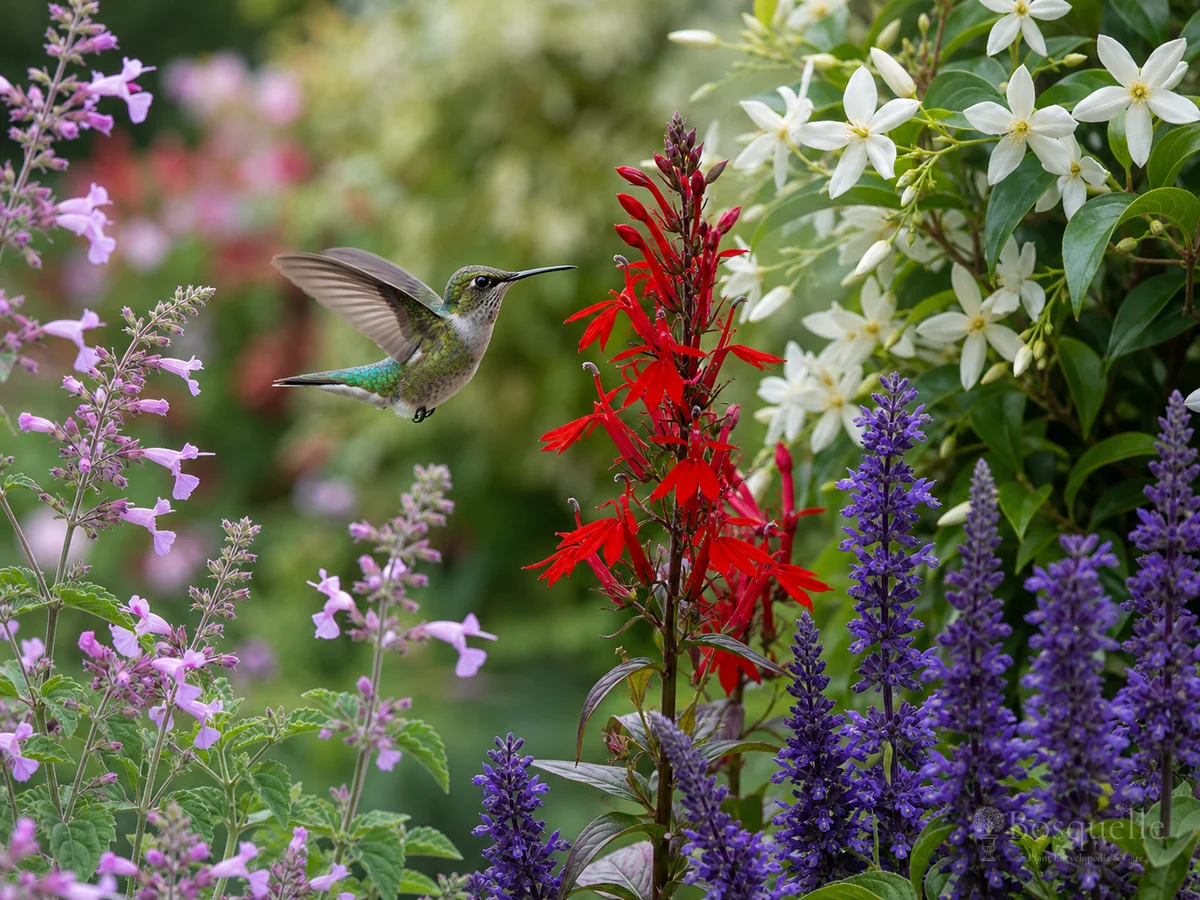
Plants for hummingbirds are nectar plants first — not a sugar-water manual. This guide is the design method: tubular and nectar-rich forms, bloom succession, cover near flight lines, then catalog plants actually flagged as attracting hummingbirds.
What “plants for hummingbirds” means here
On Bosquelle, inclusion starts with the catalog Hummingbirds attracts flag — we do not invent nectar scores. This page owns the planting method. Genus care stays on guides such as How to Grow Sage, How to Grow Clematis, and How to Grow Coral Bells.
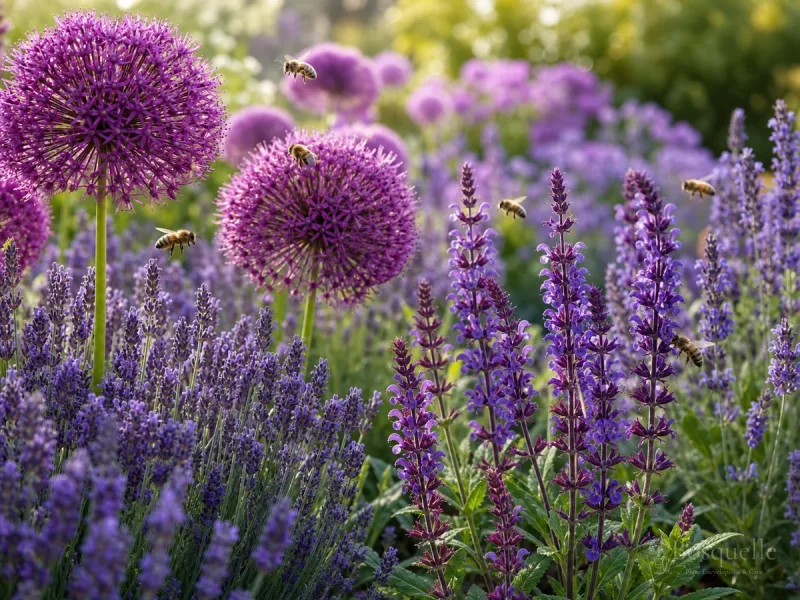
Bees and butterflies overlap on some plants but need different design emphasis — see Plants for Bees and Plants for Butterflies. Birds that eat seed and berries are a separate job — Plants for Birds.
Design method for hummingbird nectar beds
- Flower shape: favour tubular or nectar-rich blooms hummingbirds can use efficiently — colour helps, shape matters more than painting everything red.
- Succession: stagger early, mid, and late nectar so the menu does not vanish after one flush.
- Flight lines + cover: place forage near shrubs, climbers, or structures that offer perches and shelter.
- Plants first: feeders are optional; dirty sugar water is not a kindness — keep the living menu honest.
- Pesticide caution: skip broad sprays on flowering nectar plants.
Shortlists by role
Every plant below is catalog-flagged for hummingbirds.
Tubular / spike forage
- Fragrant Sage — aromatic sage nectar in open sun (How to Grow Sage).
- May Night and Caradonna — salvia spikes hummingbirds work hard.
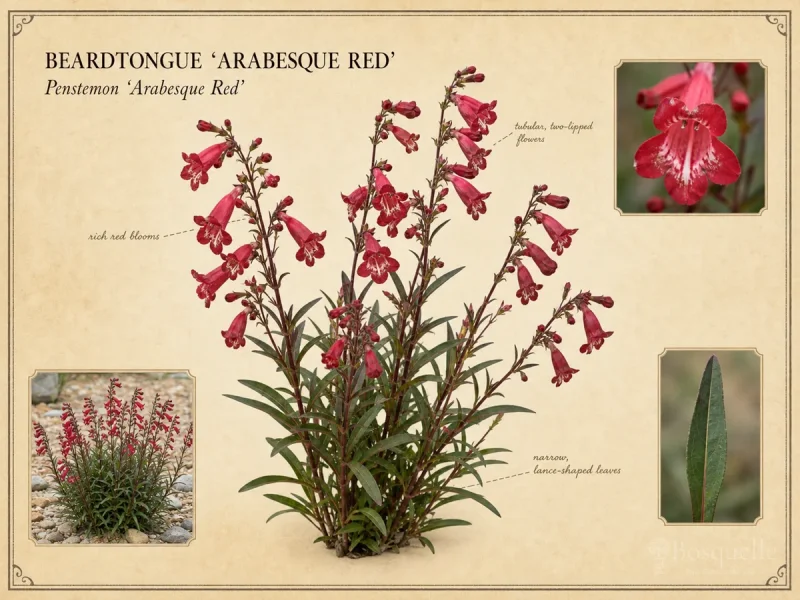
- Arabesque Red — tubular penstemon for a red nectar cue.
- Blue Fortune — agastache for long summer nectar.
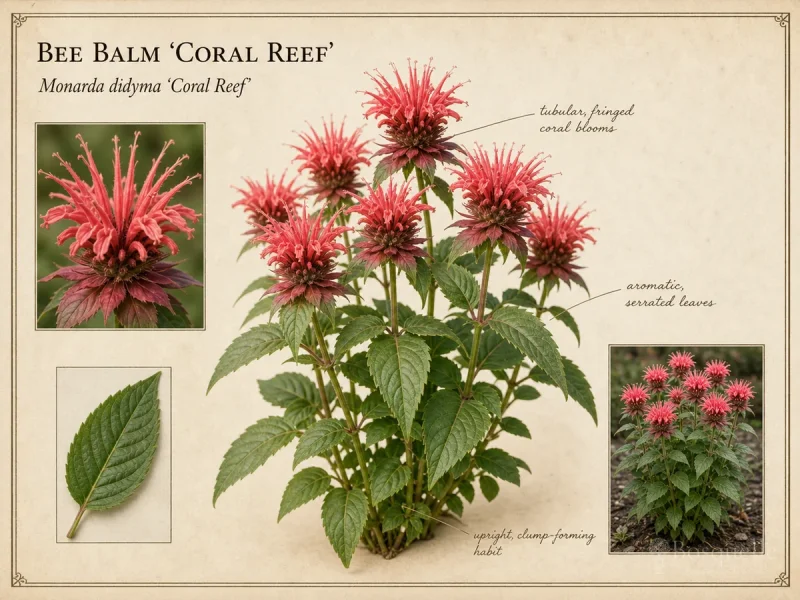
- Coral Reef — bee balm nectar magnet in moist-leaning sun.
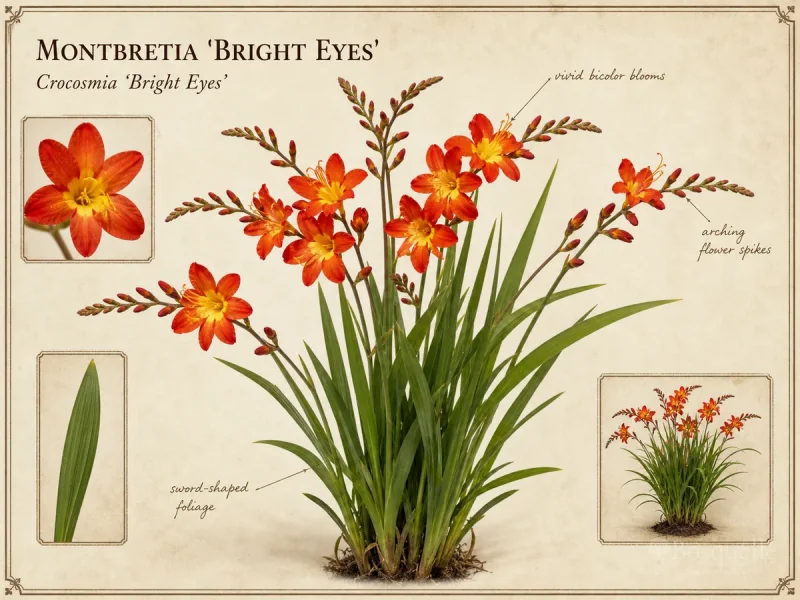
- Bright Eyes — crocosmia tubes in midsummer heat.
Moist spires and vertical nectar
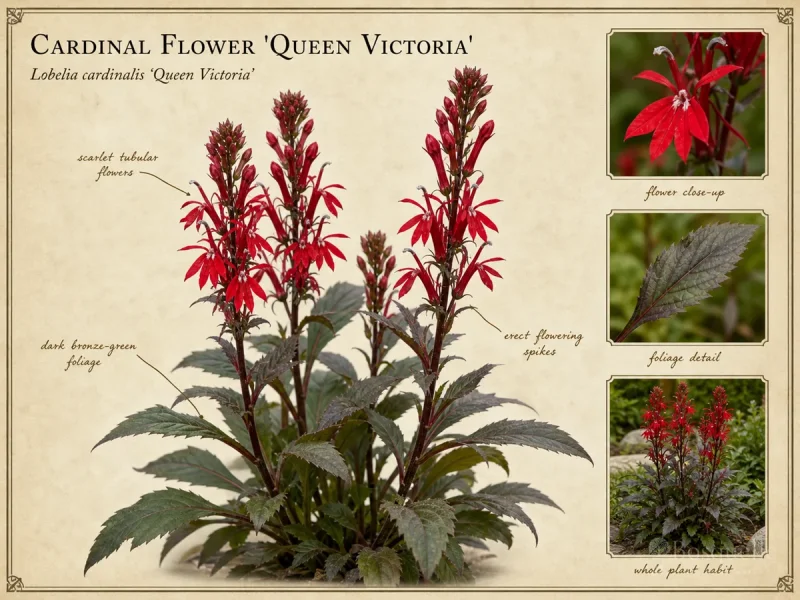
- Queen Victoria — cardinal flower height where soil stays honestly moist.
- Armand Clematis — evergreen clematis nectar along a wall or trellis (How to Grow Clematis).
- Tall Verbena — tall stations on flight lines.
Edge cover + open stations
- Amber Waves — heuchera bells at the cover edge (How to Grow Coral Bells).
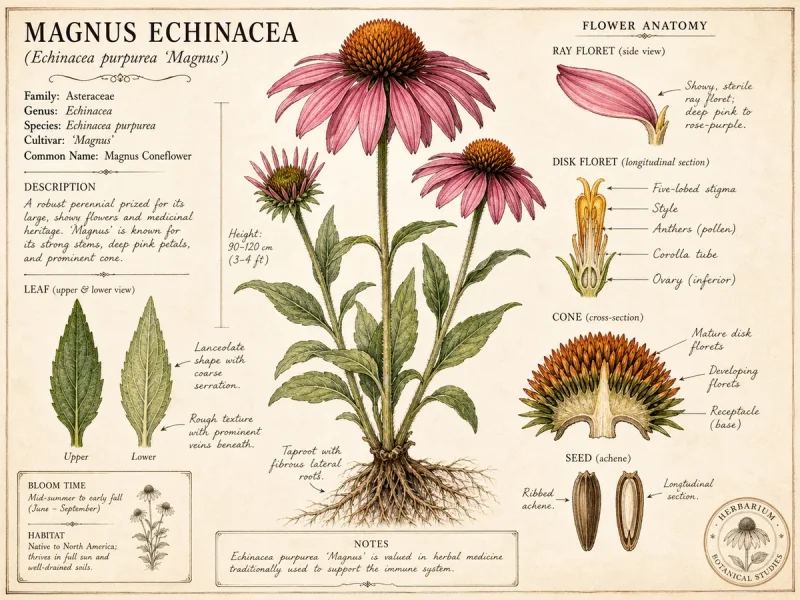
- Magnus — open daisy nectar between tubular plantings.
Honest misses
- Red foliage with no usable nectar flowers.
- One flush of bloom and an empty midsummer gap.
- Relying on dirty feeders instead of a plant succession.
- Merging bees, butterflies, hummingbirds, and seed-eating birds into one list.
Browse every hummingbird-tagged plant on plants that attract hummingbirds (hub). Keep this page for method and curated roles.
Build a tubular nectar sequence with cover, pick Hummingbirds-flagged plants by role, and use the attracts hub for the full browse.
FAQ
Do I need a feeder?
No. Plants are the primary menu. If you use a feeder, keep it clean — dirty sugar water harms more than it helps.
Is red required?
Helpful cue, not a rule. Tubular nectar-rich flowers in other colours still work when bloom timing and cover are right.
How is this different from plants for bees?
Overlapping beds, different flower forms. Hummingbirds favour tubular nectar and flight-line cover; bees need accessible open forage across seasons.
Is this the attracts hub?
No. The hub browses tagged plants. This guide teaches succession and role shortlists with reasons.
Related guides


Recommended plants






Other site-limit shortlists are gathered in Garden Condition Guides.
Updated: Reviewed by Bosquelle Editors