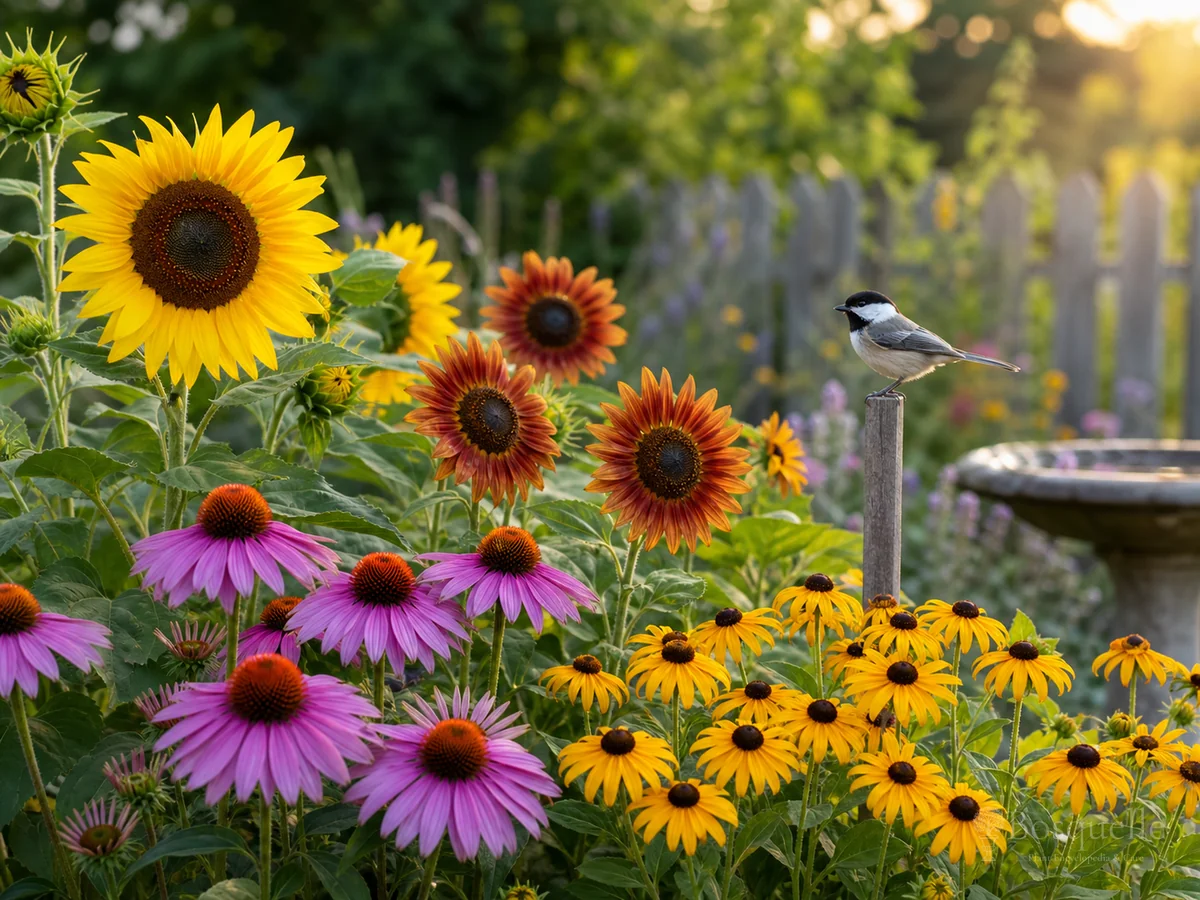
Plants for birds are food, cover, and seasonal structure — not only summer flowers. This guide is the design method: seed and berry forage, layered shelter, leave seedheads where you can, then catalog plants actually flagged as attracting birds.
What “plants for birds” means here
On Bosquelle, inclusion starts with the catalog Birds attracts flag — we do not invent wildlife scores. This page owns the planting method. Genus care stays on guides such as How to Grow Coneflowers and How to Grow Sedum.
Pollinator nectar pages are siblings, not substitutes — Plants for Bees, Plants for Butterflies, and Plants for Hummingbirds focus on flower visitors. This URL owns seed, berry, and cover thinking.
Design method for bird-supporting beds
- Food across seasons: seed-bearing perennials in summer–autumn, berries and woody food into winter — one June border is a snack, not a habitat.
- Leave the heads: coneflowers, rudbeckias, and late sedums feed finches when you resist cutting everything tidy.
- Layered cover: low planting plus shrubs or small trees so birds can feed without feeling exposed.
- Insects matter: soft bloom that supports insects also feeds nestlings — skip routine insecticides that erase prey.
- Water if you can: food without water is half a habitat (keep this note short — not a pond guide).
Shortlists by role
Every plant below is catalog-flagged for birds.
Seed-rich summer forage
- Arikara and Autumn Beauty — sunflowers for classic seed forage in open sun.
- Profusion — annual seed in sunny cutting-style beds.
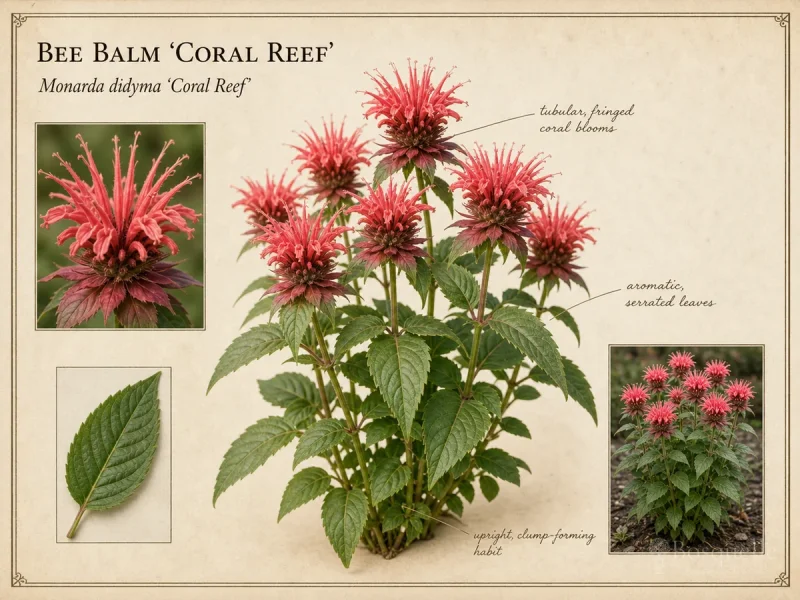
- Coral Reef and Caradonna — summer bloom that also supports insect prey.
Leave the seedheads
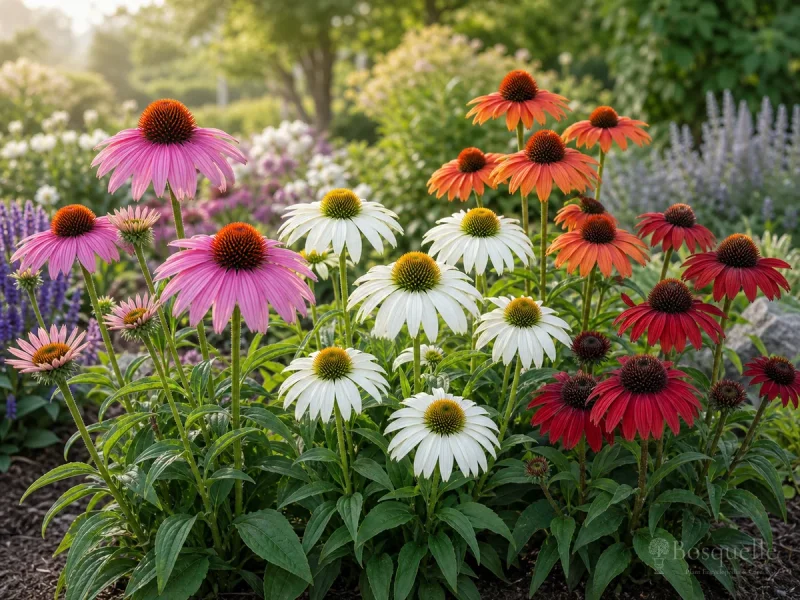
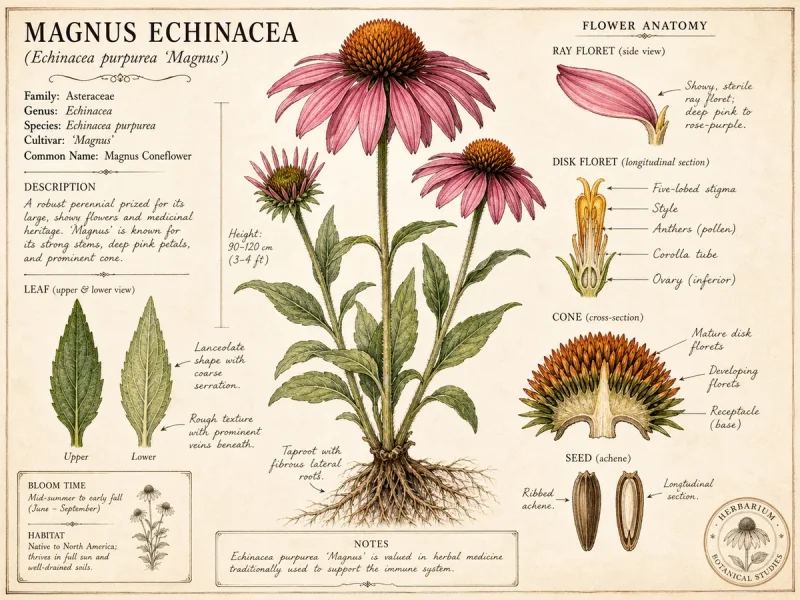
- Magnus — purple coneflower heads for finches (How to Grow Coneflowers).
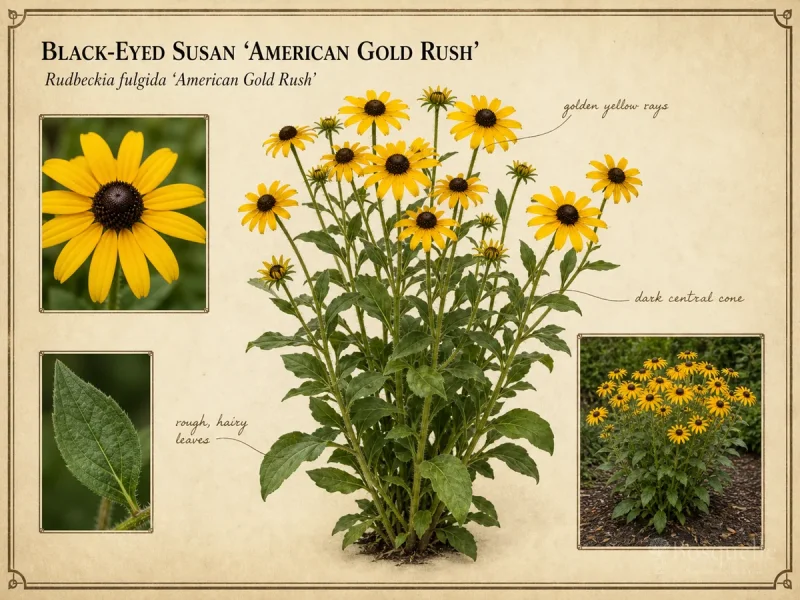
- American Gold Rush — black-eyed Susan seed mass.
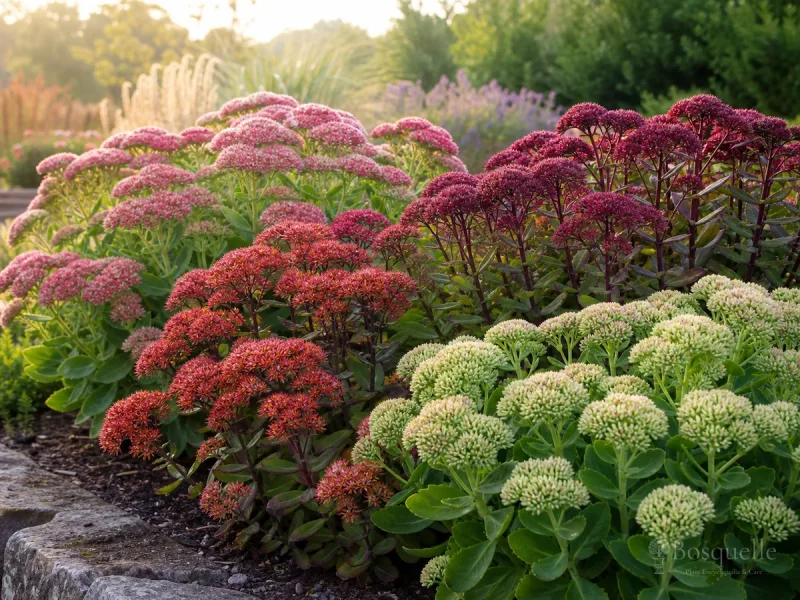
- Neon — late sedum structure into autumn (How to Grow Sedum).
- Grunder — late aster seed when borders thin.
Woody food and cover
- Argenteo-marginata — tatarian dogwood cover and seasonal structure.
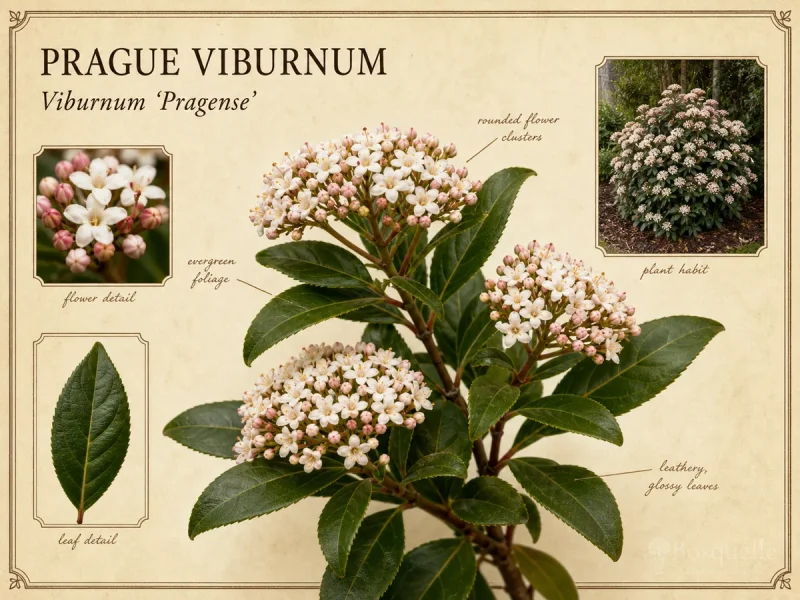
- Pragense — evergreen-leaning viburnum food and shelter.
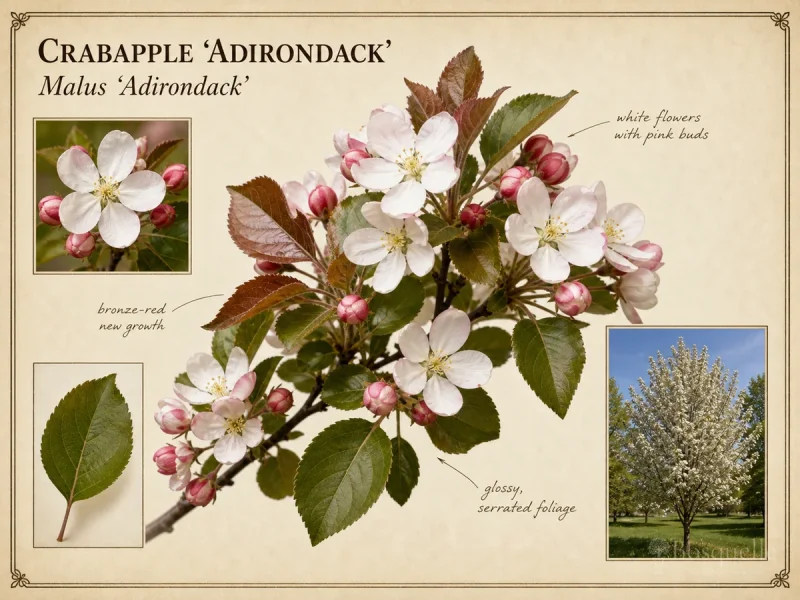
- Adirondack — crabapple fruit and perch structure at garden scale.
Honest misses
- Flower-only beds cut tidy every week — no seed, thin cover.
- Treating a nectar pollinator page as a finished bird garden.
- Blanket insecticides that erase the insect prey nestlings need.
- One shrub celebrity with no seed or berry succession.
Browse every bird-tagged plant on plants that attract birds (hub). Keep this page for method and curated roles.
Plan seed, berry, and cover across seasons, pick Birds-flagged plants by role, and use the attracts hub for the full browse.
FAQ
Do flowers alone attract birds?
Bloom helps via insects and nectar visitors, but seed, berries, and cover finish the job — especially after flowers fade.
Should I cut seedheads for neatness?
Leave some. Finches and other seed-eaters use standing heads; tidy selectively, not to bare stubs everywhere.
Is this the same as plants for bees?
No. Bees need accessible forage blooms. Birds need food and cover across seasons — overlapping plants, different design rules.
Is this the attracts hub?
No. The hub browses tagged plants. This guide teaches year-round roles and shortlists with reasons.
Related guides

Recommended plants







Other site-limit shortlists are gathered in Garden Condition Guides.
Updated: Reviewed by Bosquelle Editors