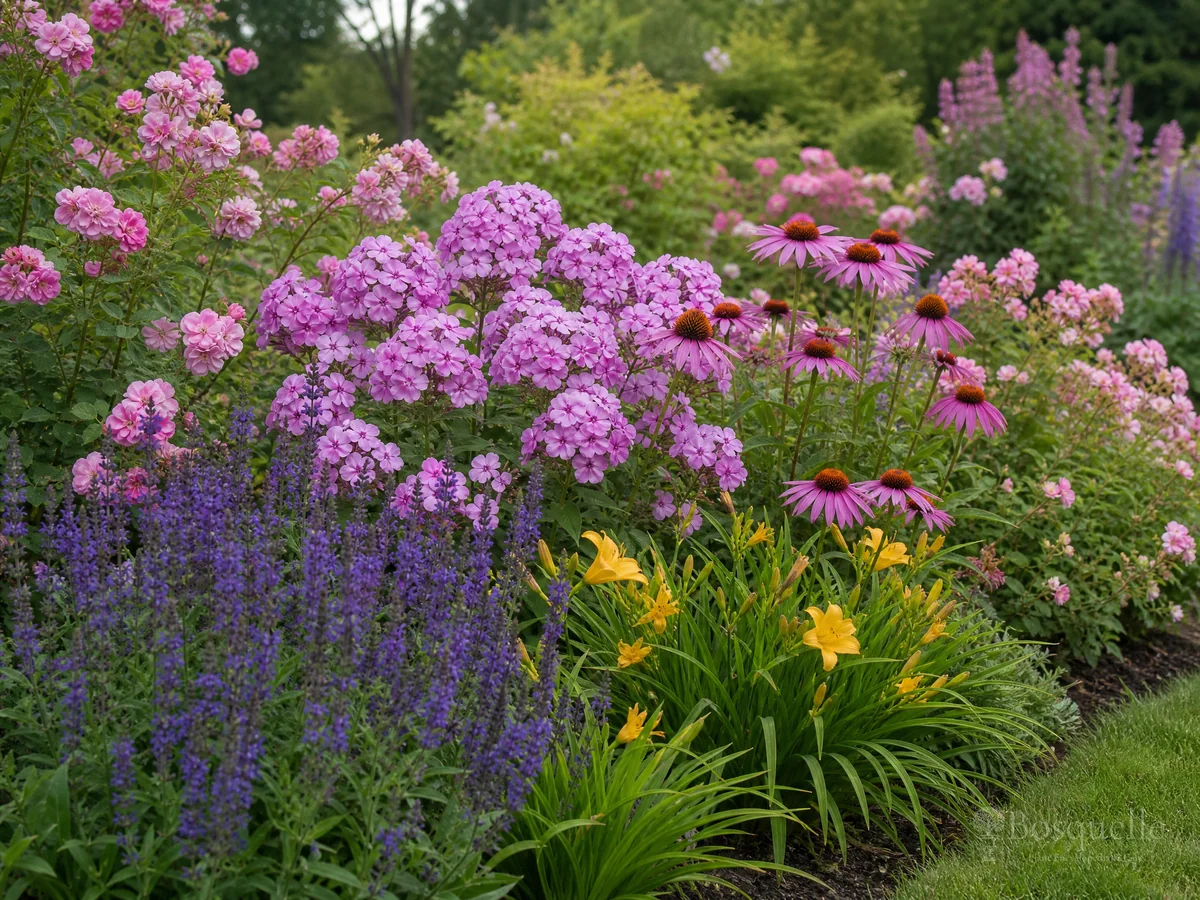
Plant partners that match the phlox class. Tall 'David' wants sunny air and summer daisies. Moss 'Candy Stripe' wants a dry rock edge. Woodland types want a cool, moist skirt. Do not mix those three waterings in one tray. Site rules stay on How to Grow Phlox.

What to plant with phlox
| Factor | Recommended | Avoid |
|---|---|---|
| Tall garden bed | Coneflower, salvia, daylily, catmint, hardy geranium — leave an air collar | A dense hedge on the clump; shade-wet hosta |
| Moss mat | Other sun, grit plants; a rock or edge | Rich, wet border perennials on the cushion |
| Woodland edge | Spring shade partners that share cooler moisture | A baked subulata bank |
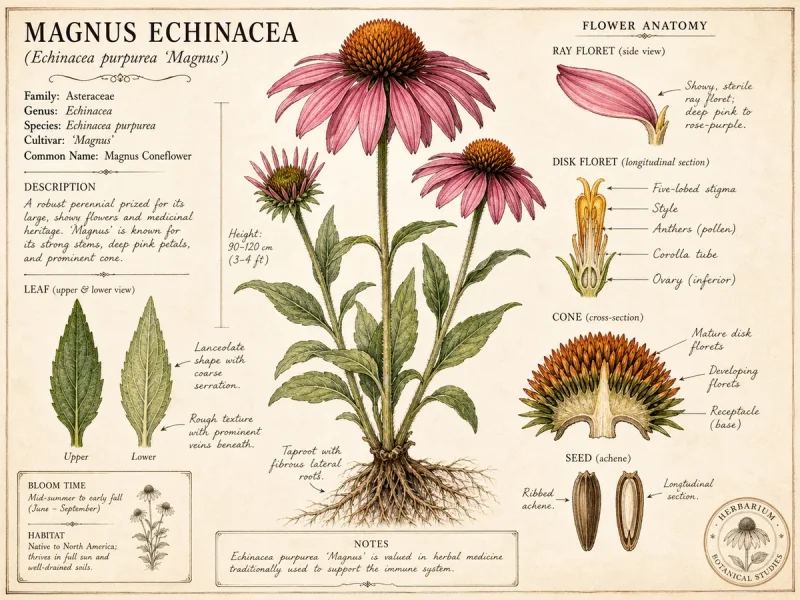
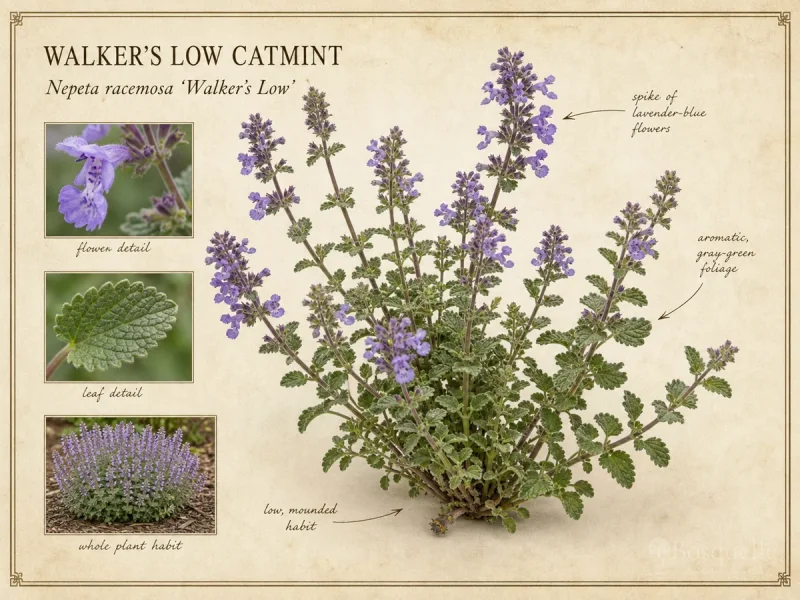
Minnesota Extension: do not jam tall phlox next to walls. Iowa State: match the species to the site first. Coneflower, salvia, and daylily share a sunny, drained summer bed with paniculata if you leave space to thin stems. Catmint and hardy geranium soften the front without sitting on the crown.
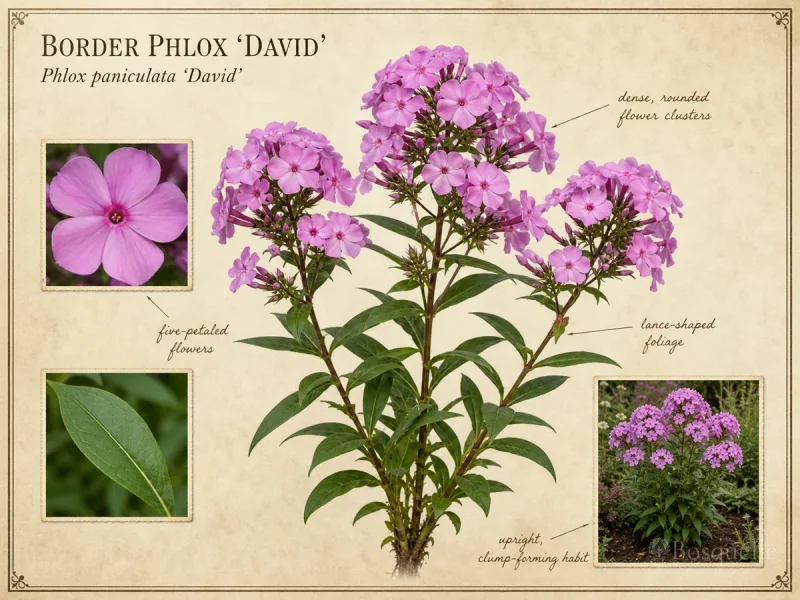
- Sunny border: 'David' with coneflower, salvia, and daylily. Offset catmint and hardy geranium so air still moves.
- Optional rose: rose only with a clear collar — do not bury the phlox in still, humid foliage.
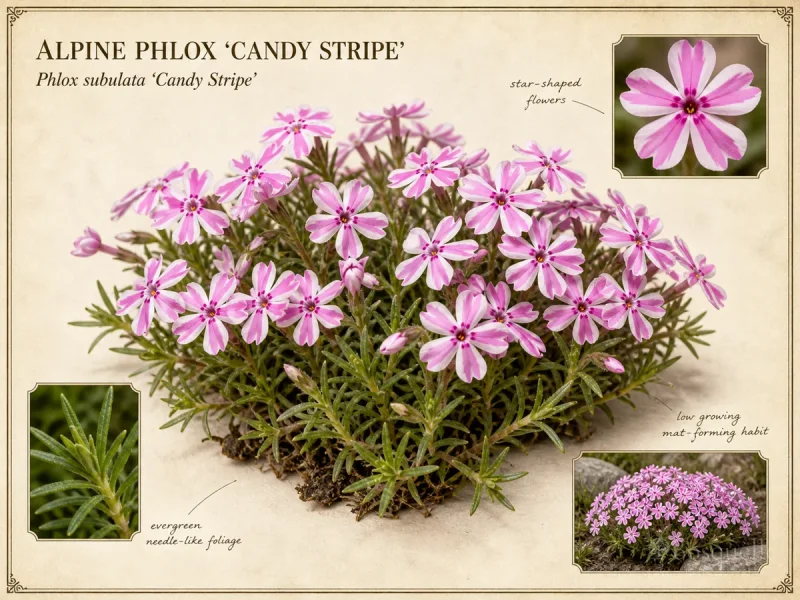
- Moss bank: 'Candy Stripe' with other grit-and-sun mats. Do not water it like paniculata.
- Woodland: 'May Breeze' with cooler, part-shade partners. Not a hot rock mix.
Sunny border, moss bank, and woodland edge
The useful pairing is cultural. Tall phlox needs the same sun and air as coneflower. Moss phlox needs the same grit as a thyme or sedum edge. Woodland phlox needs the same cool moisture as a spring shade edge. Copy the class, not a pretty photo of mixed phlox.
- Leave a hand’s width around paniculata so you can thin stems and deadhead.
- Do not plant a giant daylily on the moss cushion.
- If mildew shows in year two, the neighbors sat too close — move them in spring, still in sun.
- Class scaling lives on Types of Phlox.
Combinations that fail
- Hosta or fern with tall garden phlox — they want shade moisture the spike cannot share without mildew.
- Moss phlox in a rich, wet mixed border — the mat rots.
- Woodland phlox on a hot, dry bank — it scorches.
- A dense hedge on the paniculata clump — no air, more mildew.
- One watering for all three classes — pick one site and one phlox.
If mildew takes the clump, fix sun and spacing on How to Grow Phlox before you add more plants. Divide on Dividing Phlox.
FAQ
What grows well with garden phlox?
Sunny, airy partners: coneflower, salvia, daylily, catmint, and hardy geranium, with space to thin stems.
Can I plant roses with phlox?
Yes if you leave a collar. Do not bury the clump in still foliage.
What goes with moss phlox?
Other sun-and-grit plants. Not a wet hosta bed.
What goes with woodland phlox?
Part-shade spring partners that share cooler moisture.
Should companions get the same water?
Match the phlox class. Tall types want even moisture at the soil. Moss types want a drier crown.
What should I not plant with phlox?
Shade-wet plants with tall garden phlox, and rich wet soil on a moss mat.
Will catmint crowd it?
Not if you leave an air collar for thinning and deadheading.
Do I plant companions in spring?
Yes, in the matching site. Divide crowded paniculata on Dividing Phlox.
Related guides
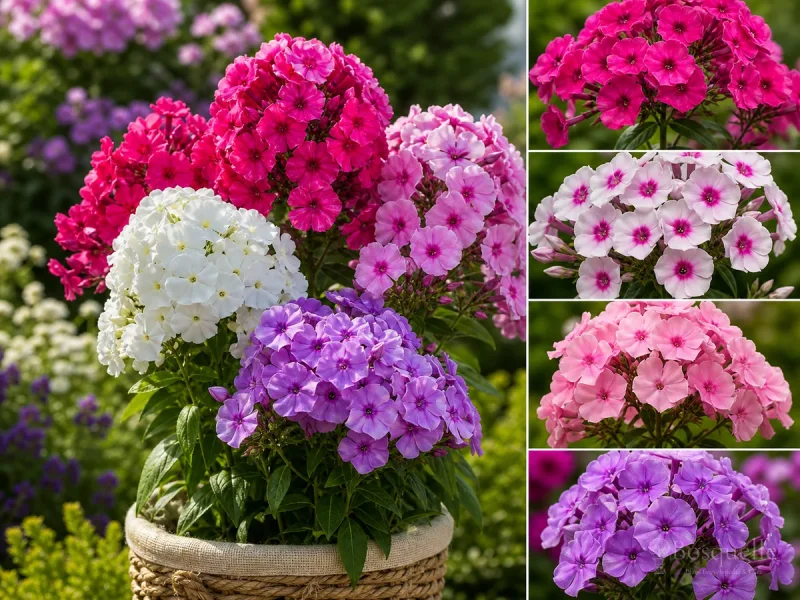
Recommended plants





This note is part of Phlox Guides.
More neighbour shortlists by plant live in Companion Plant Guides.
Updated: Reviewed by Bosquelle Editors