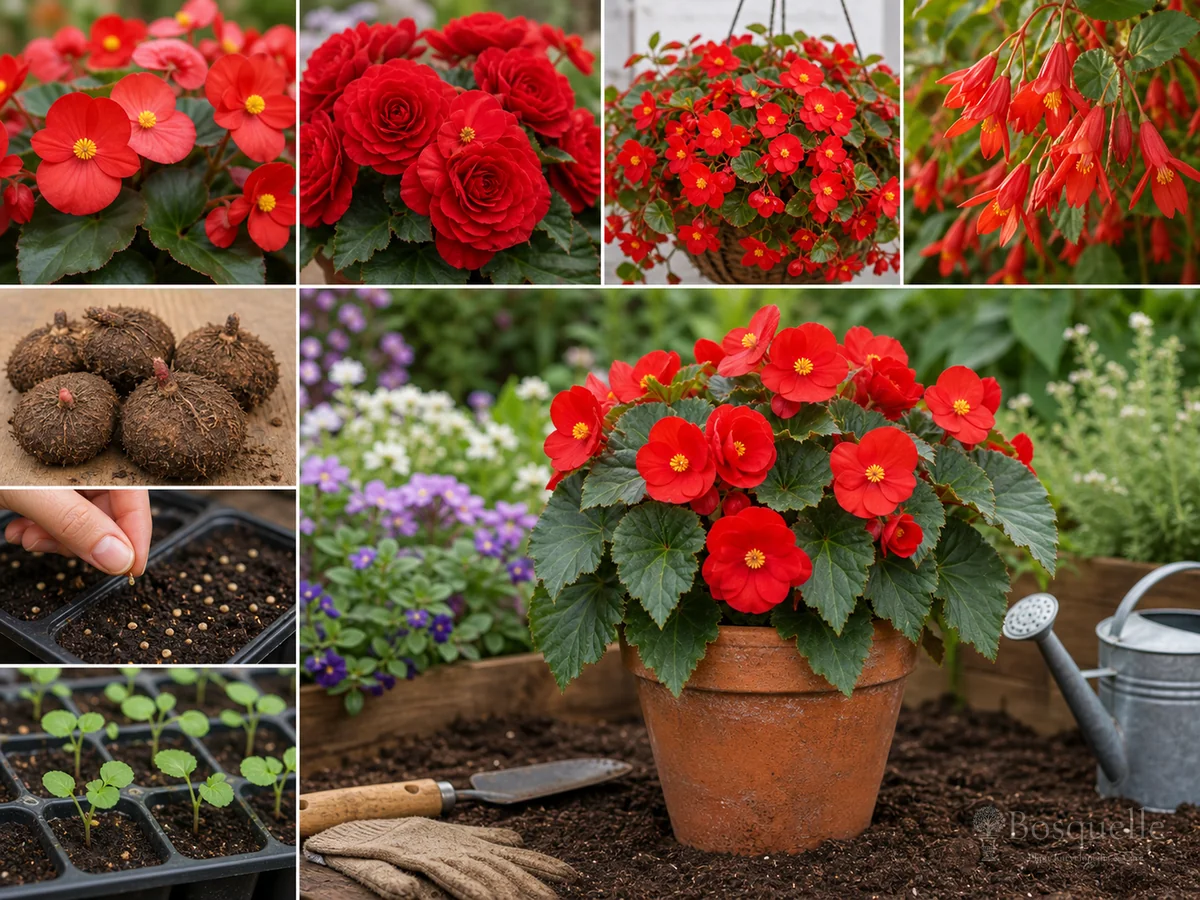
Shelter begonias by class. Lift and store tuberous tubers cool and dry. Keep rex, rhizomatous, and cane as cool indoor houseplants. Treat hardy grandis as an outdoor returner where winters are mild. This page is not a second full care essay; shade and crown drainage stay on How to Grow Begonias.
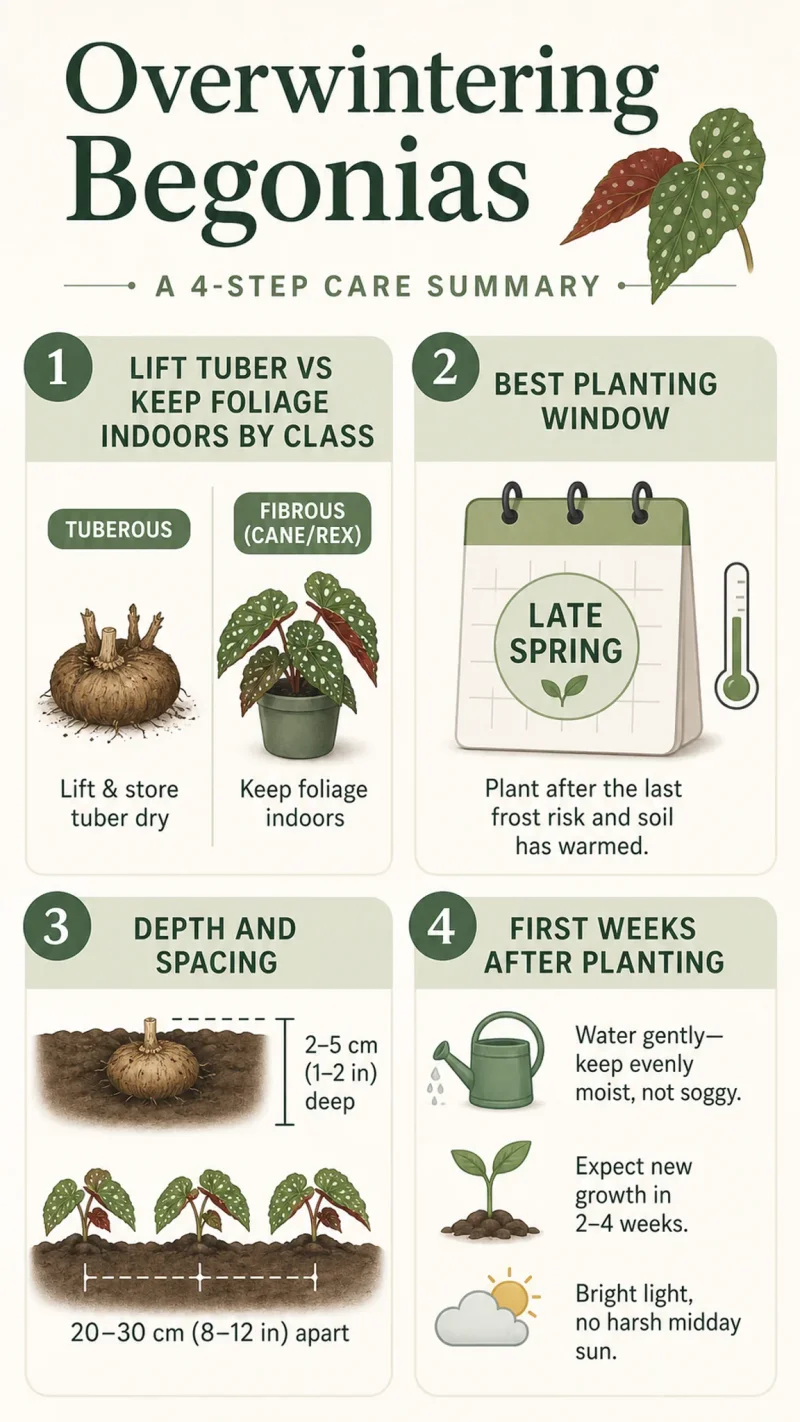
Confirm class before you dig or bag
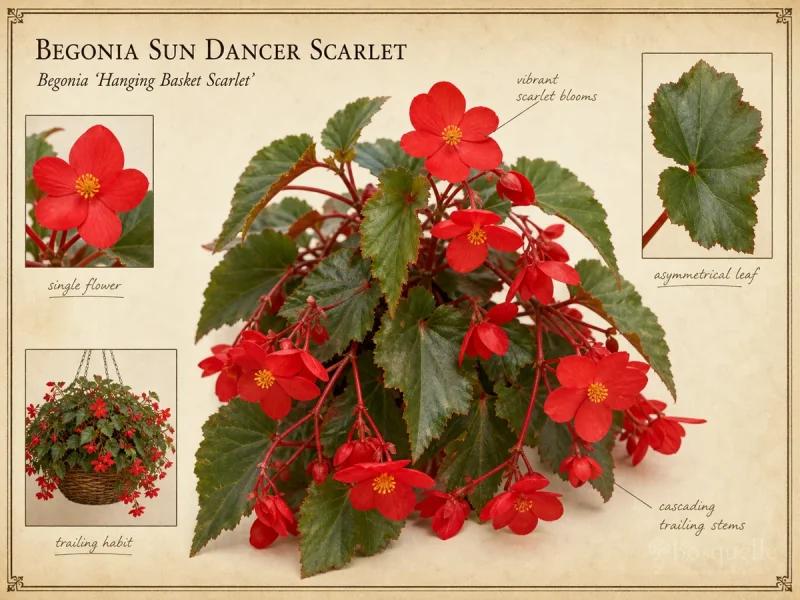
Wrong winter path kills plants that would have survived the other route. Tuberous upright and hanging forms such as Nonstop Red and Hanging Basket Scarlet are lifted so tubers can rest cool and dry. Many boliviensis such as Bonfire follow that lift. Rex such as Escargot and cane such as Dragon Wing Red usually stay potted as indoor plants — do not force a dry tuber store onto a rex. Hardy grandis such as Heron’s Pirouette can return outdoors in suitable climates. If the label is unclear, open Types of Begonias.
Tuberous: lift and store cool and dry
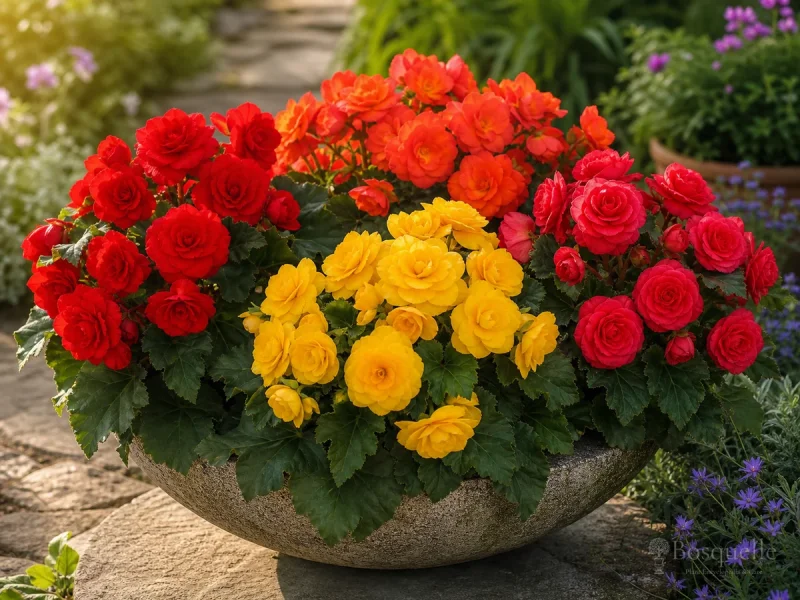
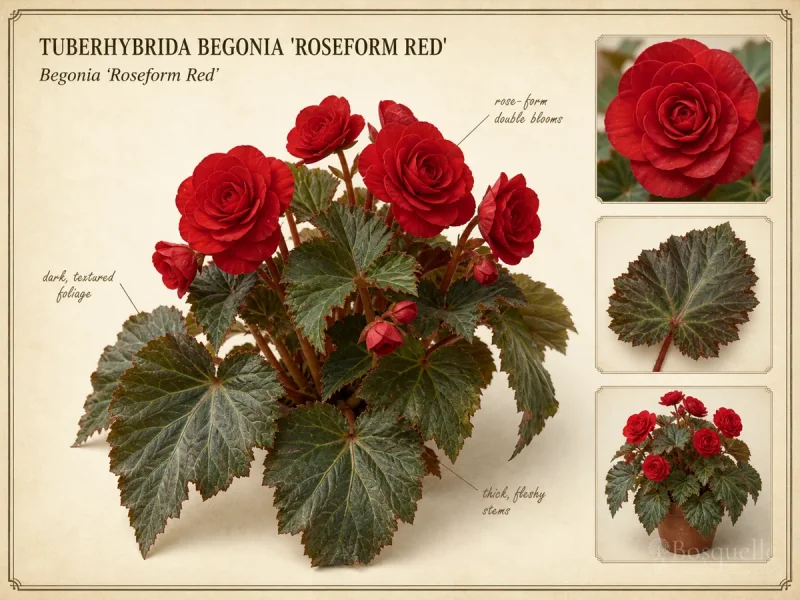
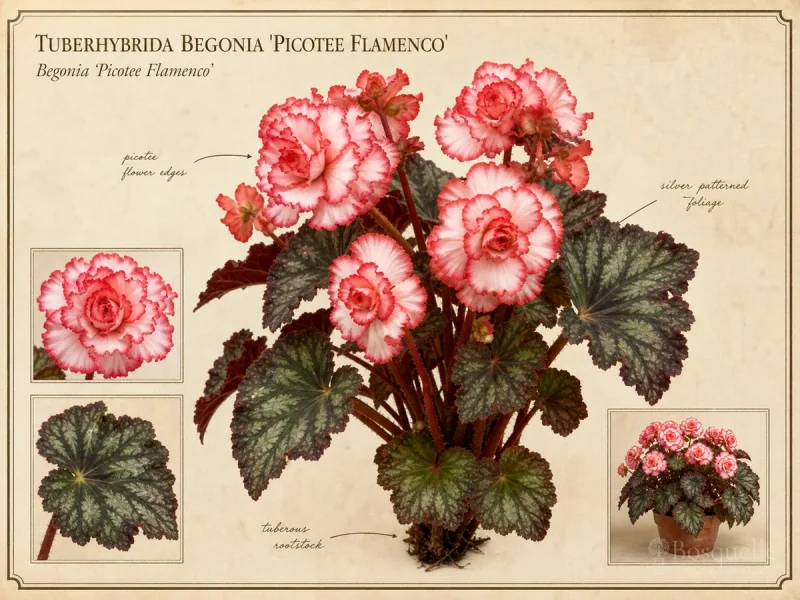
- Stop feeding in late summer. After foliage yellows, or after the first light frost blackens the tops, lift the tubers. Roseform Red and Picotee Flamenco follow this same window.
- Cut stems to an inch or two. Brush off soil. Lay tubers in a single layer in a dry, frost-free spot for one to three weeks until remaining stems come away easily.
- Pack in paper, dry vermiculite, or barely damp peat-free medium in a box — not a sealed plastic bag. Store cool and dry, about 40–50°F, in the dark. A hot cupboard shrivels them; a wet bag rots them.
- Check monthly. Discard mushy tubers. Mist only if they are dust-dry and shriveled.
- Pot up in late winter or after frost risk eases. Concave side up. Resume even moisture as shoots appear.
Hanging tubers such as Hanging Basket Apricot and boliviensis such as Santa Cruz use this lift if you want them next year. Fresh spring stock is always valid if storage space is tight.
Rex, rhizomatous, and cane: cool indoor keep
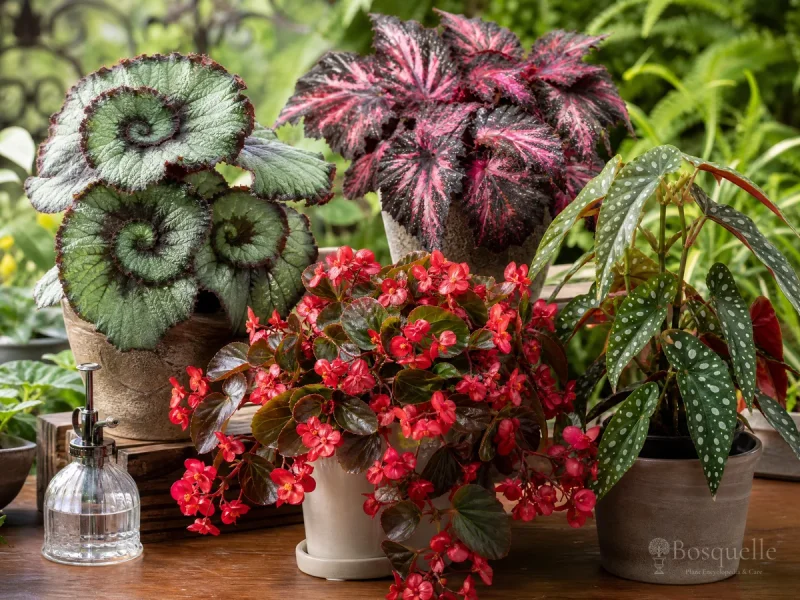
Bring foliage types such as Escargot and Fireworks indoors before nights stay below about 50°F. Rhizomatous Tiger Paws and cane such as Looking Glass follow the same indoor keep. Give bright indirect light, keep the mix lightly moist, and accept slower winter growth. This is houseplant keep — not the dry tuber checklist.
- Water less than in summer. Let the top inch dry.
- Keep air moving. Mold and collapse usually mean too wet and too still, not a failed gardener.
- A pebble tray can help dry indoor air. Do not sit the pot in the water.
Hardy grandis outdoors
Hardy Begonia grandis such as Heron’s Pirouette and Alba can overwinter in the ground in milder gardens (often USDA zone 6 and warmer, with mulch and drainage). That is not a promise for every bed, and it is not the path for a tender Nonstop pot. If winters are harsh or the soil stays wet, treat them as protected or container plants and confirm on the profile.
Timing and spring return
- Indoors or into storage: before hard frost for tender pots and baskets.
- Through winter: tubers cool and dry; foliage types cool, bright, lightly moist.
- Out of storage: after frost risk eases; harden off in bright shade before full patio light.
- First water and feed: resume even moisture as growth wakes; delay a strong feed until leaves are active.
Pot and basket setup for next season remains on Begonias in Containers. Shared summer shade and crown drainage stay on the care pillar.
Confirm class, lift tuberous tubers cool and dry or keep rex, rhizomatous, and cane cool indoors, leave hardy grandis in the ground where winters allow, then harden off in spring or start with new stock.
FAQ
How do I overwinter begonias?
Match the class. Lift tuberous tubers and store them cool and dry, or keep rex and cane indoors. Hardy grandis may return outdoors where climate and drainage allow.
Do I store rex the same as Nonstop tubers?
Usually no. Rex, rhizomatous, and many cane types stay as cool indoor houseplants. Tuberous types are the classic lift-and-store-cool-and-dry path.
What if tubers go moldy in storage?
Usually too wet. Improve airflow, store drier, discard rotten pieces, and buy fresh spring stock if they collapse.
Is this the full grow guide?
No. This is the winter shelter checklist by class. Summer method lives on How to Grow Begonias; pots on Begonias in Containers.
Related guides
Recommended plants




This note is part of Begonia Guides.
More first-season notes by plant are gathered in How to Grow Guides.
Updated: Reviewed by Bosquelle Editors