
Ficus clones fail when you cut a fiddle leaf with no stem and wait. Woody indoor trees such as rubber plant and weeping fig clone from an air layer or a summer cutting. creeping fig roots at nodes. Wear gloves — the sap stings.
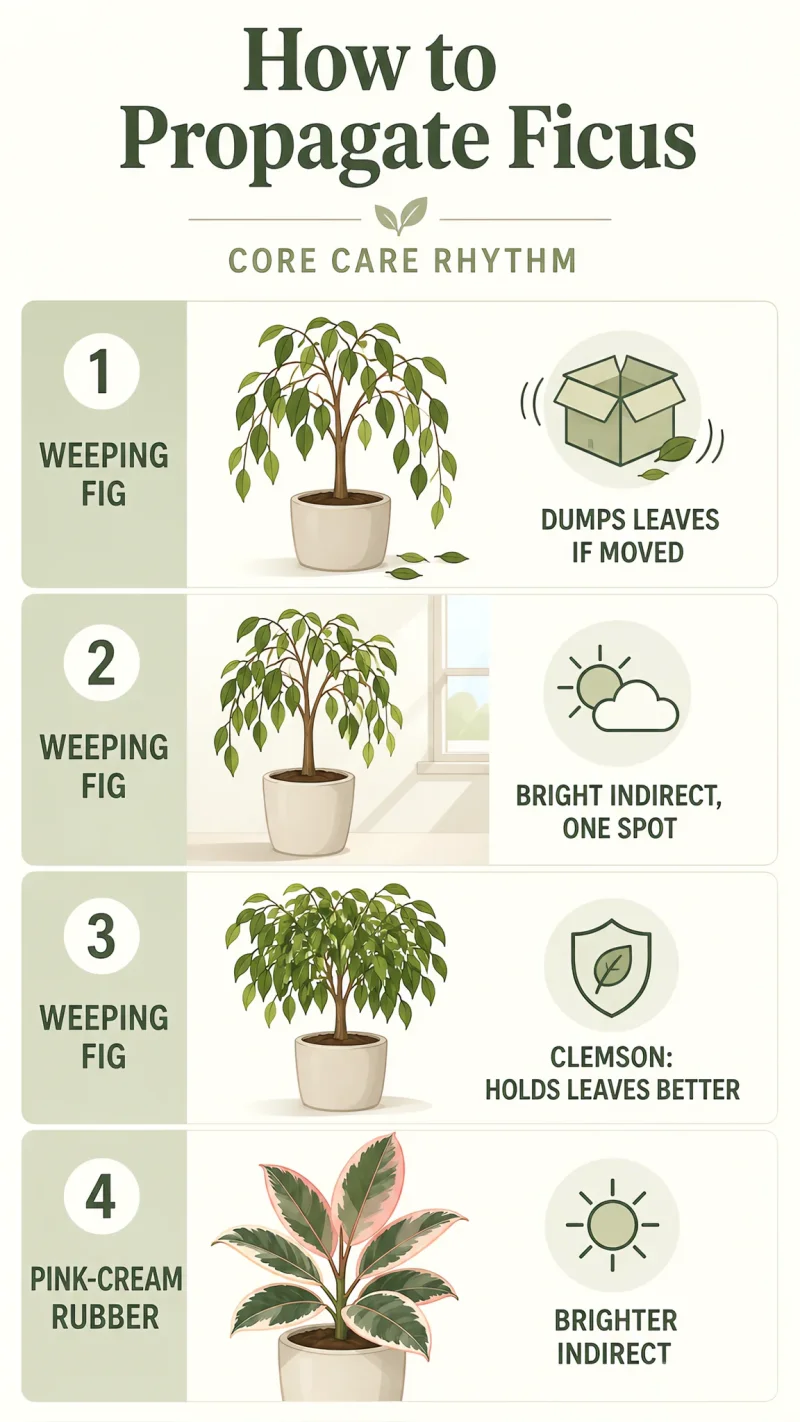
Keep-alive light and water stay on How to Grow Ficus.
Pick the job — air layer a woody stem vs a summer cutting
| Factor | Recommended | Avoid |
|---|---|---|
| Woody indoor tree | Air layer a pencil-thick stem 12–18 inches from the tip | A leaf blade with no stem in a jar |
| Young tip, summer | A stem cutting with a node in draining mix | Midwinter on a cold, dark sill as the default |
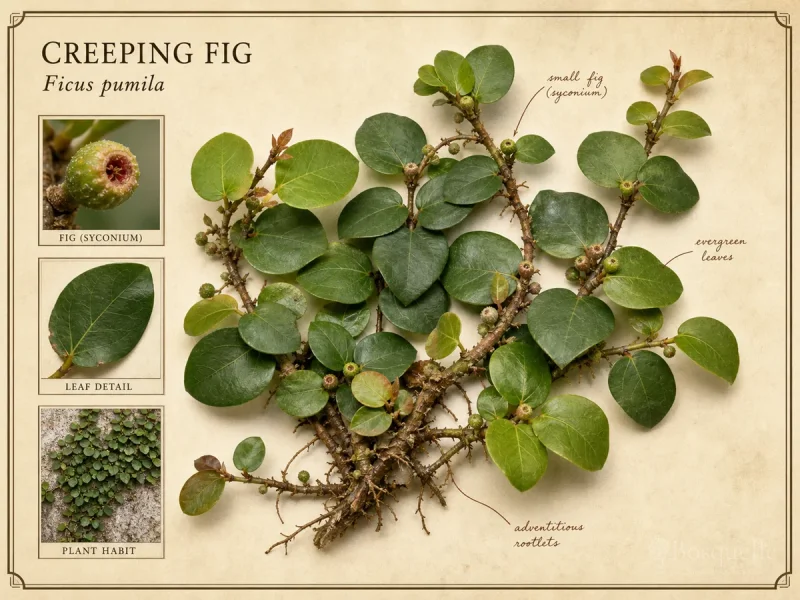
| Creeping fig | Node cuttings; they cling | Treating a vine cutting like a fiddle floor tree |
| Sap | Gloves; wipe the blade | Bare hands, then your eyes |
Iowa State University Extension: air-layer rubber tree, weeping fig, and other woody Ficus — girdle 12–18 inches from the tip, moist sphagnum, clear plastic, wait for roots, then cut below. Scrape the exposed surface so cambium is gone; if that tissue stays, the bark heals and no roots form. Clemson Extension: air layer any season; cuttings best in summer. Tree versus vine versus edible stays on Types of Ficus.
- Lanky rubber or fiddle → air layer for a full head.
- Young tip in summer → stem cutting in draining mix.
- Creeping fig → node cuttings; they cling.
Can I air-layer a rubber plant?
Yes. Iowa State University Extension girdles a ring of bark 12–18 inches from the tip, wraps moist sphagnum in plastic, and pots the rooted stem. The same method works on weeping fig and other woody Ficus.
Air layer and cuttings
- Wear gloves. Clemson Extension and North Carolina Extension both flag milky sap. Do not rub your eyes.
- For an air layer, pick a firm stem about 12–18 inches from the tip and strip nearby leaves (Iowa State University Extension).
- Cut a ring of bark about one inch wide down to the wood. Scrape the cambium so the wound cannot heal shut. Optional: dust rooting hormone.
- Pack moist (not dripping) sphagnum around the wound. Wrap clear plastic and twist-tie top and bottom. Keep the moss moist. Overly wet moss rots the wound — squeeze it out first. Roots often show in four to eight weeks on rubber and weeping fig, longer on a fiddle-leaf.
- When white roots fill the moss, cut just below the wrap. Pot moss-and-all in draining mix. Bright indirect. Empty the saucer.
- In summer, take a tip with a node, strip the lowest leaves, and stick it in moist mix (Clemson Extension prefers summer). A leaf-only fiddle blade will not become a tree.
- If you root a tip in a jar, change the water before it clouds. Mix is more reliable. Wait for roots before you pot on. Skip dish-soap “rooting potions” on the girdle — clean wound, moss, plastic, time. Keep standing water off a tray of new mix. A gentle soak beats a daily leaf shower. Wait until you feel resistance when you tug.
Hard pruning a lanky rubber in spring (Clemson Extension) is keep-alive and a clone source. Reduce water on a severely cut parent. Do not air-layer a mite-ridden, rotting cane and expect a clean plant. A crowded rubber that you shortened is still a clone source — pot those tips rather than letting a 10-foot cane dust the ceiling. A broken fiddle top from a tip-over is still a clone if it has stem; the snapped leaf on the rug is not. Edible-fig hardwood cuttings are a fruit method, not the indoor fiddle method. Use this air-layer page for woody indoor trees. Fruit figs still want sun after they root.
What fails a Ficus clone
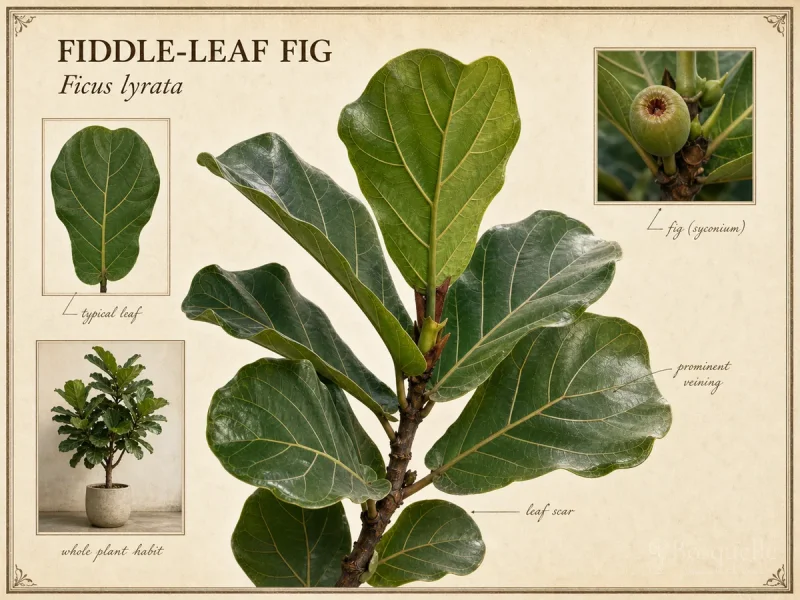
- A fiddle leaf with no stem — it will not become a plant. Count the node.
- Moss that dries out inside the wrap — no roots. If the girdle calluses shut, scrape again.
- A sealed wet jar of a cutting — slime, then rot. Change water if you root in a jar; mix is more reliable.
- Bare hands in sap, then your eye — pain, not a recipe.
- Expecting an edible-fig cutting to behave like a fiddle indoor tree — the clone copies the parent job. Fruit figs still want sun after they root.
- Peperomia as the parent — baby rubber is not Ficus. Confirm the Latin before you girdle.
When should I take Ficus cuttings?
Summer for cuttings (Clemson Extension). Air layer any season if the stem is firm and growing. Midwinter on a cold, leafless windowsill is a poor week unless you are salvaging a broken top.
Success looks like white roots in the moss, then a potted head. Label the date. You will not need a new wrap every week; you will need to pot on when roots hold. Keep new plants in the same indirect light as the parent — and do not move them daily. Do not fertilize a cutting in a jar. Wait for roots, then a weak feed at most after it is in mix. In winter, do not park a tray of cuttings in a dark, cold garage. They want light and even moisture, not a freeze on the porch. Do not skip the scrape on an air layer. Iowa State University Extension wants that cambium gone. Pot size lives on How to Repot Ficus.
FAQ
Can I air-layer a rubber plant?
Yes. Iowa State University Extension girdles 12–18 inches from the tip, wraps moist sphagnum, and pots the rooted stem.
Can I root a fiddle-leaf in water?
A stem with a node can root. A leaf blade with no stem will not become a tree. Mix is more reliable than a jar that clouds.
When should I take cuttings?
Summer for cuttings (Clemson Extension). Air layer any season if the stem is growing.
Do I need rooting hormone?
Optional. Iowa State University Extension says the stem will root without it; hormone only speeds the wait.
Why won’t my air layer root?
Moss dried out, or the cambium healed shut. Scrape again and keep moss moist, not dripping.
Is the sap a problem?
Yes. Wear gloves. Clemson Extension and North Carolina Extension both flag milky sap.
Can creeping fig be cut the same way?
Use node cuttings. It clings. It is not a fiddle floor-tree clone.
Where is watering after I pot the clone?
How to Grow Ficus. How to Repot Ficus if the new plant outgrows the first pot.
Related guides


Recommended plants
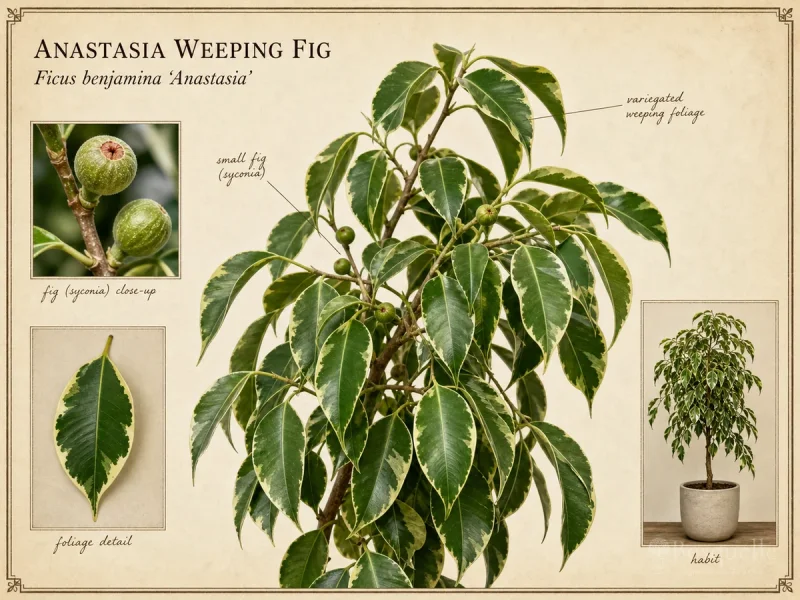
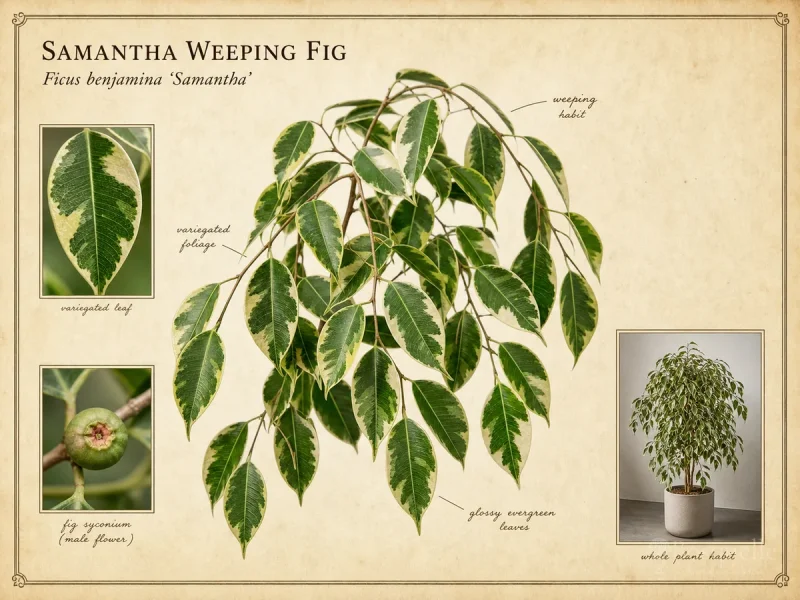
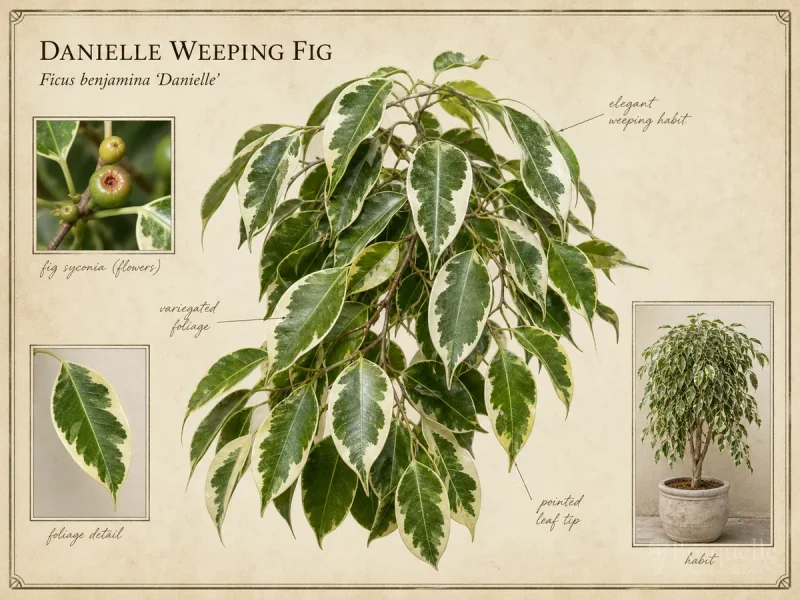







This note is part of Ficus Guides.
More notes on making another plant live in Propagating Guides.
Updated: Reviewed by Bosquelle Editors