
True garden lilies (genus Lilium) are bulbous perennials — not daylilies (Hemerocallis). Plant bulbs about three times as deep as the bulb is tall in drained ground, give full sun with cool shaded feet when possible, water through active growth, and plant deep enough to cover the stem roots. This pillar owns depth method, telling lilies apart from daylilies, and what to open next — pick series, feet companions, shaft pots, sink checklist, and waft shortlists live on child guides.

This guide is for Lilium — not daylilies, canna, or amaryllis
- Light: about six or more hours of sun for strong stems and colour — heads in sun, feet cooler when you can underplant lightly.
- Soil: well drained; bulbs rot in winter-wet clay. Raise beds or add grit where water ponds.
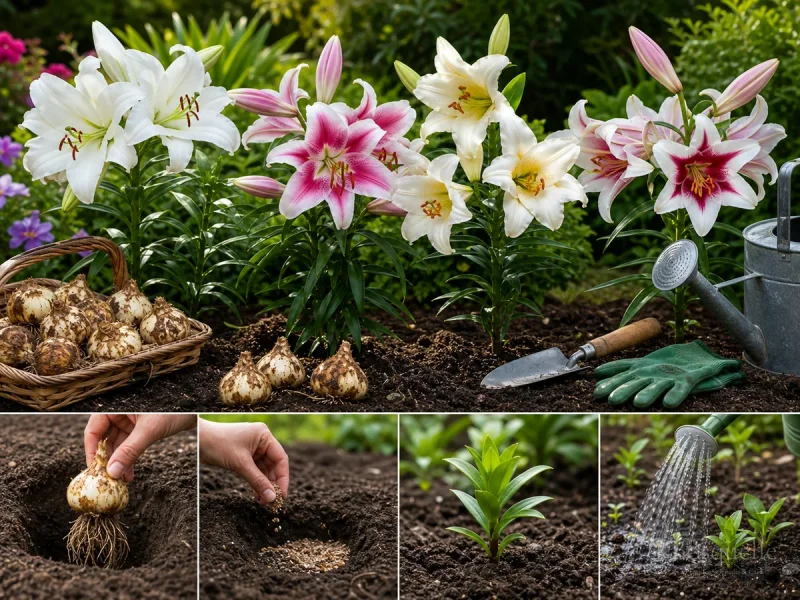
- Planting: autumn or early spring — roughly three times the bulb’s height deep (pointy end / nose up). Many Lilium make stem roots above the bulb — plant deep enough for them. Detail checklist on Planting Lily Bulbs.
- Water: steady moisture as shoots and buds grow; avoid soggy crowns in winter.
- After bloom: deadhead spent flowers; leave stems and leaves to ripen so bulbs can recharge. If you cut stems for the vase, take no more than about half the stem height so enough foliage stays to recharge the bulb.
- Not daylilies: daylilies are Hemerocallis — different family, rhizomatous crowns, and care from true Lilium.
Site and soil for Casa Blanca and Regale
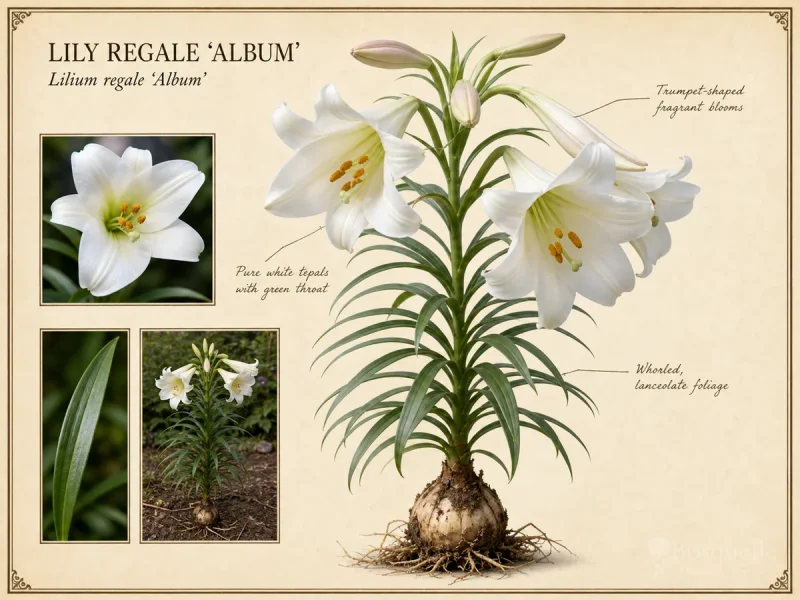
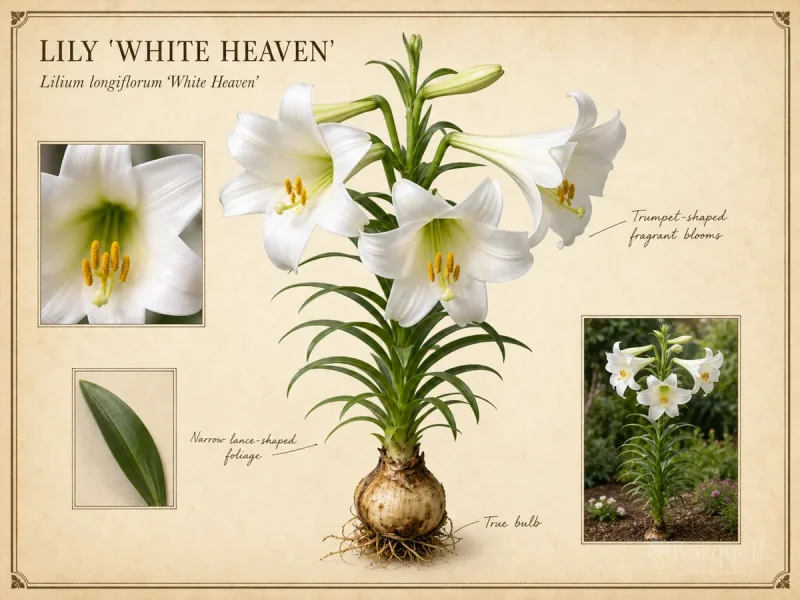
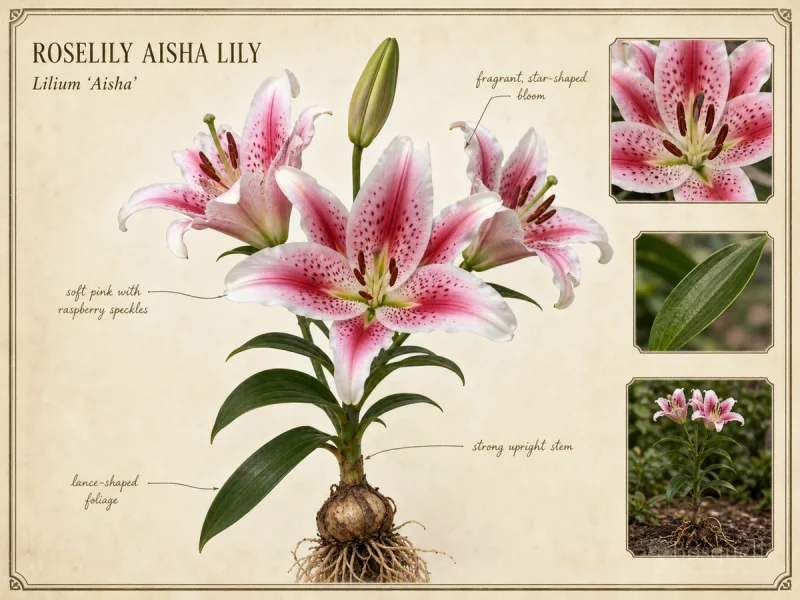
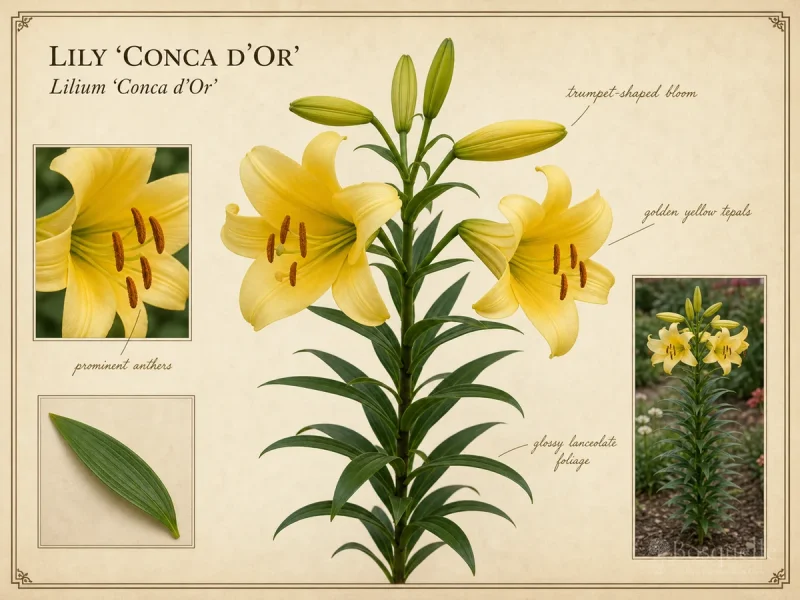
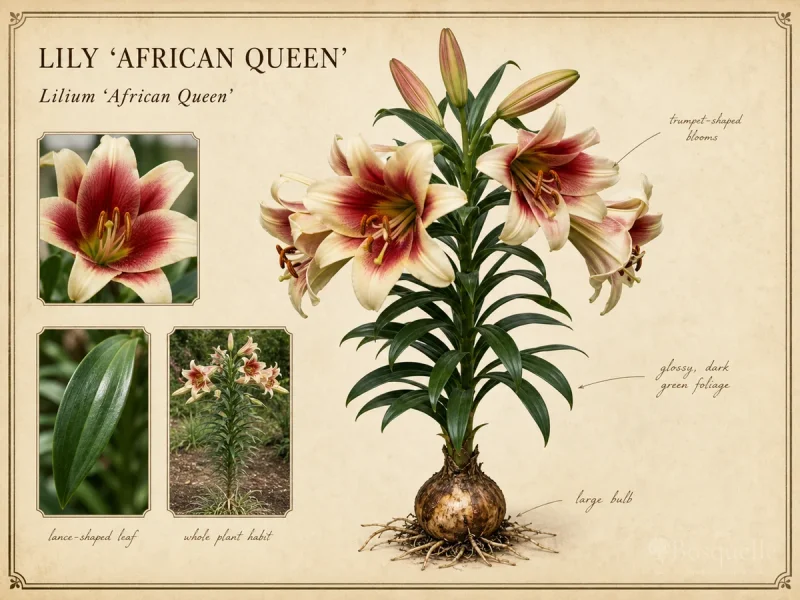
Choose an open, sunny bed with reliable drainage. Tall fragrant types such as Casa Blanca, trumpet classics such as Regale and Regale Album, and tall trumpets such as African Queen want room for stems and a staking plan in wind. Compact series such as Pixie suit front rows and pots; doubles such as Roselily Aisha still need the same deep, drained hole.
In heavy clay, raise the bed or improve structure with grit and organic matter so water does not sit on the bulb. In sandy ground, add compost so summer moisture does not flash away. Mulch lightly after planting — keep thick mulch from burying emerging shoots.
Hardiness by climate (method only): hardy garden Lilium usually cope with cold winters when planted deep and mulched after the ground freezes; mid-temperate gardens suit most catalog types with sharp drainage; warmer gardens still need drained sites and a cultivar checked for heat tolerance — shallow planting fails everywhere. Confirm each cultivar on its plant profile — do not invent one USDA story for every lily.
Planting depth and stem-root coverage
A practical depth rule of thumb is ~3× the bulb height of soil above the nose. Absolute centimetres vary with bulb size: a large Regale-class bulb sits deeper than a compact Pixie. Many true lilies also form stem roots in the soil above the bulb — shallow planting starves those roots and invites lean stems. Tiger types such as Tiger Lily Splendens and fragrant hybrids such as Muscadet use the same depth logic.
- Timing. Plant in autumn when soil cools, or in early spring while bulbs are still firm — never into waterlogged frozen ground.
- Hole and orientation. Dig to depth, set the nose up, space for air movement, backfill, and water once if the soil is dry.
- Mulch and mark. Light mulch after soil settles; mark the bed so spring digging does not spear shoots.
Full autumn/spring checklist: Planting Lily Bulbs.
Water, staking, and after bloom
Water as growth starts and through bud formation — deep soaks beat daily misting. Tall trumpets such as African Queen and Regale often need a discreet stake in windy sites. After bloom, remove spent flowers so energy returns to the bulb, but leave green stems until they yellow. For cut flowers, leave at least half the foliage on the plant — stripping the stem starves next year’s bulb.
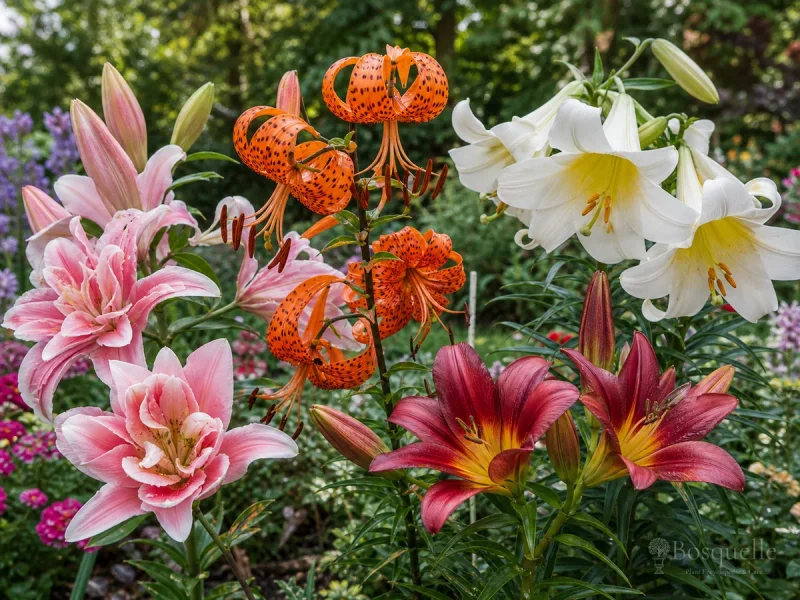
Browse form groups on Types of Lilies. Patio culture lives on Lilies in Containers. Scent shortlists live on Fragrant Garden Lilies.
Seasonal rhythm
- Autumn / early spring: plant or check depth — see Planting Lily Bulbs.
- Growth: water as shoots rise; stake tall trumpets in wind.
- Bloom: enjoy scent and colour; deadhead spent flowers.
- After bloom / winterize in ground: leave stems to ripen; ease water as growth slows; after the ground freezes, mulch crowns lightly in cold gardens — do not invent a separate winter URL. Pots overwinter on Lilies in Containers.
Partners live on Lily Companion Plants.
Plant deep in drained sun, water through growth, leave stems to ripen, remember Lilium ≠ daylily, and open child guides for planting checklists, pots, types, companions, and fragrant shortlists.
FAQ
Are lilies the same as daylilies?
No. True garden lilies are genus Lilium (bulbs, often with stem roots). Daylilies are Hemerocallis — different family, rhizomatous crowns, and a separate care pillar.
How deep should I plant lily bulbs?
About three times the bulb’s height of soil above the nose, deep enough for stem roots. See Planting Lily Bulbs for the checklist.
Do all lilies need full sun?
Most garden Lilium want about six or more hours of sun for strong stems and colour, with cooler shaded feet when you can underplant lightly. Afternoon shade can help in fierce heat — confirm cultivar notes on the profile.
How do I winterize lilies in the ground?
After stems ripen and the ground freezes, mulch lightly over the crown in cold gardens. Do not cut green stems back for winter. Container pots need a separate overwinter plan on Lilies in Containers.
Where is the planting checklist?
Planting Lily Bulbs for timing, depth, and spacing. This pillar owns shared year-round growing rules.
Are lilies toxic to cats?
Most true lilies (Lilium) are extremely toxic to cats — even pollen, petals, or water from the vase can cause acute kidney failure. This is a veterinary emergency. Do not grow lilies in any household with cats.
How do I control lily beetle?
The red lily beetle devastates foliage from April onward. Check weekly and pick off adults and larvae by hand — adults drop when disturbed, so hold a white sheet beneath. Remove orange egg clusters on leaf undersides. Contact insecticide (pyrethrum) is effective but harmful to pollinators; use only in the evening.
When should I cut lily stems back?
Leave stems standing until they die back naturally in autumn — the leaves continue to recharge the bulb for next year. Cut to the base only once stems are fully yellow and dried. Remove spent flowers while leaving stems and foliage intact. For the vase, cut no more than about half the stem height.
Do lily bulbs multiply and should I divide them?
Lilium bulbs produce offset bulblets around the parent. Divide every 3–5 years in autumn after foliage dies back to maintain vigour. Separate offsets and replant immediately. Some species also produce aerial bulbils in leaf axils that can be collected and grown on.
Related guides



Recommended plants





This note is part of Lily Guides.
More first-season notes by plant are gathered in How to Grow Guides.
Updated: Reviewed by Bosquelle Editors