

Lilac care — the brief before the prune
- Light: full sun for the strongest bloom — shade thins flower power on vulgaris and hyacinthiflora.
- Soil: well-drained, alkaline-lean preference; avoid waterlogged roots and chronically sour, boggy beds.
- Water: steady moisture while establishing; many lilacs tolerate short dry spells once rooted — do not keep crowns soggy.
- Bloom timing: old wood — prune right after flower on Pruning Lilacs, not in midsummer or late winter.
- Class first: shrub vs dwarf/rebloom vs tree lilac — sort on Types of Lilacs before you buy or renovate.
Full sun, draining soil, and the root flare at grade
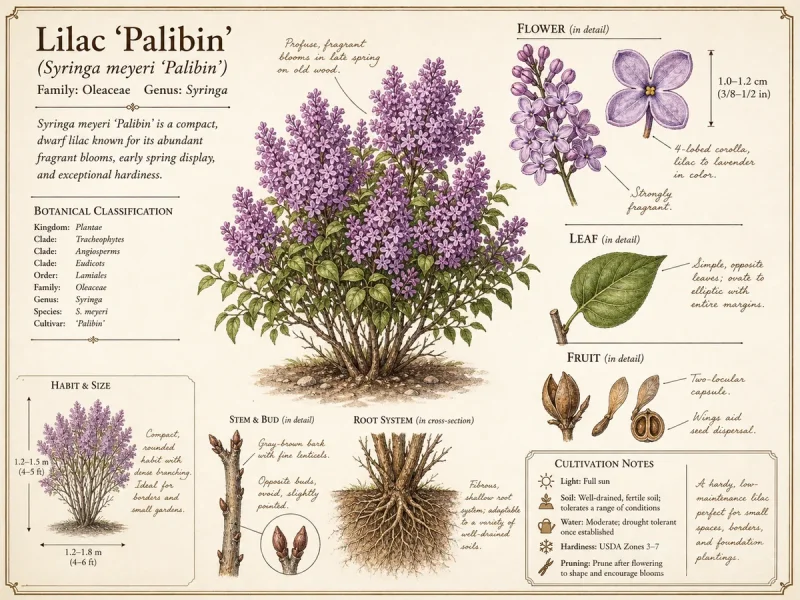
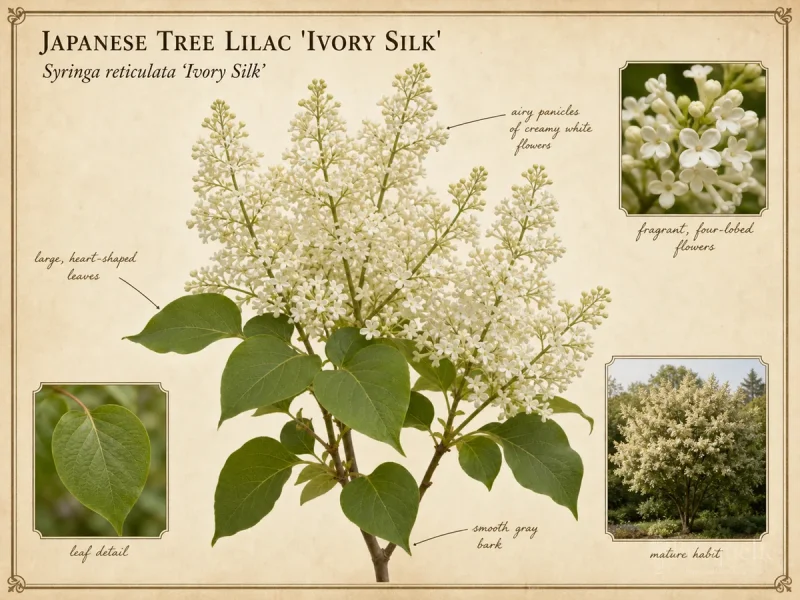
Give lilacs full sun, well-drained alkaline-lean soil, and room for mature width. Keep the root flare level with finished soil; burying the crown invites rot rather than faster growth. The numbered hole, bare-root soak, and spring-or-fall window live on Planting Lilacs. Compact types such as Palibin suit foundations when roots still drain; tree lilacs such as Ivory Silk need small-tree scale, not a shrub squeezed against a wall.
Alkaline-lean soils suit most catalog Syringa better than sour, chronically wet clay — that is a preference that improves odds, not a myth that excuses neglect. Raise beds or amend structure where winter wet collects. Water deeply through the first seasons while roots knit; once established, many lilacs are tougher, but young plants and newly moved shrubs still need attention in drought.
Old wood, tree scale, and rebloom
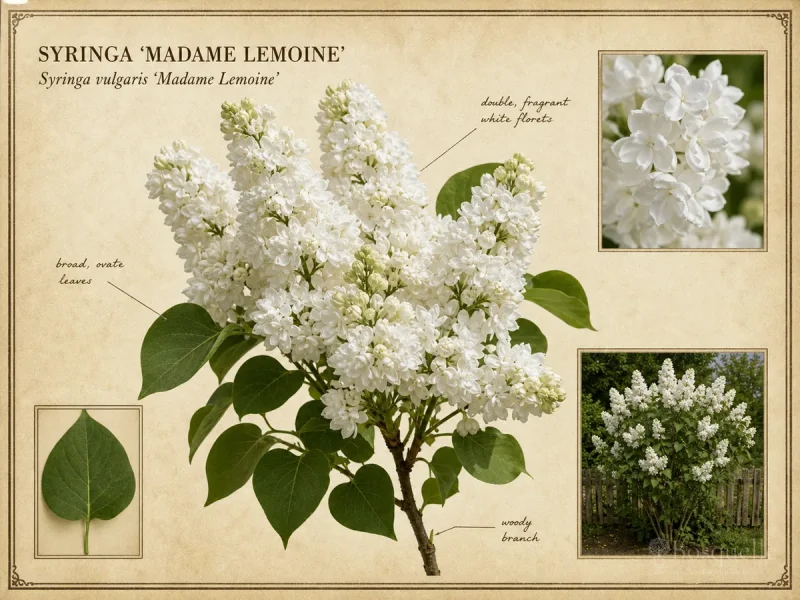
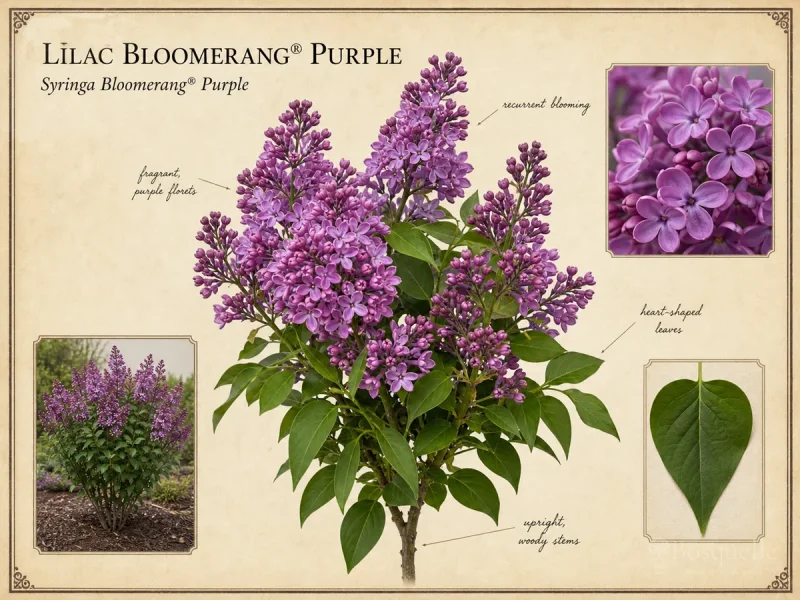
Most shrub lilacs set next year's flower buds on wood that forms soon after the current bloom finishes — a hard cut in midsummer or late winter removes that display. Time the cut on Pruning Lilacs rather than guessing from a neighbour's calendar. Dwarf rebloom types such as Bloomerang Purple are not the same once-bloom schedule as classic vulgaris such as Madame Lemoine — confirm class on Types of Lilacs. Tree lilacs such as Ivory Silk are small trees, not overgrown hedges to renovate.
Seasonal rhythm and what next
- Spring: plant new shrubs on Planting Lilacs; enjoy the flush; prune in the window right after bloom.
- Right after bloom: open Pruning Lilacs for the cut window before wood ripens toward next year's buds.
- Summer–fall: steady establishment water; avoid a second hard cut out of impatience.
- After success: frame the shrub on Lilac Companion Plants; place scent on Fragrant Garden Lilacs; sort your next lilac on Types of Lilacs.
Pots, fragrance, and inventory
Patio suitability in our catalog sits well below the bar for a dedicated containers guide (~15%) — this is a tip only, not a full pot program. Compact types such as Palibin can work in a large, well-drained container with full sun and watering so roots never sit wet. Classic vulgaris and tree lilacs such as Ivory Silk usually look and root better in-ground. Every lilac in our catalog is fragrant — there is no fragrance dump here; Fragrant Garden Lilacs is a curated shortlist with seating-distance criteria, not every row. New shrubs go in on Planting Lilacs.
Common mistakes: planting in shade and expecting full bloom; burying the crown; cutting hard in midsummer or late winter; treating tree lilac as a foundation shrub; pasting this whole pillar onto every cultivar page.
Site in full sun with alkaline-lean drainage, plant at the right depth on Planting Lilacs, respect the old-wood bloom, then open Pruning, Types, Companions, or Fragrant Garden Lilacs for the next job.
FAQ
Do lilacs need full sun?
Yes for the best bloom — full sun / sun requirements matter. Shade thins flower power on most shrub lilacs. Confirm cultivar notes on each profile.
Where to plant lilacs?
Full sun, well-drained soil (alkaline-lean is fine), with air around the shrub so foliage dries after rain. Give mature width room — crowding invites mildew and weak bloom.
When to plant lilac bushes?
Spring after the soil can be worked, or fall before freeze — the hole steps live on Planting Lilacs. Water through the first summers; expect a few years before reliable bloom.
Why didn't my lilac bloom this year?
Often a wrongly timed cut removed old-wood buds, or the site is too shady or too young. Check timing on Pruning Lilacs and confirm sun exposure before assuming a bad plant.
Is lilac toxic to dogs or cats?
Lilac is generally treated as a low pet-toxicity concern compared with classic poison shrubs, but do not encourage chewing. Confirm current pet-safety references for your household, and keep concentrated fertilisers out of reach.
Are tree lilacs the same as common lilacs?
No. Tree lilacs (reticulata / pekinensis) are a different scale and structure. Choose type on Types of Lilacs first.
Care worked — what next?
Frame the shrub with companions, place fragrant picks near a seat or path, and sort your next lilac by class before you buy.
Is lilac a perennial or does it lose its leaves?
Lilac (Syringa) is a deciduous shrub — it loses its leaves normally in winter and is not evergreen. It is a woody perennial with permanent structure that can live for decades, eventually becoming a small tree. Late-spring leaf drop is a sign of stress, not normal seasonal behaviour.
Why is my lilac not flowering?
Same three causes as the bloom FAQ above: too young, too shady, or a mistimed old-wood cut. See that answer and Pruning Lilacs for the cut window.
Can I move an established lilac?
Young lilacs (under 5 years) can be moved successfully while dormant in late autumn or early spring. Established large specimens are very difficult to move — they have deep, spreading roots and rarely recover well. Flowering may be suppressed for 2–3 seasons even after a successful move.
Related guides




Recommended plants






This note is part of Lilac Guides.
More first-season notes by plant are gathered in How to Grow Guides.
Updated: Reviewed by Bosquelle Editors