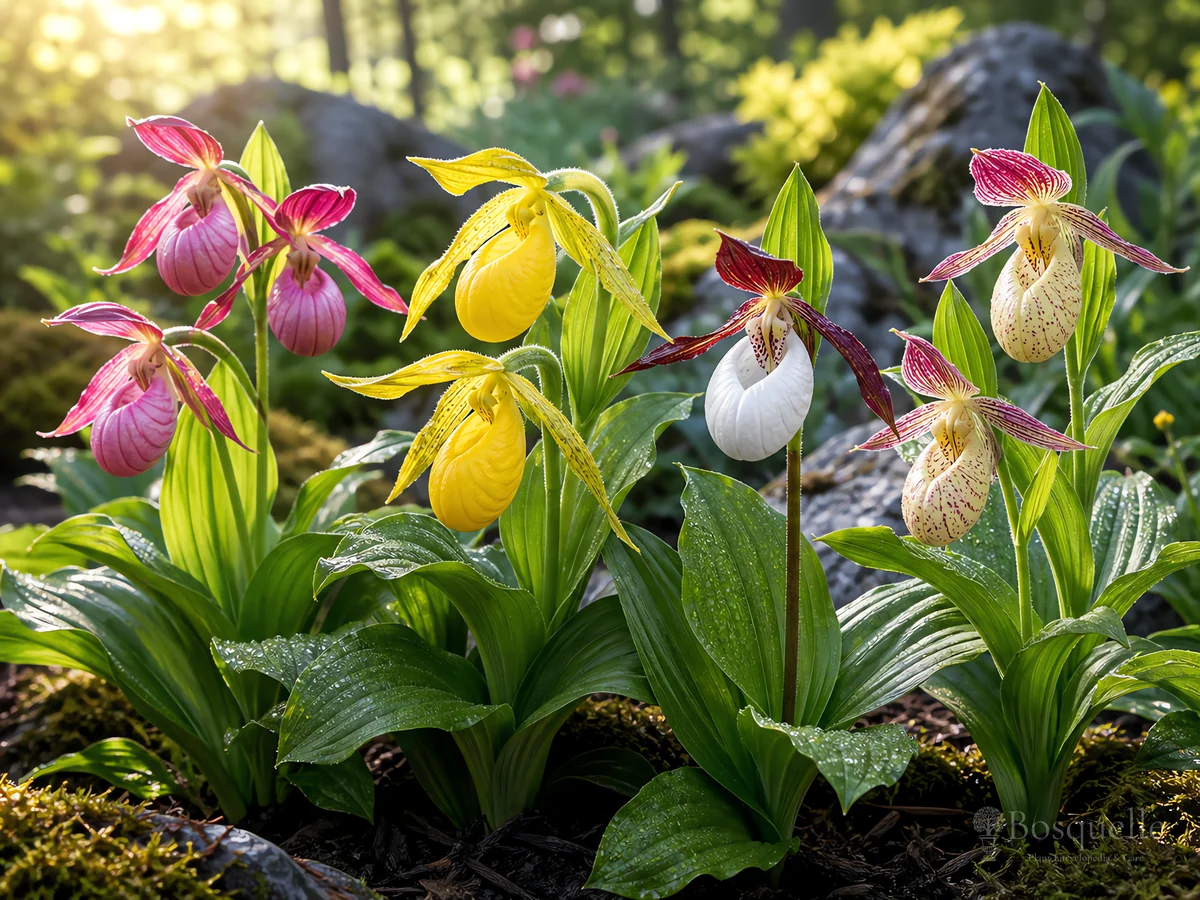
Grow lady's slipper in dappled shade on moist, well-drained soil. Lady's slipper here is hardy Cypripedium — not the tropical indoor slipper orchid.

Give it dappled shade and moist, well-drained soil
| Factor | Recommended | Avoid |
|---|---|---|
| Sun | Morning sun, then high dappled shade; a north or east wall is fine | Do not site it in hot midday sun, or in deep shade that starves the clump |
| Soil | Moist, crumbly, well-drained loam | Do not plant in a soggy pocket, or on bone-dry sand with no water |
| Site | A cool woodland edge, away from greedy tree roots | Do not tuck it against a south wall that bakes, or into packed clay |
| Feed | Skip extra fertilizer until you see strong new growth | Do not give a heavy feed to a wet crown |
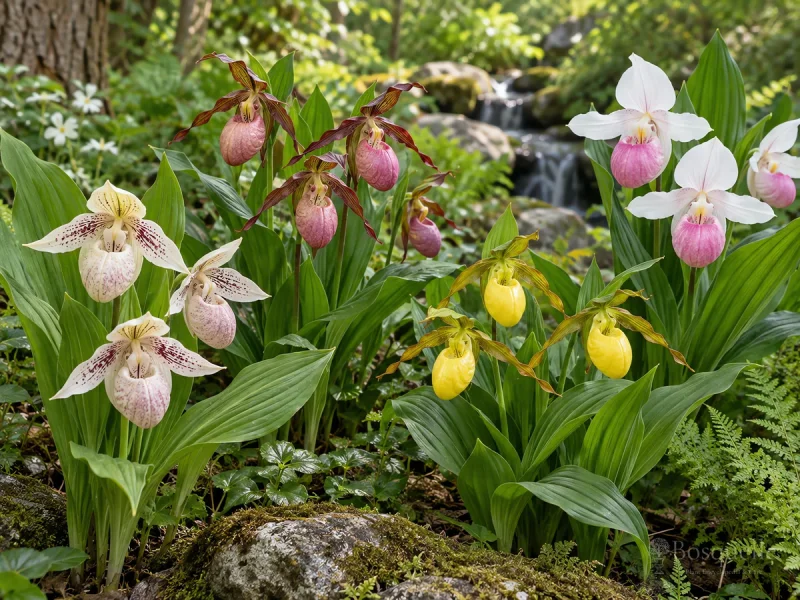
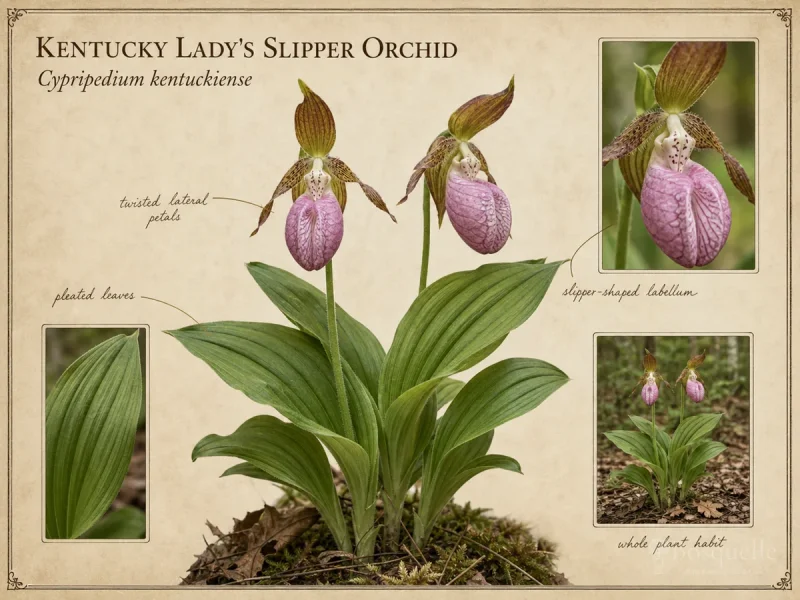
Hardy lady's slipper wants cool, even moisture around shallow roots, and air in the soil. Standing water rots the new shoots. A dry, hot bed bakes the roots. [1] [2] A garden species such as Kentucky lady's slipper and yellow lady's slipper share that same dappled shade and moist drain. Match kind on Types of Lady's Slipper.
Too much shade and the clump declines. Morning sun with shade after midday is the usual woodland match. [3]
Does lady's slipper need full sun?
Give it morning sun and shade from hot midday. Deep shade starves the clump. A north or east wall is a good stand-in for woodland light.
What soil for lady's slipper?
Moist, well-drained soil that stays crumbly. Standing water around the crown rots new shoots. Bone-dry sand bakes the shallow roots.
Keep the soil moist in growth, drier after the shoots die back
New plants need water so the shallow roots never bake. In winter the plant rests underground and needs a cold spell. Wet crowns in that rest rot the next year's shoots.
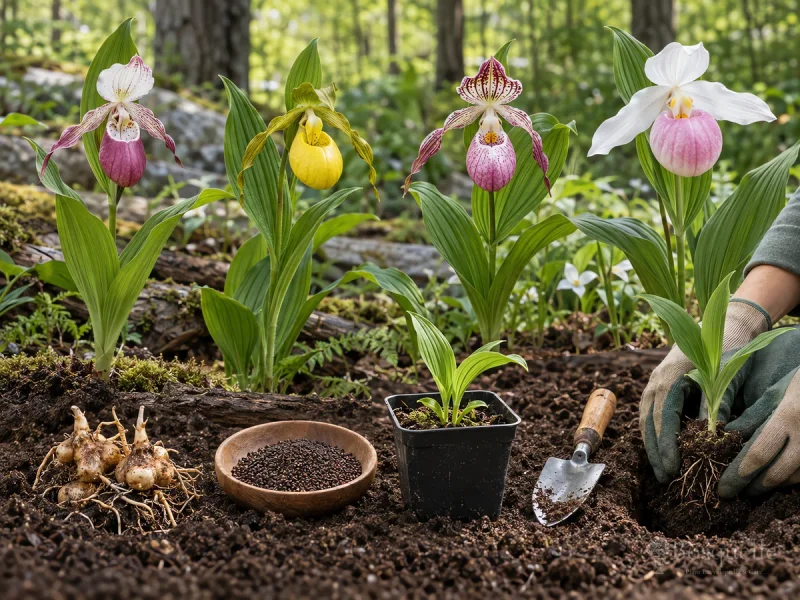
- Water thoroughly after planting. Keep the root zone moist — not soggy — while leaves are up. [4]
- Mulch about an inch of shredded leaves or pine bark over the roots, kept off the new shoots, so the soil stays even and cool.
- When the shoots yellow and die back, stop summer watering. Pull the dead stems sideways, or cut them once they are brown, so rot does not sit on the buds.
- Leave a light mulch so frost heave does not bare the buds. Do not keep the bed flooded through winter rest. The plant can freeze solid; it should not sit in ice water.
How often do I water lady's slipper?
Keep the soil moist while the plant is in leaf. Do not let it dry out in summer. After the shoots die back, water much less so the resting buds do not rot.
Not a tropical indoor slipper orchid
The indoor plant sold as a lady-slipper orchid is usually Paphiopedilum — an evergreen tropical that wants a windowsill, not a winter freeze. See How to Grow Paphiopedilum. Hardy Cypripedium dies back, needs months of chill, and belongs in the garden. A bag labeled only “lady slipper succulent” or cactus is a different plant.
Is this the indoor slipper orchid?
No. Indoor slipper orchids are usually Paphiopedilum. Hardy lady's slipper is Cypripedium, a woodland plant that dies back and needs winter cold.
If the leaves yellow in a hot dry bed, move the next plant into shade and even moisture — do not wait for an empty hole.
FAQ
Can I grow lady's slipper in a pot?
Open ground is the usual home. A specialist may hold one in a wide, draining tub outdoors that still gets winter cold. Do not treat it as a tropical houseplant in bark mix.
Does lady's slipper need fertilizer?
Usually no until it is growing well. A light spring feed is enough. Heavy feed on wet roots does more harm than lean ground.
Can I dig a lady's slipper from the woods?
No. Wild plants rarely survive the move, and digging them is illegal on public land in many places. Buy nursery-grown stock. A cheap flowering plant is often wild-dug.
What pests hit lady's slipper?
Slugs chew new shoots in spring. Check the mulch at dusk and pick them off.
Do the hairs irritate skin?
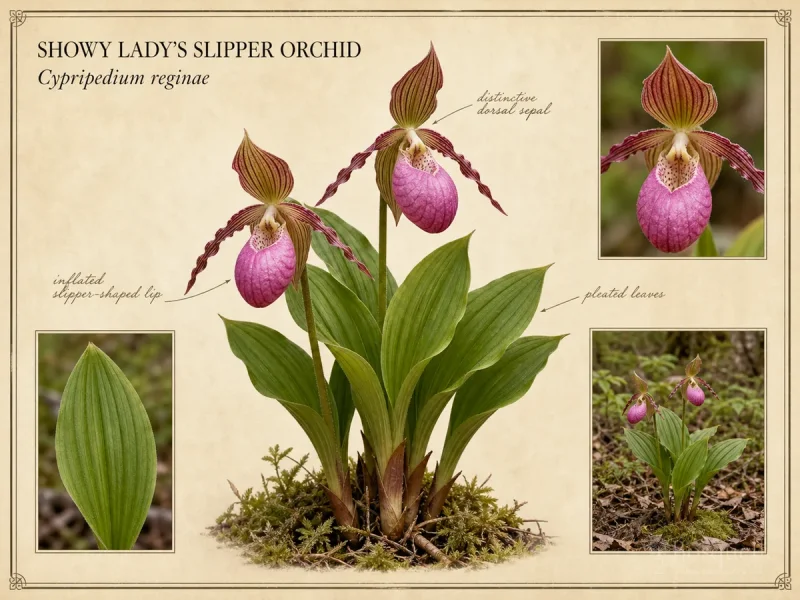
Some kinds, especially showy lady's slipper, can irritate skin. Wear gloves if the stems feel bristly.
Related guides
Recommended plants


References
- [1] NC State Extension Gardener -
https://plants.ces.ncsu.edu/plants/cypripedium/ - [2] White Flower Farm -
https://www.whiteflowerfarm.com/how-to-grow-cypripedium - [3] Special Vegetation -
https://specialvegetation.com/culture/planting-and-care-of-cypripedium-species/ - [4] Garden Slippers -
https://gardenslippers.com/plantcare.html
This note is part of Cypripedium Guides.
More first-season notes by plant are gathered in How to Grow Guides.
Updated: Reviewed by Bosquelle Editors