
Grow haworthia in bright indirect light and a cactus mix that dries between waterings. Shops often sell the striped succulent as a zebra plant — that is this genus, not a soaked tropical with the same nickname.

Bright indirect light, cactus mix, and water when the top is dry
| Factor | Recommended | Avoid |
|---|---|---|
| Light | Bright indirect; a few hours of gentle morning sun | Hot afternoon glass; a dim corner that stretches and fades stripes |
| Mix | Cactus or succulent mix with extra grit or pumice | Dense potting soil, or fine sand that clogs the pores |
| Water | Water thoroughly when the top inch is dry; empty the saucer | Watering on a calendar while the mix is still wet |
| Room | A warm room; protect below about 50°F | Cold drafts, frost, and a wet pot in winter |
Give it a fast-draining pot in an east or west window. Filter a harsh south pane if tips brown. The mix should dry between waterings, and winter needs less water than summer. [1]
- Place the pot in bright indirect light. A little morning sun is fine. Hot glass at noon is not. [2]
- Use a commercial cactus mix, or cut potting mix with perlite, pumice, or poultry grit so water runs through. Skip fine sand.
- Water thoroughly, then wait until the top inch is dry. Drain the saucer. [3]
- Feed lightly with a cactus fertilizer only in spring and summer. Skip winter feed. Keep plants above about 50°F.
Is zebra plant the same as haworthia?
Often yes for the striped succulent (Haworthia or Haworthiopsis). The same shop word also means Aphelandra, a humid tropical — different plant, different care.
How much light does haworthia need?
Bright indirect light, with a few hours of gentle direct sun if tips stay green. Too little light fades stripes and stretches the rosette; hot glass can scorch.
How often should I water haworthia?
Only after the top inch of mix feels dry — then water thoroughly and drain. Water less in cool, low-light months.
Mushy leaves, faded stripes, and too much sun
Yellow, translucent, or mushy leaves usually mean the mix stayed wet. Stop watering, check the roots, and move into dry grit if they are brown and soft. Shriveled leaves on bone-dry mix want one thorough soak, then a return to dry-between — succulent looks do not mean zero water. Bleached or red-stressed leaves are too much harsh sun; faded zebra stripes are not enough light. [4]
- Mushy or translucent leaves — overwatering or a pot that never dries. Empty the saucer. If roots are brown, the lift lives on How to Repot Haworthia.
- Faded stripes and stretch — move closer to a bright window without midday glare.
- Crisp brown tips — filter hot glass; do not answer scorch by watering more.
Why are my haworthia leaves mushy?
Usually overwatering or poor drainage. Check for soft brown roots, trim rot, and repot into dry, gritty mix.
Bright indirect light, water when the top is dry, cactus mix. Match the kind on Types of Haworthia.
FAQ
Is haworthia a cactus?
No. It is a succulent in the asphodel family. “Zebra cactus” is a nickname — treat it as a dry-pot succulent, not a full-sun desert cactus.
Can haworthia grow outdoors?
In frost-free climates, in bright shade with sharp drainage. Bring pots in before nights near 50°F. Harden off before a summer porch, or new sun will burn winter leaves.
Is haworthia toxic to pets?
It is usually treated as safer around pets than some lookalike aloes. Still keep chewing pets off the leaves.
Does haworthia flower indoors?
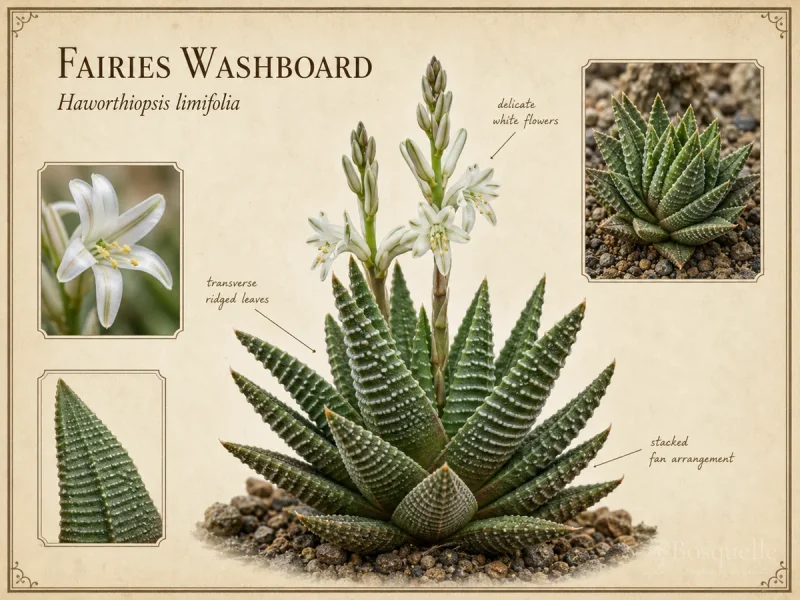
It can. Small white or pink tubes on a thin scape show in late spring or summer. The leaves are the show; you do not need flowers to know the plant is healthy.
Should I fertilize in winter?
No. Feed lightly in spring and summer only. Winter is cooler and drier — extra fertilizer sits in wet mix.
Can I share a dish with other succulents?
Yes, if they all dry between waterings. Do not mix in a plant that wants weekly moisture.
Related guides

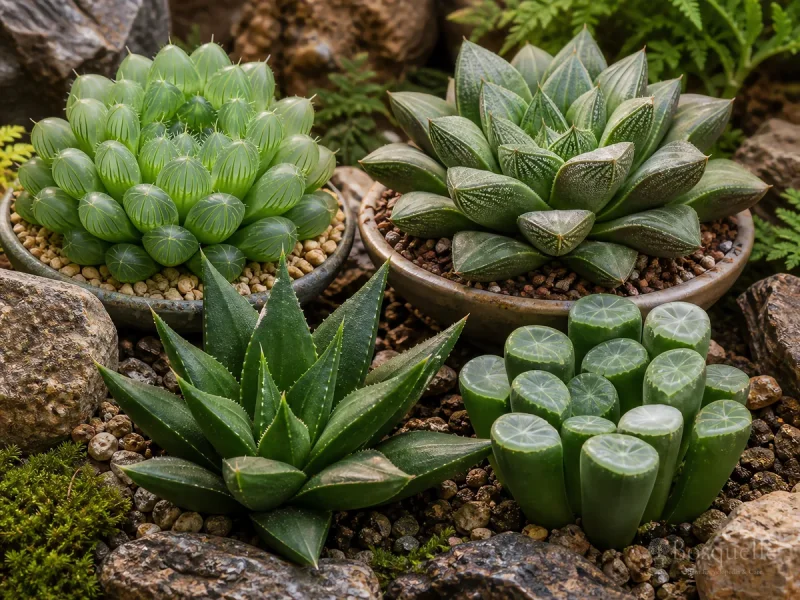

Recommended plants
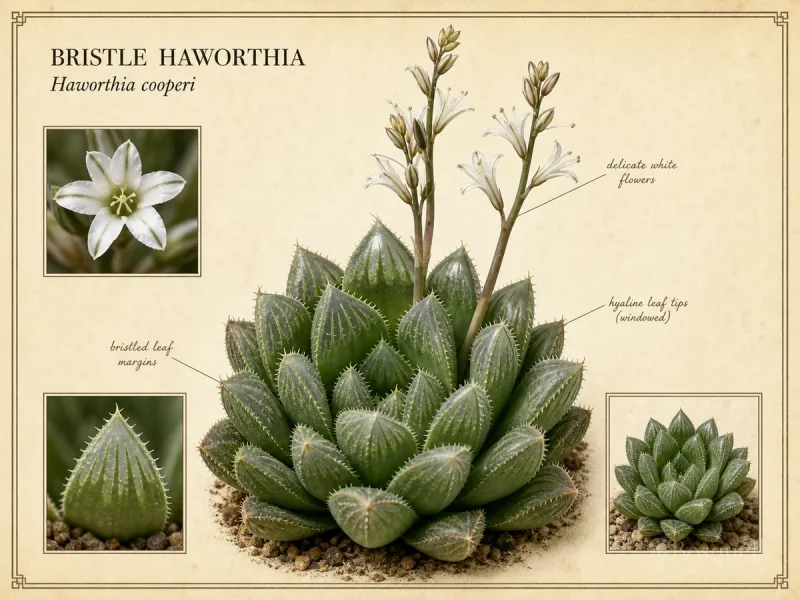
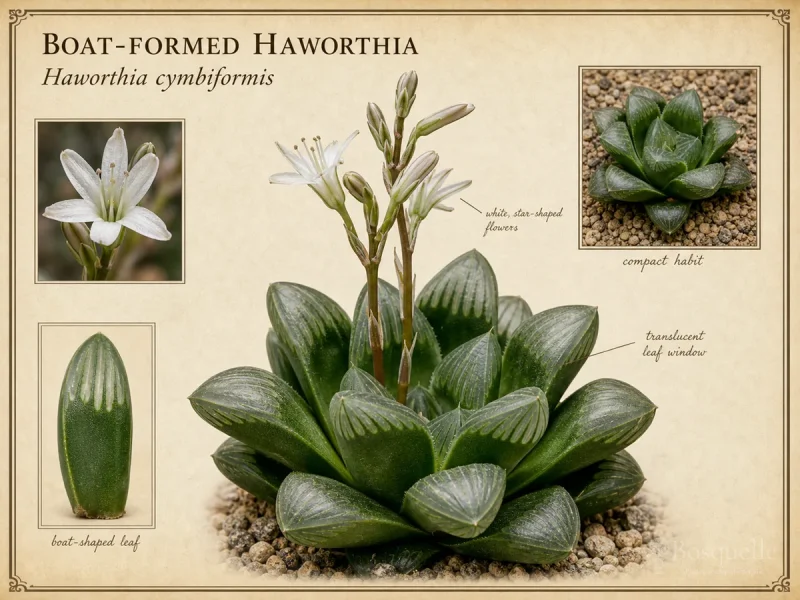

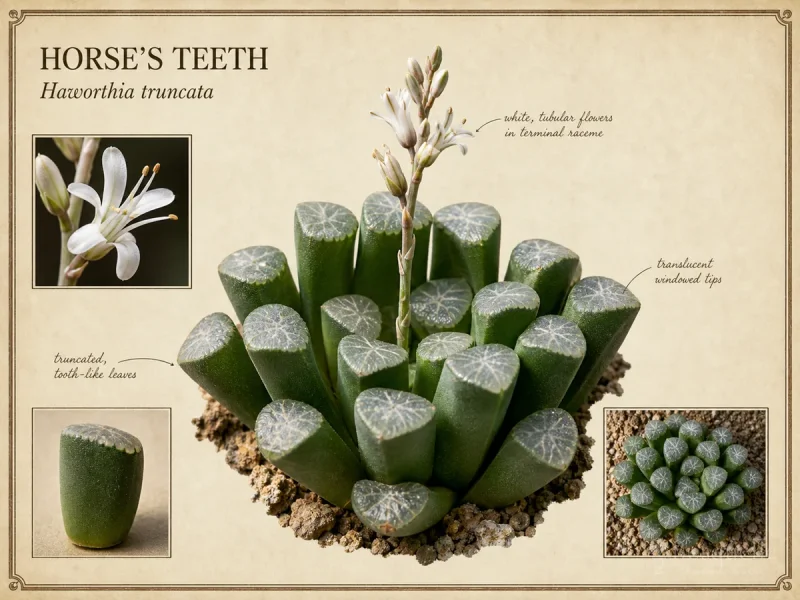




References
- [1] Wisconsin Horticulture -
https://hort.extension.wisc.edu/articles/haworthias-super-succulents-for-small-spaces/ - [2] NC State Extension -
https://plants.ces.ncsu.edu/plants/haworthia/ - [3] Penn State Extension -
https://extension.psu.edu/zebra-plant-as-a-houseplant - [4] Gardener’s Path -
https://gardenerspath.com/plants/succulents/grow-zebra-haworthia/
This note is part of Haworthia Guides.
More first-season notes by plant are gathered in How to Grow Guides.
Updated: Reviewed by Bosquelle Editors