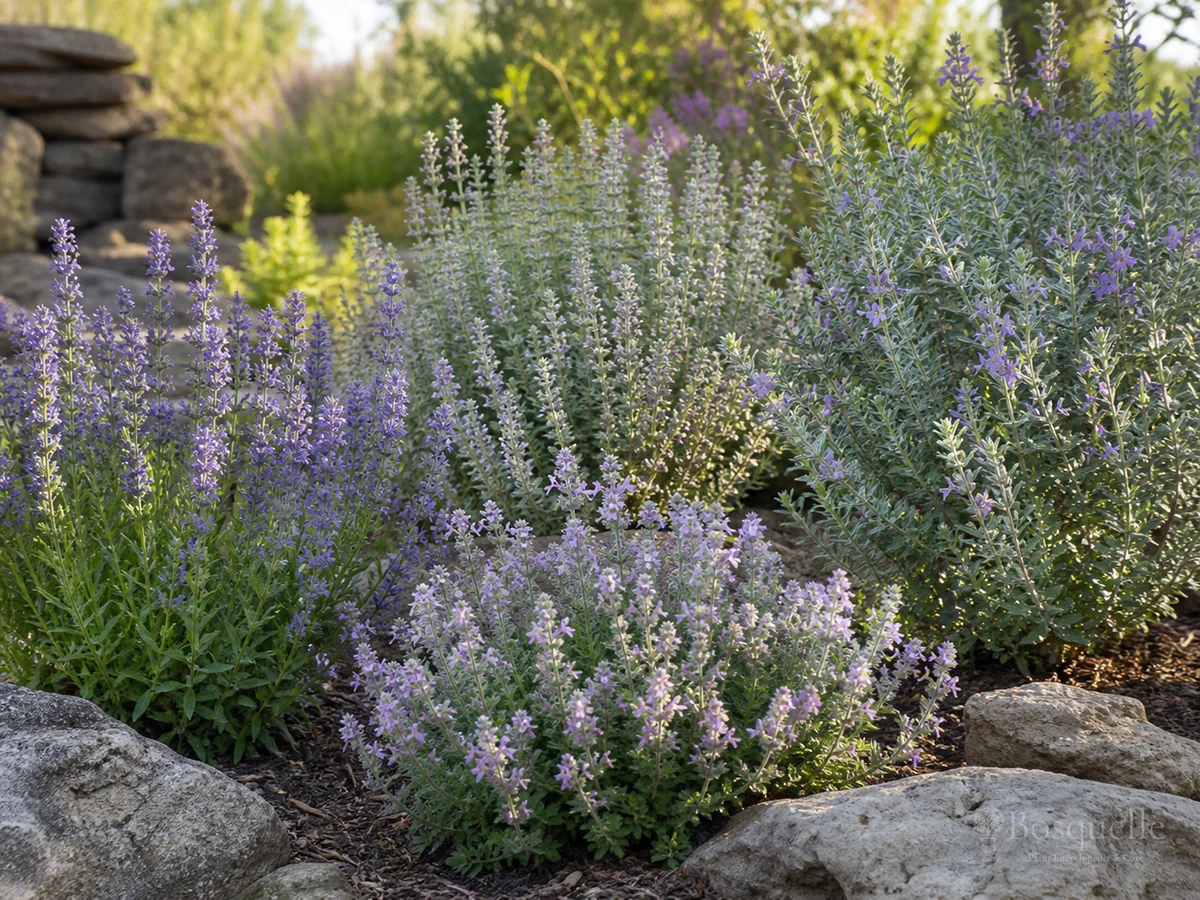
Grow germander in full sun on soil that drains. Shops also list wall germander. Shear after bloom if you want a low edge, and cut winter-killed wood in spring.

Full sun, and soil that drains
| Factor | Recommended | Avoid |
|---|---|---|
| Light | Full sun for bloom and a dense edge | Deep shade with a thin, flowerless plant |
| Soil | Lean ground that drains; poor soil is fine | A wet clay cup that stays soggy |
| Water | Water to establish, then ease off on dry-sun types | Keeping the crown wet all summer |
| Habit | A sheared edge, or a meadow spike you can let run | One moisture plan for every species |
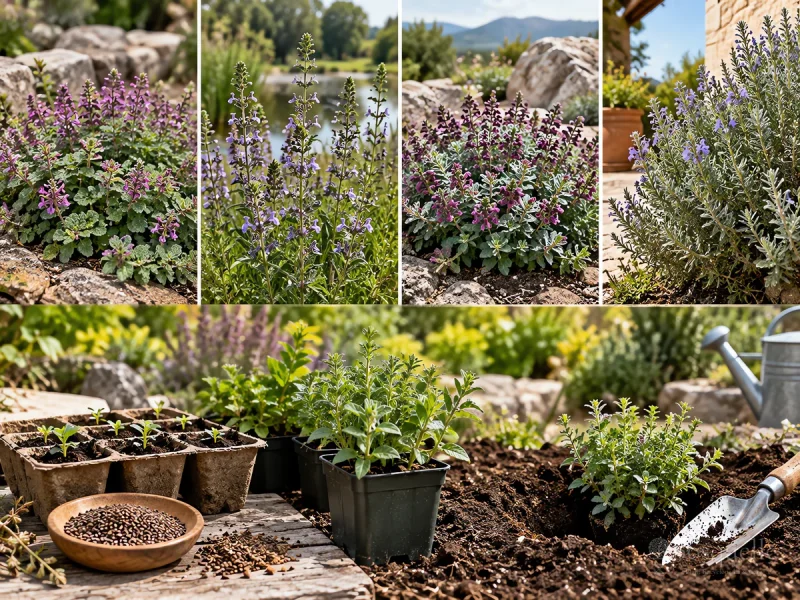
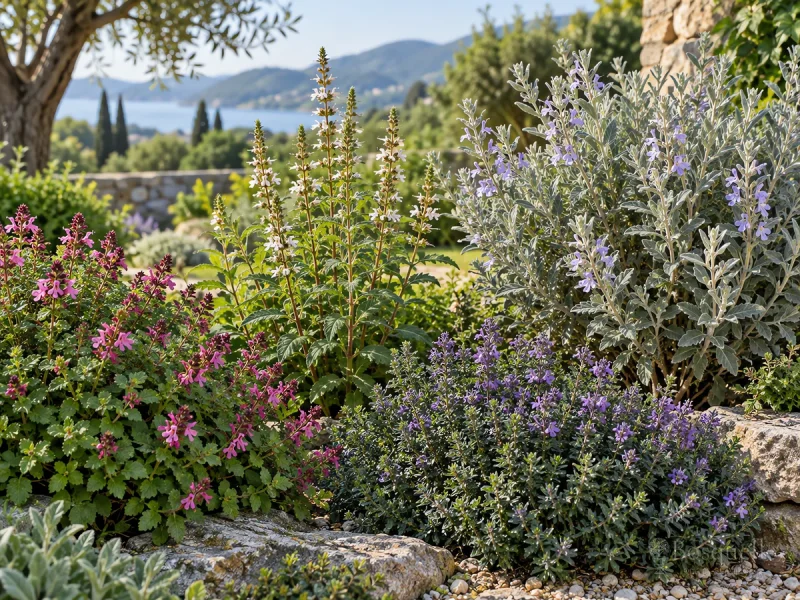
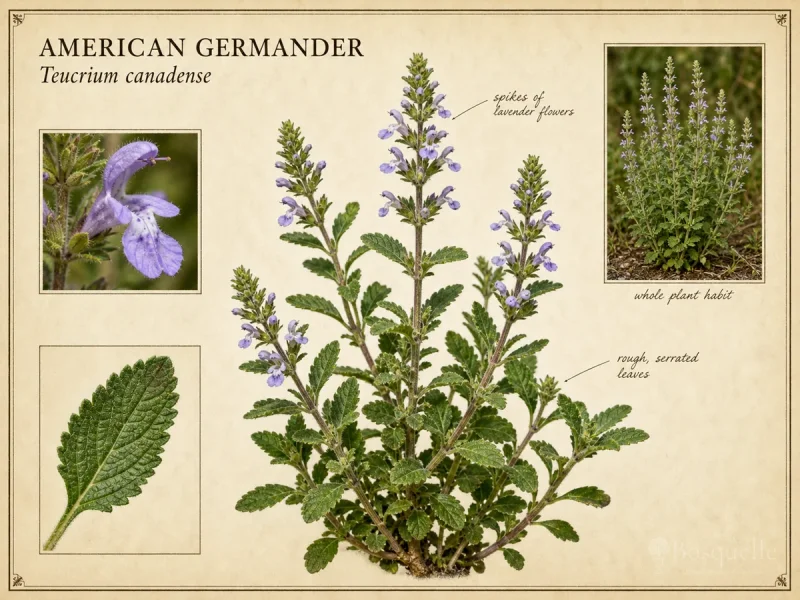
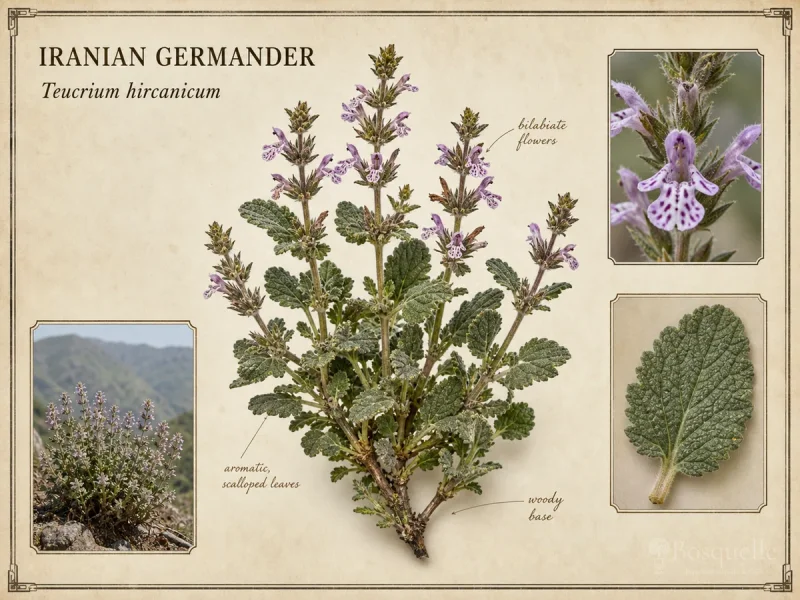
Wall germander and Iranian germander want full sun and ground that does not stay wet. Poor, gritty soil is enough. [1] American germander is the exception: it wants moister meadow ground and will thin in drought. Shade cuts bloom on the dry-sun types. Water through the first season so roots take hold. After that, missed waterings fail less often than a soggy crown. [2] Wall germander also spreads by rhizomes. That helps a low edge fill, and it can push past the line you wanted — pull runners at the edge if the bed must stay tight. Skip heavy feeding. Soft, lush growth flops and winters poorly.
Does germander need full sun?
Full sun is the default for flowers and a dense edge. Shade thins bloom and opens the hedge.
Will germander grow in wet soil?
Wall and Iranian types fail in soggy ground. American germander accepts more moisture, but it is still not a bog plant.
Is wall germander drought tolerant?
Once established in sun with drainage, yes. Water to establish; do not leave it in a wet hole.
Shear after bloom, and cut winter-killed wood in spring
A tidy edge is a cut, not a plant that stays box-like on its own. Spent flower stalks look messy if you leave them. [3] In spring you can also cut wall germander hard — down toward leafy wood a couple of inches above the ground — so the mound stays dense.
- After bloom, shear wall germander back so the evergreen leaves fill in before winter.
- Shear once or twice a year if you want a tight knot-garden line. In a formal bed, some gardeners shear through the season and skip the flowers. [4]
- In spring, cut winter-killed wood to a uniform height into leafy stems. Pull older stems that have lain on the ground. Do not scalp into old bare wood — holes fill slowly.
- Do not shear American germander as if it were box. Cut spent stems after the show, or in late winter before new growth. Tree germander takes shape cuts in mild climates after frost risk has passed.
How often should I shear wall germander?
At least after bloom, and again if you want a crisp edge. Uncut plants open and look lanky.
If the edge has opened, shear after the next bloom and cut winter-killed wood in spring — do not wait for a second hedge to appear.
FAQ
Can I grow germander in a pot?
Yes in a draining mix with no standing saucer. Tree germander especially suits a pot you can move in a cold winter. Plant wall germander out for a lasting edge.
What else can I plant nearby?
Other dry-sun plants that will not flop over an edge — lavender, thyme, or a compact sun rose. Leave a path so you can shear.
What pests hit germander?
Mildew, leaf spot, rust, and mites show up in still, humid air or wet soil. Open the canopy and keep irrigation off the foliage. See the powdery mildew or spider mites hub if a spray is warranted.
Related guides
Recommended plants


References
- [1] NC State Extension Gardener -
https://plants.ces.ncsu.edu/plants/teucrium-chamaedrys/ - [2] Illinois Extension -
https://web.extension.illinois.edu/hortanswers/plantdetail.cfm?PlantID=582&PlantTypeID=6 - [3] University of Arkansas Division of Agriculture -
https://www.uaex.uada.edu/yard-garden/resource-library/plant-week/Teucrium-chamaedrys-Germander-Wall-Germander-06-23-2017.aspx - [4] UC Master Gardeners of San Luis Obispo County -
https://ucanr.edu/blog/uc-master-gardeners-diggin-it-slo/article/teucrium
This note is part of Teucrium Guides.
More first-season notes by plant are gathered in How to Grow Guides.
Updated: Reviewed by Bosquelle Editors